
Natural weight loss solutions: Unlock 3 Best Steps
Why Natural Weight Loss Solutions Matter for Your Long-Term Health
Natural weight loss solutions are sustainable methods that help you lose weight through lifestyle changes—prioritizing whole foods, regular physical activity, adequate sleep, and stress management—rather than restrictive diets or quick fixes. According to research, up to 80% of weight loss comes from nutrition and lifestyle changes, not physical activity alone. The most effective approaches include:
- Eating more protein and fiber to boost metabolism and increase fullness
- Drinking water before meals to reduce calorie intake
- Prioritizing whole, single-ingredient foods over processed options
- Getting 7-9 hours of quality sleep to regulate hunger hormones
- Combining cardio and resistance training to preserve muscle mass
- Practicing mindful eating to recognize hunger and satiety cues
The science is clear: maintaining a trim midsection does more than help you look great—it can help you live longer. Research shows that even modest weight loss, such as 5% of your body weight, can improve blood pressure, cholesterol, and blood sugar levels, reducing your risk for chronic diseases like heart disease and type 2 diabetes. Yet many people struggle with fad diets that promise rapid results but deliver temporary outcomes and weight regain.
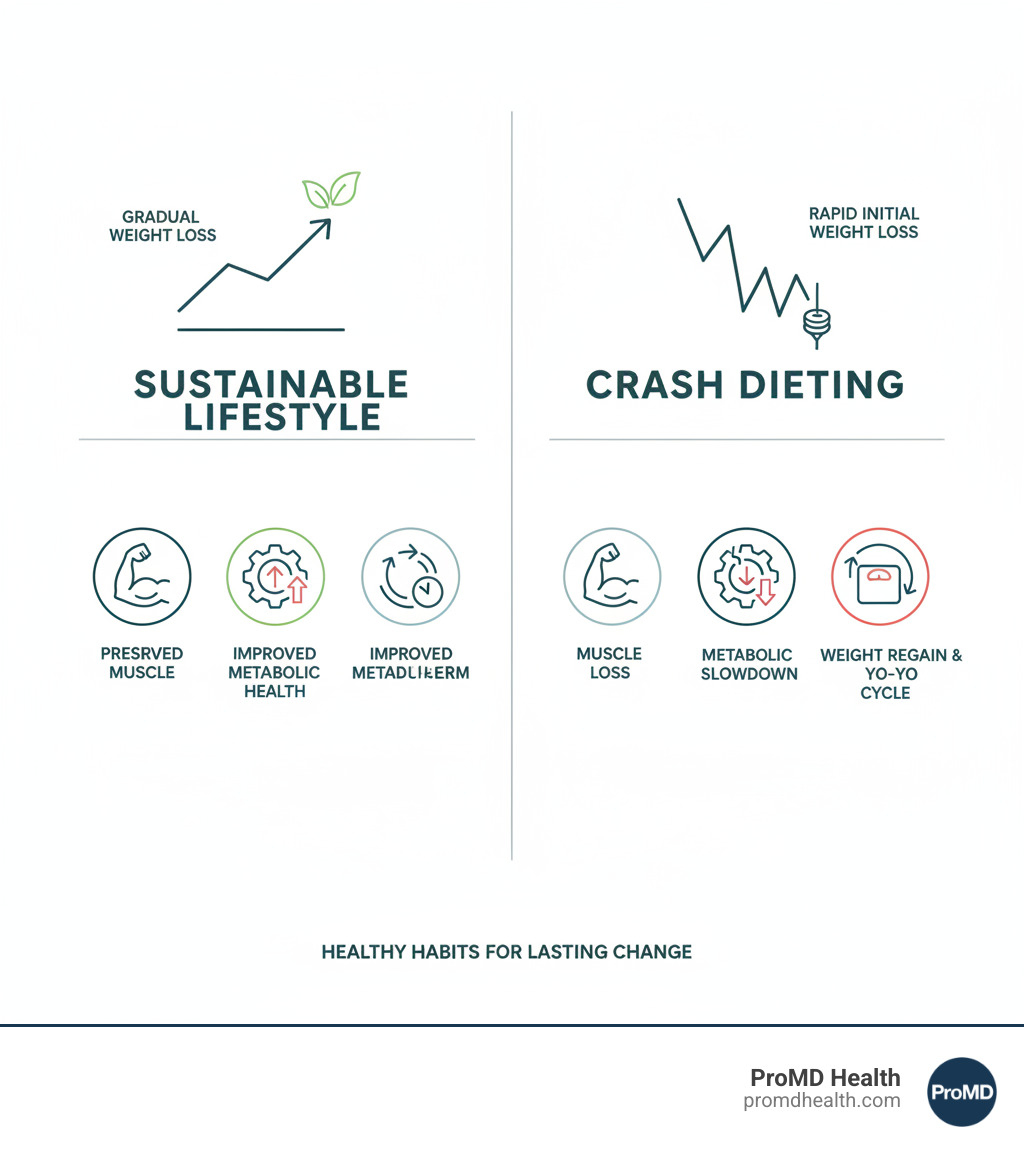
The truth is, sustainable weight loss isn’t about deprivation—it’s about building healthy habits you can maintain for life. Studies demonstrate that people who lose weight at a gradual, steady pace of 1 to 2 pounds per week are far more likely to keep it off than those who pursue rapid weight loss through very low-calorie diets or restrictive eating patterns.
The key to success? Focus on changing your lifestyle, not just following a diet.
This approach aligns with the Mayo Clinic Diet philosophy, which emphasizes behavior-change science and habit formation rather than calorie counting. It’s about adding healthy habits—like eating more fruits and vegetables and moving your body for 30 minutes daily—while breaking unhealthy ones.
I’m Scott Melamed, President and CEO of ProMD Health, where I’ve guided our organization to become one of the aesthetics industry’s most mission-driven healthcare providers. With my background in biotechnology from Johns Hopkins and years of frontline clinical experience, I’ve dedicated my career to helping people achieve their wellness goals through evidence-based natural weight loss solutions that prioritize long-term health over quick fixes.
Foundational Food Strategies for Natural Weight Loss
When it comes to natural weight loss solutions, what you eat matters far more than you might think. This isn’t just about counting calories—it’s about understanding how different foods affect your body, your hunger, and your long-term health. The right food choices can naturally support your weight loss goals while keeping you satisfied and energized.
Prioritize Protein and Fiber to Boost Satiety
If you’re looking for one simple change that can make a real difference, start by eating more protein and fiber. These two nutrients are your best friends when it comes to feeling full and satisfied.
Here’s why protein is so powerful: research shows it can boost your metabolism by 15-30%. That means your body burns more calories just processing protein compared to other nutrients. Even better, protein naturally reduces your appetite, so you eat less without feeling deprived.
A high-protein breakfast is especially effective. Studies show that starting your day with eggs, for example, can help you naturally eat fewer calories at lunch and throughout the day. And if you’re looking to build lean muscle while losing fat, adding whey protein to your routine can help you achieve both goals.
Fiber works hand-in-hand with protein to keep you satisfied. When you eat fiber-rich foods, your stomach empties more slowly, and your body releases hormones that tell your brain you’re full. This means you can eat less without constantly fighting hunger.
One particularly interesting fiber is glucomannan, which comes from the konjac plant. This fiber is remarkable—it can absorb so much water that it turns an entire glass into a gel. This helps fill your stomach with very few calories, delays digestion, and even reduces how much protein and fat your body absorbs.
Your gut bacteria also play a surprising role in weight management. Many types of fiber feed the beneficial bacteria in your digestive system, and research shows that people with a healthy gut microbiome have an easier time maintaining a healthy weight. This connection between gut health and weight is so strong that scientists have found people who are overweight tend to have different gut bacteria than those at a healthy weight.
If you’re curious about how the right nutrition can improve other aspects of your health, check out our article on Vitamins Found in Food That Support Healthy Skin.
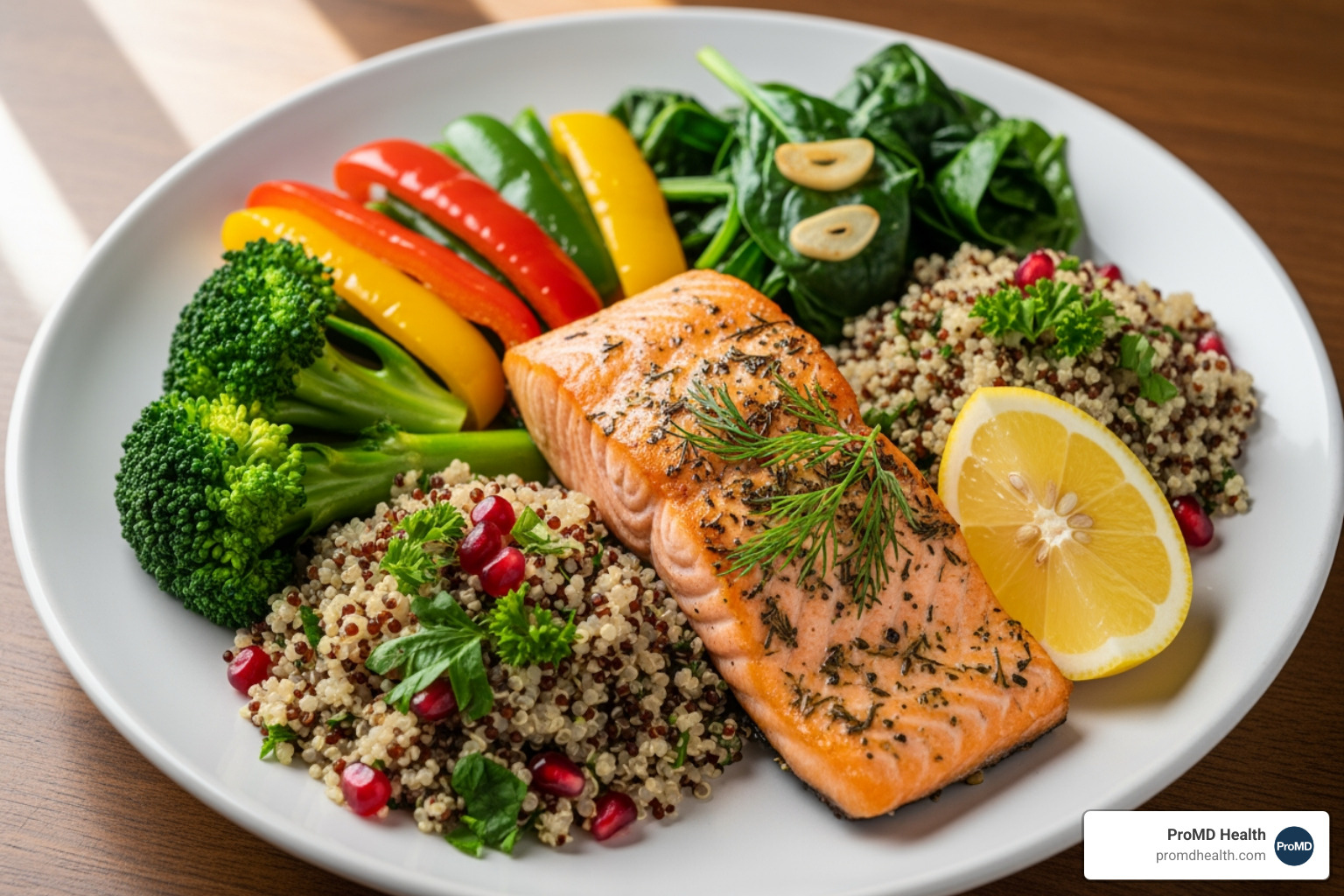
High-protein foods to add to your plate include lean meats like chicken and turkey, fish, eggs, Greek yogurt, lentils, beans, tofu, nuts, and seeds. For fiber, reach for raspberries (8g per cup), green peas (9g per cup), cooked broccoli (5g per cup), whole grains like brown rice and oats, beans, lentils, and a variety of fruits and vegetables.
Accept Whole Foods as a Natural Weight Loss Solution
One of the most effective natural weight loss solutions is also one of the simplest: eat real, whole foods. When you build your meals around single-ingredient foods, you automatically eliminate most of the added sugars, unhealthy fats, and processed ingredients that make weight loss harder.
Whole foods have a natural advantage—they’re incredibly filling. You can eat a satisfying amount without consuming excessive calories. This is especially true for fruits and vegetables, which have what nutritionists call “low energy density.” That means you can enjoy generous portions and feel satisfied without overloading on calories.
Studies consistently show that people who eat more fruits and vegetables lose more weight. If you have diabetes or are managing blood sugar, focus more on vegetables than fruits, and choose vegetables for snacks whenever possible.
The benefits go far beyond the number on the scale. When you eat a diet rich in whole foods, you’re actively reducing your risk of chronic diseases like heart disease, type 2 diabetes, and certain cancers. The connection between diet and disease prevention is so well-established that major health organizations have made it a cornerstone of their recommendations. You can read more on the link between diet and disease from the American Heart Association.
Limit Processed Foods, Added Sugars, and Refined Carbs
While adding whole foods is important, it’s equally crucial to cut back on processed foods, added sugars, and refined carbohydrates. These are often the hidden obstacles standing between you and your weight loss goals.
Processed foods are literally designed to make you eat more. Food manufacturers engineer these products to be hyper-palatable—so delicious that they can trigger addictive-like eating patterns. They’re typically loaded with added sugars, unhealthy fats, and excessive calories that make it easy to overeat without realizing it.
Added sugars are particularly sneaky. The average American consumes about 17 teaspoons of added sugar every day, and much of it is hidden in foods you wouldn’t expect. This excessive sugar intake contributes to obesity, type 2 diabetes, heart disease, and certain cancers.
Liquid calories deserve special attention. Sugary drinks, fruit juices, and energy drinks are especially problematic because they don’t make you feel full, yet they pack in substantial calories. Your body doesn’t register liquid calories the same way it does solid food, making it easy to consume far more than you need. Replacing these beverages with water is one of the easiest changes you can make for your health.
Refined carbohydrates—think white bread, regular pasta, and most packaged snacks—have been stripped of their beneficial fiber and nutrients during processing. What’s left are simple carbs that your body digests quickly, causing blood sugar spikes and crashes that leave you hungry and reaching for more food. Choosing whole grains instead of refined carbs helps stabilize your blood sugar and keeps you satisfied longer.
Making these dietary shifts doesn’t have to be overwhelming. Small, consistent changes add up to significant results over time. For more guidance on implementing these strategies, explore our article on Decoding Wellness: Small Shifts, Big Results.
Smart Habits and Natural Weight Loss Solutions
Here’s something I’ve learned over years of working with patients: what you eat matters tremendously, but how and when you eat can be just as important. The daily habits we build around food and hydration become the foundation of lasting natural weight loss solutions. These behavioral changes don’t require dramatic overhauls—they’re simple, consistent practices that compound over time.

How Hydration and Beverages Act as Natural Weight Loss Solutions
Let’s start with the simplest tool in your weight loss toolkit: water. It sounds almost too easy, but drinking water strategically can genuinely help you consume fewer calories throughout the day. Research shows that having a glass of water 30 to 120 minutes before meals naturally reduces how much you eat at that meal. Your stomach registers some fullness, and you’re less likely to overeat when the food arrives.
Even better? Water becomes particularly powerful when it replaces the sugary drinks many of us reach for throughout the day. Those liquid calories from soda, juice, and sweetened beverages add up quickly and provide zero satiety. Aim for about 2.5 to 3 liters of water daily, and you’ll likely notice a difference in just a few weeks—not just on the scale, but in how you feel overall.
Coffee lovers, I have good news for you. Unsweetened coffee can actually support your weight loss efforts. The caffeine boosts your energy levels and increases the number of calories you burn throughout the day. Plus, it’s essentially calorie-free when you skip the sugar and cream. Studies even suggest that regular coffee consumption may reduce your risk of developing type 2 diabetes.
Green tea deserves a special mention too. This antioxidant-rich beverage has been linked to increased fat burning and overall weight management support. Like coffee, it’s best enjoyed unsweetened—a refreshing way to stay hydrated while giving your metabolism a gentle nudge in the right direction.
Why Mindful Eating is a Powerful Natural Weight Loss Solution
Now let’s talk about something that transformed how many of my patients approach meals: mindful eating. This isn’t about following rigid rules or counting every calorie. It’s about developing awareness—tuning into your body’s actual hunger and satiety signals rather than eating on autopilot or in response to emotions.
When you practice mindful eating, you’re making conscious food choices and truly savoring your meals. You’re asking yourself: Am I actually hungry, or am I stressed? Am I full, or am I just eating because the food is there? Research demonstrates that this approach has significant effects on weight, eating behavior, and stress levels. It’s particularly helpful for reducing binge eating and emotional eating patterns that derail so many weight loss efforts.
Here’s a practical tip that makes an immediate difference: eat more slowly. People who eat quickly are more prone to obesity than those who take their time. When you chew slowly and put your fork down between bites, you give your body time to register fullness. This simple change increases the production of weight-loss hormones and naturally leads to consuming fewer calories at each meal.
Portion control matters too, and sometimes it’s about psychology as much as willpower. Using smaller plates can trick our perception—what looks like a full plate on an 8-inch dish would look sparse on a 12-inch one. We eat with our eyes first, and these visual cues influence how satisfied we feel with our portions.
Consider Your Eating Window with Intermittent Fasting
Intermittent fasting has become one of the most talked-about natural weight loss solutions, and for good reason—it focuses on when you eat rather than obsessing over what you eat. The most popular approach is the 16:8 method, where you consume all your meals within an 8-hour window and fast for the remaining 16 hours.
What makes this approach effective is its simplicity. Most people naturally reduce their overall calorie intake without consciously restricting themselves during eating periods. If you’re eating between noon and 8 PM, for example, you’ve eliminated late-night snacking and early morning nibbling—two times when we often consume calories mindlessly.
The potential metabolic benefits extend beyond just eating fewer calories. Time-restricted eating may help regulate blood sugar levels and improve how your body processes food. While researchers are still studying the long-term effects, many people find this pattern sustainable and easy to maintain once they adjust to it.
That said, intermittent fasting isn’t for everyone, and it’s important to listen to your body. Some people thrive on this schedule, while others feel better eating more frequently throughout the day. If you’re interested in exploring whether this approach fits into your lifestyle, our guide on Getting Started with Weight Management offers personalized strategies to help you find what works best for your unique needs and goals.
The Lifestyle Pillars: Exercise and Sleep
While diet and mindful eating are crucial, the broader pillars of our lifestyle—exercise and sleep—are indispensable natural weight loss solutions. They work by regulating hormones, managing stress, and enhancing our overall physical and mental health.

Integrate Consistent Movement: Cardio and Resistance Training
Physical activity isn’t just about burning calories—it’s about building a body that works better for you. When we talk about natural weight loss solutions, consistent movement is one of the most powerful tools we have.
Cardio exercise does more than help us shed pounds. It improves our mental clarity, boosts our mood, and improves our overall physical well-being. What makes cardio particularly valuable is its ability to target visceral fat—that dangerous fat that wraps around our organs and increases our risk for metabolic diseases. Even moderate-intensity activities like brisk walking, swimming, or cycling can make a real difference in reducing this harmful fat.
But here’s where many people miss out: resistance training is just as important as cardio, if not more so. When we diet without lifting weights or doing strength exercises, we risk losing muscle along with fat. This is problematic because muscle tissue is metabolically active—it burns calories even when we’re sitting on the couch watching TV. By building and preserving lean muscle through resistance training, we’re essentially boosting our metabolism, making our bodies more efficient at burning calories throughout the day.
The magic happens when we combine both approaches. Cardio burns calories during the workout, while resistance training builds muscle that keeps burning calories long after we’ve left the gym. This combination creates a powerful synergy for fat loss and body recomposition. Physical activity also helps by reducing insulin levels, which prompts our liver to use fatty acids more efficiently, particularly targeting that stubborn abdominal fat.
The health benefits extend far beyond the scale. Even modest weight loss achieved through regular physical activity can significantly improve our blood pressure, cholesterol levels, and blood sugar control, reducing our risk of chronic diseases. If you’re looking for guidance on building an effective fitness routine, our Promd Fit program can help you integrate these principles into your daily life.
Prioritize Quality Sleep for Hormonal Balance
Here’s something many people don’t realize: getting enough quality sleep is one of the most critical natural weight loss solutions for maintaining hormonal balance and managing appetite. When we skimp on sleep, we’re not just tired—we’re actively working against our weight loss goals.
Sleep deprivation has a powerful effect on our hunger hormones. Specifically, it disrupts ghrelin, which stimulates hunger, and leptin, which signals fullness. When these hormones are out of balance, our appetite regulation goes haywire. We find ourselves craving high-carbohydrate and high-fat foods, and our willpower to resist unhealthy snacks plummets. It’s not a lack of discipline—it’s biology working against us.
Studies show that people who consistently get insufficient sleep tend to consume more calories, particularly from foods that sabotage their health goals. The cravings feel more intense, portion control becomes harder, and making healthy food choices requires significantly more effort.
The good news? Aiming for seven to nine hours of quality sleep each night can dramatically improve our ability to make healthier food choices and regulate our cravings. When we’re well-rested, our hormones are in better balance, supporting our weight loss efforts rather than sabotaging them. Our bodies function the way they’re meant to, making weight management feel more natural and sustainable.
If you’re struggling with sleep quality, the NEW: Mayo Clinic Guide to Better Sleep offers comprehensive guidance. Additionally, understanding the broader context of hormonal health can be beneficial. At ProMD Health, our Hormone Optimization Therapy services address the underlying hormonal imbalances that can affect both sleep quality and weight management, helping you achieve better results through a more complete approach to wellness.
Frequently Asked Questions about Natural Weight Loss
You’ve likely got questions about what natural weight loss solutions can realistically do for you. Let’s tackle some of the most common concerns we hear from people just like you who are starting their wellness journey.
How much weight can I realistically lose naturally per week?
Here’s the honest answer: a safe and sustainable rate is 1 to 2 pounds per week. Doctors consistently recommend this gradual pace because it’s the approach most likely to stick long-term. More importantly, losing weight at this steady rate helps preserve your precious muscle mass, unlike rapid weight loss which often leads to the frustrating cycle of yo-yo dieting.
We understand the temptation to want faster results. But trying to lose 10 pounds in 10 days or 20 pounds in a month isn’t a healthy goal—in fact, it may actually be harmful, especially if you have any chronic health conditions. The reality is that with a consistent calorie deficit of 500–700 per day, many people can lose 4–6 pounds per month through lifestyle changes alone. That might not sound dramatic, but it adds up to 48–72 pounds in a year!
That results vary based on your age, sex, and current health status. Your body is unique, and your weight loss journey will be too. The key is consistency, not speed.
Are natural weight loss supplements safe and effective?
This is where we need to have a frank conversation. Most weight loss supplements have mixed or insufficient scientific evidence to support their bold claims. Some, like glucomannan, show minor potential, but they can come with side effects you need to know about. For instance, glucomannan in tablet form may pose a choking or blockage risk if you don’t take it with enough water—definitely not something to take lightly.
Other supplements tell an even more concerning story. Chromium picolinate shows no significant benefits in research studies. Even more worrying, some supplements like ephedra and bitter orange have been deemed possibly unsafe due to serious health risks, including heart problems and stroke.
Here’s the bottom line: it’s crucial to consult a healthcare provider before taking any supplements. The FDA doesn’t regulate these products for safety or efficacy before they hit the market, which means you’re essentially taking a risk every time you try a new supplement without medical guidance. At ProMD Health, we believe in evidence-based approaches that prioritize your safety above all else.
Why do I regain weight after dieting?
If you’ve ever lost weight only to gain it back, you’re not alone—and it’s not your fault. Short-term, restrictive “diets” almost always fail because they’re simply not sustainable. Worse, they can trigger hormonal responses that actually increase your appetite and promote fat storage once the diet ends.
Here’s a sobering truth: dieting is one of those things that almost always fails in the long term. In fact, research shows that people who go on restrictive “diets” tend to gain more weight over time than those who never dieted at all. Why? Your body has natural defense mechanisms. When you drastically cut calories, your metabolism slows down to conserve energy, and your hunger hormones ramp up, making you feel ravenous. It’s biology, not willpower.
This is exactly why we emphasize permanent lifestyle changes that are enjoyable and sustainable. When you focus on building healthy habits you can maintain for life—rather than following a temporary diet—you prevent weight regain and achieve lasting results. That’s the foundation of true natural weight loss solutions: changes that become part of who you are, not just something you’re white-knuckling through until you can go back to “normal.”
The goal isn’t to be on a diet. The goal is to create a new normal that supports your health and happiness for the long haul.
Conclusion: Your Journey to Sustainable Wellness
Your journey toward natural weight loss solutions isn’t really about the number on the scale—it’s about changing your entire relationship with health and wellness. Throughout this guide, we’ve explored how simple, sustainable changes in what you eat, when you eat, how you move, and how you sleep can create lasting results that go far beyond weight loss.
The beauty of this approach is its simplicity. When you prioritize whole foods over processed ones, when you listen to your body’s hunger cues, when you move consistently and sleep well, you’re not following a restrictive diet—you’re building a life that naturally supports a healthy weight. These aren’t temporary fixes; they’re lifestyle shifts that become easier and more rewarding over time.
What we’ve discussed here represents a complete departure from the diet mentality that has failed so many people. Instead of counting every calorie or eliminating entire food groups, you’re learning to work with your body, not against it. You’re finding how protein and fiber keep you satisfied, how water before meals can curb your appetite, how strength training preserves your metabolism, and how quality sleep regulates the hormones that control your cravings.
The health benefits extend far beyond how you look. Even modest weight loss—just 5% of your body weight—can dramatically improve your blood pressure, cholesterol, and blood sugar levels. You’re reducing your risk of heart disease, type 2 diabetes, and other chronic conditions while gaining energy, confidence, and vitality. To learn more about these advantages, explore the Benefits of Weight Management.
At ProMD Health, we’ve built our practice around helping people look younger and feel younger through personalized, evidence-based care. We know that sustainable weight management isn’t one-size-fits-all. Your body, your lifestyle, your challenges, and your goals are unique to you—and your approach should be too.
That’s why we combine advanced technology, including AI simulation for personalized planning, with compassionate medical supervision. Our comprehensive approach integrates face, body, and wellness services to support your entire journey. We’re not here to sell you a quick fix or a magic pill; we’re here to partner with you in building lasting health.
If you’re ready to move beyond temporary diets and accept natural weight loss solutions that truly work for the long term, we’re here to guide you every step of the way. For a comprehensive and medically supervised approach to your health goals, explore our Weight Management services. Let’s work together to help you open up your best self and thrive—not just for weeks or months, but for life.


