The Science Behind Red Light for Hair Growth
Best red light therapy for hair growth includes FDA-cleared devices that use specific wavelengths (630-670 nm or 810-850 nm) to stimulate hair follicles through photobiomodulation. Here are the top categories:
| Device Type | Best For | Key Features | Treatment Time |
|---|---|---|---|
| Full-Scalp Helmet/Cap | Overall coverage | Hands-free, maximum coverage, high diode count | 10-25 minutes |
| Laser Headband | Targeted areas (hairline, crown) | Portable, short sessions, focused treatment | 90 seconds – 3 minutes |
| Handheld Brush/Comb | Budget-conscious users | Multi-functional, massage, serum application | 4-6 minutes |
For those with thinning hair or pattern hair loss, the number of regrowth solutions can be overwhelming. Red light therapy—also known as Low-Level Light Therapy (LLLT) or photobiomodulation—is a standout option backed by clinical research for improving hair thickness and density.
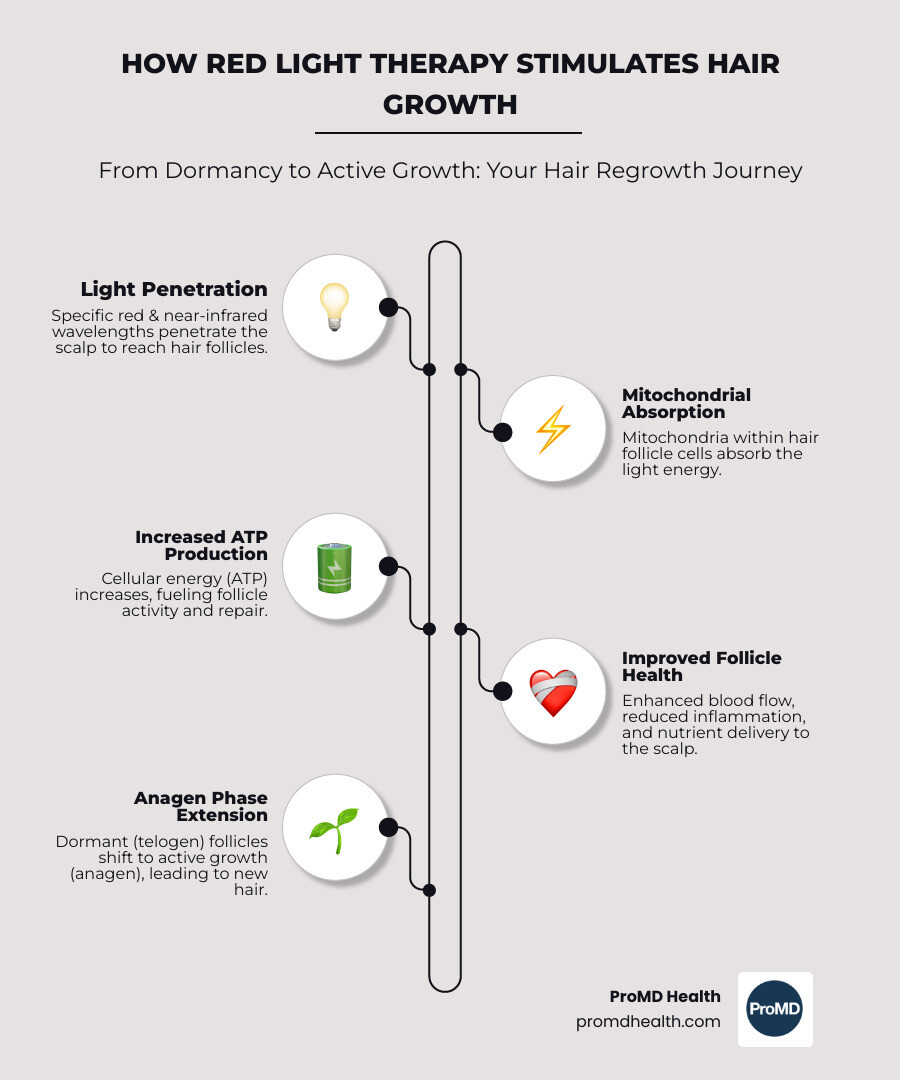
Here’s how it works: Red light wavelengths penetrate your scalp to reach the hair follicles. The light energy is absorbed by the mitochondria in your cells, boosting ATP production and giving them more energy. This process improves scalp blood flow, reduces follicle inflammation, and shifts hair from the resting phase into the active growth (anagen) phase.
Studies show consistent use can increase hair count by up to 51% after 16-24 weeks, particularly for androgenetic alopecia (pattern hair loss). Results include thicker hair and new growth, but patience is key. Initial improvements may take 3-6 months, with more significant changes visible in 6-12 months.
“Red light therapy offers a non-invasive, drug-free approach to stimulating dormant hair follicles,” explains George Gavrila, MD, Founder and Medical Director of ProMD Health. “When used consistently with the proper wavelengths, it can be an effective tool in a comprehensive hair restoration plan.”
I’m Scott Melamed, President and CEO of ProMD Health, and I’ve spent years evaluating emerging aesthetic technologies through both a scientific and clinical lens. My background in biotechnology and novel drug development at Johns Hopkins has given me a unique perspective on identifying evidence-based treatments, including the best red light therapy for hair growth options available today.
Key Features to Consider When Choosing a Device
Choosing the right RLT device for hair growth means focusing on what matters: safety, efficacy, and ease of use. A good device should be effective and fit into your routine to ensure the consistency needed for results.
“While at-home devices may not always be as powerful as in-office laser treatments, their immense benefit lies in their accessibility and the ability to use them daily or as directed,” notes George Gavrila, MD, Founder and Medical Director of ProMD Health. “This consistent application is paramount for seeing results.” Therefore, when we evaluate devices, we look for FDA clearance, the type of light source (lasers vs. LEDs), and the overall power output to ensure they meet our standards for delivering real benefits to our patients across Maryland, Virginia, Florida, Texas, Colorado, Delaware, and District of Columbia.
Effective Wavelengths for Hair Regrowth
The wavelength of light is the most crucial factor. For hair growth, specific red and near-infrared wavelengths are needed. Research shows that devices in the 620 to 678 nanometer (nm) range are highly effective for treating hair loss. Other studies point to wavelengths between 600-700 nm or near-infrared light around 830 nm. This therapeutic window is optimal for stimulating follicles by increasing circulation and reducing inflammation.
“At ProMD Health, we guide our patients toward devices that use these clinically proven wavelengths,” states George Gavrila, MD. “Ensuring the device operates within this therapeutic window is key to open uping its full potential for hair regrowth.”
Device Type and Coverage (Caps, Bands, and Brushes)
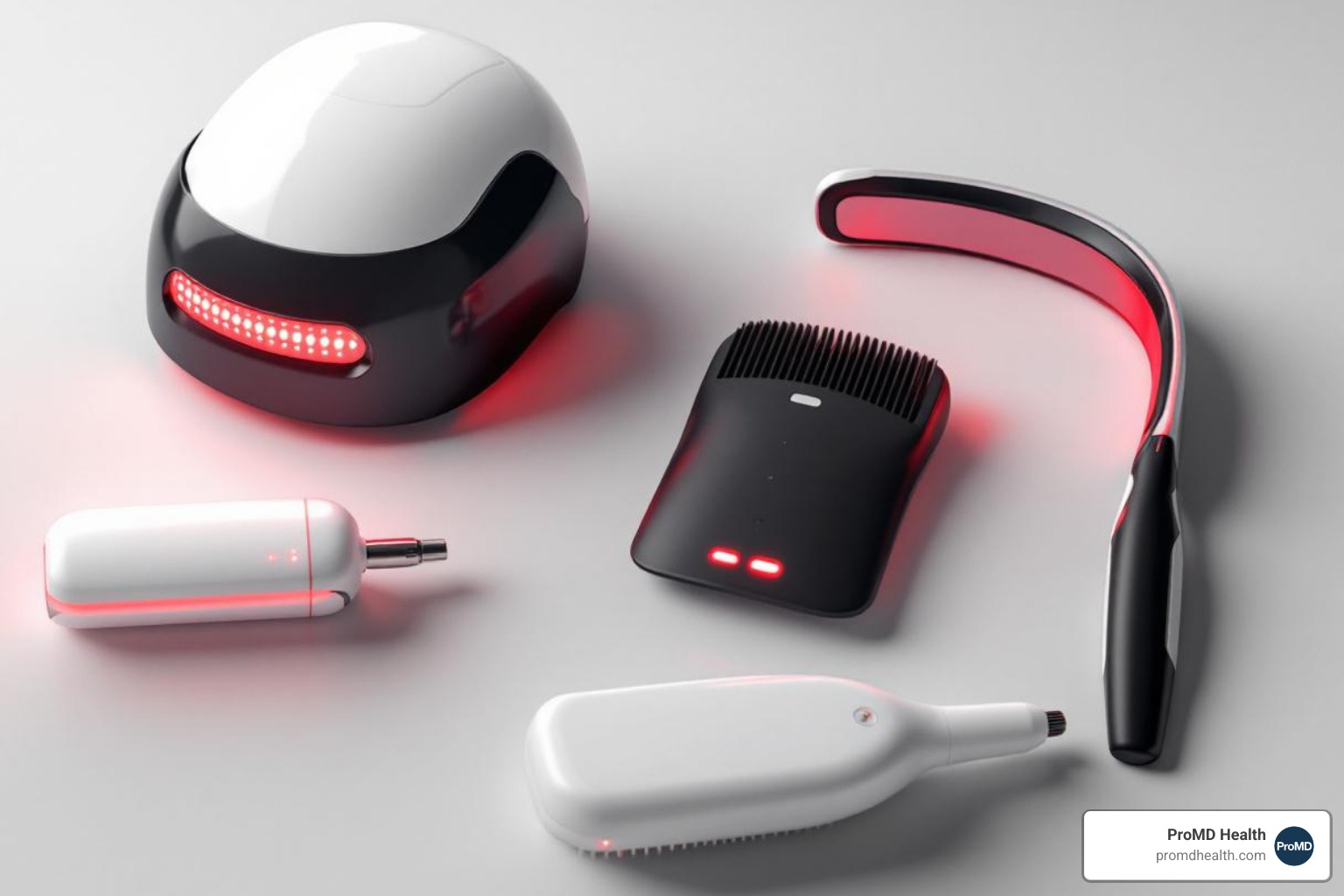
Red light therapy devices for hair growth come in various forms, each offering different levels of coverage and convenience. The type you choose should align with your lifestyle and the extent of your hair loss.
- Helmets and Caps: Offering the most comprehensive coverage, these hands-free devices treat the entire scalp at once. They are ideal for diffuse thinning or general pattern hair loss, allowing you to multitask during treatment.
- Headbands: These crescent-shaped devices are designed for targeted treatment of areas like the hairline or crown. They are portable and a good choice for concentrated hair loss.
- Brushes and Combs: These handheld devices require manual use but often include extra features like scalp massage or serum application. They can be a good entry-point or complementary tool for localized stimulation.
Lasers vs. LEDs and FDA Clearance
When it comes to the light source, you’ll encounter two main types: lasers and LEDs. Understanding the difference is crucial for choosing an effective device.
- Laser Diodes: LLLT devices use medical-grade lasers that emit concentrated light, penetrating deeper to reach hair follicles. This targeted energy is generally considered more effective for stimulating growth.
- LED Lights: LEDs emit broader, scattered light that doesn’t penetrate as deeply as lasers. While beneficial for overall scalp health, lasers often have stronger clinical backing for direct follicle stimulation.
FDA Clearance: This is a critical indicator of a device’s safety and efficacy. An FDA-cleared device has undergone rigorous testing to prove it is safe and effective for its intended use. “We strongly advise our patients to look for FDA-cleared devices,” emphasizes George Gavrila, MD. “This clearance provides an essential layer of assurance that the product has met strict standards and is a legitimate tool for addressing hair loss.”
Our Guide to the Best Red Light Therapy for Hair Growth Devices
We understand that navigating the market for best red light therapy for hair growth devices can be overwhelming. That’s why we’ve categorized and highlighted the types of devices that have shown promising results and offer different benefits based on your needs and preferences. Our goal at ProMD Health is to help you find a solution that fits seamlessly into your life and delivers on its promise of thicker, fuller hair.
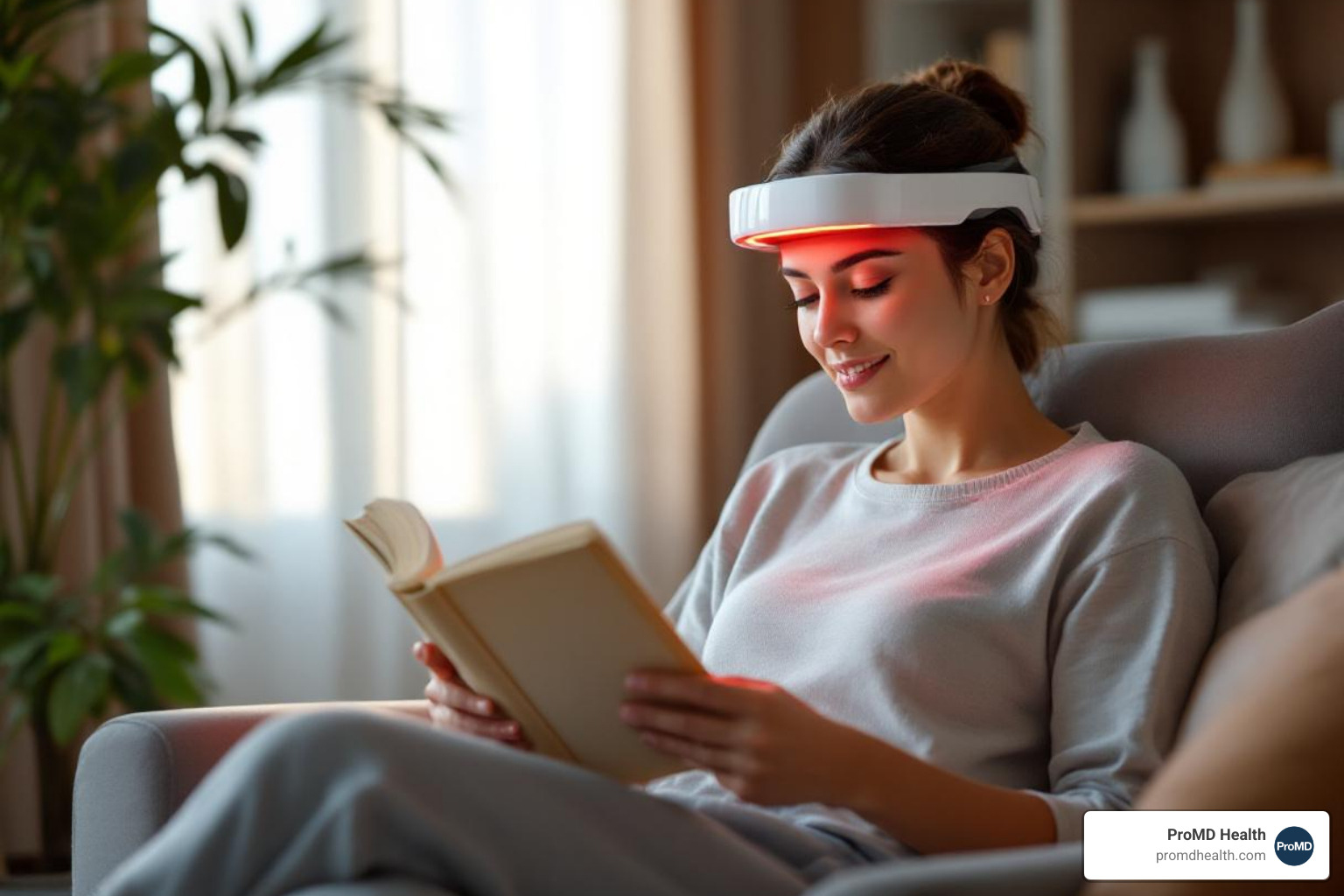
“Choosing the right device is a personal journey,” says George Gavrila, MD. “It’s about finding a balance between effectiveness, convenience, and how well it integrates into your daily routine. The device you’ll actually use consistently is the one that will deliver results.” We’ve evaluated these categories based on their coverage, treatment times, and overall user convenience.
Best for Overall Coverage: The Full-Scalp Helmet/Cap
For those seeking maximum coverage and a hands-free experience, full-scalp helmets and caps are often the best red light therapy for hair growth option. These devices are designed to deliver light energy to the entire scalp, making them ideal for diffuse thinning or general pattern hair loss.
- Hands-Free Design: The main advantage is convenience. You wear it like a hat, allowing you to multitask during treatment, which is essential for consistency.
- Maximum Scalp Coverage & High Diode Count: These devices feature a high number of diodes (lasers or LEDs) to ensure light reaches the entire scalp, which is crucial for stimulating all follicles.
- Typical Use: Treatment times for these devices can range from 10 to 25 minutes, often a few times a week.
- Clinical Study Results: The statistics are compelling. For example, one study on a cap device showed a 51% average increase in hair count after 17 weeks. These results underscore the effectiveness of consistent, comprehensive treatment.
At ProMD Health, we offer advanced solutions for hair restoration, and integrating a high-quality, full-scalp RLT device can be a powerful complement to our in-clinic treatments. Learn more about our comprehensive approach to Hair Restoration.
Best for Targeted Treatment: The Laser Headband
If your hair loss is concentrated in specific areas, such as the hairline or crown, a laser headband might be the best red light therapy for hair growth device for you. These devices offer focused treatment with remarkable portability.
- Crescent-Shape Design: Headbands are shaped to target specific regions, ensuring light is delivered precisely where needed.
- Targeting Specific Areas: They are excellent for addressing receding hairlines or thinning on the crown, providing concentrated treatment.
- Short Treatment Times: A key feature is efficiency, with some sessions as quick as 90 seconds, making them easy to fit into any schedule.
- Portability and Ease of Use: Their compact size and often cordless nature make them highly portable, perfect for on-the-go use.
These devices are a fantastic option for individuals who need to address specific zones of hair thinning without committing to a full-head device.
Best for Budget and Multi-Functionality: The Handheld Brush/Comb
For those looking for an entry-level option or a device that offers more than just red light, handheld brushes and combs provide a versatile and often more affordable solution. They can be the best red light therapy for hair growth choice if you prefer a more interactive treatment experience.
- Manual Operation: These devices require you to actively comb them through your hair, allowing for direct control over treatment areas.
- Entry-Level Option & Affordability: Starting around $260, these devices are generally more budget-friendly than full-scalp helmets or high-end laser caps, making red light therapy more accessible.
- Combines RLT with Other Features: Many handheld brushes and combs improve their benefits by incorporating additional technologies:
- Scalp Massage: Many include sonic vibration to massage the scalp, further stimulating blood flow.
- Serum Application: Some are designed to help apply hair growth serums, potentially enhancing absorption.
- Blue Light for Scalp Health: Some devices add blue light to help with scalp irritation and oiliness, creating a healthier environment for hair growth.
These multi-functional handheld devices are a great way to integrate red light therapy into your hair care routine, especially if you enjoy a more hands-on approach and want to address general scalp health alongside hair growth.
What to Expect: Your RLT for Hair Growth Journey
Starting on a red light therapy journey for hair growth requires a healthy dose of patience and consistency. It’s not an overnight fix, but a commitment to nurturing your hair follicles back to their full potential. Understanding what to realistically expect can help you stay motivated and make the most of your treatment.
We often hear from patients in Annapolis, Washington, and Fort Lauderdale who are eager to see rapid results. However, as George Gavrila, MD often reminds us, “Hair growth is a biological process that follows natural cycles. Red light therapy works by optimizing these cycles, which takes time. Think of it as planting a garden; you prepare the soil, plant the seeds, and then patiently nurture them to grow.”
Timeline and Results: How Long Does It Take?
The most common question we receive is, “How long until I see results?” The answer is: patience and consistency are essential. Hair grows in cycles, and these cycles don’t work immediately.
- Initial Results (3-6 months): After 12-24 weeks of consistent use, you may notice less shedding, better hair texture, and some fine new hairs.
- Significant Difference (6-12 months): A noticeable difference in hair count, thickness, and density typically takes 6-12 months to become apparent. Because of these natural hair growth cycles, you may not see significant results for up to six months. This is why choosing a device that fits your routine is crucial for long-term adherence.
- Recommended Usage: Most guidelines suggest using LLLT two to four times a week. However, some devices recommend daily use for shorter durations (e.g., 10 minutes daily). Adhering strictly to your device’s instructions is paramount.
“We tell our patients that red light therapy is a marathon, not a sprint,” says George Gavrila, MD. “The commitment to consistent use over several months is what ultimately yields the most rewarding outcomes.”
Ideal Candidates for the best red light therapy for hair growth
While red light therapy for hair growth is a promising treatment, it’s not universally effective for all types of hair loss. Identifying if you are an ideal candidate is the first step towards successful treatment.
- Androgenetic Alopecia (Male and Female Pattern Hair Loss): This is where red light therapy shines brightest. Most clinical studies focus on androgenetic alopecia, and results show modest but real improvements for many users.
- Early Stages of Hair Thinning: RLT is most effective for those in the early stages of hair loss or thinning, as the follicles are still active and can be stimulated.
- Telogen Effluvium: This is a temporary form of hair loss often triggered by stress, illness, or hormonal changes. Red light therapy can help shift hair follicles from the resting (telogen) phase back into the active growth (anagen) phase, aiding recovery.
- Not for Advanced Hair Loss: If your hair loss started many years ago and you have a shiny scalp, the follicles may be too small or too damaged for new growth, and red light therapy may not be as effective. It’s about stimulating existing follicles, not creating new ones from scratch.
At ProMD Health, we conduct thorough consultations to determine if red light therapy is the right treatment path for you. Find if you are a candidate for hair restoration by visiting our page on Are You a Candidate for Hair Restoration?.
Potential Side Effects and Limitations
One of the appealing aspects of red light therapy is its excellent safety profile. It’s generally considered a very safe, non-invasive, and well-tolerated treatment option for hair loss.
- Generally Safe and Non-Invasive: Red light therapy uses visible red and near-infrared light, which does not emit harmful UV radiation. It’s a painless treatment that avoids the side effects often associated with oral medications.
- Well-Tolerated with Rare Side Effects: Most people experience no side effects. In rare cases, temporary warmth, tingling, or mild irritation may occur. It is crucial to follow device guidelines to avoid overuse, which could potentially cause heat reactions.
- Not a Permanent Cure: RLT is not a one-time cure for hair loss, which is often an ongoing process. If you stop treatment, the benefits will likely diminish over time.
- Requires Ongoing Maintenance: To maintain the results you achieve, continued use of your red light therapy device is necessary. This long-term commitment is a key consideration when choosing a device that fits your lifestyle.
- Limitations: Red light therapy is primarily effective for stimulating existing hair follicles. It cannot revive completely dormant or scarred follicles. It’s also most effective for certain types of hair loss, particularly androgenetic alopecia and telogen effluvium, but less so for conditions like alopecia areata or scarring alopecias. It is crucial to have a proper diagnosis of your hair loss type from a professional.
RLT in a Comprehensive Hair Restoration Plan
At ProMD Health, we believe that the best red light therapy for hair growth is often part of a broader, holistic approach to hair restoration. Hair loss can be multifactorial, stemming from genetics, hormones, stress, nutritional deficiencies, and autoimmune conditions. Therefore, a comprehensive plan that addresses these underlying causes, combines various treatments, and is guided by professional expertise often yields the most optimal and sustainable results for our patients in locations like Arlington, Bethesda, and Tysons Corner.
“When we approach hair restoration, we look at the whole picture,” explains George Gavrila, MD. “Red light therapy is a valuable tool, but it’s often most powerful when integrated with other proven treatments. This synergistic approach allows us to maximize results and tailor a plan specifically for each patient’s unique needs.” We offer a range of options for hair restoration to provide personalized care. Learn more about What are my options for hair restoration?.
Comparing RLT to Other Hair Loss Treatments
Red light therapy offers a distinct set of advantages when compared to other common hair loss treatments:
- Topical Treatments (e.g., Minoxidil): Minoxidil (Rogaine) is a topical that increases blood flow to follicles. RLT is a drug-free alternative that works through a different cellular mechanism.
- Oral Medications (e.g., Finasteride): Prescription drugs like Finasteride block DHT but can have systemic side effects. RLT works locally on the scalp, avoiding these issues.
- In-Office Procedures (e.g., PRP Therapy): PRP therapy uses injections of your own concentrated platelets to stimulate growth. While effective, it is an in-office procedure. RLT can be a complementary at-home treatment or a less invasive alternative.
- RLT as a Drug-Free Alternative: For many, the appeal of red light therapy lies in its non-pharmacological nature. It’s a drug-free, non-invasive method that harnesses the body’s natural cellular processes to promote hair growth, making it suitable for individuals who are sensitive to medications or prefer a more natural approach.
Each treatment has its place, and the best red light therapy for hair growth can often be combined with these other modalities for improved outcomes.
The Power of Combination Therapy for the best red light therapy for hair growth
While effective on its own, red light therapy’s potential truly shines when integrated into a combination therapy approach. This multi-pronged strategy can amplify results, addressing hair loss from several angles.
- Enhancing Results with Minoxidil: Studies suggest that combining topical minoxidil with red light therapy can improve hair growth. Their complementary mechanisms—minoxidil for blood flow and RLT for cellular energy—create an ideal environment for follicle health.
- Use with Natural Topicals: Natural topicals like rosemary oil, which has shown benefits comparable to 2% minoxidil, can be used with RLT. Other beneficial ingredients include peptides, caffeine, and ginger root, especially for hair loss linked to stress or diet.
- Complementing Professional Treatments: RLT is an excellent adjunct to in-clinic treatments like PRP therapy, helping to stimulate follicles, support regeneration, and maintain results from procedures like hair transplants.
- ProMD Health Services: We tailor comprehensive plans that may include advanced diagnostics, nutritional guidance, and cutting-edge treatments like PRP and PRF therapy, which use your body’s own growth factors to stimulate hair follicles. Integrating a high-quality red light therapy device into such a plan can significantly boost overall efficacy, giving our patients the best red light therapy for hair growth experience as part of their personalized journey.
Conclusion: Take the Next Step Towards Thicker, Fuller Hair
The journey to thicker, fuller hair can be a challenging one, but with advancements in technology like red light therapy, hope is brighter than ever. We’ve explored how red light therapy, through its mechanism of stimulating cellular energy, improving blood flow, and reducing inflammation, offers a science-backed solution for hair growth. From hands-free helmets to targeted headbands and versatile brushes, there’s a device designed to fit every need and lifestyle, making the best red light therapy for hair growth accessible to you.
The key to success with red light therapy lies in consistency and patience. Hair growth is a biological process that takes time, typically showing initial results in 3-6 months and significant improvements within 6-12 months. It’s most effective for those in the early stages of pattern hair loss and can be a safe, non-invasive alternative or a powerful complement to other treatments.
At ProMD Health, we are dedicated to helping our patients “Look Younger and Feel Younger” by providing personalized, evidence-based solutions. Whether you’re considering red light therapy as a standalone treatment or as part of a comprehensive hair restoration plan, our experts are here to guide you. We understand the importance of finding the right approach for your unique needs and are committed to supporting you every step of the way.
Don’t let thinning hair hold you back. Take the next step towards regaining your confidence and achieving the vibrant, healthy hair you deserve. Explore our range of hair regrowth treatments and schedule a consultation with our team. We’re here to help you steer your options and start on a successful hair restoration journey.