What is PRP: 2025’s Ultimate Healing Power
Understanding the Power of Platelet-Rich Plasma
What is PRP? Platelet-Rich Plasma (PRP) is a treatment that uses a concentrated form of your own blood to promote healing. Here’s a quick overview:
- Source: Made from your own blood, making it safe and natural.
- Process: Blood is drawn and spun in a centrifuge to concentrate platelets to 5-10 times their normal levels.
- Purpose: Injected into injured tissue or skin to stimulate regeneration.
- Applications: Used for joint pain, tendon injuries, hair loss, skin rejuvenation, and sexual wellness.
- Duration: The procedure takes less than an hour.
Regenerative medicine has transformed healing by using your body’s natural abilities, moving beyond surgery or symptom-masking medications. PRP therapy is a key development in this field, offering a minimally invasive solution for issues like chronic joint pain and thinning hair by concentrating and reinjecting the healing components of your blood where they’re needed most.
The treatment works because platelets contain powerful growth factors that trigger tissue repair. When this concentrated dose is delivered to damaged tissues, it can jumpstart stalled healing processes. This makes PRP effective for medical conditions like osteoarthritis and aesthetic concerns like wrinkles or hair loss.
I’m Scott Melamed, President and CEO of ProMD Health. With a Master’s in Biotechnology from Johns Hopkins University, I’ve dedicated my career to advancing regenerative therapies like PRP. Understanding what is PRP is the first step in exploring if this innovative treatment is right for you.
What is PRP and How Does It Work?
Think of PRP as your body’s own healing concentrate. As an autologous treatment, it comes entirely from you—no synthetic ingredients, just your own biology, amplified. In PRP therapy, we concentrate the platelets in your blood to 5 to 10 times higher than normal. These platelets are packed with powerful proteins called growth factors, the real stars of the healing show.
When this concentrated dose of platelets is introduced into damaged tissue, the growth factors are released, triggering a cascade of biological responses. New cells reproduce, blood vessels form, and collagen production ramps up. Your body’s natural repair mechanisms shift into high gear, which is why PRP is a game-changer in both medical and aesthetic treatments. It’s like giving your body’s repair crew a megaphone, all sourced from your own biology.
Want to understand the mechanics in more detail? Check out how does a PRP shot work? for a deeper dive.
The Science Behind the Healing: What is PRP made of?
To grasp what is PRP, you need to know its components: plasma and platelets. Plasma is the liquid portion of your blood that transports healing supplies. Platelets are tiny cells known for blood clotting, but their real power lies in the hundreds of proteins called growth factors stored inside them.
When released, these growth factors orchestrate the entire healing process. They stimulate cell growth, build new collagen, create new blood vessels to nourish tissue, and encourage cell multiplication. By concentrating platelets, we create a boostd healing solution from your own body. This isn’t science fiction—it’s well-established science, as detailed in this scientific review on PRP’s biological mechanism.
From Your Arm to a Syringe: The PRP Creation Process
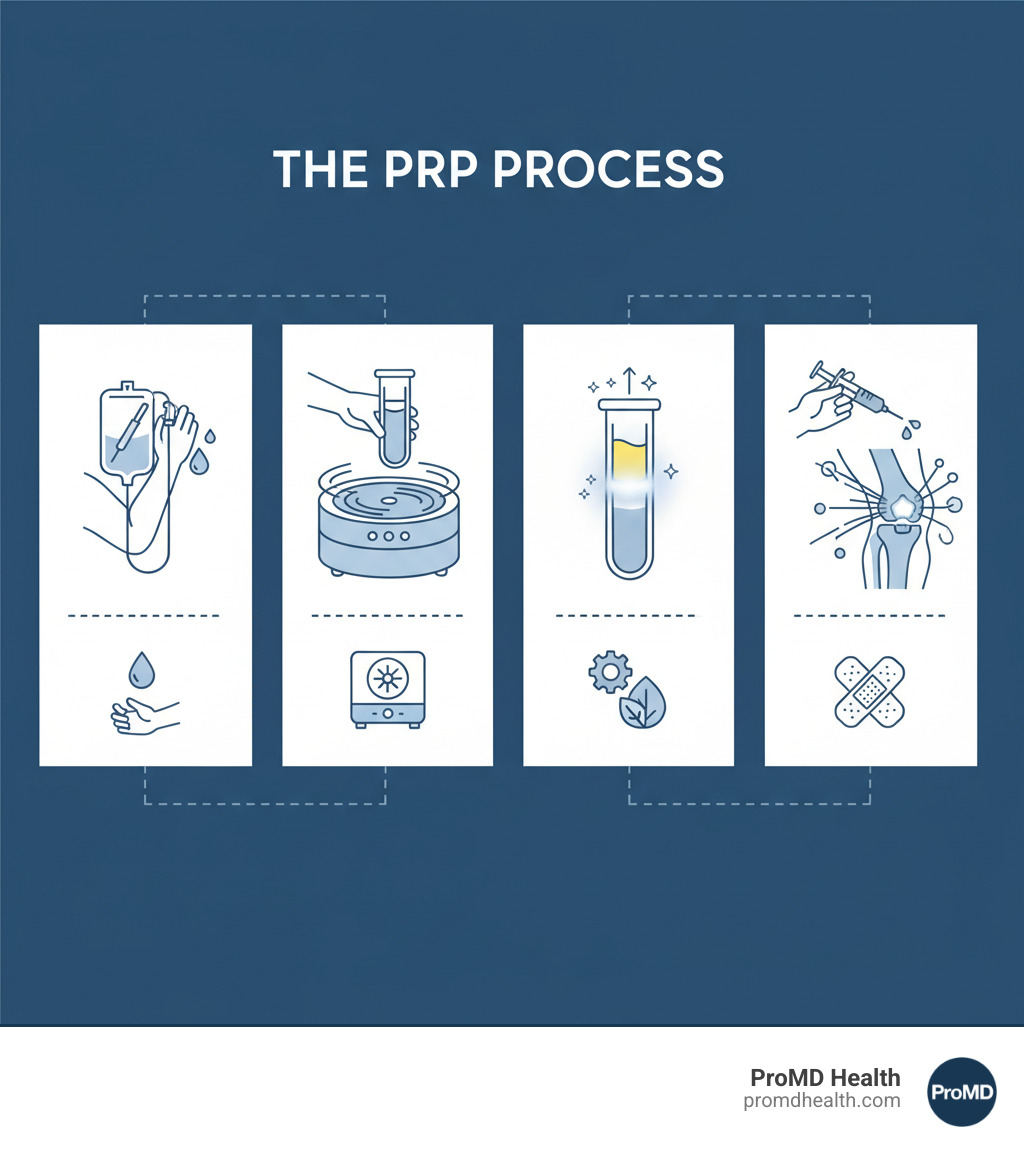
Creating PRP is a straightforward process that takes less than an hour in our clinic.
- Blood Draw: We start with a simple blood draw from your arm, similar to routine lab work.
- Centrifugation: We place your blood into a centrifuge, which spins at high speeds to separate the components by density. The heavy red blood cells sink, the lighter plasma rises, and a platelet-rich layer forms in between.
- Extraction: We carefully extract this golden, platelet-rich layer—the PRP—which contains all the powerful growth factors.
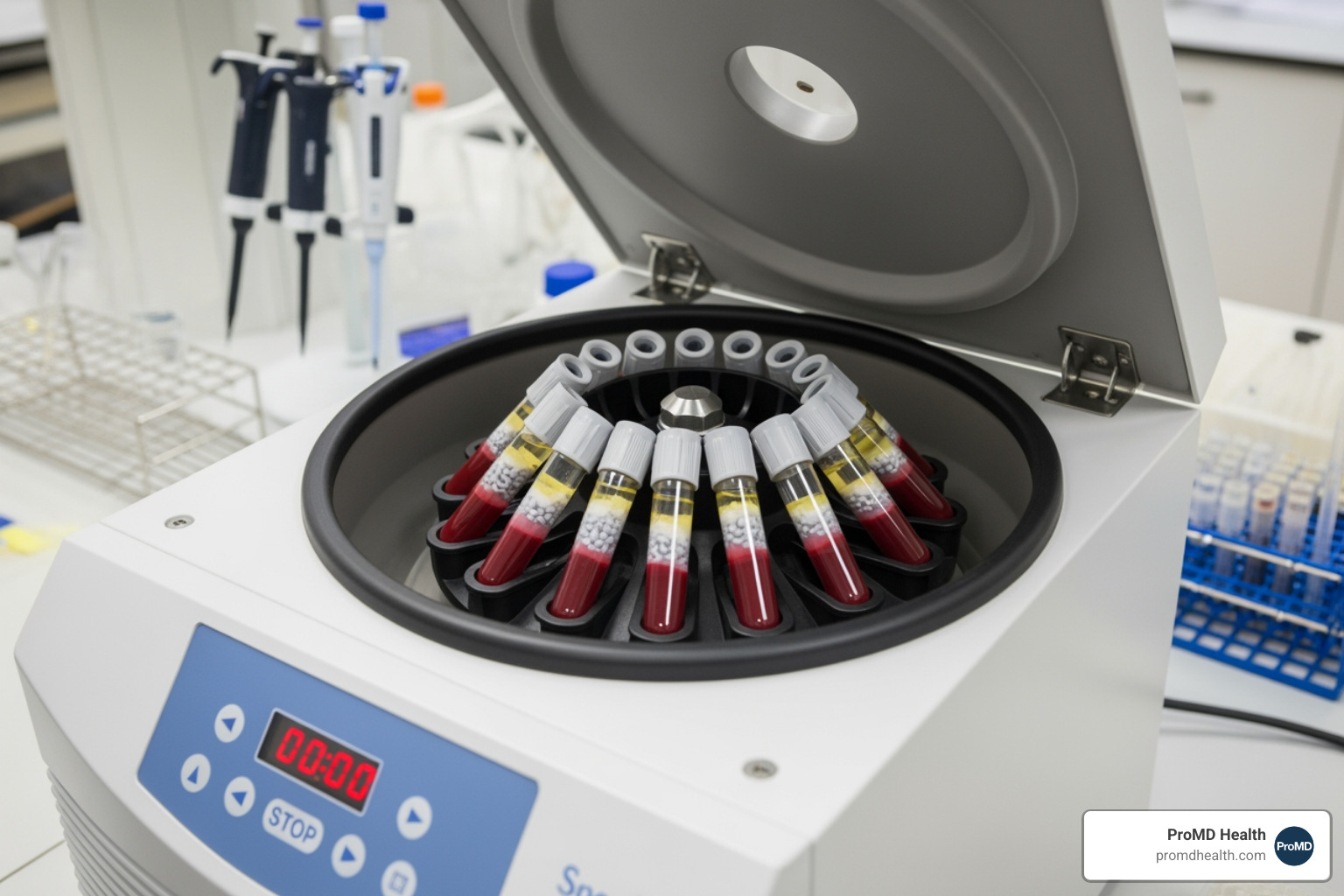
- Preparation: The PRP is drawn into a syringe, ready for precise injection into the treatment area. Because we use your own blood, processed fresh in our facility, there’s virtually no risk of allergic reaction or rejection.
A Versatile Healer: Common Applications of PRP Therapy
Now that you know what is PRP, let’s explore its versatile applications. Because it taps into your body’s core healing mechanisms, it can address everything from chronic pain to aesthetic concerns. At ProMD Health, we see how PRP helps patients “Look Younger and Feel Younger” by promoting regeneration from within. For a comprehensive look at its uses, explore The many benefits of PRP treatment.
Rejuvenating Your Appearance: PRP for Skin and Hair
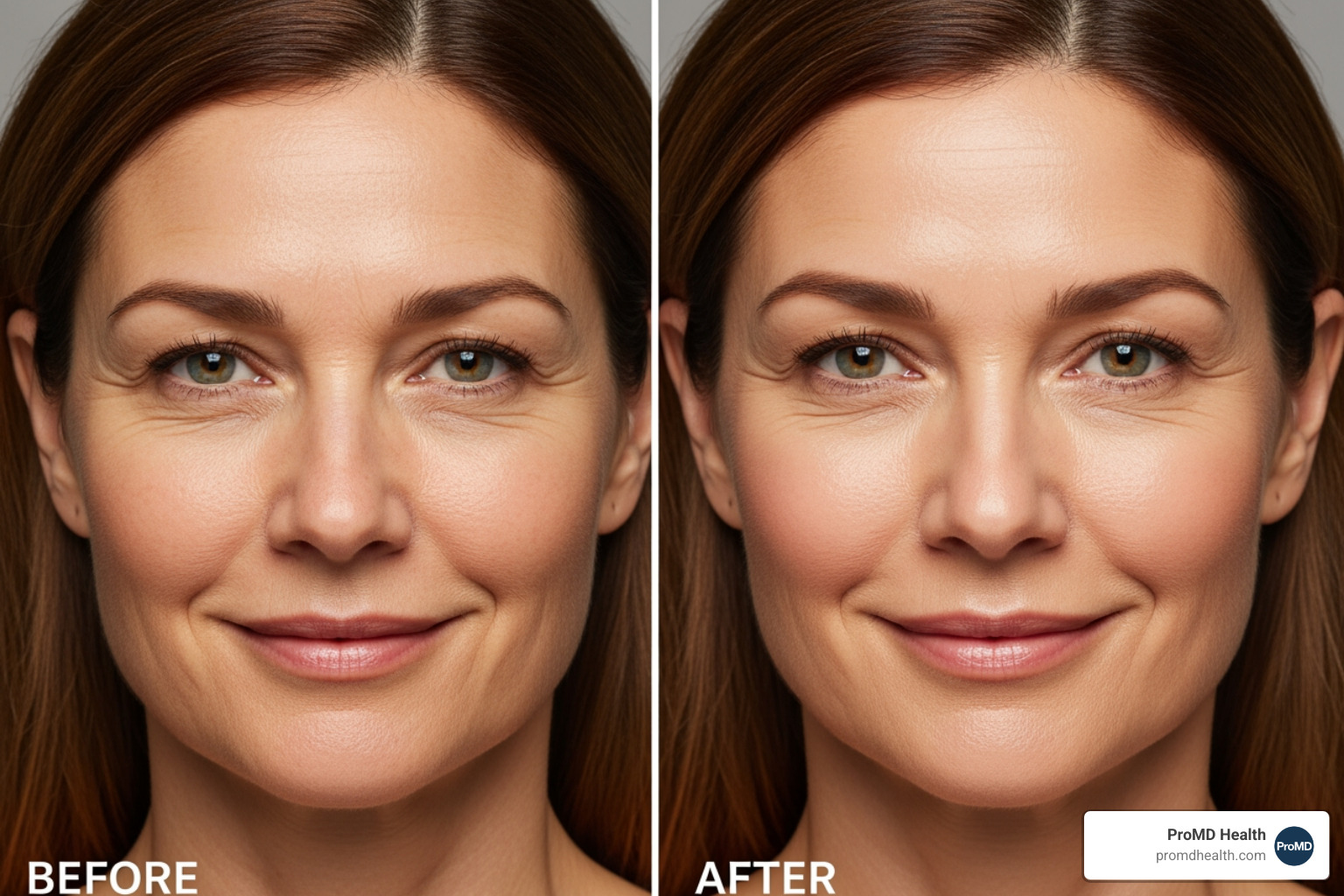
PRP offers a powerful way to turn back the clock on skin and hair using your own biology. For skin rejuvenation, concentrated growth factors stimulate collagen production and cell turnover. This leads to improved skin texture and tone, a reduction in fine lines and wrinkles, and a refreshed appearance, even helping with concerns like dark under-eye circles. The popular “vampire facial” combines PRP with microneedling to improve these results. Learn how to Rejuvenate your skin with PRP treatments.
For hair loss, particularly male or female pattern baldness (androgenetic alopecia), PRP is an effective solution. When injected into the scalp, growth factors increase blood supply to dormant hair follicles and extend their growth phase. This results in stimulated hair growth and improved hair density, making hair appear thicker and fuller. It can also speed up healing after hair transplants. Learn about PRP for hair loss to see if it’s right for you.
Healing from Within: PRP for Musculoskeletal and Sports Injuries
Beyond aesthetics, PRP has earned serious respect in orthopedic and sports medicine for healing injuries that resist traditional treatments.
- Osteoarthritis: For wear and tear in the knee, hip, and shoulder, PRP can promote cartilage health and reduce inflammation, easing pain and improving function.
- Chronic Tendon Injuries: Conditions like tennis elbow, Achilles tendinitis, and jumper’s knee respond well to PRP, which repairs damaged tendon tissue at a cellular level instead of just masking pain.
- Acute Injuries: Athletes and active individuals benefit from accelerated healing for ligament sprains and muscle strains, helping them return to their activities faster.
- Post-Surgical Healing: Surgeons may use PRP during procedures like rotator cuff repairs to improve tissue healing and speed up rehabilitation.
Enhancing Wellness and Vitality
PRP’s regenerative abilities also extend to sexual wellness, offering discreet solutions for common concerns. For men, PRP can improve blood flow and stimulate tissue regeneration to address erectile dysfunction and Peyronie’s disease, or simply to improve overall sexual performance. For women, the O-Shot uses PRP to improve sensation, arousal, and lubrication, while also providing relief for some from stress urinary incontinence. While research is ongoing for some applications, the principle is the same: using your body’s growth factors to restore function. You can Improve sexual performance with the PRP shot in a comfortable, professional environment.
The PRP Procedure: What to Expect from Start to Finish
Your PRP journey at ProMD Health is a clear, supportive process. We want you to feel comfortable and confident, so here’s a walkthrough of what to expect.

Your Step-by-Step Guide: What is PRP treatment like?
Your PRP treatment is designed to be straightforward, typically completed in under an hour.
- Consultation: We start by discussing your health history and goals to determine if PRP is the right fit. This is your time to ask any questions.
- Pre-Treatment Prep: We’ll provide simple instructions, the most important being to avoid anti-inflammatory medications (NSAIDs) like ibuprofen for about two weeks beforehand, as they can interfere with the healing process PRP initiates.
- Injection Appointment: On the day, we draw a small amount of blood and process it in a centrifuge to create your PRP. We then prepare the treatment area, applying a topical numbing cream or local anesthetic for your comfort. For joint and musculoskeletal treatments, we use ultrasound guidance to ensure the PRP is delivered with absolute precision to the target tissue.
- Post-Procedure Care: After the injection, we’ll give you detailed aftercare instructions, including activity modifications and pain management tips (acetaminophen is fine, but continue to avoid NSAIDs). For aesthetic treatments, find out What to expect after microneedling with PRP.
Recovery and Results Timeline
PRP works with your body’s natural healing timeline, so results are not instant. Think of it as planting a seed and giving it time to grow.
- First 1-3 Days: You may experience soreness and swelling at the injection site. This is a good sign—it’s the inflammatory phase that kicks off healing. We recommend taking it easy and using ice to manage discomfort.
- 4-6 Weeks: Many patients begin to notice significant improvements in pain and function as tissues actively repair.
- Up to 9 Months: Healing continues long after your appointment. For tendon injuries, full recovery can take three to six months as your body replaces damaged tissue with healthy new tissue.
How long do results last? This varies. For conditions like knee osteoarthritis, effects can last up to two years. Aesthetic treatments may require periodic maintenance. We will create a personalized plan and schedule follow-ups to monitor your progress. For more on recovery, see What is the downtime after PRP hair treatment?.
Is PRP Right for You? Benefits, Risks, and Comparisons
Choosing a medical treatment is a personal decision. At ProMD Health, we partner with you to find solutions that fit your unique goals. What is PRP going to do for you? We’ll explore that together in your consultation, as every person’s body responds differently. To help guide your thinking, you can explore Is PRP right for you?.
The Potential Benefits of PRP Therapy
PRP offers compelling advantages over many traditional treatments.
- Safe and Natural: Because PRP uses your own blood, the risk of allergic reactions, disease transmission, or rejection is virtually eliminated.
- Minimally Invasive: The procedure involves a simple blood draw and targeted injections, meaning a much faster return to daily life compared to surgery.
- Reduced Need for Other Interventions: PRP can help patients avoid or delay invasive surgery and reduce reliance on long-term medications like opioids or NSAIDs.
- Potential for Long-Lasting Relief: PRP aims to heal the root cause of an issue, not just mask symptoms. By stimulating tissue regeneration, it can provide improvements that last from six months to two years or more. Learn more about What are the benefits of getting a PRP shot?.
Understanding the Risks and Who Should Avoid PRP
While PRP has an excellent safety profile, it’s important to understand the potential downsides. The most common side effects are temporary and mild, including soreness, bruising, and swelling at the injection site. These are normal signs of the healing process beginning. Serious complications like infection or nerve damage are rare, especially when performed by an experienced practitioner using sterile techniques and ultrasound guidance.
PRP is not for everyone. You may not be a good candidate if you have certain conditions, including:
- Blood disorders (like low platelet counts)
- Active cancer
- Active infections
- Severe anemia
- Pregnancy
Full transparency about your medical history during your consultation is essential for your safety and for ensuring the treatment is likely to be effective for you.
How PRP Compares to Other Treatments Offered at ProMD Health
At ProMD Health, we offer a range of treatments and believe in finding the right one for you. Here’s how PRP compares to other common injection therapies:
- Corticosteroid Injections: These provide rapid but short-lived pain relief by suppressing inflammation. They mask symptoms but do not promote healing and can weaken tissues with repeated use.
- Hyaluronic Acid (HA) Injections: Often used for osteoarthritis, HA acts as a joint lubricant to reduce pain and improve function for several months. Like steroids, HA focuses on symptom relief, not tissue repair.
What is PRP doing differently? Its fundamental goal is to heal, not just manage symptoms. By triggering your body’s own regenerative processes, PRP works to repair the underlying problem. While results take longer to appear (typically 4-6 weeks), the benefits are often more durable because they come from actual tissue restoration.
For some, PRP is a perfect standalone treatment. For others, it’s part of a broader strategy combined with physical therapy or other regenerative options. Our goal is to help you achieve lasting improvements, and we’ll honestly discuss all options to help you make the best choice for your health.
Frequently Asked Questions about PRP Therapy
We know you might have more questions about what is PRP. Here are answers to some of the most common concerns.
Is PRP treatment painful?
Most patients find the treatment very manageable. The blood draw is a quick pinch. For the injection, we use a topical numbing cream or local anesthetic to minimize discomfort. You might feel some pressure, but it shouldn’t be painful. It’s normal to experience mild to moderate soreness at the injection site for a few days afterward—this is a sign the healing process has begun. The discomfort is temporary and most patients tell us it was much easier than they expected.
How many PRP treatments will I need?
The number of sessions depends on your condition, its severity, and your body’s response.
- For orthopedic issues like joint or tendon pain, many patients achieve significant improvement with one to three injections spaced a few weeks apart.
- For aesthetic treatments like skin rejuvenation or hair restoration, we often recommend an initial series of three to four sessions, spaced four to six weeks apart.
Periodic maintenance treatments may be recommended to sustain your results. We will create a personalized plan during your consultation.
Is PRP covered by insurance?
Unfortunately, PRP therapy is generally not covered by insurance. The procedure is still considered “investigational” for many uses by insurance companies and the FDA, even with strong clinical evidence of its effectiveness. For aesthetic purposes, it is considered an elective cosmetic procedure, which insurance does not cover. The only exception is that Medicare may cover PRP for chronic wound treatment. We are fully transparent about costs and will discuss payment options with you during your consultation.
The Future of Healing: Using Your Body’s Potential
Throughout this guide, we’ve answered what is PRP and explored how it harnesses your body’s own healing power. From the science of growth factors to its applications for joint pain, hair loss, and skin aging, PRP represents a fundamental shift in medicine.
Instead of masking symptoms, we are learning to work with your body’s natural intelligence, giving your cells the tools to repair and regenerate. This is the core of regenerative medicine—natural, minimally invasive, and focused on long-term wellness.
At ProMD Health, this philosophy guides everything we do. We are committed to helping our patients “Look Younger and Feel Younger” through innovative therapies that create lasting change. Whether you’re seeking relief from an injury, restoring your hair, or refreshing your skin, PRP might be the solution you’ve been searching for.
From our locations in Annapolis, Arlington, Ashburn, Bel Air, Bethesda, Columbia, Easton, Fort Lauderdale, Hutto, Lafayette, Lewes, Timonium, Tysons Corner, Washington, Wellington, and Westminster, we bring cutting-edge regenerative medicine to communities across Maryland, Virginia, Florida, Texas, Colorado, Delaware, and the District of Columbia.
If you’re ready to explore what your body can do with the right support, it’s time to take the next step. PRP is about open uping your potential for true healing and rejuvenation. We invite you to start a conversation with us about your goals. Explore our plasma skin rejuvenation services and find out how we can help you feel confident and vibrant again.