
How to lose weight: 5 Simple, Effective Steps
Why Learning How to Lose Weight Changes Everything
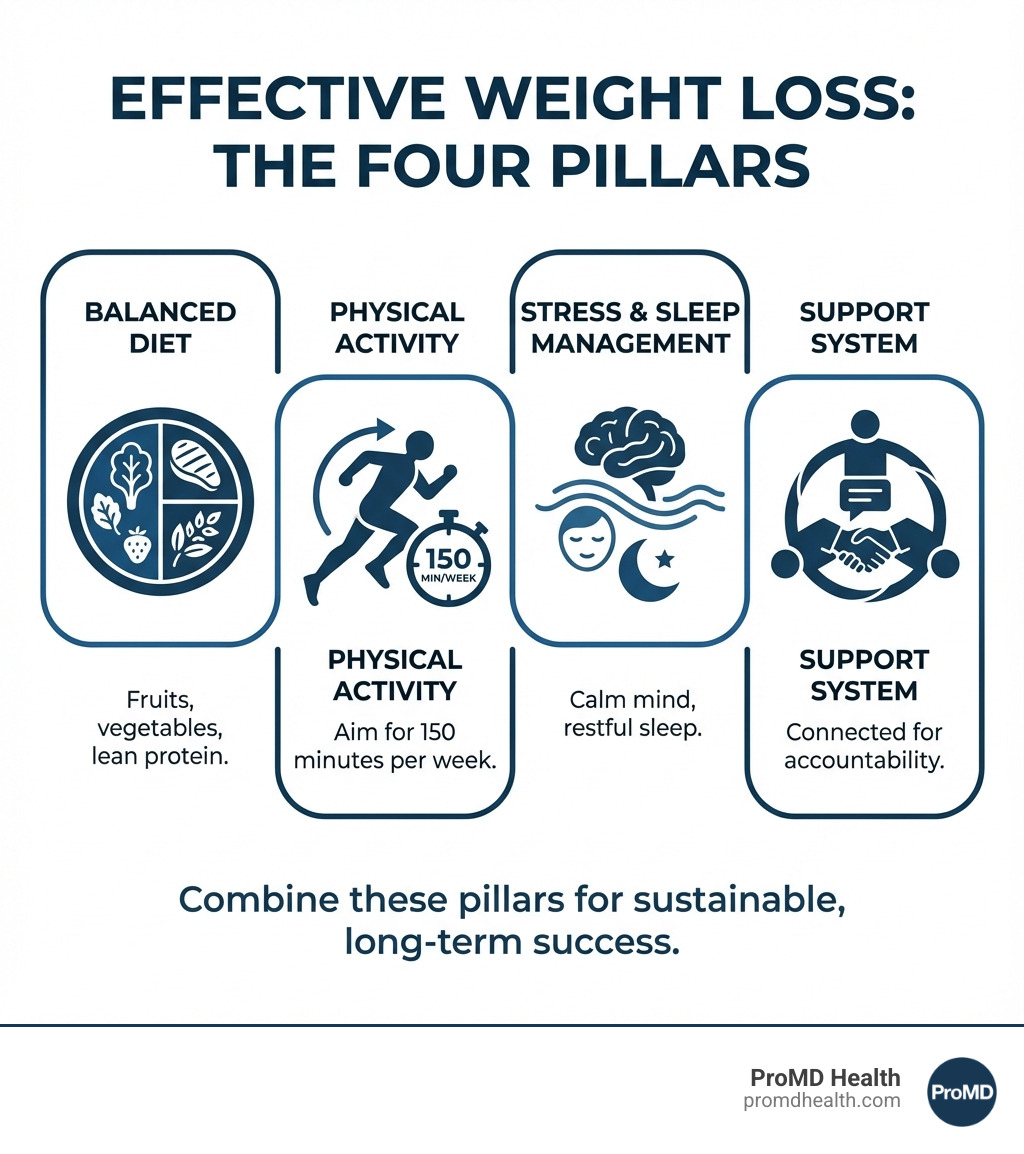
How to lose weight effectively involves combining four key pillars: eating a balanced, lower-calorie diet, engaging in regular physical activity (150+ minutes per week), managing stress and sleep, and building a strong support system. Most adults should aim to lose 1-2 pounds per week through a calorie deficit of 500-750 calories per day. Even modest weight loss of just 5% of your body weight can significantly improve blood pressure, cholesterol, and blood sugar levels.
If you’ve ever looked in the mirror and thought, “How did I get here?”—you’re not alone. Over 40% of adults in the U.S. live with obesity, and countless others struggle with those stubborn extra pounds that just won’t budge. Maybe you’ve tried the latest fad diet or a quick-fix program that promised overnight results. But here’s the truth: sustainable weight loss isn’t about deprivation or magic pills. It’s about making lasting lifestyle changes that you can maintain for years to come.
The good news? Even losing a small amount of weight—just 5% of your current body weight—can lead to powerful health benefits. For someone weighing 180 pounds, that’s only 9 pounds. This modest change can lower your risk of heart disease, type 2 diabetes, and other chronic conditions while boosting your energy, mood, and confidence.
Weight loss is fundamentally a balancing act. It comes down to burning more calories than you consume, but it’s also about how you achieve that balance. Crash diets and extreme exercise regimens rarely work long-term. Instead, the most successful approach involves gradual changes: eating more whole foods, moving your body regularly, getting enough sleep, and managing stress.
As Scott Melamed, President and CEO of ProMD Health with a Master’s in Biotechnology from Johns Hopkins and years of experience helping patients achieve sustainable wellness, I’ve seen how to lose weight through evidence-based, medically supervised strategies that prioritize long-term health over quick fixes. In this guide, I’ll walk you through the proven, practical steps that can help you open up your best self—one sustainable choice at a time.
The Foundation: Setting Goals and Cultivating a Winning Mindset
Starting on a weight loss journey is more than just deciding to eat less and move more; it’s a profound commitment to yourself. Before we dive into the “how-to,” let’s take a moment to understand the crucial mental preparation involved.
First, we need to assess our readiness. Ask yourself: Are we truly ready to make lasting lifestyle changes? Do we have a strong desire to change habits? Are we currently too distracted by other pressures, or do we use food to cope with stress? Understanding our current relationship with food and activity, and our coping mechanisms, is vital. We need to be willing to learn new ways to manage stress and commit to altering our eating and activity habits. Can we spend the time it takes to make these changes? Answering these questions honestly helps us build a solid mental foundation.
Next, we encourage you to find your “why.” What is the burning desire that will keep you committed to your plan? Is it to reduce the risk of heart disease and type 2 diabetes? To feel more energetic and play with your children or grandchildren? To improve your mood and sleep? Write down these reasons. Place them where you’ll see them daily. Your “why” will be your anchor when motivation wanes.
Once we understand our motivation, we can set goals. We advocate for SMART goals: Specific, Measurable, Achievable, Relevant, and Time-bound. Instead of a vague “exercise more,” aim for “Walk 30 minutes, 3 days a week for the first month.” We also differentiate between action goals and outcome goals. Action goals are the healthy actions you’ll take (e.g., “Drink water instead of soda at dinner”), while outcome goals are what you want to achieve (e.g., “Lose 10 pounds”). Focusing on action goals helps build the habits that lead to successful outcome goals.

Creating Your Personalized Weight Loss Blueprint
Once our mindset is aligned, we can begin to craft a practical plan. A reasonable and sustainable pace for how to lose weight is about 1 to 2 pounds per week. This gradual approach makes you more likely to keep the weight off long-term. To achieve this, we aim to create a calorie deficit of about 500 to 750 calories more than we take in each day. This doesn’t mean starvation; it means making smarter choices that fuel our bodies efficiently.
One of the most powerful tools for creating this blueprint is tracking. Keeping a detailed record of our food intake and physical activity helps us become more aware of our habits. We can use a journal, a mobile app, or even a simple notebook. Beyond food and exercise, we also encourage tracking sleep and stress levels. This holistic view helps us identify patterns and areas for improvement. For instance, we might find that lack of sleep or high stress levels lead to unhealthy eating choices.
Accountability is another cornerstone of success. Share your goals with a trusted friend, family member, or a healthcare professional. Having someone to check in with can provide immense support and keep you motivated. It’s about building a supportive network, not facing judgment.
As we begin this journey, even modest changes can lead to significant improvements. Losing 5% of your current weight, for example, can notably lower your risk of some long-term health conditions. It’s a journey of small, consistent steps.
For more detailed guidance on initiating your weight management journey, we invite you to explore our resources on getting started with weight management.
The Overlooked Keys: Stress Management and Quality Sleep
Often underestimated, stress and sleep play crucial roles in our ability to manage weight. When we’re stressed, our bodies release cortisol, a hormone that can increase appetite and encourage fat storage, particularly around the belly. Chronic stress can lead to emotional eating, where we turn to food for comfort rather than hunger. Learning healthy ways to cope with stress, such as mindfulness, meditation, or engaging in hobbies, is essential.
Similarly, adequate sleep is not a luxury but a necessity for weight management. Sleep deprivation disrupts hormones that regulate appetite. Ghrelin, the “hunger hormone,” increases, while leptin, the “satiety hormone,” decreases. This imbalance can lead to increased cravings for high-calorie foods and a reduced feeling of fullness, making it harder to lose weight. Aim for 7-9 hours of quality sleep per night. Establishing a consistent sleep schedule, creating a relaxing bedtime routine, and avoiding screens before bed can significantly improve sleep hygiene.
Managing stress and prioritizing sleep are not just about feeling better; they are integral components of our weight loss strategy. They help regulate our hormones, reduce cravings, and give us the mental and physical energy needed to make healthy choices. We encourage you to explore insights on overall well-being by tuning into a Health Matters Podcast.
Fueling for Success: A Practical Guide to Weight Loss Nutrition
When we talk about how to lose weight, nutrition is often the first thing that comes to mind, and for good reason. What we eat directly impacts our calorie intake, energy levels, and overall health. Our approach focuses on whole, nutrient-dense foods that keep us feeling full and satisfied, rather than restrictive diets that leave us feeling deprived.
At its core, successful weight loss nutrition is about calorie quality. While a calorie deficit is necessary, the source of those calories matters immensely. Eating 100 calories of processed cookies is very different from 100 calories of an apple. Processed foods often contain more fat, sugar, or salt, leading to less satiety and more cravings. We prioritize whole foods—fruits, vegetables, lean proteins, and whole grains—which are rich in fiber, vitamins, and minerals.
Understanding macronutrients—protein, carbohydrates, and fats—is also beneficial. Protein helps us feel full and preserves muscle mass during weight loss. Complex carbohydrates provide sustained energy and fiber. Healthy fats, consumed in moderation, are crucial for hormone function and satiety.
Don’t forget hydration! Drinking plenty of water throughout the day is essential. It helps with metabolism, can reduce feelings of hunger, and is vital for overall bodily functions. Sometimes, what we perceive as hunger is actually thirst.

What to Eat When You Want to Lose Weight
Let’s get specific about what to put on our plates. Our goal is to nourish our bodies while creating that necessary calorie deficit.
- Lean Protein: Include sources like chicken breast, turkey, fish, eggs, beans, lentils, and tofu. Protein helps us feel full, reduces cravings, and supports muscle maintenance.
- Complex Carbohydrates: Opt for whole grains like brown rice, quinoa, oats, whole-wheat bread, and starchy vegetables like sweet potatoes. These provide sustained energy and fiber, unlike refined carbs that cause blood sugar spikes.
- Healthy Fats: Incorporate small amounts of avocados, nuts, seeds, and olive oil. While calorie-dense, these fats are crucial for health and satiety.
- Fiber-Rich Vegetables and Fruits: These are our best friends! They are low in calories, high in nutrients, and packed with fiber, which aids digestion and keeps us feeling full. Aim for at least four servings of vegetables and three servings of fruits a day. Fill half your plate with non-starchy vegetables at every meal.
When it comes to meal planning, finding a pattern that includes healthy foods you enjoy is key to long-term adherence. Both the Mediterranean diet and the DASH meal plan are excellent examples. They emphasize whole grains, vegetables, fruits, lean protein, and some dairy products. The USDA MyPlate Plan is also a free tool that can help you develop a healthy meal plan custom to your needs.
Mastering Portions and Making Smart Choices Anywhere
Even with healthy food choices, portion control remains a critical component of how to lose weight. It’s easy to overeat, especially when we’re not paying attention. Here are some strategies we find effective:
- Use Smaller Plates: A simple trick: use a nine-inch plate or smaller. This makes your portion look larger, tricking your brain into feeling more satisfied.
- Mindful Eating: Slow down! Savor each bite, pay attention to the flavors and textures, and put your fork down between bites. Avoid distractions like TV or phones while eating. This helps us recognize our body’s fullness cues.
- Pre-Portion Snacks: Instead of eating directly from a large bag, portion out your snacks into small bowls or bags. This prevents mindless overconsumption.
- Read Nutrition Labels: Understanding serving sizes and nutritional content empowers us to make informed decisions about what we’re consuming.
- Healthy Swaps: Instead of sugary drinks, choose water or unsweetened tea. Swap refined grains for whole grains. Replace unhealthy fats with healthier options. Small swaps can make a big difference over time.
- Tips for Dining Out: Restaurants often serve oversized portions. Consider splitting an entrée with a friend, asking for a to-go box at the beginning of the meal, or ordering an appetizer as your main course. Fill up on lower-calorie options like salads (with dressing on the side) or steamed vegetables first. Don’t be afraid to ask for modifications to your meal, such as grilled instead of fried.
Managing our food environment, whether at home or out, is crucial for consistent progress.
Move Your Body: How to Lose Weight with Effective Exercise
Alongside nutrition, physical activity is a non-negotiable pillar when learning how to lose weight and keep it off. It’s not just about burning calories during your workout; it’s about boosting your metabolism, improving your mood, and enhancing your overall health.
Regular physical activity helps us burn more calories than we consume, contributing directly to that essential calorie deficit. But the benefits extend far beyond the numbers on the scale. Exercise helps build and maintain muscle mass, which is metabolically active and burns more calories at rest than fat. It improves cardiovascular health, lowers blood pressure, and can even help manage blood sugar levels, especially beneficial for individuals with conditions like diabetes. Furthermore, physical activity releases endorphins, natural mood boosters that can combat stress and improve sleep—two factors we’ve already identified as crucial for weight management.
Building Your Weekly Fitness Routine
So, how much and what type of physical activity should we aim for? We recommend a balanced approach that includes both aerobic exercise and strength training.
-
Aerobic Exercise: This type of activity increases your heart rate and breathing, strengthening your heart and lungs. Examples include brisk walking, jogging, swimming, cycling, dancing, or using an elliptical machine. We aim for at least 150 minutes of moderate-intensity aerobic activity per week, or 75 minutes of vigorous-intensity aerobic activity, or a combination of both. Spread this activity throughout the week rather than trying to cram it all into one or two sessions. Even short bursts of activity, like taking the stairs instead of the elevator or parking further away, add up! For more ideas on effective aerobic exercises, check out this guide on Aerobic exercises.
-
Strength Training: Don’t skip the weights! Strength training builds muscle mass, which helps increase your metabolism, meaning your body burns more calories even when you’re at rest. It also improves bone density and overall functional strength. We recommend incorporating strength exercises two or more days per week. Options include bodyweight exercises (like push-ups, squats, lunges), resistance bands, free weights, or weight machines. You can find more in-depth information on Strength training to get started.
The key is to find activities you genuinely enjoy. If you dread your workouts, you’re less likely to stick with them. Experiment with different options until you find something that feels fun and sustainable. Whether it’s a brisk walk in a local park in Annapolis, a cycling class in Arlington, or swimming laps in Fort Lauderdale, consistency is your best friend.
For personalized fitness guidance and support to help you integrate effective exercise into your routine, consider exploring our Promd Fit program.
Advancing Your Journey: Medical Support for Weight Loss
While lifestyle changes are the bedrock of sustainable weight loss, there are times when individuals need additional support. If you’ve consistently struggled to lose weight despite dedicated efforts, or if you have significant health concerns related to your weight, seeking professional medical guidance can be a game-changer.
We understand that weight loss can be a complex journey, influenced by various factors beyond diet and exercise, such as genetics, hormones, medical conditions, and even certain medications. This is where the expertise of healthcare professionals becomes invaluable. They can help you identify underlying issues, develop a safe and effective plan, and provide ongoing support and accountability.
The Role of Medically Supervised Weight Loss
A medically supervised weight loss program offers a comprehensive and personalized approach that goes beyond generic advice. Here at ProMD Health, we provide structured programs custom to your unique health profile and goals.
The benefits of participating in such a program are numerous:
- Personalized Plans: We start with a thorough assessment, which may include lab testing to identify any underlying medical issues contributing to weight gain, such as thyroid problems, insulin resistance, or adrenal dysfunction. This allows us to create a plan that addresses your specific needs.
- Expert Guidance: Our healthcare professionals can help you adopt lifestyle changes safely and effectively, providing evidence-based strategies for nutrition, physical activity, and behavioral modifications.
- Accountability and Support: Regular check-ins with a medical team provide ongoing encouragement, help you stay on track, and steer challenges.
- Overcoming Plateaus: When progress stalls, medical professionals can help troubleshoot, adjust your plan, and explore new strategies to keep you moving forward.
- Health Condition Management: For individuals with health conditions like diabetes or heart disease, even modest weight loss (5% of body weight) can significantly improve health markers like blood pressure, cholesterol, and blood sugar levels, potentially lowering the risk for chronic diseases. Our programs are designed to optimize these outcomes.
Healthcare professionals can help you adopt lifestyle changes that may help you lose excess weight safely and keep it off over the long term. You can learn more about choosing a safe and successful program by visiting the NIDDK website. The advantages of medically supervised weight loss are clear, and we’ve seen them transform lives. For a deeper dive into how a structured program can benefit you, read about the advantages of medically supervised weight loss and the benefits of weight management for health conditions.
Understanding Modern Treatments: Medications and Advanced Therapies
In some cases, lifestyle changes alone may not be enough, especially for individuals with significant obesity or weight-related health conditions. Modern medicine offers prescription medications that, when combined with diet and exercise, can significantly aid in weight loss and maintenance.
One notable advancement is the development of GLP-1 medications. These medications work by mimicking a natural hormone that targets areas of the brain involved in appetite regulation, leading to reduced hunger and increased feelings of fullness. Some GLP-1 medications are FDA-approved for long-term weight management in individuals with general obesity or who are overweight with at least one weight-related illness (e.g., high blood pressure, type 2 diabetes, high cholesterol). This was a significant development, being the first drug approval for long-term weight management since 2014. These medications are a powerful tool in our arsenal, but they are always prescribed as part of a comprehensive plan that includes dietary changes and physical activity.
For individuals with severe obesity, bariatric surgery may be an option. This involves surgical procedures that alter the digestive system to limit food intake and/or nutrient absorption, leading to significant and sustained weight loss. Like medications, surgery is considered after careful evaluation and typically when other weight loss methods have not been successful, and it always requires significant lifestyle changes post-operation.
At ProMD Health, we offer a range of advanced therapies, including GLP-1 medications, as part of our medically supervised weight loss programs. We prioritize a personalized approach, ensuring that any medical intervention is carefully considered, explained, and monitored by our healthcare team. We believe in empowering our patients with all available tools to achieve their health goals. To learn more about these innovations, explore The Future of Weight Loss: Unlocking the Power of GLP-1 Medications & Metabolic Health. It’s crucial to consult with a healthcare professional to discuss the potential benefits and risks of medications or surgery, as they are not suitable for everyone.
Frequently Asked Questions about How to Lose Weight
We often hear similar questions from our patients as they start on their weight loss journey. Let’s address some of the most common ones.
How much weight can I realistically lose in a month?
When we talk about how to lose weight sustainably, a realistic and healthy rate is 1 to 2 pounds per week. This means that in a month, you can expect to lose between 4 to 8 pounds. While it might not sound like a dramatic number, this gradual pace is crucial. People who lose weight steadily are far more likely to keep it off long-term compared to those who pursue rapid weight loss. Our focus is always on building sustainable habits that support lifelong health, not just quick fixes.
Do I have to cut out carbs to lose weight?
Absolutely not! This is a common misconception. Carbohydrates are not inherently “bad” and play an important role in our diet, providing energy. The key is to differentiate between complex carbohydrates and refined carbohydrates. Complex carbs, found in whole grains, fruits, and vegetables, are rich in fiber and nutrients, providing sustained energy and satiety. Refined carbs, found in white bread, sugary drinks, and processed snacks, offer little nutritional value and can lead to energy crashes and increased hunger. We advocate for choosing quality carbohydrates in appropriate portions, not eliminating them entirely. A balanced diet, like the DASH meal plan, includes whole grains as a healthy component.
What’s the best way to stay motivated?
Motivation can ebb and flow, and that’s perfectly normal. The best strategies for sustained motivation involve a combination of self-reflection, tracking, and support:
- Revisit Your “Why”: Regularly remind yourself of the deep, personal reasons you started this journey. Keep your list handy and review it when you feel discouraged.
- Track Your Progress: Seeing how far you’ve come can be incredibly motivating. This isn’t just about the scale; track your energy levels, how your clothes fit, your mood, and your physical endurance. Celebrate non-scale victories!
- Non-Food Rewards: When you reach a milestone, reward yourself with something that isn’t food. This could be a new book, a massage, new workout gear, or a fun outing with friends.
- Find a Support System: Surround yourself with people who uplift and encourage you. This could be friends, family, a support group, or your healthcare team. Sharing your journey makes it less daunting and more enjoyable.
- Learn from Setbacks: Everyone experiences setbacks. The important thing is not to view them as failures, but as learning opportunities. Understand what triggered the setback, adjust your strategy, and get back on track the very next day.
Conclusion: Maintaining Your Success and Living Your Best Life
Starting on the journey of how to lose weight is a significant step towards a healthier, more vibrant you. We’ve explored the foundational pillars of this change: cultivating a winning mindset, fueling your body with nutritious foods, engaging in regular physical activity, and leveraging medical support when needed. This isn’t about perfection; it’s about progress, consistency, and making sustainable choices that fit into your life.
Weight loss is not a destination but a lifestyle. It’s about building new habits, understanding your body, and nurturing your overall well-being. There will be challenges and setbacks—that’s part of any meaningful journey. But with the right mindset, a well-structured plan, and a strong support system, you have everything you need to overcome them.
At ProMD Health, we are dedicated to helping you achieve and maintain your weight loss goals, ensuring you not only look younger but also feel younger. Our medically supervised programs are designed to provide the personalized guidance, advanced therapies, and unwavering support you need for lasting success. We believe in empowering you to live your best life, full of energy, health, and confidence.
Ready to take the next step and transform your health? Learn more about our comprehensive Weight Management services and find how we can partner with you on this incredible journey.