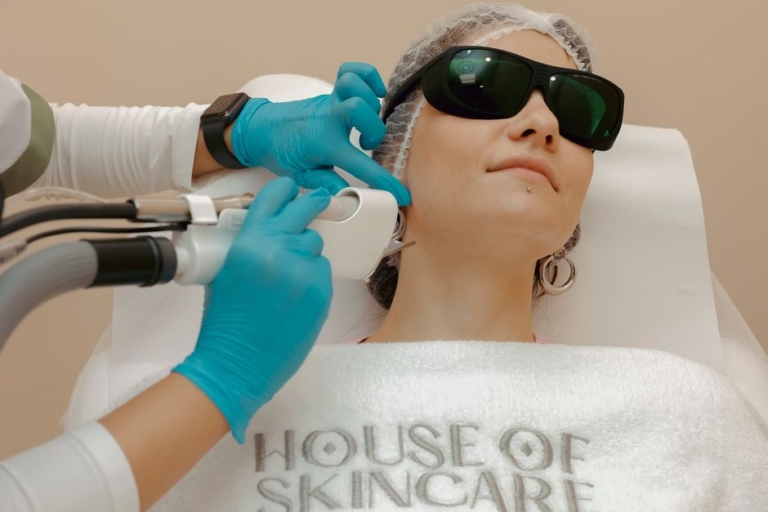
Why Finding the Right Leg Hair Removal Method Matters
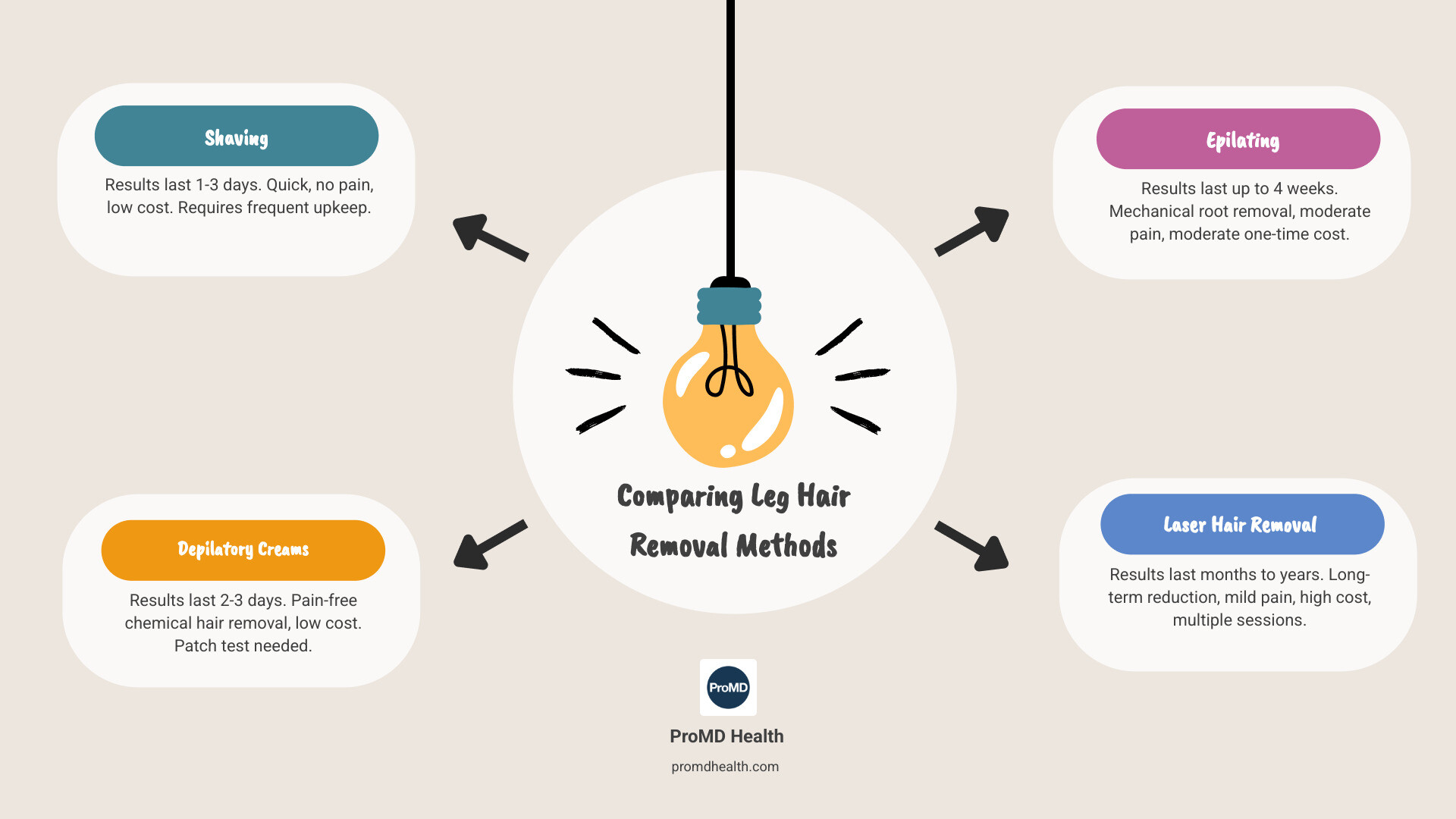
The best way to remove leg hair depends on your priorities: speed, comfort, budget, and how long you want results to last. Here’s a quick comparison of the most popular methods:
| Method | Results Last | Pain Level | Cost |
|---|---|---|---|
| Shaving | 1-3 days | None | Low |
| Depilatory Creams | 2-3 days | None | Low |
| Epilating | Up to 4 weeks | Moderate | Moderate (one-time) |
| Laser Hair Removal | Months to years | Mild | High |
Removing leg hair is a personal choice. Some people prefer the smooth feeling, while others find it more convenient for athletic activities or simply feel more confident. Whatever your reason, you have options—from quick at-home fixes to professional treatments that offer long-term reduction.
The key factors to consider are cost, pain tolerance, time commitment, and your skin type. Temporary methods like shaving and depilatory creams are fast and affordable but require frequent upkeep. Root-removal methods like epilating offer longer-lasting smoothness. Professional laser treatments provide the most dramatic, long-term reduction in hair growth.
I’m Scott Melamed, President and CEO of ProMD Health, where we help patients find personalized aesthetic solutions every day. Through my background in clinical research and healthcare management, I’ve seen how the best way to remove leg hair varies from person to person—and how the right choice can make a meaningful difference in confidence and convenience.
Temporary & At-Home Hair Removal
Sometimes, we just need a quick fix. Temporary hair removal methods are fantastic for convenience and low cost, but they do require frequent maintenance. These techniques primarily involve cutting hair at the skin’s surface, offering immediate smoothness without the commitment of longer-lasting options. They’re perfect for those spontaneous pool days or last-minute plans.
Shaving: The Quickest but Most Temporary Way to Remove Leg Hair
Shaving remains one of the most popular, affordable, and undeniably quick methods for removing body hair, especially from our legs. It’s the go-to for many of us when time is of the essence.
How it works: A razor glides across the skin, cutting the hair shaft just above the surface. It’s a simple mechanical process that delivers instant results.
Pros:
- Fast: A full leg shave can take anywhere from 10 to 20 minutes, making it incredibly efficient for busy schedules.
- Inexpensive: The initial cost of a razor and shaving cream is minimal, making it accessible to virtually everyone.
- Painless: When done correctly, shaving is completely pain-free, which is a big plus for those with low pain tolerance.
- Convenient: It can be done at home, often as part of our daily shower routine.
Cons:
- Short-lived results: The smoothness typically lasts only 1-3 days. Hair grows back quickly since it’s only cut at the surface.
- Risk of irritation: We’ve all experienced razor burn, nicks, and cuts. These minor injuries can be uncomfortable and unsightly.
- Ingrown hairs: Hair can curl back into the skin as it regrows, leading to irritating and sometimes painful ingrown hairs.
Best for: Shaving is ideal for quick fixes, daily maintenance, and suits all hair types. It’s particularly effective for fine, thin leg hair.
Cost: Low. For more general information on hair removal methods, you can refer to resources like the American Academy of Dermatology’s 7 Ways to remove unwanted hair.
Depilatory Creams: A Pain-Free Shaving Alternative
If you’re looking for a hair removal method that’s as quick as shaving but without the sharp blades, depilatory creams might be your answer. They offer a truly pain-free experience, perfect for those of us prone to razor bumps or who prefer to avoid nicks and cuts.
How it works: These creams contain special chemicals, such as thiolactic or thiomilch acids, that gently dissolve the hair shaft just below the skin’s surface. You simply apply the cream, wait a few minutes, and then wipe the hair away.
Pros:
- Painless: This is a major advantage for many. There’s no pulling, cutting, or waxing involved.
- Quick: The application and removal process is relatively fast, often taking less than 15 minutes.
- Smooth finish: Since hair is dissolved just beneath the surface, the result can feel incredibly smooth, often smoother than shaving.
- Reduces ingrown hairs: By dissolving rather than cutting or plucking, these creams can reduce the likelihood of ingrown hairs compared to shaving.
Cons:
- Strong chemical odor: Let’s be honest, many depilatory creams aren’t known for their pleasant scent, even with “new and improved” formulas.
- Short-lived results: Similar to shaving, results typically last only 2-3 days, as the hair root remains intact.
- Risk of skin irritation or burns: The chemicals can be aggressive. It’s crucial to follow instructions precisely and perform a patch test 24-48 hours before full application to check for allergic reactions or sensitivity. Leaving it on too long can cause burns.
- Messy application: It can be a bit messy, requiring careful application and removal, often best done in the bathroom.
Best for: Depilatory creams are excellent for those who want to avoid razors, especially individuals prone to razor bumps. They are readily available and inexpensive, making them a convenient at-home option for large areas like the legs.
Cost: Low.

Longer-Lasting Methods: Removing Hair from the Root
For those of us seeking a bit more longevity than shaving or creams can offer, methods that remove hair from the root are a game-changer. These techniques lead to slower regrowth, with results that can last for weeks. An added bonus? With consistent use, the hair that does regrow often appears finer and sparser over time.
Epilators: A Mechanical Approach to Smooth Legs
Epilation offers a fantastic middle ground between the temporary nature of shaving and the longer-term commitment of professional treatments. It’s an at-home device that provides weeks of smooth legs by tackling hair right from the root.
How it works: An epilator is an electrical device equipped with a series of rotating tweezers or discs that mechanically grasp and pull multiple hairs out from the follicle. Think of it as a super-efficient, motorized plucker. Many modern epilators can be used on wet or dry skin, offering added comfort.
Pros:
- Results last up to 4 weeks: This is a significant improvement over shaving, giving us weeks of stubble-free legs.
- Removes very short hairs: Unlike waxing, which often requires hair to be at least 1.5mm long, epilators can grab hairs as short as 0.5mm. This means we don’t have to wait as long between sessions.
- Less mess than waxing: There are no sticky waxes or strips to deal with, just a device to clean after use.
- Potential for finer regrowth: Over time, regular epilation can lead to less frequent hair regrowth, and the hairs that do return may be thinner and softer.
- Reduces ingrown hairs: For many, the mechanical removal can help reduce the incidence of ingrown hairs compared to shaving.
Cons:
- Can be painful, especially initially: Since hairs are being pulled from the root, there’s a definite “ouch” factor, especially for first-timers. However, most people report it’s less painful than waxing, and the discomfort tends to decrease with consistent use.
- Initial investment for the device: While it’s a one-time purchase, a good quality epilator can be a moderate upfront cost.
- Time-consuming: Epilating can take a bit longer than shaving, particularly when you’re starting out. A full leg session might take around 15-20 minutes.
Best for: Epilation is best for those who want longer-lasting smoothness at home and are comfortable with some discomfort. It’s particularly effective on legs and other less sensitive body areas.
Cost: Moderate (one-time purchase of the device).
The Best Way to Remove Leg Hair: Professional & Long-Term Reduction
When we talk about truly changing our hair removal routine, professional and long-term reduction methods stand out. These are high-tech solutions performed by trained experts, offering significant, lasting reductions in hair growth over time. If you’re tired of constant upkeep and dreaming of consistently smooth legs, this is where we start to see results.
Is Laser Hair Removal the Best Way to Remove Leg Hair Long-Term?
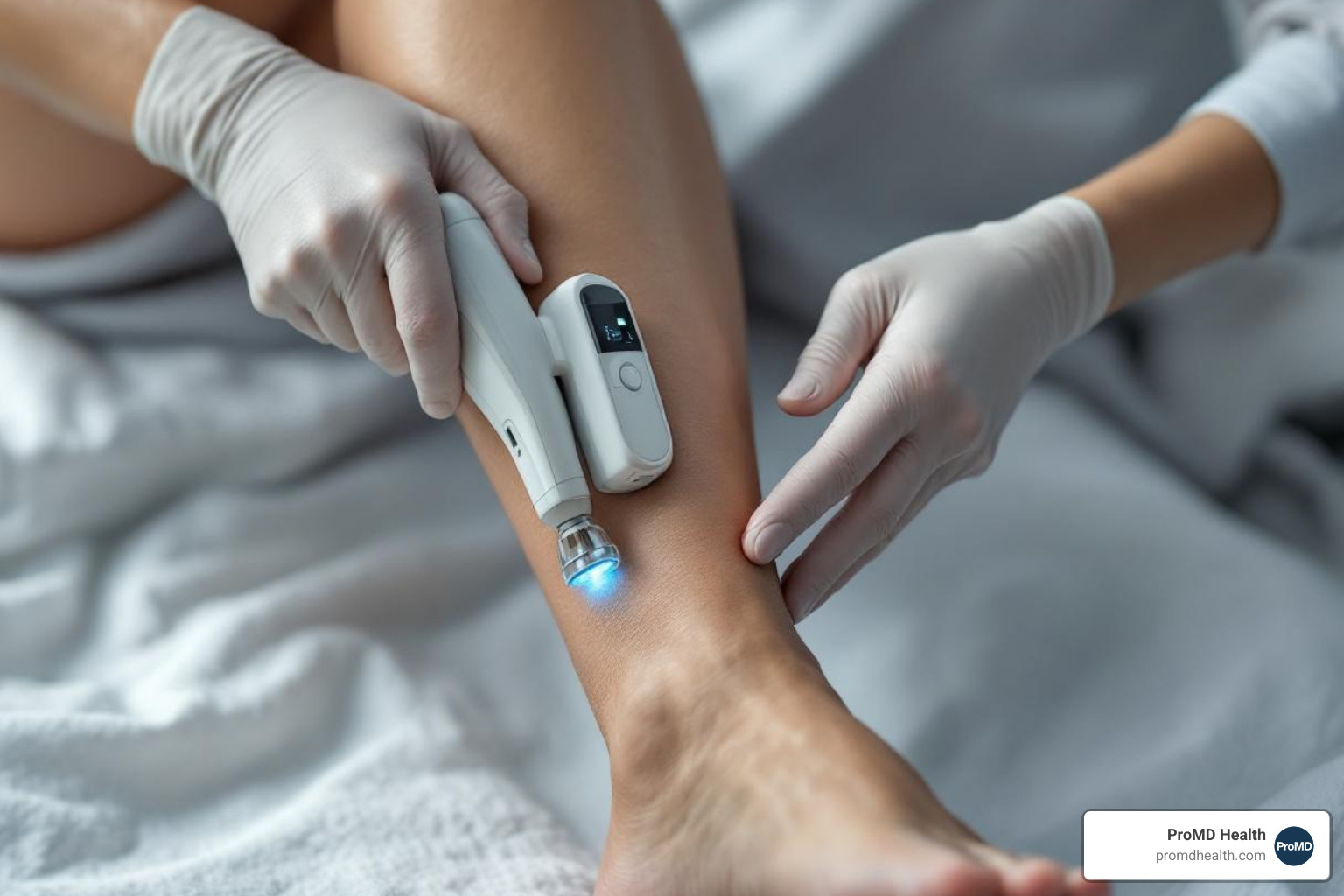
For many of us, laser hair removal represents the pinnacle of achieving lasting smoothness on our legs. It’s a medical procedure that has revolutionized hair removal, offering not just temporary solutions, but significant long-term reduction.
How it works: Laser hair removal uses a concentrated beam of light that targets the pigment (melanin) in the hair follicles. This light energy is absorbed by the melanin, converting into heat that damages the hair follicles. By destroying these follicles, the laser inhibits their ability to grow hair in the future. For the procedure to be most effective, hair follicles need to be in their active growth (anagen) stage, which is why multiple sessions are required.
Pros:
- Significant long-term hair reduction: Unlike temporary methods, laser hair removal can lead to a drastic decrease in hair growth, with results often lasting for months or even years. Many people experience 5-8 years of hair removal in the treated area.
- Fast treatment for large areas: Modern laser technology allows for quick treatment of large areas like the legs.
- Reduces ingrown hairs: By destroying the hair follicle, laser hair removal effectively eliminates the root cause of ingrown hairs, leaving skin smoother and clearer.
- Precision: Lasers can selectively target dark, coarse hairs while leaving the surrounding skin undamaged.
- Convenience: Imagine not having to shave or epilate your legs regularly. This method offers unparalleled convenience once the treatment course is complete.
Cons:
- High cost: The upfront investment for a full course of laser hair removal treatments can be substantial, often costing $400 or more per session, especially for large areas like the legs.
- Multiple sessions required: Because hair grows in cycles, several treatments (typically 2 to 6, spaced 4-16 weeks apart) are necessary to target all hair follicles in their active growth phase. Maintenance sessions might be needed every 6 months to a year.
- Most effective on dark hair and light skin: The laser works by targeting pigment. This means it’s most effective for individuals with a strong contrast between light skin and dark hair. It is less effective for light-colored hair (blonde, red, gray, white) due to low melanin content, and can pose risks like burns or pigment changes for dark skin with dark hair if not performed with the correct laser type and settings.
- Potential side effects: Common side effects include temporary skin irritation, redness, and swelling. Rarely, pigment changes (darkening or lightening of the skin), blistering, or scarring can occur.
- Sun exposure restrictions: We must avoid sun exposure before and after treatments to minimize risks and ensure efficacy.
Best for: Laser hair removal is the ultimate choice for those seeking a long-term solution to unwanted leg hair, significantly reducing regrowth and combating ingrown hairs. It’s particularly well-suited for individuals with dark hair and light skin who are prepared for the investment of time and money.
Dr. George Gavrila, MD, Founder and Medical Director of ProMD Health, emphasizes that “laser hair removal offers a transformative solution for individuals seeking a lasting reduction in unwanted hair. Our advanced technology and experienced providers across our locations in Maryland, Virginia, Florida, Texas, Colorado, and Delaware ensure personalized and effective treatments, leading to smoother skin and improved confidence for our patients.”
Cost: High.
For those interested in exploring this advanced option further, we offer More info about Aesthetics Laser services.
Pre & Post-Care: How to Prepare Your Skin for Flawless Results
No matter which leg hair removal method we choose, proper skin preparation and aftercare are absolutely crucial. These steps aren’t just about comfort; they’re about preventing common side effects like irritation, redness, and ingrown hairs, ensuring we get the best possible results and maintain healthy, happy skin.
Before Hair Removal
Think of pre-care as setting the stage for success. A little effort beforehand can make a huge difference in the outcome and comfort of your hair removal experience.
- Exfoliate 24-48 hours prior: Gentle exfoliation helps remove dead skin cells and lifts hairs, making them easier to remove and reducing the risk of ingrown hairs. This is beneficial for all methods, especially epilation.
- Cleanse skin thoroughly: Ensure your legs are clean and free of lotions, oils, or deodorants before any hair removal process. This helps the tools (razors, epilators) work effectively and prevents infection.
- Avoid sun exposure (especially for laser): For laser hair removal, avoid direct sun exposure and tanning for at least four weeks prior to your appointment. Sunburned or tanned skin can increase the risk of complications. Always use a broad-spectrum SPF 30+ sunscreen.
- Let hair grow to proper length for epilating: If you’re epilating, ensure your hair is at least 0.5mm long for the device to effectively grasp it.
- Shave for laser treatments: Paradoxically, for laser hair removal, we ask you to shave the treatment area the day before your appointment. This ensures the laser targets the follicle, not the surface hair, which can cause burns. Avoid plucking, waxing, or epilating for at least four weeks before laser, as these methods remove the root that the laser needs to target.
- Patch test new creams: Always apply a small amount of depilatory cream to an inconspicuous area of your skin 24-48 hours before full application to check for any adverse reactions.
- Moisturize (for shaving): If you’re shaving, moisturizing your skin beforehand and using a good quality shaving cream or gel helps the razor glide smoothly, preventing nicks and razor burn.
After Hair Removal
The care doesn’t stop once the hair is gone. Post-care is all about soothing your skin, preventing irritation, and protecting your fresh, smooth legs.
- Apply a soothing, fragrance-free moisturizer or aloe vera: Immediately after hair removal, your skin will appreciate a gentle, hydrating touch. Aloe vera is fantastic for its cooling and calming properties. Avoid products with harsh chemicals or fragrances that could irritate freshly treated skin.
- Avoid hot baths, saunas, and intense exercise for 24 hours: Heat and sweat can irritate open follicles or sensitive skin. Give your skin time to recover. For laser hair removal, we recommend avoiding these activities for up to 5 days.
- Wear loose-fitting clothing: Tight clothing can rub against your skin, causing friction and irritation, especially after methods that pull hair from the root.
- Use sunscreen on treated areas: This is non-negotiable, particularly after laser hair removal. Freshly treated skin is more susceptible to sun damage. Apply an SPF 30+ sunscreen daily, even on cloudy days, to protect your skin and prevent hyperpigmentation. For laser treatments, this protection is crucial for at least six weeks post-treatment.
- Apply a cool compress (for laser): If you experience any redness or discomfort after laser hair removal, a cool compress can help soothe the area.
Frequently Asked Questions about Leg Hair Removal
We know you have questions, and we’re here to provide clear, helpful answers based on our expertise and the latest insights in hair removal.
Which leg hair removal method is best for sensitive skin?
Finding the right method for sensitive skin is key to avoiding irritation and discomfort. While individual reactions vary, some methods are generally gentler:
- Electric shavers are often recommended for sensitive skin. They provide a barrier between the blade and your skin, minimizing direct contact and reducing the risk of nicks, cuts, and razor burn. This makes them a safer bet than traditional wet shaving for easily irritated skin.
- Laser hair removal can be an excellent option for sensitive skin when performed by a professional. Our experienced providers at ProMD Health can adjust the laser settings to suit your skin type and sensitivity, minimizing discomfort and irritation while still effectively targeting hair follicles. In the long run, reducing hair growth also means less frequent hair removal, which naturally benefits sensitive skin.
- Depilatory creams require caution. While they offer a pain-free experience, the chemicals can be harsh. Always perform a patch test 24-48 hours before full application. If your skin reacts negatively, this method is not for you.
- Epilation, though initially painful, can be managed. Starting on a low setting and using it in the shower (if your device allows) can reduce discomfort. Over time, as hair grows back finer, it often becomes less irritating for sensitive skin.
The “best” method for sensitive skin often involves a professional assessment, especially for long-term solutions.
How can I prevent ingrown hairs on my legs?
Ingrown hairs are a common and annoying side effect of many hair removal methods. But fear not, we have strategies to help you keep them at bay:
- Exfoliate regularly: Gently exfoliate your legs 2-3 times a week, especially a day or two before hair removal and then consistently between sessions. This helps remove dead skin cells that can trap growing hairs.
- Shave in the direction of hair growth: While shaving against the grain gives a closer shave, it significantly increases the risk of ingrown hairs. Shaving with the direction of hair growth minimizes irritation and helps prevent hairs from curling back into the skin.
- Use a sharp, clean razor: Dull blades pull and tug at hair, leading to uneven cuts that are more prone to becoming ingrown. Replace your razor blade frequently (every 5-7 shaves).
- Moisturize daily: Keeping your skin hydrated and supple helps hair grow out normally rather than getting trapped under dry skin.
- Consider long-term solutions: For persistent ingrown hair issues, especially if you have coarse or curly leg hair, methods that target the hair follicle can be revolutionary. Tox Bar Laser Hair Removal effectively reduces hair growth, drastically minimizing the occurrence of ingrown hairs. It’s a fantastic long-term investment in smoother, clearer skin.
Does hair grow back thicker after removal?
This is one of the most enduring myths in hair removal, and we’re here to debunk it!
The answer is a resounding no. Shaving, epilating, or using depilatory creams do not make your hair grow back thicker, darker, or faster. Here’s why this myth persists:
- Shaving creates a blunt tip: When you shave, you cut the hair shaft at its thickest point, leaving a blunt, coarse-feeling tip. As this hair begins to grow out, it feels stubbly and can appear darker or thicker simply because it’s not tapered like natural hair. This gives the illusion of thicker regrowth.
- Hair growth cycle: Our hair naturally grows in cycles, and at any given time, different hairs are in different phases. When you remove hair, you’re not changing its genetic makeup or the structure of the follicle.
- Methods that remove from the root: In fact, methods that remove hair from the root, like epilation or laser hair removal, can actually lead to the opposite effect. Over time, regular epilation can cause hair to grow back finer and sparser. With laser hair removal, the damaged follicles produce hair that is typically much finer and lighter in color, or eventually stop producing hair altogether.
So, rest assured, your hair won’t stage a thicker, darker comeback just because you’ve removed it.
Conclusion: Your Path to Perfectly Smooth Legs
As we’ve explored, the journey to perfectly smooth legs offers a diverse landscape of hair removal options, ranging from quick, temporary fixes to advanced, long-term solutions. The “best way to remove leg hair” truly depends on your individual priorities—your budget, your time commitment, your pain tolerance, and how long you want to enjoy that silky-smooth feeling.
For those seeking convenience and affordability, shaving and depilatory creams offer easy at-home solutions, though they require frequent upkeep. Epilation steps up the game by offering weeks of smoothness, pulling hair from the root for a longer-lasting effect.
However, for those yearning for a significant reduction in hair growth, fewer ingrown hairs, and the freedom from constant hair removal routines, professional treatments like laser hair removal are unparalleled. These advanced methods, performed by skilled professionals, provide the most effective and lasting results.
At ProMD Health, we understand that your skin and your needs are unique. Our team, led by Dr. George Gavrila, is dedicated to helping you achieve your aesthetic goals with personalized care. We invite you to experience the difference that expert guidance and state-of-the-art technology can make for your leg hair removal journey.
Ready to find a customized plan for beautifully smooth legs? We’re here to help you every step of the way. Learn more about professional Laser Hair Removal and let us craft a solution that’s perfect for you.