
Best Hair Treatment for Thinning Hair: Ultimate Guide 2026
Why Finding the Best Hair Treatment for Thinning Hair Matters
The best hair treatment for thinning hair depends on the underlying cause, but proven options include:
FDA-Approved Treatments:
- Minoxidil (2% or 5%) – Works for about 2 out of 3 men; only OTC option approved for both men and women
- Finasteride (Propecia) – Slows or stops hair loss in nearly 90% of men; prescription-only
In-Office Procedures:
- Platelet-Rich Plasma (PRP) / Platelet-Rich Fibrin (PRF) – Uses your own growth factors to stimulate hair follicles
- Low-Level Laser Therapy (LLLT) – May improve hair density, though more research is needed
Supportive Options:
- Ketoconazole shampoo, scalp treatments, and lifestyle changes
Watching your hair thin can feel incredibly frustrating. You’re not alone—hair loss affects millions of people, and it happens for many different reasons. Maybe you’ve noticed more hair in the shower drain, a widening part, or that your ponytail just doesn’t feel as thick as it used to.
The good news? You have options. From over-the-counter treatments you can start today to prescription medications and advanced in-office procedures, there are multiple ways to address thinning hair. But here’s the catch: not all treatments work for all types of hair loss. What causes your hair to thin matters just as much as which treatment you choose.
Some hair loss is temporary—triggered by stress, hormonal changes, or nutritional deficiencies. Other types, like male or female pattern baldness, are genetic and progressive. That’s why accurate diagnosis is so important. Without understanding the why behind your thinning hair, you might waste time and money on treatments that won’t help.
Common causes of thinning hair include:
- Androgenetic alopecia (male or female pattern baldness)
- Hormonal changes (menopause, postpartum, thyroid issues)
- Nutritional deficiencies (iron, vitamin D, biotin)
- Stress or sudden illness (telogen effluvium)
- Autoimmune conditions (alopecia areata)
- Scalp infections or inflammation
As George Gavrila, MD, Founder and Medical Director of ProMD Health, I’ve guided countless patients through their hair restoration journeys, helping them understand that the best hair treatment for thinning hair starts with identifying the root cause and creating a personalized plan. In this guide, we’ll break down the most effective treatments—from at-home solutions to advanced medical procedures—so you can make an informed decision about what’s right for you.
Understanding Over-the-Counter & At-Home Solutions
When we first notice our hair thinning, our immediate thought often turns to what we can do at home. Over-the-counter (OTC) products and simple changes to our hair care routine can be a great starting point, especially for mild thinning or as a supportive measure for more advanced treatments. These solutions often focus on stimulating hair follicles, improving scalp health, and protecting existing hair from damage.
Topical treatments, specialized shampoos, conditioners, and volumizing products are all designed to address various aspects of hair thinning. While they might not be as potent as prescription options, they play a crucial role in creating a healthy environment for hair growth and enhancing the appearance of fuller hair. Gentle hair care practices are also paramount to prevent further breakage and shedding.
The Role of Minoxidil
If there’s one ingredient that consistently comes up in discussions about the best hair treatment for thinning hair available over-the-counter, it’s minoxidil. You might recognize it by its brand name, Rogaine, but it’s widely available in generic forms as well.
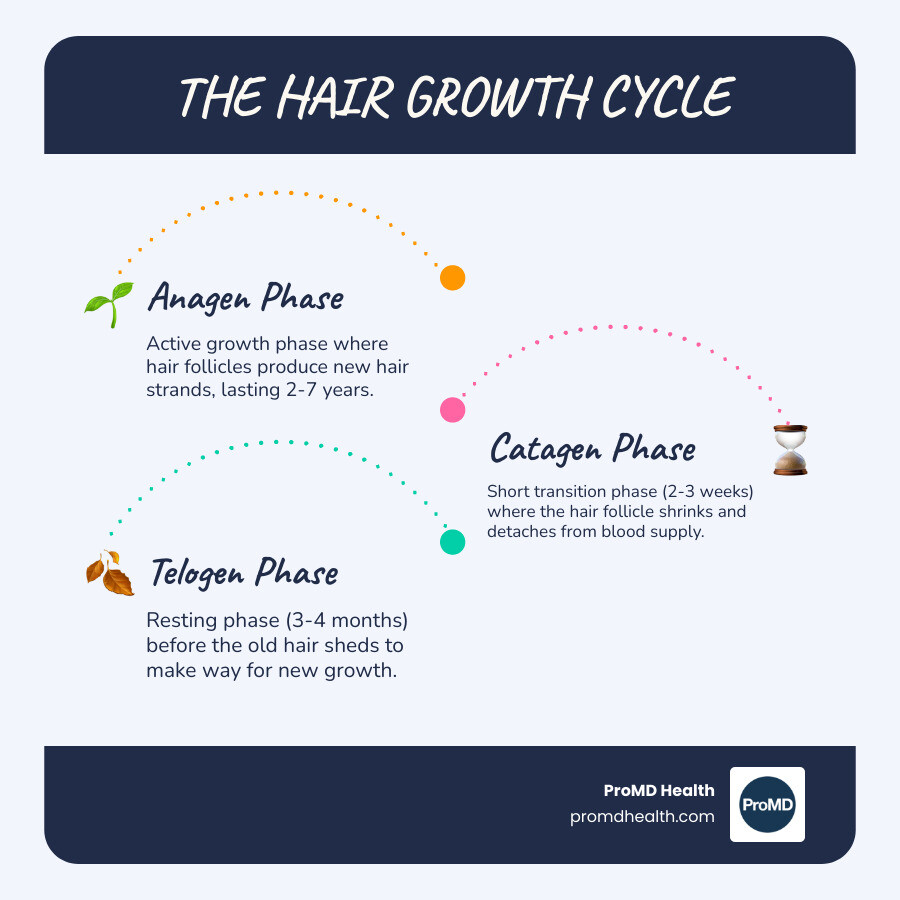
Minoxidil is a topical vasodilator, meaning it helps to widen blood vessels. While its exact mechanism for promoting hair growth isn’t fully understood, it’s believed to improve blood flow to hair follicles, stimulating growth, enlarging existing follicles, and extending the hair’s active growth phase (anagen). This results in thicker, longer strands.
Minoxidil is the only over-the-counter medication for hair loss approved by the FDA for both men and women. It comes in liquid or foam and is available in two strengths: 2% and 5%. For best results, it’s typically applied directly to the scalp twice a day.
How effective is it? Statistics show that minoxidil works for about 2 out of 3 men, and it tends to be most effective for those younger than 40 who have recently started experiencing hair loss. However, consistency is key. It may take anywhere from four months to a year to see noticeable thickening of hair. If you stop using it, the hair regrowth may cease, and your hair loss could recur.
Scalp Health and Supportive Ingredients
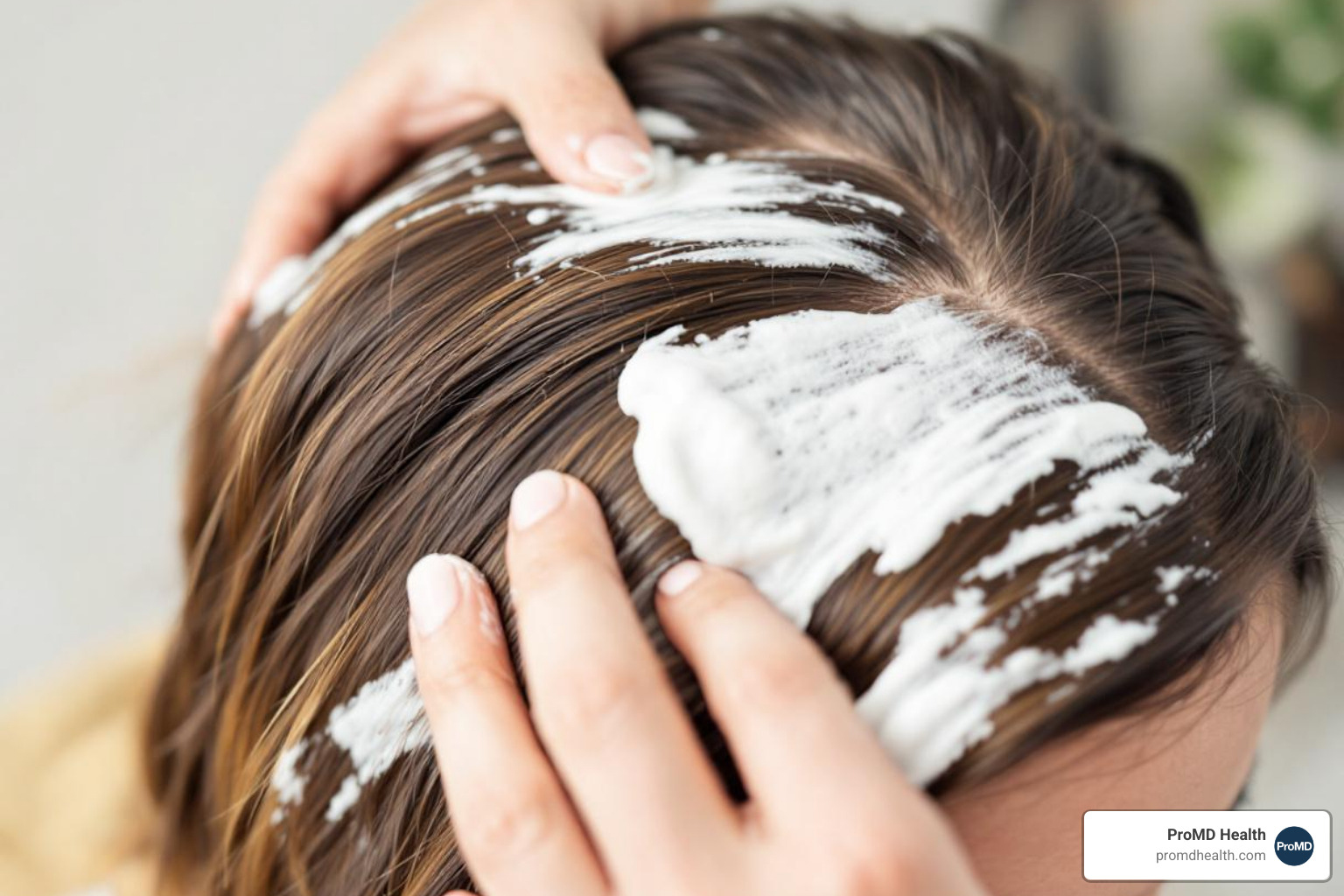
We often focus on the hair itself, but the truth is, a healthy scalp is the foundation for healthy hair growth. Think of it like fertile soil for a plant. If your scalp isn’t in top condition, your hair will struggle to thrive. This is where specialized ingredients come into play, addressing issues like inflammation, buildup, and even fungal infections.
Anti-dandruff actives like ketoconazole, zinc pyrithione, and selenium sulfide are surprisingly beneficial. Beyond just tackling flakes, ketoconazole, for instance, shows anti-DHT properties, which can help reduce androgen sensitivity that contributes to hair thinning. These ingredients also help exfoliate the scalp, removing excess buildup that can clog follicles and impede growth, creating a healthier environment for your hair.
Rosemary oil has gained popularity as a natural remedy, and for good reason. Studies suggest it can improve circulation and reduce inflammation, even performing similarly to minoxidil over time for some individuals. It’s a plant-based alternative that can be particularly appealing for those with mild thinning or sensitivities to stronger treatments.
Peptides are another exciting area. Copper peptides (GHK-Cu), for example, are known to activate hair-follicle stem cells, extending the growth phase and upregulating genes involved in hair growth. Other peptides work to strengthen the follicle, making hair more resistant to shedding. These can be found in various topical products designed to support scalp health and hair density.
The Best Hair Treatment for Thinning Hair: A Look at Medical & In-Office Options
While over-the-counter solutions can be a great first step, sometimes our hair needs a bit more help. This is where prescription medications and advanced in-office procedures come into play. These treatments are often more potent and can address underlying medical causes of hair loss more effectively.
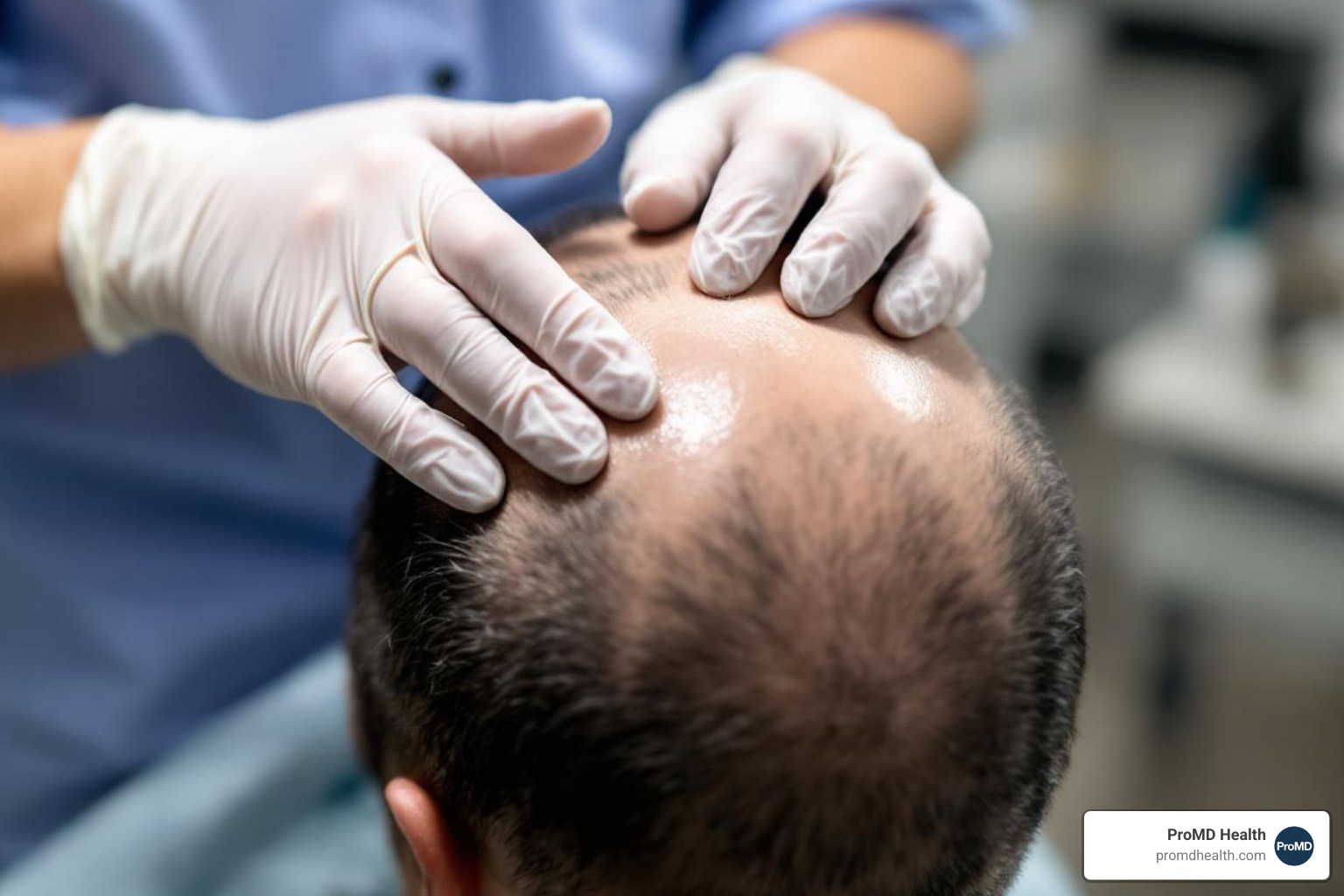
Consulting with a hair restoration expert, like Dr. George Gavrila, is crucial at this stage. They can accurately diagnose the specific type and cause of your hair loss, which is the cornerstone of developing the best hair treatment for thinning hair custom just for you. What works for one person may not work for another, and a personalized approach is key to achieving the best possible results.
Prescription Medications: Finasteride and Antiandrogens
For many men experiencing male pattern baldness, finasteride is a game-changer. This prescription medication works by inhibiting the production of dihydrotestosterone (DHT), a hormone responsible for shrinking hair follicles and causing male pattern hair loss. By suppressing DHT, finasteride can effectively slow or stop hair loss and, in many cases, stimulate new hair growth.
The statistics are compelling: finasteride slows or stops hair loss in nearly 90% of men. About two-thirds of these men also regrow some hair. It’s taken once a day by mouth, and while it starts to work after about four months, significant hair growth may take as long as a year to become noticeable. Finasteride does not cure hair loss; continuous use is necessary to maintain results. Potential side effects, though generally uncommon, can include erectile dysfunction or other sexual side effects, which may resolve after stopping the medication.
For women experiencing female pattern hair loss, particularly those related to hormonal imbalances, antiandrogens like spironolactone can be highly effective. These medications work by inhibiting androgens, hormones that can damage hair follicles and contribute to thinning. Antiandrogens usually start to show results after about four months of consistent use. It’s crucial to note that finasteride is not approved for use by women, especially pregnant women, due to potential risks. For women, antiandrogens may be prescribed under medical supervision, often in combination with other treatments.
In-Office Procedures: The Best Hair Treatment for Thinning Hair Administered by Experts
Beyond daily pills and topical applications, advanced in-office procedures offer powerful solutions for stimulating hair growth and restoring density. These treatments leverage medical advancements to target hair follicles directly, often with impressive results.
Platelet-Rich Plasma (PRP) and Platelet-Rich Fibrin (PRF) Therapy are cutting-edge treatments that use your body’s own healing capabilities. In these procedures, a healthcare provider draws a small amount of blood from your arm. This blood is then spun in a centrifuge machine to separate the platelet-rich components, which are packed with growth factors. These concentrated platelets are then injected directly into the scalp.
PRP and PRF treatments work by delivering a high concentration of growth factors to dormant or weakened hair follicles, stimulating them back into an active growth phase and improving hair density. PRF is often considered the next generation of PRP, as it forms a fibrin matrix that allows for a slower, more sustained release of growth factors, potentially leading to prolonged benefits.
Results from PRP can become noticeable within 3-4 weeks, with full effects seen after 3-6 months, and can last up to 18 months. PRF results may be observed within 1-2 months, with full effects appearing over 3-4 months, lasting up to 12 months. Regular maintenance treatments are often recommended to sustain these benefits. At ProMD Health, we offer advanced regenerative treatments like PRF for hair restoration in locations like Annapolis, Arlington, Ashburn, Columbia, Fort Lauderdale, North Bethesda, and Tysons Corner.
Low-Level Laser Therapy (LLLT) is another in-office option, sometimes available in at-home devices. LLLT involves shining specific wavelengths of light onto the scalp. The theory is that this light stimulates hair follicles to grow. While it’s FDA-approved for hereditary hair loss, the research regarding its long-term effectiveness in restoring hair or preventing balding is still developing, and more comprehensive studies are needed to confirm its efficacy.
Can Supplements and Lifestyle Changes Help?
While medical treatments and in-office procedures often provide the most dramatic results for thinning hair, we can’t overlook the fundamental role of our overall health. Our diet, lifestyle, and even our stress levels can significantly impact hair health. Addressing these factors can create a supportive environment for hair growth and improve the effectiveness of other treatments.
Nutritional deficiencies, chronic stress, and harsh hair care practices can all contribute to hair thinning. By making conscious choices about what we put into our bodies and how we treat our hair, we can actively support our hair restoration journey.
The Truth About Hair Growth Supplements
The market is flooded with hair growth supplements promising miraculous results. While some can be beneficial, it’s crucial to understand what the science says.
- Biotin: Biotin is a B vitamin essential for overall health, and a deficiency can indeed lead to hair loss. However, for individuals who are not deficient, taking megadoses of biotin has not been scientifically proven to prevent or treat hair loss. If you’re getting enough biotin from your diet (foods like egg yolks, organ meats, and nuts), extra supplementation is unlikely to help.
- Collagen: Collagen is a protein that forms the building blocks of hair, skin, and nails. Some studies suggest that oral marine collagen supplements can improve hair regrowth and increase the expression of hair growth factors, with one study even indicating results comparable to finasteride. This is an area of growing interest.
- Zinc & Iron: Deficiencies in minerals like zinc and iron can contribute to hair loss. If blood tests reveal you’re low in these essential nutrients, supplementation can help correct the deficiency and potentially improve hair health.
- Vitamin D: Similar to iron and zinc, a lack of vitamin D can be linked to hair thinning. Addressing a deficiency through diet or supplements, under medical guidance, may support hair growth.
The key takeaway here is that supplements are most effective when they address an actual deficiency. Randomly taking supplements without knowing your nutritional status is unlikely to yield significant results and can be a waste of money. Always consult with a healthcare professional before starting any new supplement regimen.
Lifestyle Habits for Healthier Hair
Beyond specific treatments and supplements, our daily habits play a huge role in the health and vitality of our hair. Incorporating certain lifestyle changes can not only support hair growth but also prevent further thinning.
- Balanced Diet: A diet rich in protein, vitamins (especially A, C, D, E, and B vitamins), and minerals (iron, zinc) is crucial for healthy hair. Foods like leafy greens, lean meats, fish, eggs, nuts, and fruits provide the necessary nutrients for strong hair follicles.
- Stress Reduction Techniques: Chronic stress can push hair follicles into a resting phase prematurely, leading to increased shedding (telogen effluvium). Practicing stress management techniques such as meditation, yoga, mindfulness, or simply getting enough sleep can significantly benefit your hair health.
- Avoiding Harsh Chemical Treatments: Frequent use of harsh chemical treatments like perms, relaxers, strong dyes, and bleaching can damage hair shafts, making them brittle and prone to breakage. Opt for gentler alternatives or space out your treatments to give your hair a break.
- Limiting Heat Styling: Excessive heat from blow dryers, flat irons, and curling irons can weaken hair, leading to dryness and breakage. Use heat protectants, lower heat settings, and allow your hair to air dry whenever possible.
- Quitting Smoking: Smoking has been linked to premature aging, including hair loss. It can impair blood circulation to the scalp and damage hair follicles, hindering growth. Quitting smoking is a significant step towards better overall health, including healthier hair.
Frequently Asked Questions about Hair Thinning Treatments
We understand that navigating hair thinning treatments can bring up many questions. Here, we address some of the most common inquiries we hear from our patients.
How long does it take to see results from hair loss treatments?
Patience is a virtue, especially when it comes to hair growth. Hair grows slowly, so visible results from treatments take time.
- Minoxidil: You can typically expect to see noticeable thickening of hair anywhere from four months to a year of consistent, twice-daily application. Initial shedding can occur in the first month or two as follicles reset.
- Finasteride: For men, finasteride starts working after about four months, but significant hair growth may take as long as a year to become apparent.
- Antiandrogens: For women, antiandrogen medications usually start to show results after about four months.
- PRP/PRF: Results from PRP can be seen in 3-4 weeks, with full effects appearing after 3-6 months. PRF results may be noticeable within 1-2 months, with full effects over 3-4 months.
- Corticosteroids: For autoimmune-related hair loss, hair regrowth may be seen in one or two months with steroid treatments, which are typically administered every four to six weeks.
- Antifungal Medications: If hair loss is due to a fungal infection like tinea capitis, treatment usually lasts for several months to fully eliminate the fungus and allow hair to regrow.
Consistency is absolutely vital for all these treatments. Missing doses or applications can interrupt the progress and delay results.
What are the different types of hair loss?
Understanding the type of hair loss you’re experiencing is the first step toward finding the best hair treatment for thinning hair. Here are some common types:
- Androgenetic Alopecia (Male/Female Pattern Baldness): This is the most common type, caused by a combination of genetics and hormones. In men, it often presents as a receding hairline and thinning on the crown. In women, it typically appears as overall thinning, particularly on the top of the scalp, with a widening part.
- Telogen Effluvium: This is a temporary form of hair loss often triggered by significant stress, illness, surgery, childbirth, severe dieting, or certain medications. It causes a large number of hairs to prematurely enter the resting (telogen) phase, leading to increased shedding.
- Alopecia Areata: An autoimmune condition where the body’s immune system mistakenly attacks hair follicles, leading to patchy hair loss on the scalp, face, or other parts of the body. In some cases, hair may grow back on its own.
- Tinea Capitis (Scalp Ringworm): A fungal infection of the scalp that can cause itchy, scaly patches and hair breakage or loss. This requires antifungal medication for treatment.
- Hypotrichosis: A rare condition characterized by very little hair growth.
- Cicatricial Alopecia (Scarring Alopecia): A group of rare disorders that destroy hair follicles, replacing them with scar tissue and causing permanent hair loss.
A proper diagnosis from a dermatologist or hair restoration specialist is essential, as treatments vary significantly based on the underlying cause.
When should I see a doctor for thinning hair?
While it’s normal to lose up to 100 strands of hair a day, certain signs indicate it’s time to seek professional medical advice. We recommend consulting a healthcare provider or hair restoration specialist in the following situations:
- Sudden Hair Loss: If you experience sudden and extensive hair loss, it could be a symptom of an underlying medical condition, medication side effect, or nutritional deficiency (like low iron or vitamin D).
- Patchy Hair Loss: If you notice distinct bald patches or areas of significant thinning, especially if they are circular or accompanied by itching or pain.
- Scalp Pain or Itching: If your hair loss is accompanied by discomfort, redness, scaling, or burning on the scalp.
- Ineffective OTC Treatments: If you’ve been consistently using over-the-counter treatments like minoxidil for several months and haven’t seen any improvement, or if your hair loss is worsening.
- Concern or Distress: If your hair loss is causing you significant emotional distress, affecting your self-esteem, or impacting your quality of life.
A medical professional can conduct a thorough examination, take your medical history, and perform tests (like blood tests or a scalp biopsy) to accurately diagnose the cause of your hair loss and recommend the most appropriate and best hair treatment for thinning hair for your unique situation.
Start Your Hair Restoration Journey
We understand that thinning hair can be a source of frustration, but as we’ve explored, you have many effective options available. From widely available over-the-counter solutions like minoxidil and targeted scalp treatments to powerful prescription medications like finasteride and innovative in-office procedures such as PRP and PRF therapy, the landscape of hair restoration is constantly evolving.
The most important takeaway is the necessity of a professional diagnosis. What might be the best hair treatment for thinning hair for one person might not be for another, simply because the root cause of their hair loss is different. A personalized treatment plan, developed with the guidance of experts like those at ProMD Health, ensures that you’re investing in solutions that are truly right for you.
We are dedicated to helping you “Look Younger and Feel Younger” by offering comprehensive face, body, and wellness services, including advanced hair restoration. Our team, led by Dr. George Gavrila, uses cutting-edge approaches to help you achieve your hair goals.
Ready to take the next step towards a fuller, healthier head of hair? Don’t let thinning hair hold you back any longer. We invite you to explore your options and start on your hair restoration journey with us.