Menopause weight gain solutions: Master Your Health 2025
Understanding the Midlife Shift
Menopause weight gain solutions involve a mix of diet, exercise, sleep, and stress management, sometimes with medical support. If you’re between 45 and 55, you may have noticed the scale creeping up, even if your habits haven’t changed. This is a common experience during perimenopause and menopause.
Quick Overview of Effective Solutions:
- Diet: Focus on a Mediterranean style with lean protein and high fiber.
- Exercise: Combine 150-200 minutes of moderate cardio with strength training twice a week.
- Sleep: Aim for 7-8 hours to regulate hunger hormones.
- Medical Support: Consider Menopausal Hormone Therapy (MHT) or medically supervised weight loss if lifestyle changes aren’t enough.
The “meno-belly” is real; after menopause, belly fat can increase from 5-8% to 15-20% of total body weight. This shift impacts your health, not just your appearance.
Here’s the good news: weight gain during menopause is not inevitable. While hormonal changes, aging, and a slower metabolism create challenges, you can take concrete steps to manage your weight. Old weight loss strategies often stop working, which is why a targeted approach is crucial.
As Scott Melamed, President and CEO of ProMD Health, I’ve helped many women find effective menopause weight gain solutions through personalized care. Let’s explore the science behind these changes and the strategies that make a difference.
The “Why” Behind Menopause Weight Gain
Understanding why your body changes during menopause is the first step toward finding effective menopause weight gain solutions. It’s not just hormones; it’s a convergence of several factors.
The Hormonal Rollercoaster: Estrogen, Cortisol, and Insulin
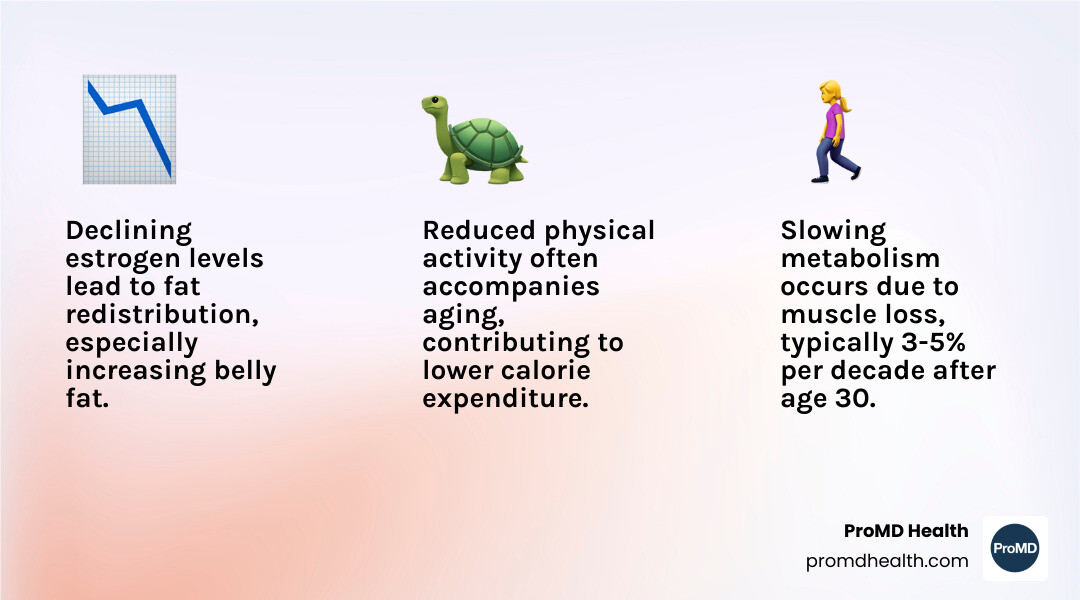
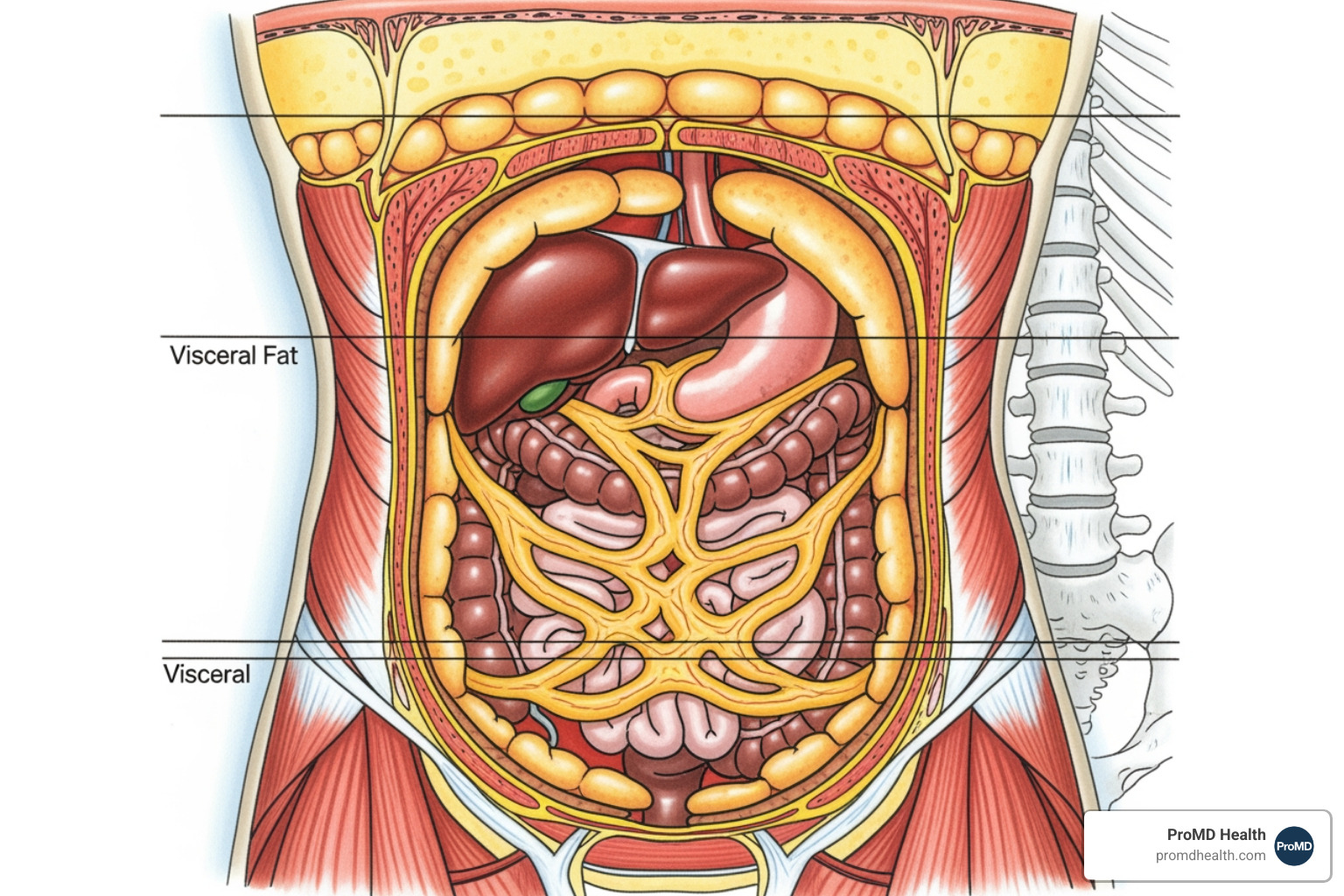
During perimenopause and menopause, fluctuating and declining estrogen levels change how your body stores fat. Instead of directing fat to the hips and thighs, your body begins storing it in your midsection, creating the “meno-belly.” Much of this is visceral fat, which wraps around internal organs and is more harmful than the subcutaneous fat just under the skin.
Other hormones contribute. Cortisol, the stress hormone, often rises during midlife, encouraging belly fat storage. Your body may also develop insulin resistance, making it more likely to store carbohydrates as fat. To make matters worse, sleep disruptions—common in menopause—throw hunger hormones out of balance. Ghrelin (the hunger signal) increases while leptin (the fullness signal) decreases, making you feel hungrier and less satisfied.
Beyond Hormones: The Unseen Impact of Aging and Muscle Loss
Age itself plays a major role. Starting around age 30, women lose 3-5% of their muscle mass each decade in a process called sarcopenia. This accelerates during menopause. Since muscle burns more calories than fat, this loss slows your metabolism. By your 50s, you may need about 200 fewer calories per day to maintain your weight.
This metabolic slowdown, combined with a natural tendency to become less active with age, explains why old diet and exercise routines may no longer work. Genetics also influence where you store fat, but proactive strategies can still make a significant difference.
The Health Risks of Increased Belly Fat
This shift toward visceral belly fat isn’t just frustrating; it’s a health risk. Visceral fat is metabolically active and releases inflammatory substances that increase your risk for:
- Heart disease and stroke, the leading causes of death in postmenopausal women.
- Type 2 diabetes due to worsened insulin resistance.
- High blood pressure.
- Breathing problems like sleep apnea.
- Certain cancers, including breast, colon, and endometrial.
There’s also a feedback loop: higher body weight can worsen hot flashes, making it harder to exercise and sleep well. This is why finding effective menopause weight gain solutions is crucial for your long-term health. For comprehensive guidance, The North American Menopause Society recommendations for clinical care of midlife women offers evidence-based insights. At ProMD Health, our Longevity & Functional Medicine services address these root causes with personalized care.
The good news is that with this understanding, you can take targeted action, which we’ll cover next.
Comprehensive Menopause Weight Gain Solutions: Diet, Exercise, and Lifestyle
You have more control than you think. The most effective menopause weight gain solutions are about building sustainable habits that support your metabolism and preserve muscle. Think of it as a three-legged stool: diet, exercise, and lifestyle.
Dietary Approaches: Your First Line of Defense for Menopause Weight Gain Solutions
This isn’t about deprivation; it’s about choosing foods that work for your menopausal body.

An eating pattern like the Mediterranean diet is consistently recommended. It focuses on whole foods like vegetables, fruits, whole grains, legumes, nuts, and seeds, with lean protein from fish and poultry and healthy fats from olive oil. This approach helps manage weight, reduce inflammation, and support heart health.
Protein is your secret weapon against a slowing metabolism. It helps maintain and build muscle and keeps you feeling full. Aim for 20-30 grams at each meal. Similarly, fiber adds bulk to meals, helps regulate blood sugar, and supports a healthy gut microbiome, all of which are crucial for weight management. You can find it in whole grains, legumes, fruits, and vegetables.
Plant compounds called phytoestrogens, found in soy (tofu, edamame) and flaxseed, may help ease hormonal fluctuations. Finally, minimize added sugars and processed foods. They offer empty calories and cause blood sugar spikes that make weight management difficult. Cutting out sugary drinks is an easy place to start.
The Power of Movement: Exercise to Reclaim Your Metabolism
Movement is critical for rebuilding what aging takes away: muscle mass and metabolic rate.

Strength training is your most powerful tool. Lifting weights, using resistance bands, or doing bodyweight exercises at least twice a week fights sarcopenia (age-related muscle loss). More muscle means a faster metabolism, burning more calories even at rest.
Combine this with 150-200 minutes of moderate aerobic activity weekly, like brisk walking, swimming, or cycling. For an extra boost, consider High-Intensity Interval Training (HIIT), which is very efficient for burning fat.
The best exercise is one you’ll do consistently. Find an activity you enjoy and make it a non-negotiable part of your week. Even short bursts of activity throughout the day add up.
Crucial Lifestyle Adjustments for Lasting Results
Lifestyle habits are the final piece of the puzzle. You can eat well and exercise, but if you’re stressed and not sleeping, you’ll struggle.
- Sleep: Aim for 7-8 hours of quality sleep. Sleep deprivation disrupts hunger hormones, making you hungrier and crave high-calorie foods. If symptoms like hot flashes interfere with sleep, address them.
- Alcohol: Alcohol contains empty calories, disrupts sleep, and can worsen hot flashes. Moderation is key. Consider reducing your intake to see how it affects your energy and weight.
- Stress: Chronic stress raises cortisol, which promotes belly fat storage. Manage stress through mindfulness, yoga, time in nature, or connecting with friends to reduce emotional eating.
Staying motivated requires intention. Schedule your workouts, give yourself grace when forming new habits, and find a support system. You’re not in this alone.
Exploring Medical and Professional Support
Sometimes, lifestyle changes aren’t enough, and you need extra help. Medical support is another tool in your toolbox for managing this life transition, not a sign of failure.
Medical Support for Menopause Weight Gain Solutions
Menopausal Hormone Therapy (MHT) is a common topic. It’s important to know that MHT is not a weight loss drug. Its primary purpose is to relieve disruptive symptoms like hot flashes, night sweats, and vaginal dryness.
By controlling these symptoms, MHT can indirectly support weight management. When you sleep better, your appetite hormones are more balanced, and you have more energy for exercise and healthy eating. Some evidence suggests MHT may also help prevent fat from accumulating around your midsection. It won’t melt pounds away, but it can make it much easier to stick with the lifestyle changes that do. For more details, The 2017 hormone therapy position statement of The North American Menopause Society is a valuable resource. At ProMD Health, we offer Bioidentical Hormone Replacement Therapy custom to your unique profile.
What About Supplements and Weight Loss Medications?
While there’s no magic pill, certain supplements can support your body. Always talk to your doctor before starting any new supplement.
- Magnesium: Can improve sleep quality, which helps regulate appetite.
- Vitamin D: Crucial for bone health and may support metabolic health.
- Omega-3s: Help reduce inflammation.
- Probiotics: Support a healthy gut microbiome, which is linked to weight management.
- Berberine: Has shown promise for improving blood sugar and cholesterol levels.
Prescription GLP-1 medications (like semaglutide) are another option. They work by increasing feelings of fullness and regulating blood sugar, and can be highly effective. However, they are typically for women with a BMI over 30 (or 27 with related health conditions) and require strict medical supervision. These medications are a long-term commitment and should be part of a comprehensive plan that includes diet and exercise. Our Medically Supervised Weight Loss options at ProMD Health include a thorough assessment to see if these treatments are right for you.
When to Consult a Doctor
It’s time to schedule an appointment if:
- Your menopause symptoms are severe and disrupt your daily life.
- You’re struggling to lose weight despite consistent diet and exercise.
- You have pre-existing conditions like heart disease or diabetes.
- You plan to start a new, vigorous fitness program.
- You’re interested in exploring MHT, supplements, or weight-loss medications.
Asking for help is a sign of wisdom. A professional can provide personalized advice and monitor your progress to ensure you’re on the right track.
Frequently Asked Questions About Menopause Weight Gain
Is weight gain during menopause inevitable?
No, weight gain during menopause is not inevitable. While it is very common due to hormonal shifts and a slowing metabolism, it is not unavoidable. By being proactive with targeted strategies—like building muscle through strength training, prioritizing protein, managing stress, and getting quality sleep—you can successfully maintain a healthy weight.
Can hormone therapy alone make me lose weight?
Hormone therapy is not a weight loss treatment. Its primary role is to manage disruptive menopausal symptoms like hot flashes and night sweats. By improving sleep and energy levels, it can indirectly support your weight management efforts, making it easier to stick to a healthy diet and exercise routine. However, it does not cause weight loss on its own and must be combined with lifestyle changes.
What is the single most effective change for managing menopause weight?
If you have to pick one strategy, the most powerful combination is regular strength training paired with a whole-foods, protein-rich diet. Strength training combats age-related muscle loss, which boosts your metabolism. A protein-rich diet supports that muscle growth and keeps you feeling full and satisfied. This two-pronged approach directly addresses the root causes of menopausal weight gain more effectively than cardio or dieting alone.
Take Control of Your Health During Menopause and Beyond
You now understand that the changes happening during menopause are complex but manageable. The most effective menopause weight gain solutions involve working with your body, not against it. By prioritizing protein and fiber, lifting weights twice a week, and managing sleep and stress, you are making a direct investment in your long-term health.
These strategies reduce your risk of heart disease and diabetes while boosting your energy and confidence. It’s about feeling strong and vibrant for the decades ahead.
At ProMD Health, we understand that every woman’s journey is unique. Our team creates personalized plans to help you “Look Younger and Feel Younger,” whether you need lifestyle guidance, hormone therapy, or medically supervised weight management.
You don’t have to steer this transition alone. Ready to take the next step? Explore our comprehensive Weight Management programs and find how we can help you reclaim your health and confidence.