
Lifestyle and weight management: 4 Effective Pillars
Understanding Lifestyle and Weight Management: Your Path to Lasting Change
Lifestyle and weight management is a comprehensive approach to your health that integrates what you eat, how you move, how well you sleep, and how you manage stress. It’s about creating lasting change.
Key Components of Effective Weight Management:
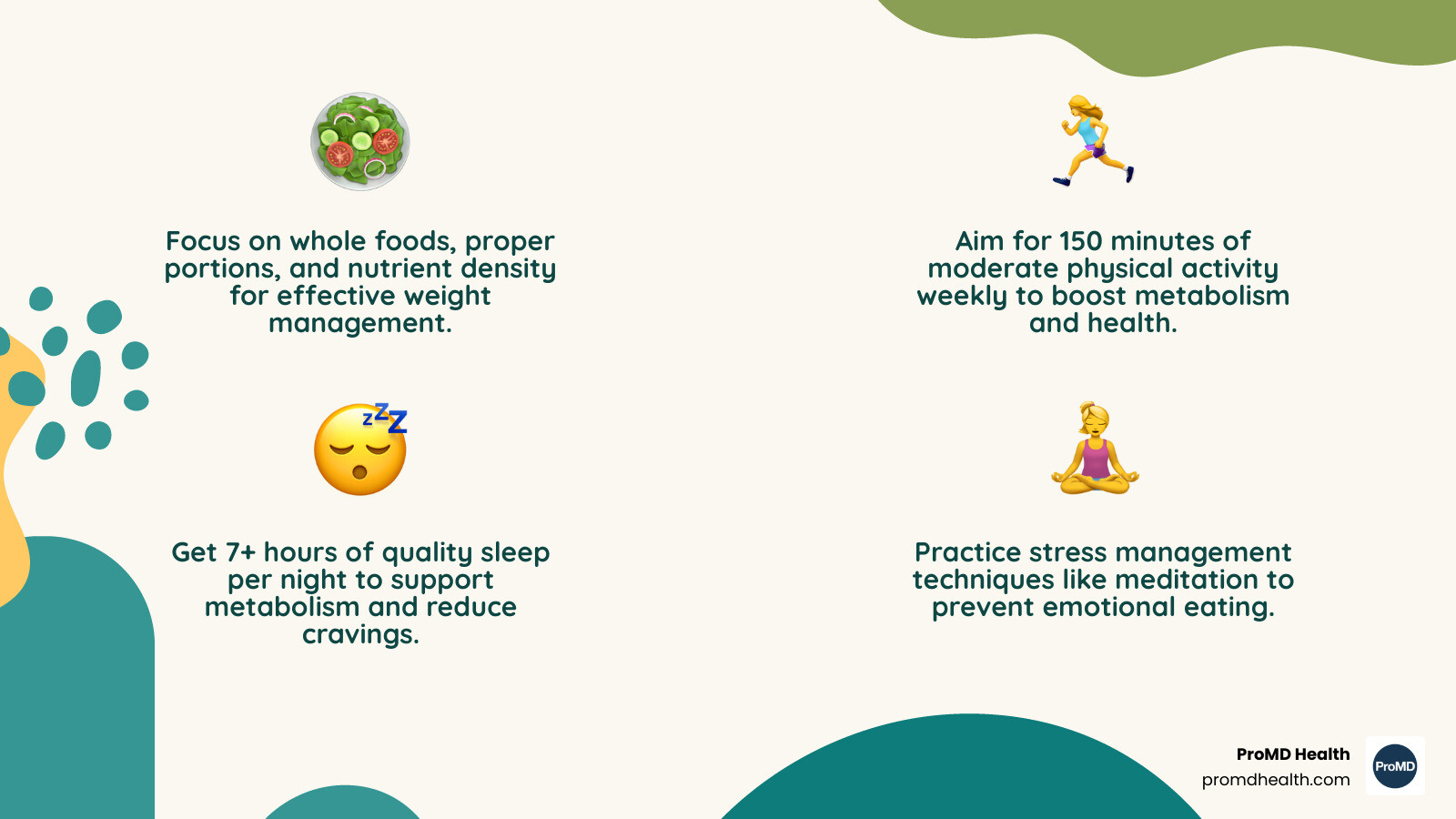
- Balanced Nutrition – Focus on whole foods, proper portions, and nutrient density
- Regular Physical Activity – Aim for 150 minutes of moderate exercise weekly
- Quality Sleep – Get 7+ hours per night to support metabolism and reduce cravings
- Stress Management – Use techniques like meditation or nature walks to prevent emotional eating
- Consistent Habits – Make gradual, sustainable changes rather than following fad diets
More than 70 percent of adults in the United States are overweight or have obesity, increasing the risk for serious health conditions like type 2 diabetes and heart disease. The good news is that even a modest weight loss of 5-10% can produce significant health benefits. Unlike fad diets, sustainable weight management requires lasting lifestyle changes that fit your unique circumstances.
I’m Scott Melamed, President and CEO of ProMD Health. My mission is to empower individuals with the knowledge and support they need to make meaningful, lasting changes to their well-being.
The Foundation: Why a Healthy Weight Matters
A healthy weight is about more than appearance—it’s about your health, energy, and future. With over 70% of U.S. adults overweight or having obesity, understanding the stakes is crucial. Excess weight is a major risk factor for serious health conditions, but you don’t need a dramatic change to see results. Losing just 5% to 10% of your body weight can significantly improve your health by lowering blood pressure, improving blood sugar, and reducing joint strain. This knowledge empowers you to make informed choices about lifestyle and weight management. The scientific research on the risks of being overweight is clear, and taking action is where change begins.
Understanding the Connection to Chronic Disease
Excess weight disrupts your body’s metabolic balance and increases the risk for several chronic diseases:
- Type 2 Diabetes: Excess fat can cause insulin resistance, forcing the pancreas to overwork until it can no longer control blood sugar levels.
- Cardiovascular Disease: High blood pressure, unhealthy cholesterol, and chronic inflammation associated with excess weight strain the heart and blood vessels.
- Sleep Apnea: Extra weight can narrow the airway, causing breathing to stop repeatedly during sleep, leading to fatigue and heart problems.
- Certain Cancers: Obesity is linked to an increased risk of cancers such as colon, breast, and kidney cancer.
By focusing on lifestyle and weight management, you can take control of your metabolic health. The Body Mass Index (BMI) is a useful screening tool, but a healthcare provider can help interpret it for your situation.
The Mental and Emotional Benefits
Adopting healthier habits brings profound mental and emotional rewards beyond the physical. People often experience:
- Increased Energy: More vitality for daily activities and hobbies.
- Improved Mood: Physical activity and nourishing foods can reduce symptoms of depression and anxiety.
- Better Self-Esteem: Achieving consistent goals builds confidence.
- Improved Mental Clarity: A healthy body supports a sharp, focused brain.
- Reduced Stress: Healthy habits help break cycles of emotional eating and provide better coping mechanisms.
Healthy weight management is an act of self-care that provides the gift of health, energy, and confidence for years to come.
The Core Pillars of Healthy Lifestyle and Weight Management
Think of a healthy weight like a house built on several key pillars. Lifestyle and weight management isn’t a magic solution; it’s about creating a safe calorie deficit, nourishing your body, moving regularly, sleeping well, and managing stress. When these pieces work together, you build a sustainable approach for long-term success.
Effective Nutrition for Lifestyle and Weight Management
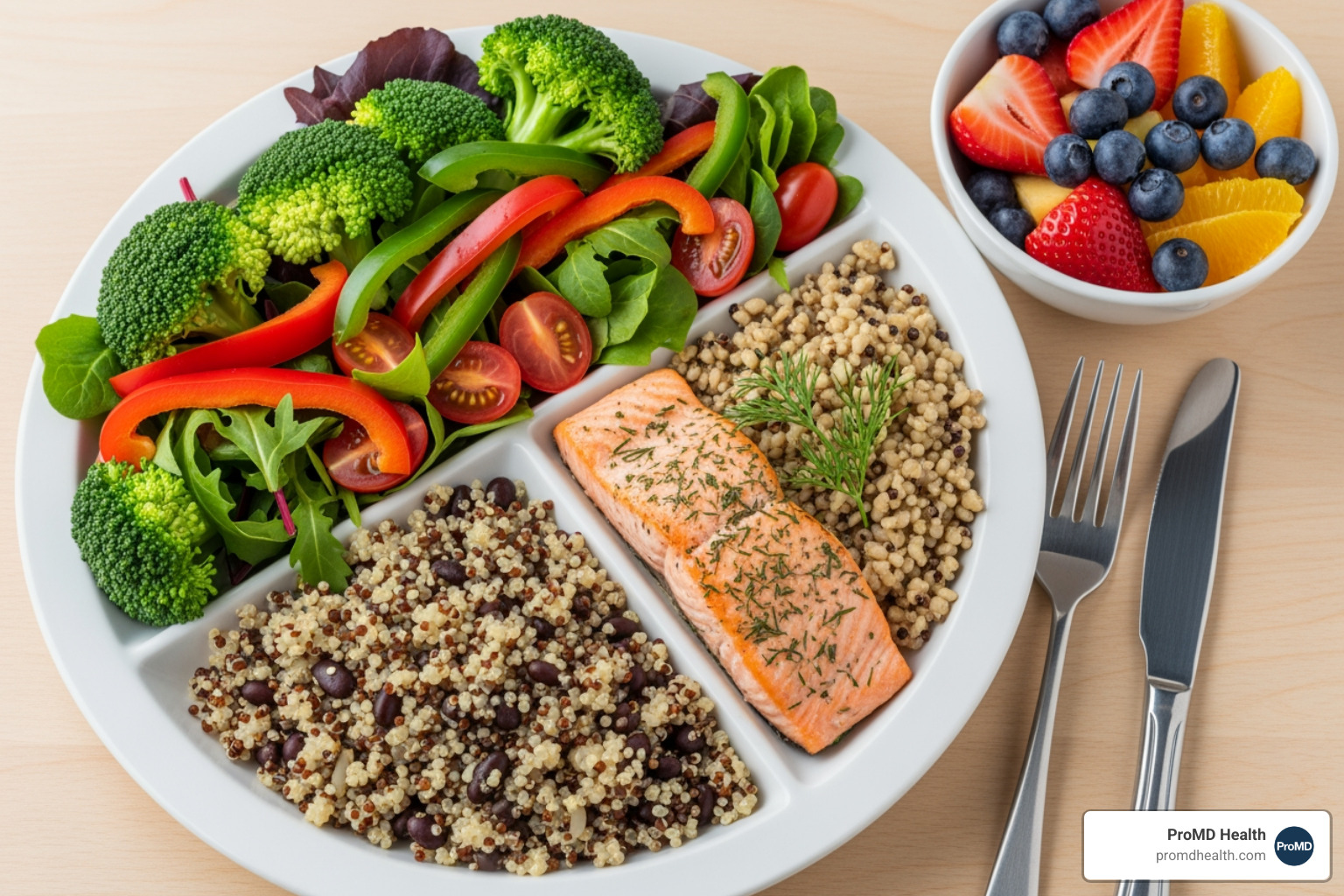
Nutrition is your most powerful tool. To lose weight, you need a calorie deficit, but how you create it matters most. Focus on these strategies:
- Eat Whole, Nutrient-Dense Foods: Build meals around vegetables, fruits, lean proteins, and whole grains. These foods are packed with nutrients that keep you full. A great visual guide is the MyPlate model.
- Practice Portion Control: Be mindful of serving sizes and read food labels to spot hidden sugars, unhealthy fats, and sodium.
- Limit Processed Foods and Sugar: Cut back on sugary drinks, refined grains, and ultra-processed snacks.
- Eat Mindfully and Stay Hydrated: Pay attention to your body’s hunger and fullness cues, and drink plenty of water.
The Role of Physical Activity in Health
Physical activity is nutrition’s partner in lifestyle and weight management. It burns calories, builds strength, and boosts your mood.

The Official Physical Activity Guidelines for Americans recommend adults get at least 150 minutes of moderate-intensity aerobic activity and two days of muscle-strengthening activities per week. A combination of aerobic exercise and strength training is ideal, as muscle boosts your metabolism. Just as important is reducing sedentary time. The key to consistency is finding activities you enjoy.
Beyond Diet and Exercise: Sleep and Stress
Quality sleep and stress management are the unsung heroes of weight management, as they control key hormones.
- Prioritize Sleep: Lack of sleep (less than 7 hours) disrupts hunger hormones (ghrelin and leptin), leading to cravings and fatigue. Stick to a consistent sleep schedule.
- Manage Stress: Stress increases cortisol, a hormone that promotes belly fat storage and can trigger emotional eating. Incorporate stress-reduction techniques like meditation, yoga, or spending time in nature.
Building Your Sustainable Plan
Lasting change doesn’t happen overnight. The journey to lifestyle and weight management is about building sustainable habits, not racing to a finish line. Unlike fad diets that lead to “yoyo” weight cycling, gradual shifts in how you eat, move, and think create powerful, lasting results. It’s about consistency over perfection.

Setting Realistic Goals for Lifestyle and Weight Management
Effective goals are SMART goals: Specific, Measurable, Achievable, Relevant, and Time-bound. Instead of a vague goal like “eat better,” try “add a vegetable to dinner five nights a week.”
Focus on action-oriented goals, like walking 30 minutes daily, rather than just the number on the scale. While losing 1-2 pounds per week is a healthy target, remember to celebrate non-scale victories. These are the real-life signs of progress, such as your clothes fitting better, having more energy, and feeling more confident.
Tracking Progress and Staying Motivated
Tracking your habits creates accountability. Consider these tools:
- Food and Activity Journals: Use an app or notebook to log what you eat and how you move to understand your patterns.
- Weekly Weigh-Ins: Weighing yourself once a week provides a better trend than daily weigh-ins, which can fluctuate and cause frustration.
Motivation is key. Find a support system, whether it’s a friend, family, or a professional. Plateaus are a normal part of the process; when they happen, reassess your habits and stay patient. If you have a setback, just start fresh the next day. A BMI calculator can offer a starting point for your goals.
At ProMD Health, we help you build a personalized, sustainable plan because we know that’s what creates real change.
Navigating Your Journey: Myths, Support, and Special Considerations
Your weight journey is influenced by many factors, including your environment, culture, and access to healthy food and safe exercise spaces. Recognizing these external challenges isn’t an excuse—it’s the first step to finding realistic solutions that fit your unique circumstances.
Debunking Common Weight Loss Myths
The weight loss industry is full of misinformation. Let’s clear up a few common myths:
- Myth: Carbs make you fat. The truth is your body needs carbs for fuel. The key is choosing the right type and amount. Focus on whole grains, fruits, and vegetables, and limit refined carbs and added sugars.
- Myth: You must do intense cardio to lose weight. A combination of aerobic exercise and strength training is most effective. Strength training builds muscle, which boosts your metabolism. The best exercise is one you’ll do consistently.
- Myth: Skipping meals saves calories. This often backfires, leading to extreme hunger and overeating later. Regular, balanced meals help stabilize blood sugar and manage hunger.
For more science-based facts, check out resources from the National Institute of Diabetes and Digestive and Kidney Diseases.
When to Seek Professional Guidance
While personal commitment is key, professional support can be essential. Your healthcare provider is your best ally for setting realistic goals based on your medical history. If you’re struggling, there may be underlying factors that a professional can identify.
At ProMD Health, we offer a comprehensive, medically supervised approach. Our multidisciplinary team creates personalized plans, which can include meal planning and management of weight loss medications like GLP-1 agonists. Learn more about our comprehensive wellness services.
Recognizing you need help—whether for emotional eating or sleep issues—is a sign of strength. A holistic approach addresses all factors influencing your weight.
Weight Management for the Whole Family
When you adopt healthier habits, you inspire your entire family. Lifestyle and weight management can be a shared goal.
- Lead by Example: Children learn by watching you. Prioritize healthy eating and physical activity, and speak positively about your body.
- Make Movement Fun: Aim for 60 minutes of daily activity for kids by making it a family affair. Go for walks, play in the park, or have a dance party.
- Teach Healthy Habits: Help children understand portion sizes and their own hunger cues. A great resource is this KidsHealth guide. Limiting sugary drinks is another simple, impactful change.
Creating a supportive home environment equips your children with tools for a lifetime of well-being.
Frequently Asked Questions about Lifestyle and Weight Management
You’ve got questions about lifestyle and weight management, and we have answers to some of the most common ones.
How much weight should I aim to lose per week?
For safe and sustainable results, aim to lose 1 to 2 pounds per week. This pace promotes fat loss while preserving muscle, making it easier to keep the weight off long-term. It typically requires a daily calorie deficit of 500 to 750 calories, achieved through a combination of diet and exercise. Losing just one pound a week adds up to 52 pounds in a year!
Do I need to give up my favorite foods to lose weight?
Absolutely not. A healthy lifestyle is about balance and moderation, not deprivation. The key to sustainable lifestyle and weight management is learning to enjoy your favorite foods in smaller portions or less frequently. Banning foods often leads to cravings and overindulgence. The goal is to eat nutrient-dense foods most of the time while still making room for treats.
What is more important for weight loss: diet or exercise?
Both are crucial, but they play different roles. Nutrition generally has a larger impact on initial weight loss because it’s easier to create a calorie deficit by adjusting what you eat. However, exercise is vital for maintaining weight loss and for overall health. It builds muscle, boosts metabolism, and improves mood and sleep. The winning formula is to combine a healthy diet with regular physical activity for the most sustainable results.
Conclusion
The path to lifestyle and weight management is a journey, not a destination. By focusing on the four core pillars—nutrition, physical activity, sleep, and stress management—you’re investing in your energy, mood, and long-term health, not just a number on a scale.
This approach is about consistency over perfection. Celebrate non-scale victories like having more energy or your clothes fitting better. Plateaus and setbacks are normal; what matters is that you start fresh the next day without giving up.
You don’t have to do this alone. At ProMD Health, we know every journey is unique. We offer a comprehensive, personalized approach to wellness because you deserve support custom to your specific needs and goals.
Prioritizing your health is one of the most meaningful investments you can make in yourself and your loved ones. Ready to take the next step toward your healthiest, most vibrant self? We invite you to learn more about our comprehensive wellness services and find how we can help you look and feel younger.


