
HRT Medication: Your 3-Step Wellness Guide
Understanding Your Options for Hormone Replacement Therapy
HRT medication consists of prescription hormones used to replace the estrogen and progesterone your body stops producing during menopause. Available as pills, patches, gels, and creams, HRT is primarily used to relieve symptoms like hot flashes, night sweats, and vaginal dryness.
Common HRT medication types include:
- Estrogen-only therapy (ET): For women who have had a hysterectomy.
- Combination therapy (EPT): Estrogen plus progestin for women with a uterus.
- Local vaginal estrogen: For genitourinary symptoms only.
- Bioidentical hormones: FDA-approved formulations that are chemically identical to your body’s natural hormones.
Menopause is a natural transition, but its symptoms don’t have to disrupt your life. As hormone levels decline, many women experience hot flashes, sleep problems, and mood changes. While confusion about hormone therapy has persisted, the scientific understanding has evolved significantly.
Current evidence shows that for most healthy women who start treatment before age 60 or within 10 years of menopause, the benefits of HRT outweigh the risks. It remains the most effective treatment for moderate-to-severe menopausal symptoms and can also help protect bone health.
This guide will walk you through the types of HRT medications, their benefits, risks, and how to make an informed decision with your doctor. I’m Scott Melamed, President and CEO of ProMD Health. With a background in biotechnology and drug development from Johns Hopkins University, I’ve seen how the right information about HRT medication empowers women to make confident health decisions.
What is Hormone Replacement Therapy and What Does It Treat?
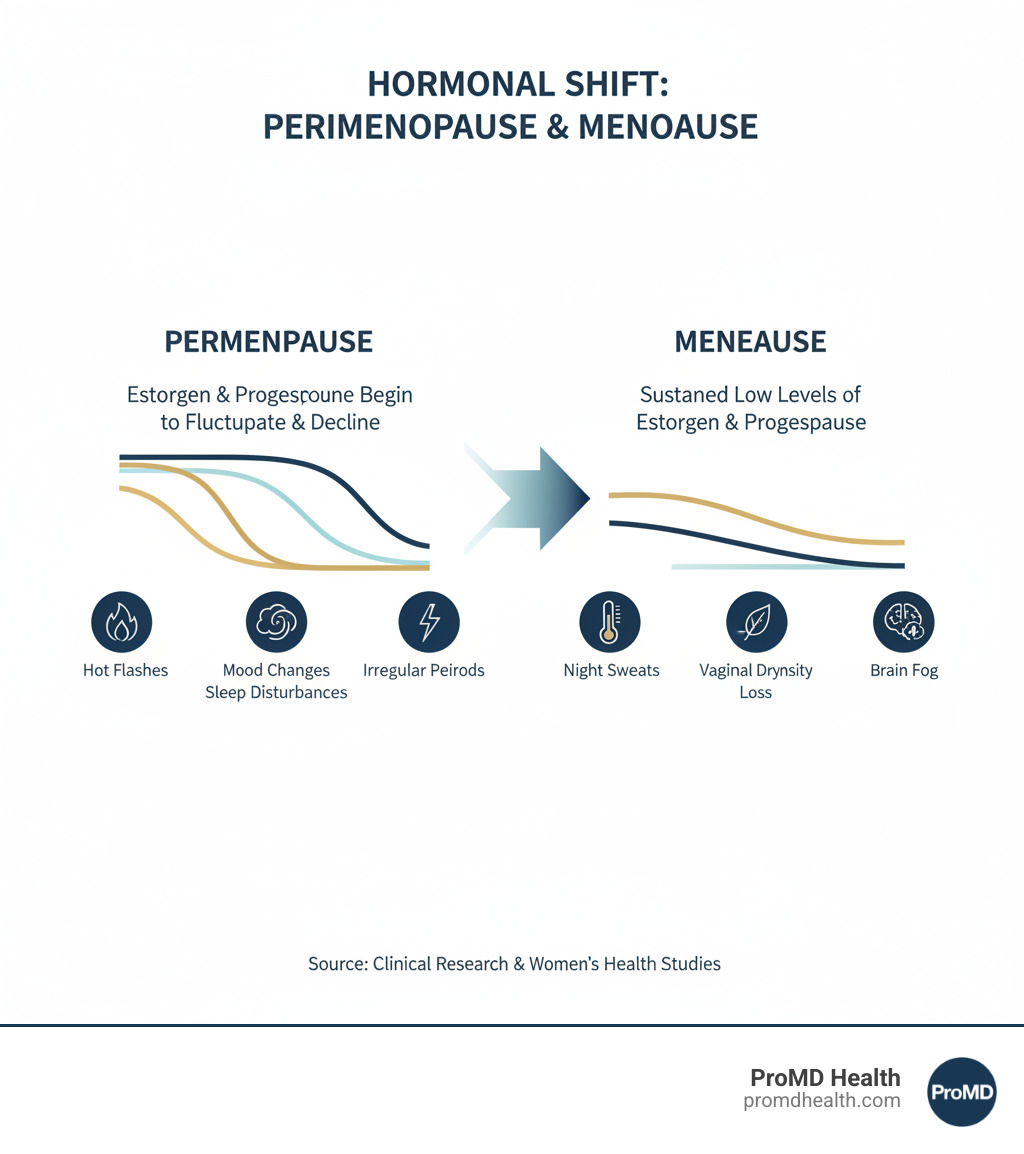
During menopause, your ovaries produce less estrogen and progesterone. Hormone Replacement Therapy (HRT) works by replenishing these hormones, helping to restore balance and ease the transition. By filling this hormonal gap, HRT medication provides relief from many challenging menopausal symptoms.
The primary goal of HRT is to relieve disruptive symptoms that affect your daily life, including:
-
Vasomotor symptoms (VMS): Hot flashes and night sweats are often the most bothersome symptoms. A sudden wave of heat, flushing, and sweating can be uncomfortable and disrupt sleep. Systemic estrogen therapy is the most effective, FDA-approved treatment for moderate-to-severe VMS.
-
Genitourinary Syndrome of Menopause (GSM): This includes vaginal dryness, itching, burning, and painful intercourse, as well as urinary issues like frequency and urgency. Local vaginal estrogen can provide substantial relief for these symptoms.
-
Sleep disturbances: HRT helps improve sleep quality, which is often disrupted by night sweats and hormonal shifts.
-
Mood swings and brain fog: Hormonal fluctuations can affect brain chemistry, leading to irritability, anxiety, and difficulty concentrating. HRT can help stabilize mood and improve mental clarity.
By addressing these issues, HRT medication can dramatically improve your quality of life. Our Menopause Management services provide comprehensive support for this transition. For detailed clinical guidance, see The 2022 Hormone Therapy Position Statement of The North American Menopause Society.
A Guide to HRT Medication Types and Formulations
Choosing the right HRT medication is a personalized process. Hormone therapy comes in several types and formulations designed to address specific needs.
Systemic therapy circulates hormones throughout your body via the bloodstream. It’s ideal for treating system-wide symptoms like hot flashes, night sweats, and brain fog.
Local therapy delivers hormones directly to the vaginal tissues. This is a targeted approach for symptoms like vaginal dryness, discomfort during intimacy, or urinary issues, with minimal hormone absorption into the rest of the body.
Bioidentical hormones are chemically identical to the hormones your body produces. It’s important to distinguish between FDA-approved bioidentical hormones and custom-compounded versions. FDA-approved products (like many forms of estradiol and micronized progesterone) are rigorously tested for safety, efficacy, and consistent dosing. Compounded hormones lack this oversight, and their purity and potency can vary, which is why medical societies generally do not recommend them. Learn more in our article, 3 Things to Know About Bio-Identical Hormone Replacement Therapy.
Different Types of HRT Medication
Your doctor will recommend a type of HRT medication based on your health history, particularly whether you have a uterus.
- Estrogen-only therapy (ET): Prescribed for women who have had a hysterectomy. Without a uterus, progesterone is not needed.
- Combination therapy (EPT): For women with a uterus, this includes both estrogen and a progestogen. The progestogen is crucial for protecting the uterine lining from overgrowth, which reduces the risk of endometrial cancer.
- Continuous regimen: Both hormones are taken daily, and most women stop having periods after about a year.
- Sequential/Cyclic regimen: Estrogen is taken daily, with progestogen added for 12-15 days a month, typically resulting in a monthly period.
Other options include Tibolone, a synthetic steroid that mimics estrogen, progesterone, and testosterone, and a combination of estrogen with bazedoxifene (a SERM), which may have fewer side effects for some women.
How HRT Medication is Administered
The delivery method of your HRT medication affects how it works in your body.
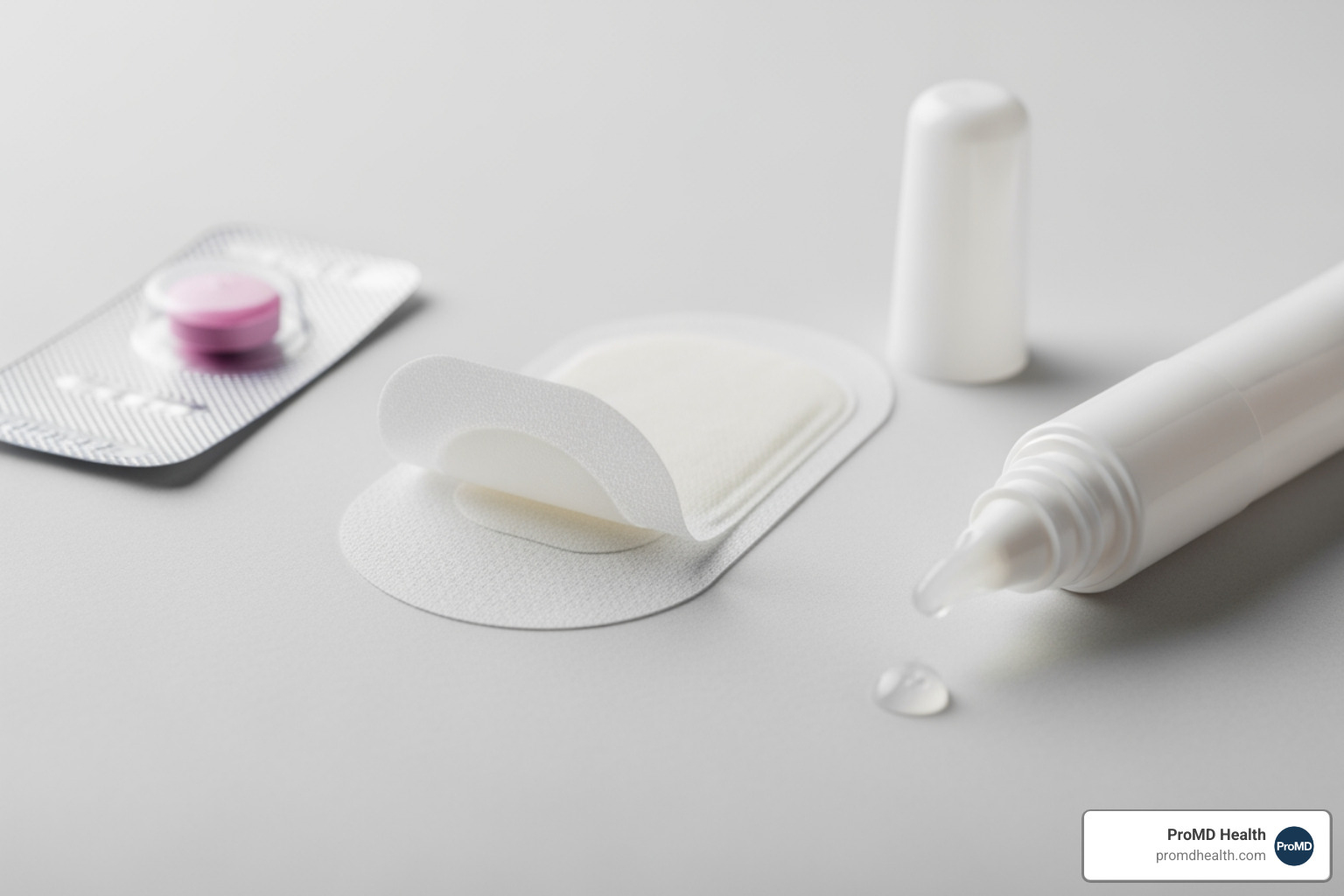
- Pills (oral): Convenient, but when estrogen is processed by the liver, it can slightly increase the risk of blood clots.
- Patches, Gels, and Sprays (transdermal): These deliver hormones directly into the bloodstream through the skin, bypassing the liver and avoiding the increased clotting risk associated with pills.
- Vaginal Creams, Rings, and Tablets: These local therapies treat vaginal and urinary symptoms with very little systemic absorption. The estradiol-releasing vaginal ring, for example, lasts for three months.
- Injections: Less common for menopause treatment but are an available option.
Your provider can help you choose the best method for your lifestyle and health profile. You can find details on specific FDA-approved drugs in the FDA’s Drugs@FDA database.
Weighing the Benefits and Risks of Hormone Therapy
For years, fear surrounding hormone therapy was widespread, largely due to early interpretations of the Women’s Health Initiative (WHI) study from the early 2000s. However, science has evolved. Re-analysis of the WHI data revealed the original study’s limitations—the average participant was 63, well past the typical start of menopause. The findings were not applicable to younger women starting therapy.
This led to the crucial timing hypothesis. Current research confirms that for most healthy women, starting HRT before age 60 or within 10 years of menopause is key. In this window, the benefits generally outweigh the risks. The FDA has even updated its warnings on HRT products to reflect this modern understanding. The focus is now on personalized treatment at the right time.

The Potential Benefits of HRT
When started at the right time, HRT medication offers significant benefits:
- Symptom Relief: It is the most effective treatment for moderate-to-severe hot flashes, night sweats, and vaginal dryness, dramatically improving quality of life.
- Bone Health: HRT helps prevent bone loss associated with menopause, reducing the risk of osteoporosis and fractures by 50% to 60%.
- Cardiovascular Protection: For women who start HRT early (before 60 or within 10 years of menopause), it may reduce the risk of heart disease by up to 50%.
- Other Health Benefits: Combination HRT is linked to a lower risk of colon cancer and diabetes. Some research also suggests a potential reduction in Alzheimer’s disease risk with an early start.
Overall, these benefits contribute to improved sleep, mood, energy, and mental clarity, helping you feel like yourself again. Explore how Hormone Replacement Therapy Can Help You Feel Younger.
Understanding the Risks and Side Effects
An informed decision requires understanding the potential risks of HRT medication.
Common side effects are often temporary and may include irregular bleeding, breast tenderness, bloating, and headaches. These can usually be managed by adjusting the dose or formulation.
More serious risks are less common but important to consider:
- Blood Clots (VTE): The risk is slightly increased with oral estrogen. Transdermal options (patches, gels) bypass the liver and may carry a lower risk.
- Stroke and Heart Attack: Risk is primarily a concern for older women starting HRT late. For younger women starting within the “window of opportunity,” the risk profile is much more favorable.
- Breast Cancer: Combined HRT may slightly increase risk after five years of use (less than 1 additional case per 1,000 women per year). Estrogen-only therapy, however, was associated with a reduced risk in the WHI study.
- Endometrial Cancer: This risk is significantly increased when women with a uterus take estrogen alone, which is why combination therapy (with a progestogen) is essential.
- Gallbladder Disease: HRT is associated with a slightly increased risk.
We minimize these risks through careful patient selection, personalized planning, and regular monitoring. To see if you might be a candidate, take our assessment: Am I a Good Candidate for Hormone Replacement?.
Making an Informed Decision About Your Treatment
Deciding on HRT medication is a personal choice that requires a thoughtful conversation with your healthcare provider. At ProMD Health, we use advanced approaches like AI simulation technology to create treatment plans custom to your unique physiology and goals. The cornerstone of safe therapy is using the lowest effective dose for the shortest necessary duration while conducting regular follow-ups to fine-tune your treatment.

Who Is a Candidate for HRT (and Who Isn’t)?
Understanding if you’re a good fit for HRT medication involves reviewing your symptoms and health history.
Good candidates are typically healthy women under 60 (or within 10 years of menopause) with moderate-to-severe symptoms like hot flashes, night sweats, or vaginal dryness. Women with Premature Ovarian Insufficiency (POI) are also strong candidates, as HRT can protect against long-term health risks from early estrogen loss.
HRT is generally not recommended for women with a history of breast or uterine cancer, unexplained vaginal bleeding, blood clots, stroke, heart attack, or active liver disease. HRT is not a form of birth control and cannot be used during pregnancy.
Special circumstances, such as a history of other cancers or BRCA mutations, require careful, individualized discussion with a knowledgeable healthcare team. Find out where you stand with our assessment: Am I a Good Candidate for Hormone Replacement?
Alternatives to HRT
If HRT medication isn’t right for you, other options are available.
- Lifestyle Changes: A balanced diet, regular exercise, and stress management techniques like yoga or meditation can help manage symptoms.
- Non-Hormonal Options: For vaginal dryness, over-the-counter moisturizers and lubricants are effective. For hot flashes, prescription non-hormonal medications like certain antidepressants (SSRIs/SNRIs), gabapentin, or clonidine can provide relief.
- Behavioral Therapies: Cognitive Behavioral Therapy (CBT) and clinical hypnosis have been shown to help women manage their reaction to hot flashes.
- Supplements: Many herbal remedies are marketed for menopause, but most lack strong scientific evidence. Always discuss supplements with your provider. The National Center for Complementary and Integrative Health has more information on complementary health practices for menopause.
Key Questions to Ask Your Doctor
Go to your appointment prepared. Here are essential questions to ask when considering HRT medication:
- Is HRT right for me, given my personal health history and symptoms?
- What are my personal risks and benefits?
- What type of HRT, delivery method, and dose do you recommend, and why?
- How long will I likely need treatment, and how will we re-evaluate it?
- What are the alternatives for managing my symptoms?
- How will we monitor my progress and safety on HRT?
Frequently Asked Questions about HRT Medication
It’s natural to have questions when considering HRT medication. Here are answers to some of the most common concerns.
How long does it take for HRT medication to work?
Most women notice improvement in hot flashes and night sweats within a few weeks of starting HRT medication. However, it can take up to three months to experience the full range of benefits, including better sleep, mood, and vaginal comfort. Your body needs time to adjust. We typically schedule a follow-up around the three-month mark to assess your progress and make any necessary adjustments. For more details, see our article on How Long Does Hormone Optimization Therapy Take to Work?.
Will I gain weight on HRT?
This is a common fear, but research shows that HRT medication itself does not typically cause weight gain. The metabolic changes of menopause can make weight management more difficult, as the body’s metabolism slows and fat distribution shifts to the midsection. This occurs with or without HRT. Some women may experience temporary bloating or fluid retention when first starting hormones, but this is not actual fat gain and usually subsides. The best strategy for managing weight during menopause remains a healthy diet and regular exercise.
What happens when I stop taking HRT?
Deciding when and how to stop HRT medication is a decision you’ll make with your doctor. There is no universal timeline; some women use it for a few years, while others may need it longer. When you do stop, it’s best to taper the dose gradually over several months. Stopping abruptly can cause a sudden return of menopausal symptoms. After stopping, your body will return to its natural post-menopausal state, and some symptoms may come back. We will work with you to create a post-HRT plan, which may include lifestyle changes or non-hormonal treatments to help you maintain your quality of life.
Conclusion: Taking the Next Step in Your Wellness Journey
Menopause is a transition, not an end to your vitality. As we’ve explored, HRT medication is the most effective way to relieve moderate-to-severe menopausal symptoms like hot flashes, night sweats, and vaginal dryness. For most healthy women who start treatment before age 60 or within 10 years of menopause, the benefits—including bone protection and potential heart health support—outweigh the risks.
Your treatment should be as individual as you are. At ProMD Health, we use advanced technology, including AI simulation, to create personalized treatment plans that align with your body and your goals. We’re not just managing symptoms; we’re optimizing your wellness for the long haul.
We’re proud to serve women across Annapolis, Arlington, Ashburn, Bel Air, Bethesda, Columbia, Easton, Fort Lauderdale, Hutto, Lafayette, Lewes, Timonium, Tysons Corner, Washington, Wellington, Westminster, Maryland, Virginia, Florida, Texas, Colorado, Delaware, and the District of Columbia. Our team is dedicated to helping you look and feel younger.
If menopausal symptoms are holding you back, we’re here to help you explore whether HRT is the right choice. Your wellness journey is yours to shape, and the conversation starts with a simple step.


