HRT for Menopause: Your Ultimate 2025 Guide
Why Understanding Your Hormone Therapy Options Matters
HRT for menopause is a treatment that replaces the estrogen and progesterone your body stops producing during this transition. It is highly effective at relieving disruptive symptoms like hot flashes, night sweats, and vaginal dryness, while also protecting bone health.
Ideal candidates for HRT include:
- Women with moderate to severe menopause symptoms.
- Those under age 60 or within 10 years of menopause onset.
- Women experiencing early menopause.
The conversation around hormone therapy has changed dramatically. After decades of fear stemming from misinterpreted research, we now understand that HRT can be safe and life-changing for the right person at the right time. In 2025, the FDA even removed outdated “black box” warnings, acknowledging that for most healthy women, the benefits of personalized HRT outweigh the risks.
I’m Scott Melamed, President and CEO of ProMD Health. With a background in biotechnology and years of clinical leadership, I’ve seen how personalized hrt for menopause can transform a woman’s quality of life. Our goal is to help you steer this transition with evidence-based treatments that restore your well-being.
What is Hormone Therapy and How Does It Work?
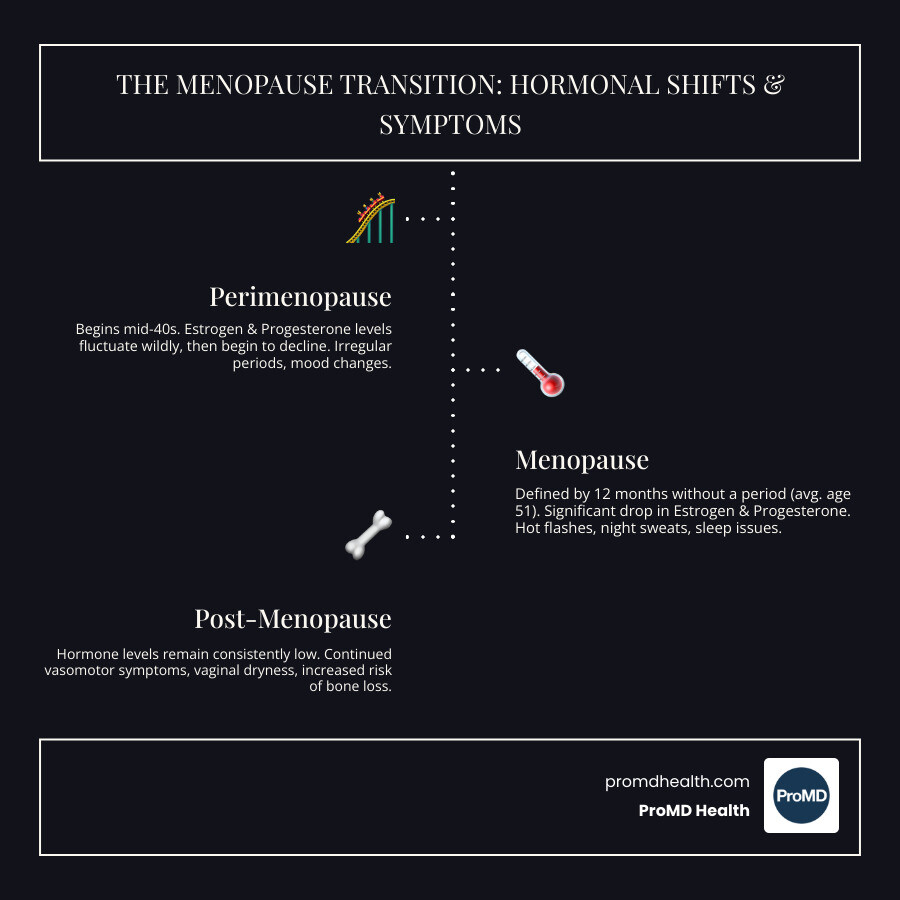
Menopause is defined as 12 months without a period, typically occurring around age 51. It’s preceded by perimenopause, a transition phase where the ovaries’ production of estrogen and progesterone becomes erratic and declines. This hormonal shift is the root cause of common menopausal symptoms.
- Estrogen decline leads to vasomotor symptoms (VMS) like hot flashes and night sweats, as well as Genitourinary Syndrome of Menopause (GSM), which includes vaginal dryness and urinary issues.
- Progesterone decline can affect mood and sleep quality.
HRT for menopause works by supplementing the hormones your body is no longer making. By restoring hormonal balance, HRT directly alleviates these disruptive symptoms, helping you feel more comfortable and like yourself again. For comprehensive support, explore our menopause management services.
The Goal of Hormone Therapy
The goal of HRT is to manage your symptoms and improve your quality of life. It’s not about reversing aging, but about navigating this natural transition with comfort and confidence. At ProMD Health, we follow the principle of using the lowest effective dose for the shortest necessary duration, personalizing treatment to your specific needs while minimizing potential risks.
Key Hormones Used in Treatment
HRT primarily involves two key hormones:
- Estrogen: This is the primary hormone for relieving hot flashes, night sweats, and vaginal dryness.
- Progestogen (Progesterone or Progestin): This hormone is essential for any woman with a uterus who takes estrogen. It protects the uterine lining (endometrium) from thickening, which would otherwise increase the risk of endometrial cancer. Many experts prefer micronized progesterone, as it may have a better safety profile.
- Testosterone: Women’s bodies also produce testosterone, and its decline can lead to low libido, fatigue, and low mood. A low dose of testosterone may be added to an HRT regimen to address these specific concerns.
Understanding these hormones is the first step in making an informed decision. Learn more by reading our guide on common questions about a hormonal imbalance.
The Benefits and Types of HRT for Menopause
While many women hesitate to seek treatment due to outdated fears, hrt for menopause offers significant, proven benefits that go far beyond just managing hot flashes. At ProMD Health, our hormone optimization therapy is designed to help you thrive during this transition by leveraging these advantages.
Primary Benefits of Hormone Therapy
HRT is the most effective treatment for many disruptive menopausal symptoms, leading to a dramatic improvement in quality of life. Key benefits include:
- Relief from Vasomotor Symptoms: Drastically reduces or eliminates hot flashes and night sweats.
- Improved Sleep: Better sleep quality follows when night sweats are controlled.
- Mood and Cognitive Support: Can help stabilize mood, reduce irritability, and clear “brain fog.”
- Relief from GSM: Alleviates vaginal dryness, painful intercourse, and related urinary symptoms.
- Bone Protection: This is a critical long-term benefit. Women can lose up to 20% of their bone mass in the first five years post-menopause. Systemic HRT can reduce the risk of fracture by 50% to 60%, effectively preventing osteoporosis.
Some studies also suggest that starting HRT early in menopause may reduce the risk of cardiovascular disease and Alzheimer’s, but it is not prescribed solely for these reasons.
Different Types of Hormone Therapy
HRT is not one-size-fits-all. Treatment is personalized based on your symptoms, health history, and preferences.
Systemic vs. Local Therapy
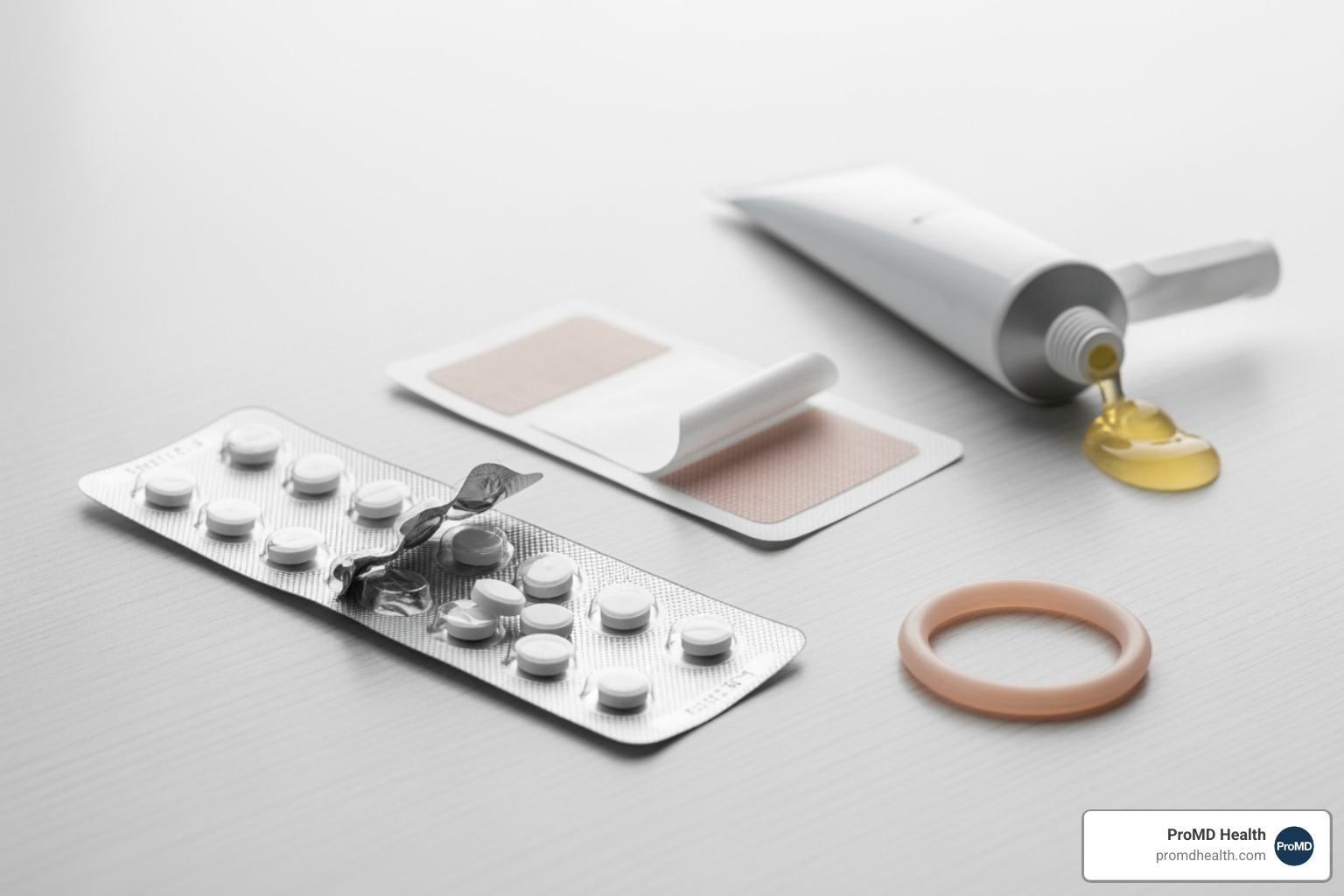
- Systemic Therapy: Hormones circulate throughout the body to treat widespread symptoms like hot flashes, night sweats, and to protect bones. It’s available as oral pills, skin patches, gels, or sprays.
- Local Therapy: Estrogen is applied directly to vaginal tissues via creams, tablets, or rings. This is ideal for treating only Genitourinary Syndrome of Menopause (GSM) with minimal absorption into the bloodstream.
Estrogen-Only vs. Combination Therapy
- Estrogen-Only Therapy (ET): Prescribed for women who have had a hysterectomy (no uterus).
- Combination Therapy (EPT): Contains both estrogen and a progestogen. The progestogen is essential to protect the uterine lining from cancer risk and is required for all women who still have their uterus.
During your consultation, we will discuss these options to find the perfect fit for your lifestyle.
Navigating Risks and Determining Candidacy
Deciding on hrt for menopause requires a careful, individualized assessment of your health history and the timing of your menopause. The modern approach is guided by the “timing hypothesis,” which shows that benefits are most likely to outweigh risks when treatment begins within 10 years of menopause or before age 60. To explore your own suitability, see our guide: Hormone Replacement Therapy – Am I a Good Candidate?.
Understanding the Risks of HRT for Menopause
The conversation about HRT risks was shaped for decades by the 2002 Women’s Health Initiative (WHI) study, which sparked widespread fear. However, re-evaluation of the WHI data revealed that the initial interpretation was flawed. The study’s participants were, on average, older (age 63) and used older hormone formulations than what is typically recommended today.
For appropriate candidates, the risks are now understood to be small and manageable. A transparent discussion should include:
- Blood Clots and Stroke: Oral estrogen carries a small increased risk. This risk appears to be lower with transdermal methods like patches, gels, or sprays.
- Breast Cancer: The risk is complex and individualized. With combination therapy, a small increase in risk may not appear until after 5 years of use. For some women on estrogen-only therapy, the risk may even be reduced.
- Endometrial Cancer: This risk applies only to women with a uterus taking estrogen alone. It is effectively eliminated by adding a progestogen to the regimen.
- Gallbladder Disease: There is a small increased risk.
The key takeaway is that for healthy women in early menopause, these risks are generally low, and the specific type, dose, and delivery method of HRT can further minimize them.
The FDA’s Removal of ‘Black Box’ Warnings

In a landmark decision in 2025, the FDA announced the removal of most “black box” warnings from menopause hormone therapies. This move, based on a comprehensive review of modern scientific evidence, signaled a major shift away from the outdated fears of the past. It validated what experts had argued for years: the old warnings were deterring women from a safe and effective treatment. This decision restores evidence-based medicine to menopause care, encouraging balanced discussions based on current science.
Who is a Good Candidate vs. Who Should Avoid HRT?
A thorough evaluation will determine if HRT is right for you.
Good candidates often include:
- Healthy women under 60 or within 10 years of menopause onset.
- Those with moderate to severe symptoms like hot flashes or night sweats.
- Women experiencing early menopause or Premature Ovarian Insufficiency (POI).
- Those seeking prevention of osteoporosis.
HRT is generally avoided in women with:
- A personal history of breast or other estrogen-sensitive cancers.
- A history of blood clots, stroke, or heart attack.
- Active liver disease.
- Unexplained vaginal bleeding.
These are guidelines, and a personal consultation is essential to weigh your individual risks and benefits.
Your HRT Journey: Practical Steps and Considerations
Starting hrt for menopause is a collaborative process. Finding the right regimen can take some trial and error, so we partner with you to make adjustments and find the perfect fit.

Expect an initial follow-up about three months after starting treatment to assess your progress, with annual check-ins thereafter. These appointments are key to monitoring your symptoms, managing side effects, and ensuring your treatment evolves with your needs.
How to Discuss Hormone Therapy with Your Doctor
To make your consultation as productive as possible, come prepared:
- List Your Symptoms: Note what you’re experiencing and how it impacts your daily life.
- Share Your Health History: Include your personal and family medical history, especially regarding cancer, heart disease, or blood clots.
- Ask Questions: Inquire about your provider’s experience with menopause management. You can find certified specialists via The Menopause Society’s directory.
The ProMD Health team is dedicated to expert menopause care and offers convenient HRT telehealth appointments.
Duration of Treatment and How to Stop
There is no universal timeline for hrt for menopause. While many women use it for two to five years, the decision to continue or stop is personal and should be re-evaluated annually with your provider. ACOG advises against routinely stopping treatment at age 65 if you are still benefiting.
When you decide to stop, a gradual tapering of the dose is recommended over stopping abruptly. This helps minimize the chance of symptoms returning.
What are the alternatives to HRT for menopause?
If HRT isn’t right for you, several effective alternatives exist:
- Lifestyle Modifications: A healthy diet, regular exercise, and limiting triggers like alcohol and caffeine can significantly reduce symptoms.
- Cognitive Behavioral Therapy (CBT): This therapy is proven to help manage hot flashes, night sweats, and mood swings.
- Vaginal Moisturizers and Lubricants: Over-the-counter options provide hormone-free relief for vaginal dryness.
- Non-Hormonal Prescriptions: Medications like certain antidepressants (SSRIs/SNRIs), gabapentin, and newer drugs like fezolinetant are effective for hot flashes.
At ProMD Health, we provide comprehensive wellness services to support your menopausal journey, regardless of the path you choose.
Frequently Asked Questions about HRT
Considering hrt for menopause brings up many questions. Here are answers to some of the most common concerns.
What is the difference between bioidentical hormones and FDA-approved therapies?
“Bioidentical” means a hormone is structurally identical to one your body produces. What many people don’t realize is that most FDA-approved hormone therapies, like those containing 17β-estradiol and micronized progesterone, are already bioidentical. These products are rigorously tested for safety, purity, and consistent dosing.
The confusion arises with custom-compounded bioidentical hormones. These are mixed by special pharmacies and are not regulated by the FDA. This lack of oversight means they haven’t been tested for safety or efficacy, and dosages can be inconsistent. For this reason, major medical societies recommend using FDA-approved products. At ProMD Health, we prioritize your safety by using proven, FDA-approved Bioidentical Hormone Replacement Therapy.
Does HRT cause weight gain?
No, hrt for menopause itself is not associated with weight gain. Many women gain weight during menopause, but this is due to age-related metabolic slowing, loss of muscle mass, and lifestyle changes. HRT does not cause this. In fact, by improving sleep and energy levels, HRT can make it easier to maintain a healthy weight. You may notice temporary fluid retention when starting therapy, but this is not true weight gain and usually resolves quickly.
Is there a “right” age to start or stop HRT?
Starting HRT: The “window of opportunity” is key. The benefits of HRT are greatest and the risks are lowest when treatment is started before age 60 or within 10 years of your last period. Starting later requires a more careful discussion of individual risks.
Stopping HRT: There is no mandatory “stop” age. The decision is personal and should be re-evaluated annually with your provider. Many healthy women continue to benefit from HRT well into their 60s and beyond. ACOG advises against routinely stopping at age 65 if the benefits still outweigh the risks for you. When you do stop, a gradual taper is recommended.
Conclusion: Your Path to a More Comfortable Menopause
The landscape of hrt for menopause has evolved. It is no longer a treatment to fear but a scientifically-backed option to help you reclaim your comfort, energy, and vitality. For most healthy women who start therapy before age 60 or within 10 years of menopause, the benefits—relief from hot flashes, better sleep, bone protection, and improved mood—often far outweigh the now better-understood risks.
The most effective treatment plan is one that is uniquely yours, custom to your symptoms, health history, and goals. An expert consultation is the foundation of safe, effective care. At ProMD Health, our teams across Maryland, Virginia, Florida, Texas, Colorado, Delaware, and the District of Columbia are committed to being your partner in this journey.
Menopause is a natural transition, but suffering through it is not. You deserve to feel vibrant and confident. If you’re ready to explore how personalized hormone therapy can help you feel like yourself again, we’re here to help.
Begin your personalized Hormone Optimization Therapy journey