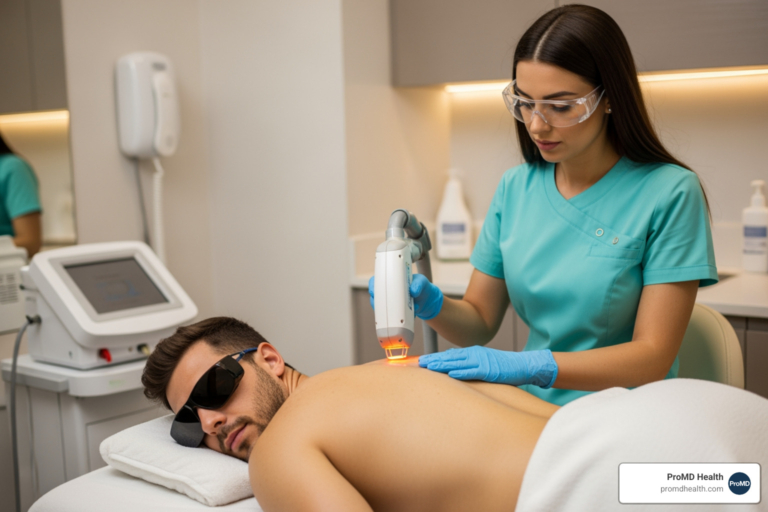
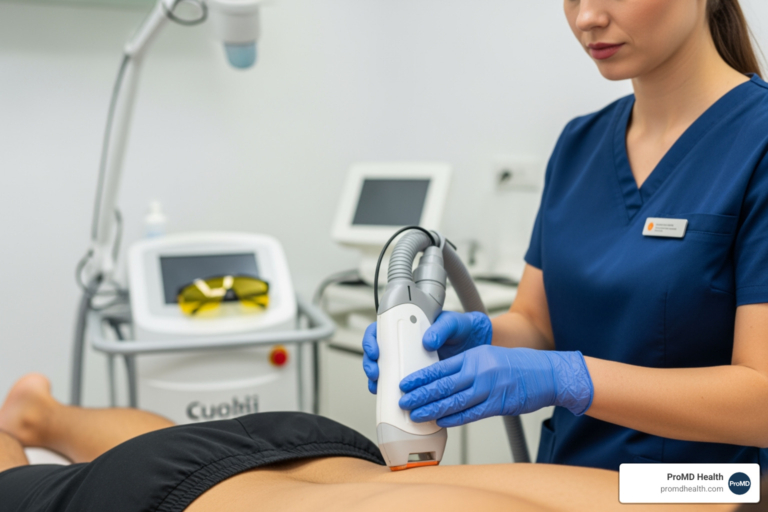
Best permanent hair removal: Ultimate Smooth 2026
Why Permanent Hair Removal Matters for Your Confidence and Convenience
Best permanent hair removal methods offer a solution to the endless cycle of shaving, waxing, and plucking. If you’re tired of reaching for a razor every few days or scheduling regular waxing appointments, you’re not alone.
Quick Answer: The Two Main Options
-
Laser Hair Removal – Significantly reduces hair growth through multiple sessions (4-6 treatments). Works best on light skin with dark hair. Results last months to years with maintenance. FDA-approved for permanent hair reduction.
-
Electrolysis – The only method FDA-approved for permanent hair removal. Works on all hair colors and skin types. Destroys each follicle individually. Best for small areas like the upper lip or chin.
The key difference? Permanent hair reduction (laser) means significantly less hair that grows back finer and lighter. Permanent hair removal (electrolysis) means the treated follicles won’t produce hair again.
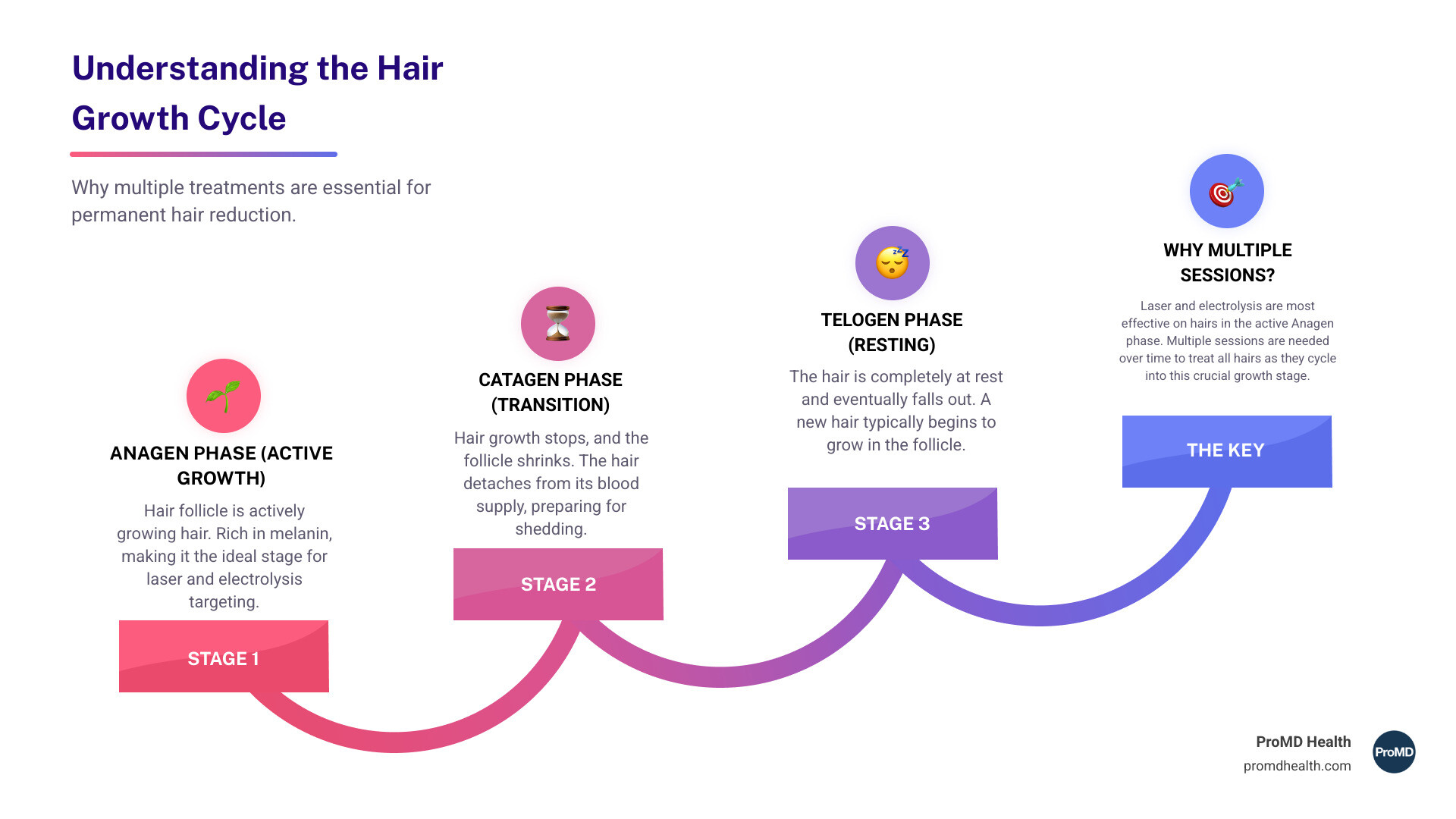
Traditional methods like daily shaving cause irritation and razor bumps, while waxing is painful and requires inconvenient regrowth periods. Professional treatments, however, target the hair follicle itself, disrupting the hair growth cycle at its source for a long-term solution. Hair grows in three stages (anagen, catagen, telogen), and treatments are most effective during the active anagen phase, which is why multiple sessions are necessary.
Both professional laser treatments and electrolysis have advanced significantly. Newer lasers are safer and more effective for a wider range of skin tones, and at-home devices have improved, offering a more accessible entry point for hair reduction, though with less dramatic results than professional options.
The research is clear: laser hair removal can reduce hair by 10-25% after the first treatment, with most people achieving 60-80% reduction after a full series. Professional treatments often last 10-15 years or more, while at-home devices require ongoing maintenance.
The Science of Smooth: How Professional Laser Hair Removal Works
At ProMD Health, we understand that achieving silky-smooth skin goes beyond just surface-level solutions. Professional laser hair removal is a medical procedure that precisely targets hair follicles to inhibit future growth. It’s a game-changer for many, offering long-term hair reduction and freedom from daily routines.
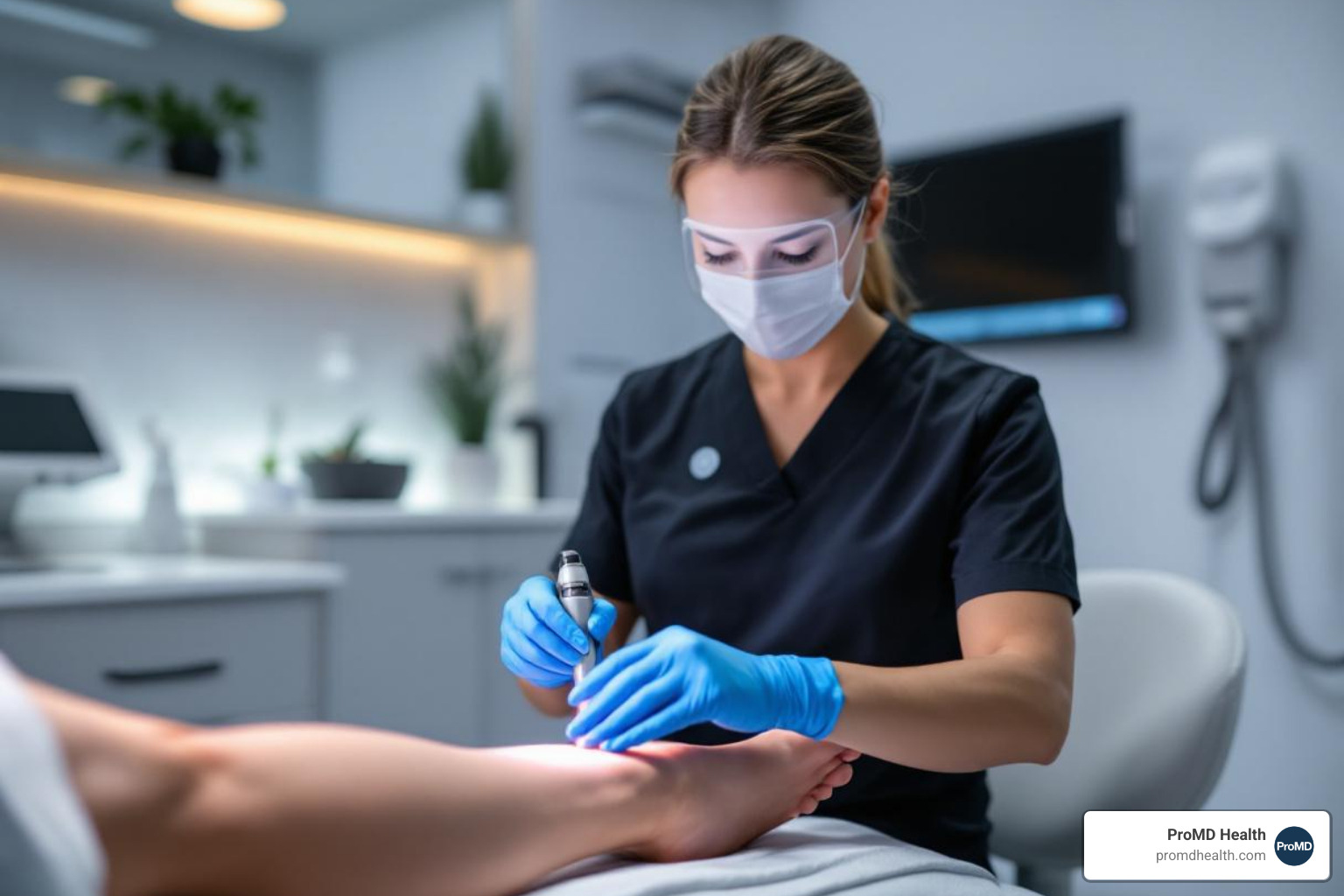
The magic behind laser hair removal lies in a process called selective photothermolysis. It uses a concentrated beam of light (laser) that is absorbed by the pigment (melanin) in your hair. This light energy converts to heat, which damages the hair follicle and inhibits or delays future growth. As research indicates, this precise microsurgery is key to effective hair removal.
Why multiple sessions? Hair grows in three stages, but the laser is only effective during the active growth (anagen) phase. Since only a percentage of your hair is in this phase at any time, multiple treatments spaced 4 to 8 weeks apart are necessary to catch all follicles during their vulnerable growth stage. Typically, patients need 4 to 6 treatments, expecting a 10% to 25% hair reduction after the first session.
Who is an Ideal Candidate for Laser Hair Removal?
While widely accessible, laser hair removal works best for individuals with light skin and dark, thick hair. The contrast allows the laser to focus its energy on the follicle without affecting the surrounding skin. However, advancements in laser technology have made it safer for a wider range of skin tones. At ProMD Health, we use advanced systems with longer wavelengths suitable for darker skin, though careful consideration is required.
Laser hair removal is also an effective treatment for medical conditions like hirsutism, hypertrichosis, and unwanted hair caused by Polycystic Ovary Syndrome (PCOS), significantly improving quality of life.
If you’re wondering if laser hair removal is right for you, we invite you to explore our services further and schedule a consultation. More info about our laser hair removal services.
Types of Lasers and Their Benefits
Different lasers use specific wavelengths for various skin and hair types:
- Alexandrite Laser (755 nm): Fast and effective on lighter skin tones (Fitzpatrick I-III), ideal for large areas.
- Diode Laser (810 nm): A versatile choice for a broad range of skin tones (Fitzpatrick I-IV) due to its deeper penetration.
- Nd:YAG Laser (1064 nm): The safest option for darker skin tones (Fitzpatrick IV-VI) as its long wavelength bypasses melanin in the skin to target the follicle directly.
It’s also important to distinguish between laser and Intense Pulsed Light (IPL) treatments:
- IPL (Intense Pulsed Light): Uses a broad, less-focused spectrum of light. It’s common in at-home devices and works best on fair to olive skin with dark hair.
- Laser: Emits a single, concentrated wavelength for precise, effective follicle targeting, leading to faster results in professional settings.
Pros, Cons, and Potential Side Effects
Choosing laser hair removal comes with benefits and potential risks.
Pros of Laser Hair Removal:
- Speed and Efficiency: Much faster than electrolysis, treating large areas like the back or legs quickly.
- Significant Reduction: Leads to a substantial decrease in hair density, with remaining hair growing back finer and lighter.
- Long-Lasting Results: Results can last for months or years, with many patients enjoying long hair-free periods.
- Fewer Ingrown Hairs: Significantly reduces the occurrence of painful ingrown hairs.
Cons of Laser Hair Removal:
- Cost: A significant upfront investment, though often more cost-effective long-term than waxing. Sessions can cost up to $250.
- Not Truly “Permanent”: It’s permanent reduction, not removal. Maintenance sessions are often needed.
- Less Effective on Light Hair: Doesn’t work on blonde, red, gray, or white hair due to a lack of pigment (melanin).
- Multiple Sessions Required: Several treatments are necessary to target all hair in the correct growth stage.
Potential Side Effects:
Common side effects are generally mild and temporary:
- Redness and Swelling: Similar to a mild sunburn, this usually subsides within 1-3 days.
- Discomfort: A sensation often described as a warm pinprick or a rubber band snap.
- Temporary Pigment Changes: The skin may temporarily lighten or darken, especially on darker skin tones.
Rare side effects include blistering, scarring, or paradoxical hypertrichosis (new hair growth). Choosing a qualified professional, like the board-certified dermatologists and clinicians at ProMD Health, significantly minimizes these risks. Rare side effects and complications.
Electrolysis: The Only Truly Permanent Hair Removal Method
If you’re seeking a solution that truly removes hair permanently, electrolysis is the gold standard. It’s the only method the U.S. Food and Drug Administration (FDA) recognizes as providing permanent hair removal. Once a hair follicle is properly treated, it will not produce hair again.
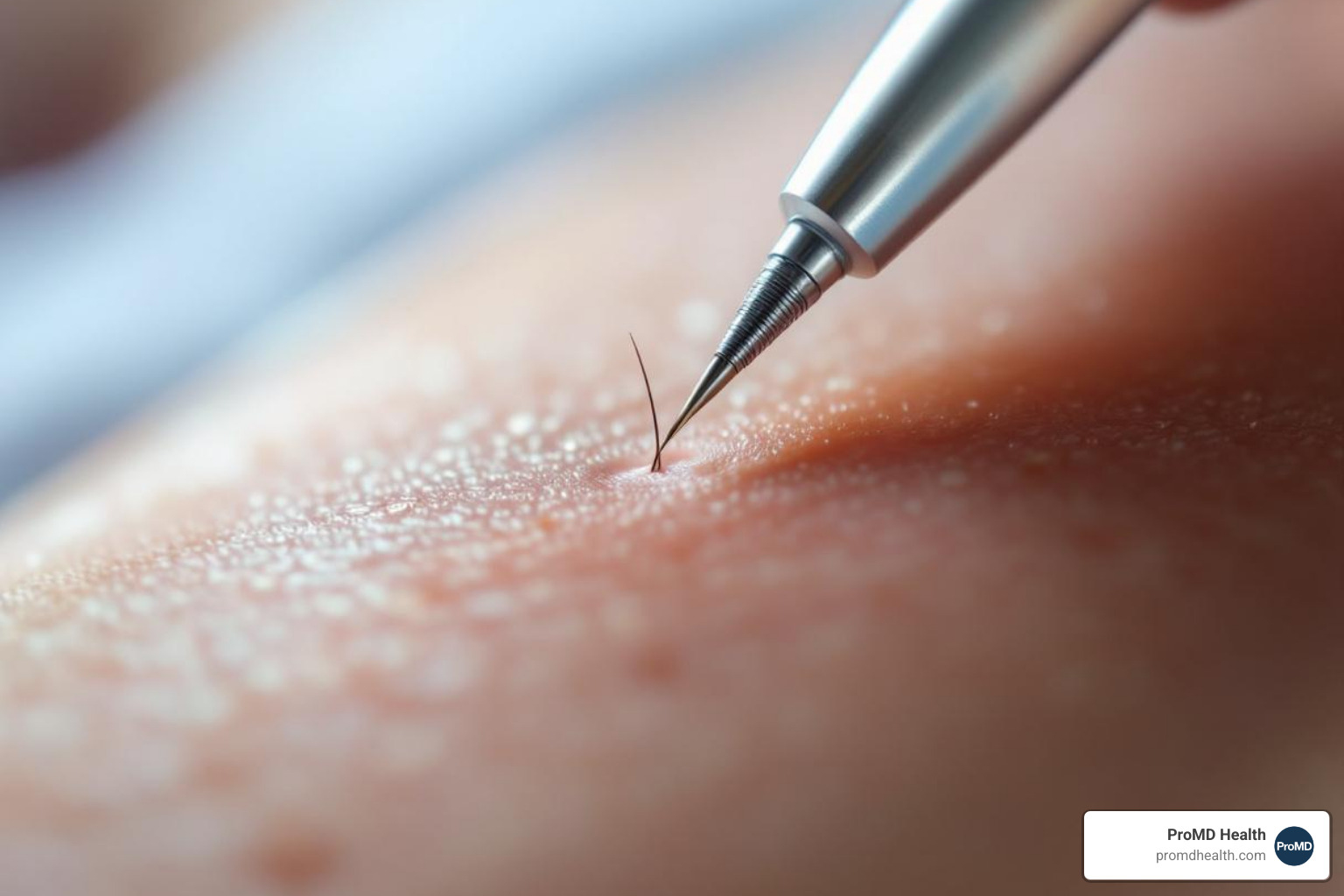
Electrolysis works by inserting a fine probe into each hair follicle and delivering an electrical current to destroy the hair root. This meticulous, hair-by-hair approach permanently prevents new growth. As Dr. Blair Murphy-Rose explains, the electrical energy heats and permanently damages the follicle.
Is Electrolysis the Best Permanent Hair Removal Option for You?
Electrolysis offers truly permanent results, but it’s important to weigh its pros and cons.
Pros of Electrolysis:
- Truly Permanent Results: Once a follicle is destroyed, it’s gone for good. It’s the only FDA-approved method for permanent removal.
- Works on All Hair and Skin Types: Since it doesn’t rely on pigment, it’s effective on all hair colors (including blonde, gray, and red) and all skin tones.
- Versatile: Can be used on any body part, including eyebrows and the upper lip. It’s excellent for stray hairs that laser may miss.
- No Maintenance Required (Once Complete): As the American Academy of Dermatology states, once the hair is gone, you won’t need maintenance treatments. Once the hair is gone, you won’t need maintenance treatments.
Cons of Electrolysis:
- Slow Process: Treating each hair individually is very time-consuming, especially for large areas.
- Can Be Painful: The sensation is often a brief sting, but topical anesthetics can help.
- Requires Many Sessions: Numerous sessions over 12-18 months are needed to treat every hair in its active growth phase.
- Best for Small Areas: Its slow nature makes it impractical for large areas. It’s ideal for the face, eyebrows, or post-laser touch-ups.
What to Expect: Sessions, Cost, and Side Effects
Starting electrolysis is a commitment, but the reward is permanent hair freedom.
Sessions and Cost:
Most patients need 8 to 16 treatments, spaced weekly or bi-weekly at first. Sessions typically cost $35 to $100. While the per-session cost is lower than laser, the total cost can be high due to the large number of sessions required.
Common Side Effects:
- Redness and Swelling: The treated area will likely be red and slightly swollen for a few hours to a day.
- Scabbing: Tiny scabs may form. It’s crucial not to pick them to prevent scarring. They typically heal within a week.
- Discomfort: The sensation is often described as a mild pinprick or heat.
To minimize risks, always choose a certified and experienced electrologist who follows proper hygiene protocols.
Comparing Your Options for the Best Permanent Hair Removal
Deciding on the best permanent hair removal method can feel confusing. We’re here to help with a direct comparison of the leading options.
Laser Hair Removal vs. Electrolysis
Here’s a head-to-head look at how these two powerhouses stack up:
| Feature | Laser Hair Removal | Electrolysis |
|---|---|---|
| Permanence (FDA Def.) | Permanent Hair Reduction | Permanent Hair Removal |
| Best For (Area Size) | Large areas (legs, back, bikini, underarms) | Small, targeted areas (face, stray hairs) |
| Works On (Hair/Skin) | Best: Light skin, dark hair. Some for darker skin. | All hair colors, all skin types. |
| Average # of Sessions | 4-8 treatments | 8-16 treatments |
| Typical Cost Range | $45-$400 per session | $40-$200 per session |
Both methods offer distinct advantages. Laser is faster and more cost-effective for large areas, while electrolysis is the only truly permanent solution, ideal for small areas or light-colored hair.
Professional Treatments vs. At-Home Devices
The rise of at-home devices is tempting, but how do they compare to professional treatments?
- Effectiveness: Professional treatments use higher energy for significant, long-lasting results. At-home devices offer more modest reduction and require ongoing use.
- Safety: Professional treatments are safer, performed by trained clinicians who customize settings to your skin type, minimizing risks. At-home devices carry a higher risk of user error, though research confirms they are safe when used correctly. Scientific research on at-home device safety.
- Technology: Professional lasers are powerful and precise. At-home devices use lower, less powerful energy for safety, requiring more frequent use.
- Cost: Professional treatments have a higher upfront cost but deliver more dramatic, lasting results. At-home devices are cheaper initially ($200-$600) but require a significant time commitment and ongoing use.
When choosing an at-home device, look for features like IPL vs. Diode technology, a high flash count, skin tone sensors, and cooling capabilities for comfort.
Other Long-Term Hair Reduction Methods
While laser and electrolysis are the frontrunners, prescription creams offer another option for long-term reduction.
- Prescription Creams (Eflornithine): This topical cream works by blocking an enzyme necessary for hair growth, slowing it down. It does not remove hair but reduces its growth rate and thickness, making it less noticeable. Results appear after 4-8 weeks and require continuous use. It’s primarily prescribed for unwanted facial hair in women and is often used with laser or electrolysis to improve results.
Your Roadmap to Success: Preparation and Aftercare
The success and longevity of any permanent hair removal treatment, whether laser or electrolysis, depend significantly on proper preparation and diligent aftercare. Think of it as a partnership between you and your provider at ProMD Health – we provide the expertise and technology, and you follow the guidelines to optimize your results.
Several factors influence the success of your treatments:
- Consistency: Adhering to your scheduled sessions is paramount. Missing appointments can disrupt the hair growth cycle and diminish overall effectiveness.
- Hormonal Status: Hormonal fluctuations (e.g., pregnancy, PCOS, menopause) can influence hair growth and may impact treatment outcomes or require maintenance sessions.
- Genetics: Your genetic predisposition plays a role in hair growth patterns and how your hair responds to treatments.
How to Prepare for Your Treatment
Proper preparation ensures your skin is ready for treatment and minimizes potential side effects:
- Consultation: Always start with a thorough consultation. Our specialists at ProMD Health will review your medical history, assess your skin and hair type, and discuss your goals to create a personalized treatment plan.
- Avoiding Sun Exposure: This is critical for laser hair removal. Avoid direct sun exposure, tanning beds, and sunless tanning creams for at least 4-6 weeks before your session. Tanned skin increases the risk of burns and hyperpigmentation.
- Shaving the Area: For laser hair removal, shave the treatment area 24 hours before your appointment. This ensures the laser energy targets the follicle, not the surface hair, which could cause burns. For electrolysis, your provider may advise on shaving or letting hair grow slightly.
- Stopping Other Hair Removal Methods: For at least four weeks (some say several weeks) before laser or electrolysis, avoid plucking, waxing, threading, or using depilatory creams. These methods remove the hair follicle, leaving nothing for the laser or electrologist to target. Shaving is the only acceptable method between sessions.
- Avoiding Certain Skincare Products: Discontinue using active skincare ingredients like retinoids, alpha-hydroxy acids (AHAs), and vitamin C for 24-48 hours before your treatment, as these can make your skin more sensitive.
Post-Treatment Best Practices for Lasting Results
Aftercare is just as important as preparation for ensuring comfort, preventing complications, and maximizing your results:
- Sun Protection is Non-Negotiable: After both laser and electrolysis, your skin will be more sensitive to UV rays. Avoid direct sun exposure for at least 1-2 weeks, and diligently apply a broad-spectrum sunscreen with an SPF of 30 or higher daily for at least six weeks. This protects against hyperpigmentation and other sun-related damage.
- Using Cool Compresses: Applying a cool compress or an aloe vera gel can help soothe any redness, swelling, or discomfort you might experience after treatment.
- Gentle Cleansing and Moisturizing: Cleanse the treated area gently with a mild, fragrance-free cleanser. Keep your skin hydrated with a gentle, oil-free moisturizer. Avoid harsh scrubs or exfoliants for several days.
- Avoiding Heat: For at least 24-48 hours post-treatment, steer clear of very hot showers, saunas, steam rooms, and intense exercise. Excessive heat can exacerbate redness and irritation.
- When to Expect Hair Shedding: For laser hair removal, don’t be alarmed if hair appears to be growing back in the days or weeks following your session. This is actually the treated hair shedding from the follicles. It typically falls out over 1-3 weeks.
- AAD’s Post-Treatment FAQs: For more detailed guidance, the American Academy of Dermatology provides excellent post-treatment FAQs. AAD’s post-treatment FAQs.
By following these guidelines, you’re not just recovering; you’re actively supporting your journey to smoother, hair-free skin.
Achieve Your Smoothest Skin with Professional Guidance
We’ve compared the best permanent hair removal options, from laser’s significant reduction to electrolysis’s true permanence. While at-home devices are convenient, professional treatments offer superior, safer, and more predictable long-term results.
At ProMD Health, your journey to smooth skin should be comfortable and effective. Our team of specialists, led by George Gavrila, MD, Founder and Medical Director, uses advanced technology to create treatment plans customized to your unique skin, hair, and aesthetic goals. We pride ourselves on providing best-in-class care to ensure your experience is safe and satisfying. Our locations across Maryland, Virginia, Florida, Texas, Colorado, Delaware, and the District of Columbia are equipped to help you achieve your desired results.
No matter your skin tone or hair color, a personalized consultation with an expert is the most crucial first step. We’ll discuss your options, set realistic expectations, and guide you toward the solution that’s truly best for you.
Ready to ditch the razor for lasting smoothness? Explore our advanced laser hair removal treatments and schedule your consultation with us today.