
Fibroblast Treatment: 2025’s Ultimate Skin Secret
Why Fibroblast Treatment is Revolutionizing Non-Surgical Skin Rejuvenation
Fibroblast treatment is a non-surgical skin tightening procedure that uses plasma energy to stimulate collagen production and reduce wrinkles, sagging skin, and other signs of aging. Here’s a quick overview:
What It Is:
- A minimally invasive procedure using a plasma pen device.
- Creates controlled micro-injuries to trigger natural skin healing.
- Also known as Plasma IQ, Plasma Lift, or plasma skin resurfacing.
What It Treats:
- Wrinkles and fine lines (crow’s feet, forehead lines, smoker’s lines).
- Sagging skin (eyes, neck, and jawline).
- Acne scars, stretch marks, skin tags, and age spots.
Key Facts:
- Procedure Time: 30-60 minutes
- Downtime: 5-7 days of visible healing
- Results Last: 1-4 years
- Sessions Needed: 1-3 treatments
- Cost: $400-$700+ per session
How It Works:
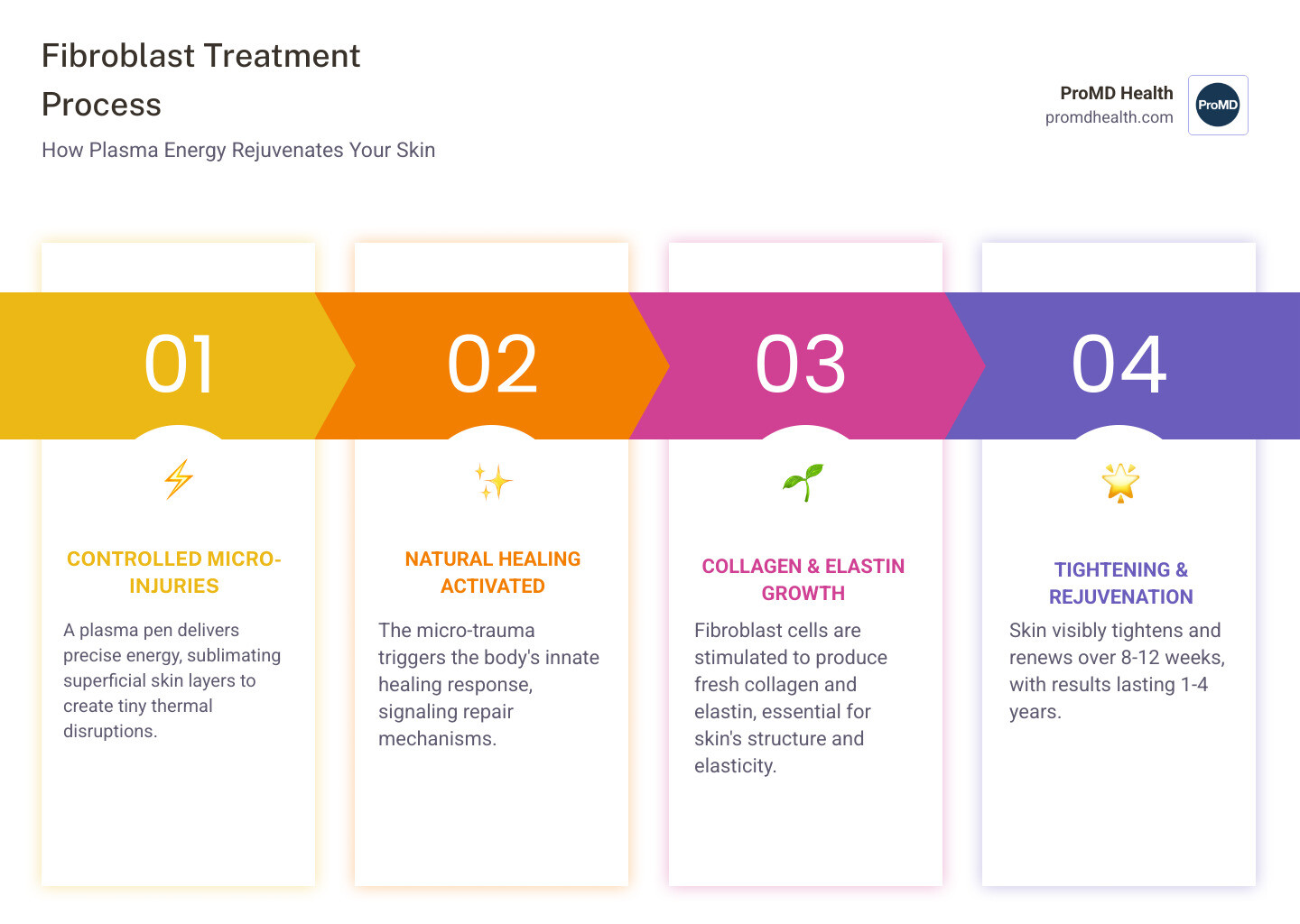
The plasma pen creates tiny arcs of energy that sublimate (vaporize) superficial skin, triggering your body to produce new collagen and elastin. This naturally tightens and refreshs your skin over 8-12 weeks.
This alternative to surgery shows impressive results. One study found patients reported a 68% overall improvement in facial appearance, while another showed 92% of doctors rated the treatment as effective at three months post-treatment. The precision of plasma technology allows practitioners to safely treat delicate areas like eyelids. You can typically return to normal activities within a week, with proper aftercare.
I’m Scott Melamed, President and CEO of ProMD Health. With a Master’s in Biotechnology from Johns Hopkins University, I’ve focused my career on ensuring our patients access cutting-edge, safe, and effective treatments like fibroblast treatment, delivered by experienced practitioners.
Understanding Plasma Fibroblast Therapy: The Science of Skin Rejuvenation
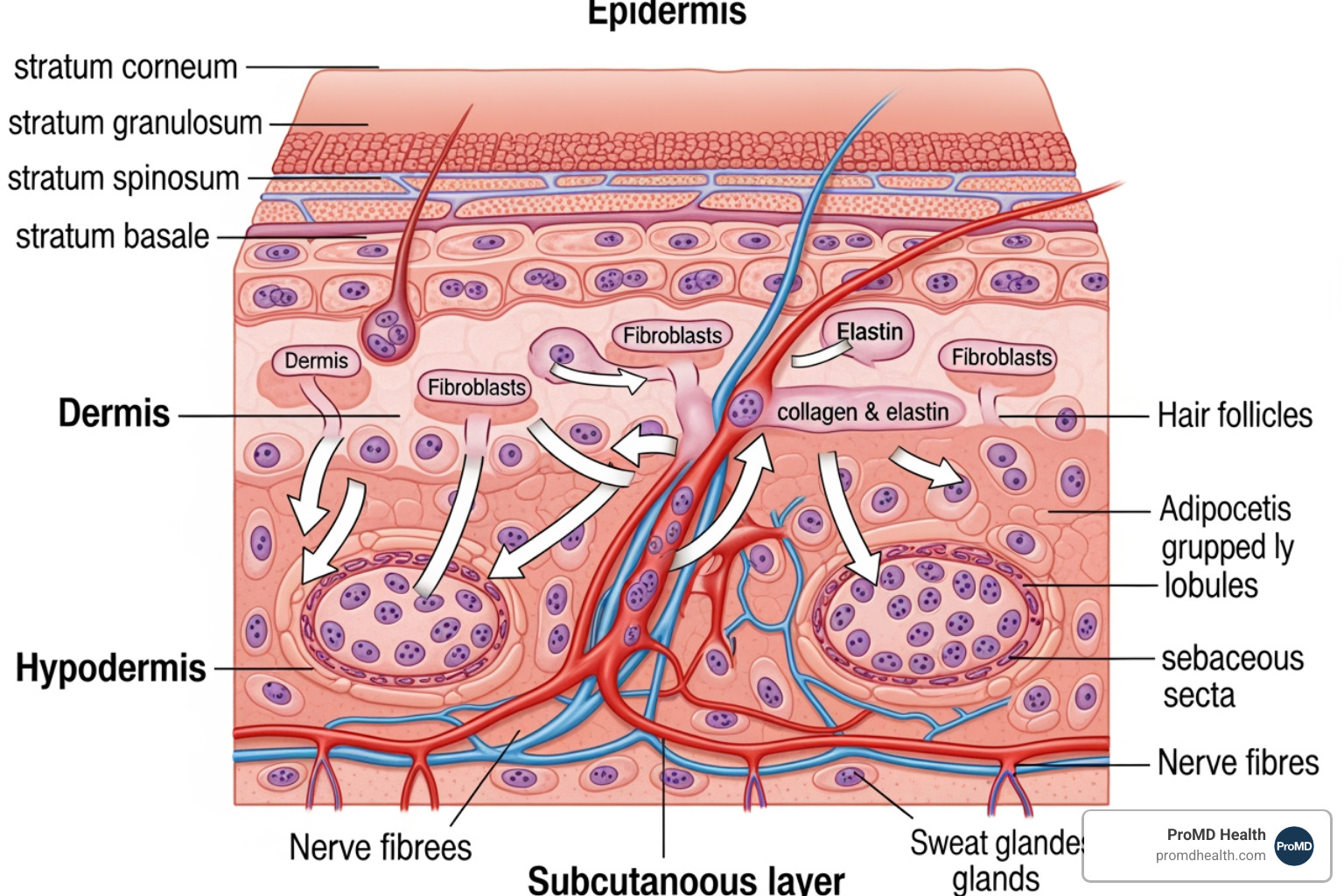
Your skin’s firmness comes from fibroblasts, cells in the dermis that produce the collagen and elastin that keep skin bouncy and youthful. As we age, fibroblast activity slows, leading to wrinkles and sagging. Fibroblast treatment reawakens these cells.
The procedure works by creating controlled micro-trauma on the skin’s surface using plasma energy. These tiny, precise injuries are a wake-up call for your skin. Your body rushes to repair the area, sending fibroblasts into overdrive. This process, called sublimation, uses plasma to vaporize the superficial skin layer without direct contact. The thermal disruption breaks down old collagen and signals fibroblasts to produce fresh collagen and elastin, resulting in tissue regeneration that tightens and smooths skin from within. For a deeper dive, this scientific review of plasma medicine offers more insight.
How Does It Work? The Plasma Arc Explained
Plasma is the fourth state of matter—an ionized gas that carries an electrical current. During a fibroblast treatment, a specialized pen-like device generates a tiny electrical arc that hovers just above the skin. This arc ionizes atmospheric gases (mainly nitrogen) to create plasma.
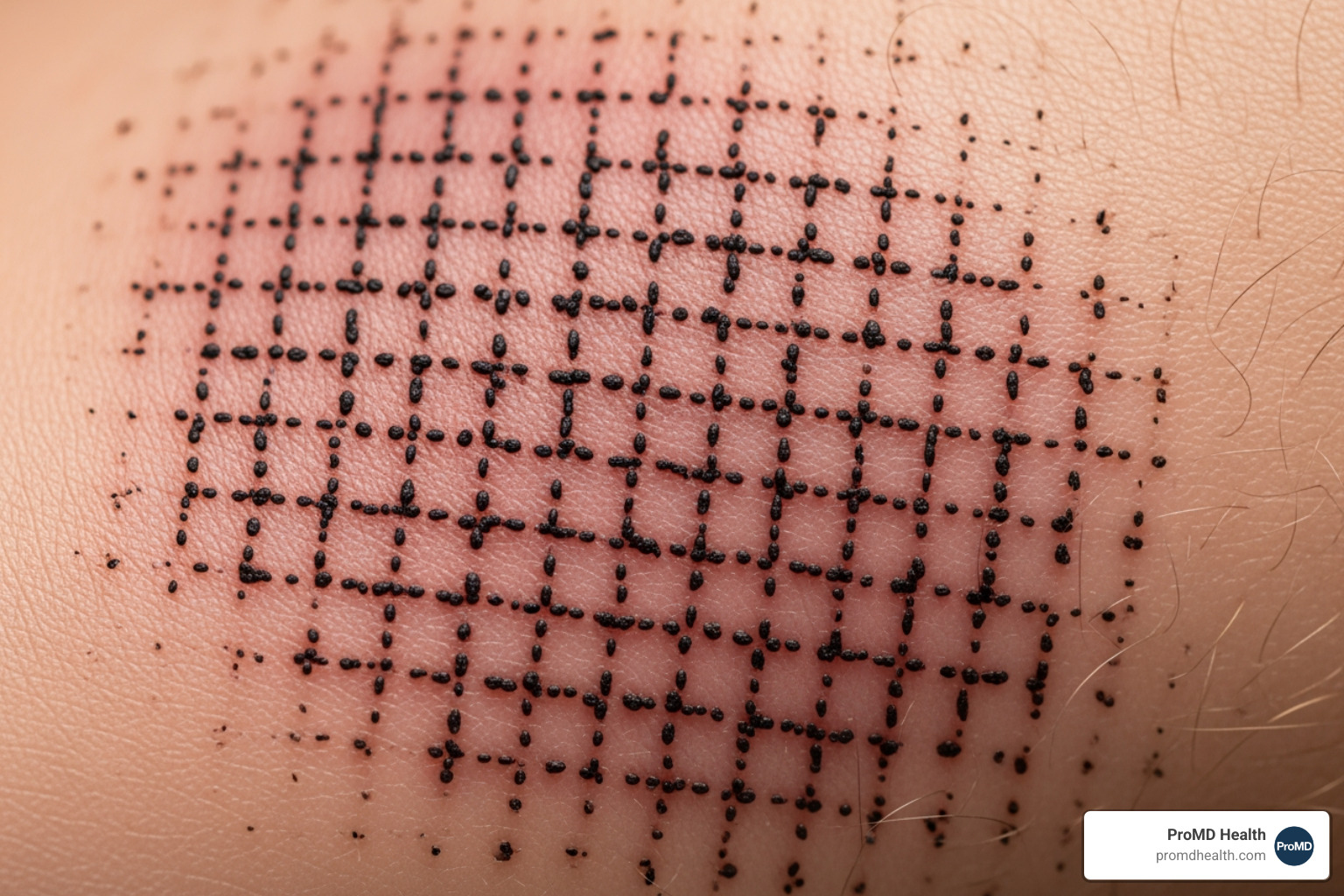
When the plasma arc interacts with your skin, it causes instant sublimation of the epidermis, turning the outermost skin layer from solid to gas. This leaves behind a tiny dot called a carbon crust. Each dot is a controlled micro-injury that triggers three key effects: it breaks down old collagen, signals the body’s healing response, and stimulates fibroblasts to produce new collagen and elastin.
The technology’s precision allows it to affect only the surface, unlike more aggressive treatments. This means faster healing, with the outer layer acting as a natural bandage while new skin forms underneath. To see how this compares to other methods, this article on skin resurfacing procedures provides excellent context.
What Skin Concerns Can It Address?
Fibroblast treatment is popular for its versatility in addressing both early and established signs of aging.
- Around the Eyes: It effectively treats crow’s feet and offers a non-surgical blepharoplasty (eyelid lift) for drooping eyelids.
- Facial Wrinkles: It softens vertical lip lines (smoker’s lines), nasolabial folds, marionette lines, and even forehead lines and the “11s” between the eyebrows.
- Sagging Skin: It provides a noticeable lift for jowls and loose, crepey neck skin without surgery.
- Scars and Stretch Marks: It encourages collagen remodeling to smooth acne scars and soften stretch marks.
- Other Blemishes: It can remove or reduce skin tags, certain moles, and age spots.
- Overall Texture and Tone: The collagen boost gives skin a firmer, smoother appearance and a natural glow.
Types of Fibroblast Devices
You may hear names like Plasma Pen, Plasma IQ, Plasma Lift, or PLEXR® Plus. These are different brands of devices using the same core plasma technology. What truly matters is whether the device is medical-grade and approved by regulatory bodies like the TGA or FDA. At ProMD Health, we use only approved devices with computerized technology for precise control of the plasma energy. This precision is what makes it possible to safely treat delicate areas like the eyelids, ensuring the highest standards of safety and effectiveness.
The Complete Fibroblast Journey: From Consultation to Recovery
Choosing fibroblast treatment is a step toward refreshed skin. At ProMD Health, we guide you through every stage, ensuring you feel confident and informed from your initial consultation to your final results.
The Procedure: What Happens During a Session?
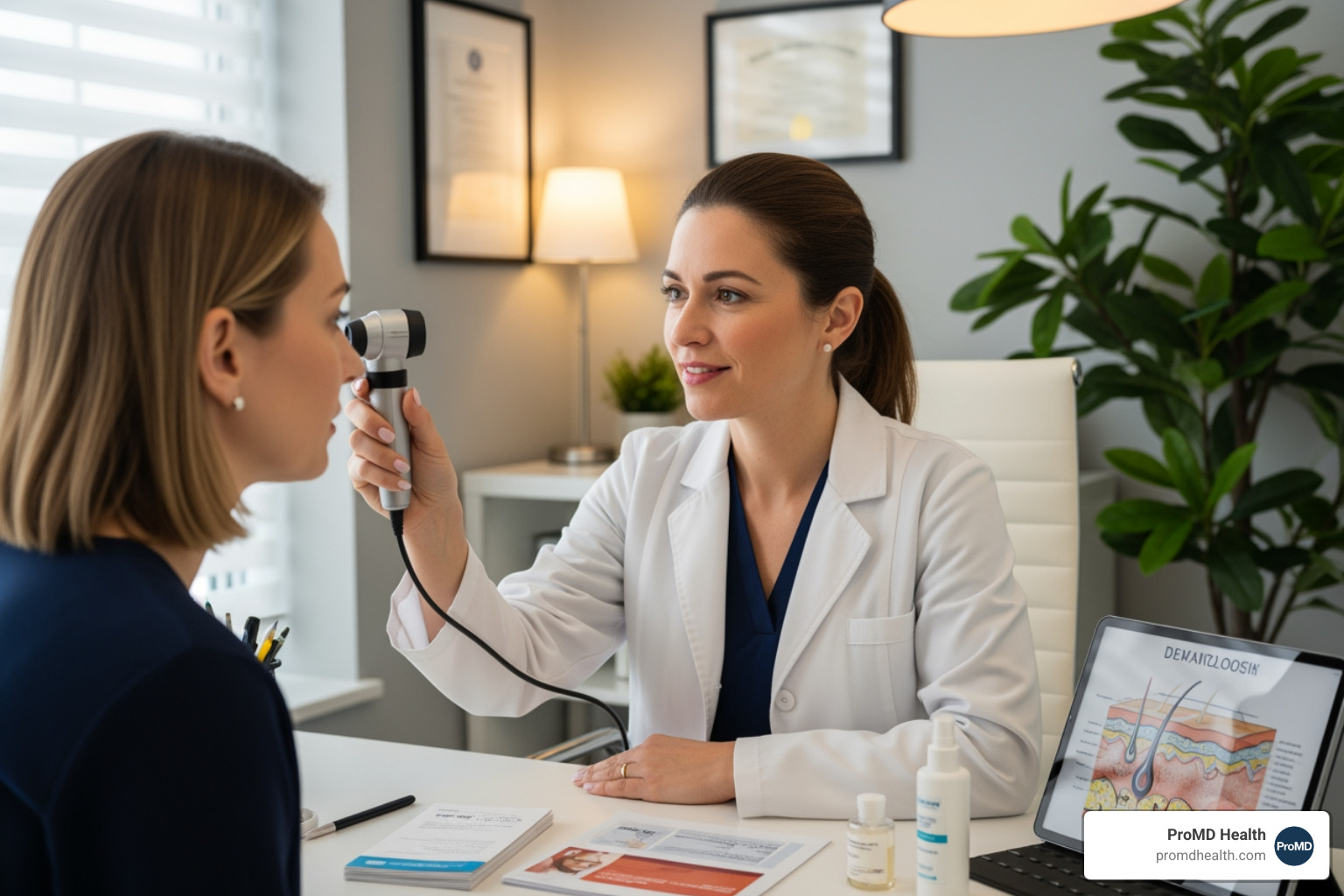
Your journey begins with a comprehensive consultation where our practitioners assess your skin, discuss your goals, and confirm the treatment is right for you. We’ll answer all your questions and explain what to expect.
On treatment day, arrive with a clean face, free of makeup or lotions. We’ll cleanse the area and apply a topical anesthetic cream, which takes about 30 minutes to numb the skin. Most patients report very little discomfort.
Our practitioner then uses the plasma pen to create a precise dot pattern on the target area. Each dot is a controlled micro-injury from the plasma arc. The procedure typically takes 30 to 60 minutes, depending on the size of the area. You might feel a warm or slight tingling sensation, which most patients describe as a minor, quick zap.
Recovery Timeline and Essential Aftercare
Patience is key during recovery, as this is when the real change happens. Proper aftercare is crucial for optimal results.
Immediately After (Days 1-7):
- You will see tiny, dark dots called carbon crusts. The skin will be red, tender, and swollen, especially around the eyes. This is normal and temporary.
- Do not pick or scratch the carbon crusts. They are protecting the healing skin and will fall off naturally in 5-10 days. Picking can cause scarring or infection.
- Swelling and redness will gradually subside during this week.
After the Crusts Fall Off (Weeks 1-12):
- The new skin underneath will be pink and sensitive.
- Your skin will continue to improve for the next 8-12 weeks as new collagen and elastin form. This is when you’ll see the full tightening and smoothing effects.
- Plan for about one week of social downtime for facial treatments.
Essential Aftercare Rules:
- Cleanse gently with a recommended mild, unscented soap. We may also suggest healing balms or colloidal silver spray.
- Protect from the sun. Avoid direct sun for at least 7 days. Afterward, apply a broad-spectrum SPF 30+ daily for at least 12 weeks to prevent hyperpigmentation.
- No makeup on the treated area for at least 7 days, or until all crusts have fallen off.
- Hands off! Do not rub or scratch the area.
- Avoid alcohol for 24 hours before and after treatment, and refrain from smoking for at least 24 hours post-treatment, as both can slow healing.
- Use over-the-counter anti-inflammatory medication like ibuprofen for discomfort if needed.
- Contact us immediately if you experience unusual pain, excessive swelling, or signs of infection. We are here to support you throughout your recovery.
Benefits, Risks, and Candidacy for Fibroblast Treatment
Making an informed decision about any aesthetic procedure is crucial. At ProMD Health, we believe in providing all the facts so you can feel confident in your choice. Your safety and satisfaction are the foundation of our practice.
Major Benefits of This Non-Surgical Lift
Fibroblast treatment offers remarkable rejuvenation without the need for surgery. Key benefits include:
- Natural Skin Tightening: The treatment provides an immediate tightening effect that continues to improve as your body produces new collagen, firming up sagging skin around the eyes, jawline, and neck.
- Wrinkle Reduction: It smooths crow’s feet, lip lines, and forehead creases. A 2007 study found participants had a 37% reduction in wrinkles and a 68% overall improvement in facial appearance. You can read the study showing significant results here.
- Improved Skin Texture: The treatment promotes skin regeneration, leading to a smoother, more even, and radiant complexion.
- Long-Lasting Results: Most patients enjoy their refreshed look for 1 to 3 years, with some benefits lasting up to 4 years.
- Minimal Downtime: While there is a week of visible healing, it is significantly less than the weeks or months of recovery required for surgery.
- Precision Treatment: Plasma technology can safely treat delicate areas like the eyelids, which other devices often cannot.
- Natural Stimulation: The results are genuinely yours, achieved by stimulating your body’s own healing processes.
Who Is an Ideal Candidate?
Fibroblast treatment is transformative but not suitable for everyone. Ideal candidates generally have:
- Mild to moderate skin laxity, wrinkles, or fine lines.
- Lighter skin tones (Fitzpatrick skin types I-III), where the treatment is safest and most effective.
- Good overall health and realistic expectations.
This treatment is not recommended if you:
- Are pregnant or breastfeeding.
- Have a darker skin tone (Fitzpatrick IV and above) due to a higher risk of hyperpigmentation. A patch test is essential for these skin types.
- Have active skin infections, certain chronic skin conditions, autoimmune disorders, a pacemaker, epilepsy, or a history of keloid scarring.
- Are currently taking isotretinoin (Accutane) or have in the past year.
- Are undergoing active cancer treatment or have allergies to topical anesthetics.
Potential Risks and the Dangers of At-Home Pens
When performed by a qualified professional, fibroblast treatment is very safe. However, it’s important to understand the potential risks.
- Expected Side Effects: Redness, swelling, tenderness, itching, and the formation of carbon crusts are normal parts of the healing process and typically resolve within a week.
- Potential Risks: Less common risks include post-inflammatory hyperpigmentation (PIH), a temporary darkening of the skin, or hypopigmentation (lightening of the skin), which can be permanent. Scarring and infection are also possible, especially if aftercare instructions are not followed.
A Serious Warning: Do NOT Use At-Home Pens
The internet is flooded with cheap, unregulated plasma pens that are extremely dangerous. Health Canada has issued a warning against these unauthorized devices, noting they can cause severe burns, permanent scarring, disfiguring skin color changes, infection, and eye damage. The FDA has not cleared any plasma fibroblast devices for aesthetic use, underscoring the risks.
Your face and health are not worth the gamble. At ProMD Health, we use only medical-grade, approved devices in a sterile environment, and our licensed practitioners are highly trained. Choosing a reputable medical facility is essential for your safety and results.
Fibroblast Treatment: Cost, Sessions, and Results
Understanding the investment of time and money is key when considering fibroblast treatment. This procedure offers lasting improvements, making it a worthwhile investment in your skin’s future.
What to Expect: Cost and Number of Sessions for Fibroblast Treatment
The cost of fibroblast treatment depends on the size and number of areas being treated. Generally, you can expect to pay $400 to $700 or more per treatment area for a single session. Treating smaller areas like crow’s feet or lip lines will fall within this range, while larger or multiple areas will cost more.
For comparison, the American Society of Plastic Surgeons reports an average cost of around $2,456 for non-surgical skin tightening procedures, making fibroblast a potentially more affordable option. You can review more on nonsurgical skin tightening costs here.
While some people see great results after one treatment, most patients require 1-3 sessions to achieve their desired outcome. We space these sessions 6-8 weeks apart to allow for complete healing and collagen generation. During your consultation at ProMD Health, we will provide a customized treatment plan and a detailed quote.
How Long Do Fibroblast Treatment Results Last?
One of the biggest advantages of fibroblast treatment is the longevity of the results. By stimulating your body’s own collagen production, the improvements are durable.
Most patients enjoy visible results for 1 to 4 years, with the typical range being 1-3 years. The fibroblast stimulation and collagen production can continue for up to a year after your procedure, creating a long-term benefit.
To maintain your refreshed appearance, we often recommend annual maintenance sessions. Your lifestyle also plays a crucial role. Daily use of a broad-spectrum SPF, a consistent skincare routine, and avoiding smoking will help protect your investment and extend the life of your results.
Frequently Asked Questions about Plasma Fibroblast Therapy
Here are concise answers to the most common questions we receive about fibroblast treatment.
Is fibroblast treatment painful?
Most patients find the treatment very tolerable. We apply a powerful topical numbing cream before the procedure to minimize discomfort. During the session, you might feel a warm or mild stinging sensation, but the pain level is generally reported as low and manageable.
Can fibroblast therapy be performed on any skin color?
This treatment is safest and most effective for lighter skin tones (Fitzpatrick skin types I, II, and III). Individuals with darker skin (Fitzpatrick IV and above) have a higher risk of post-inflammatory hyperpigmentation (temporary skin darkening) or, more rarely, hypopigmentation (permanent lightening). For this reason, a patch test is absolutely essential for darker skin tones to ensure a safe and predictable outcome. For more information, you can review this research on skin type considerations.
Are the results of fibroblast therapy immediate?
No, not entirely. You will see some immediate skin contraction and tightening right after the procedure. However, the most significant and lasting results develop gradually. The treatment stimulates your body to produce new collagen, a process that takes time. The full, transformative effects—smoother, tighter skin—are typically visible after 8 to 12 weeks. This gradual improvement ensures your results look natural and refreshed.
Achieve Your Skin Goals with Expert Care
Fibroblast treatment is a transformative, non-surgical approach that uses your body’s own healing power to tighten skin, reduce wrinkles, and restore a youthful appearance. It delivers long-lasting results—often for 1-3 years or more—without the risks and extended recovery of surgery.
However, the success of this procedure depends entirely on the skill of the provider. Fibroblast treatment is a sophisticated technique that requires medical-grade equipment, extensive training, and a deep understanding of skin biology. Choosing an unqualified practitioner or using an at-home device can lead to serious, permanent complications like scarring, burns, and infection.
At ProMD Health, our reputation is built on providing safe, effective treatments with integrity. Our highly trained practitioners use only state-of-the-art, medical-grade plasma devices that meet rigorous safety standards. We are committed to personalized care, taking the time to listen to your concerns, assess your skin, and set realistic expectations—even using AI simulation to help you visualize potential outcomes.
With convenient locations across Maryland, Virginia, Florida, Texas, Colorado, Delaware, and the District of Columbia—including Annapolis, Arlington, Ashburn, Bel Air, Bethesda, Columbia, Easton, Fort Lauderdale, Hutto, Lafayette, Lewes, Timonium, Tysons Corner, Washington, Wellington, and Westminster—expert care is always nearby.
If you’re ready to see how fibroblast treatment can help you look and feel younger, take the first step. Book your personalized consultation today, and let’s create a plan that reveals your most radiant, confident skin.
