Fibroblast Pre and Post Care: #1 Ultimate Radiant Guide
Why Proper Fibroblast Care Determines Your Results
Fibroblast pre and post care is the most important factor in your skin tightening results, accounting for up to 50% of your treatment’s success. Following the right protocols protects your investment, minimizes downtime, and prevents complications like scarring, infection, or hyperpigmentation.
Quick Answer: Essential Fibroblast Care Steps
Before Treatment:
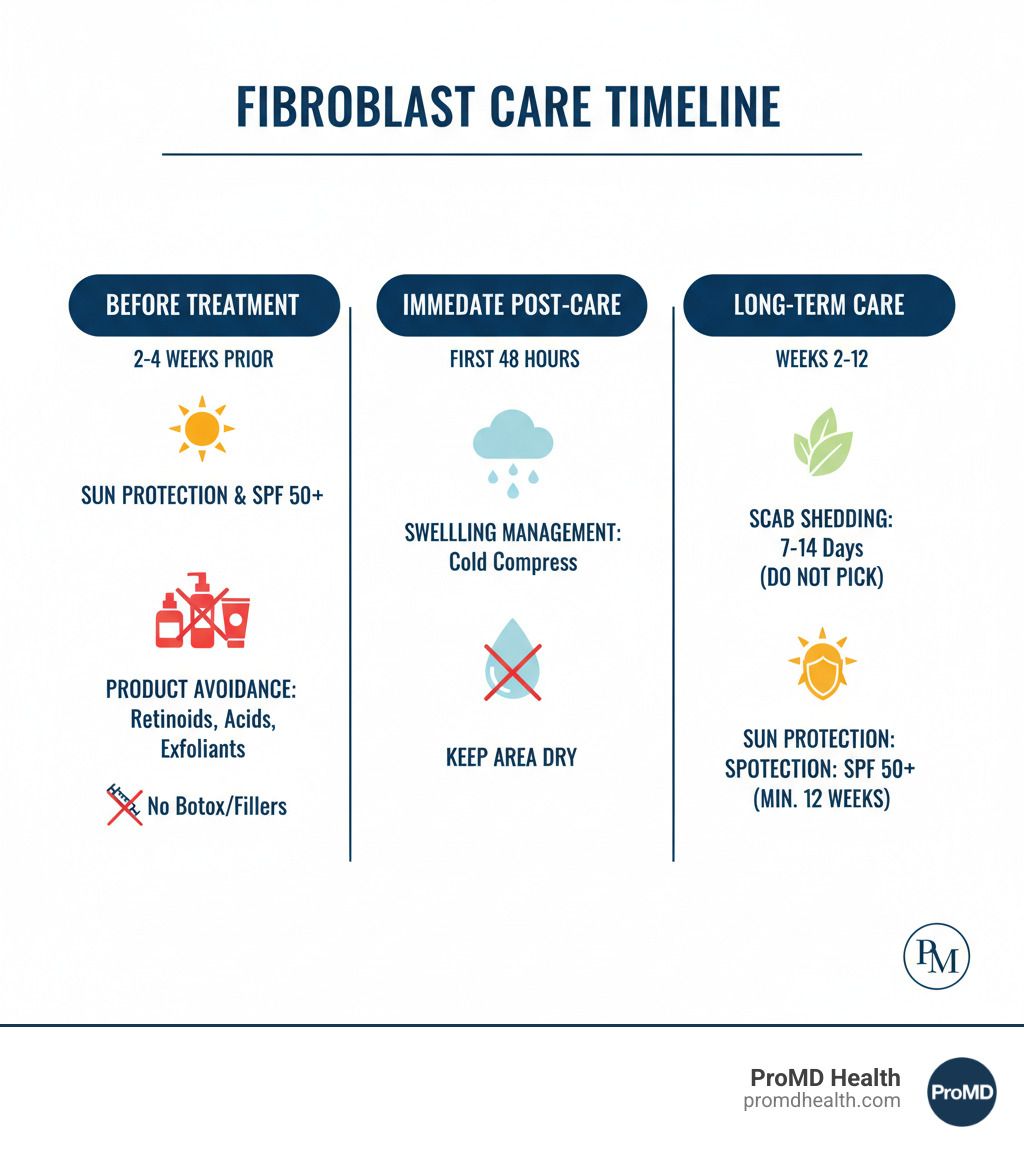
- Avoid sun exposure and tanning for 2-4 weeks.
- Use SPF 50+ sunscreen daily.
- Stop retinoids, acids, and exfoliants 2-4 weeks prior.
- Avoid Botox, fillers, lasers, or peels for specified timeframes.
- Discontinue blood thinners and NSAIDs 2 days before.
After Treatment:
- Keep the area dry for the first 24 hours.
- Apply cold compresses for swelling.
- Do NOT pick scabs (they fall off in 7-14 days).
- Avoid makeup until scabs heal completely.
- Use SPF 50+ for a minimum of 12 weeks.
- Avoid exercise, heat, and sweating for 3-5 days.
- Resume normal skincare only after 8-12 weeks.
Plasma fibroblast creates controlled micro-wounds to trigger your body’s healing response, stimulating collagen and elastin. The full healing process takes 8-12 weeks, and your aftercare during this time directly impacts the final outcome. Neglecting proper care can lead to hyperpigmentation, scarring, or diminished results.
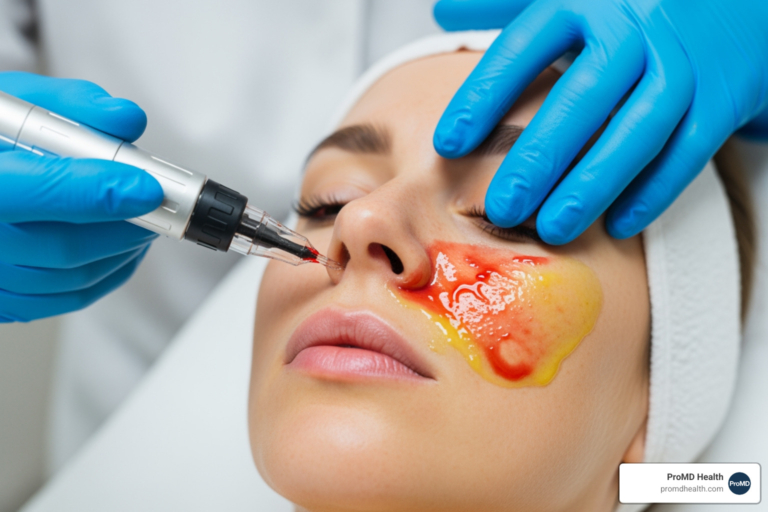
The treatment uses a plasma pen to create carbon dots on the skin, which form protective crusts. These shed in 5-12 days, revealing new skin. This vulnerable skin requires gentle cleansing, moisture, and strict sun protection. Pre-treating your skin for 2 weeks can even speed up healing, with some patients seeing scabs shed in just 2-4 days.
I’m Scott Melamed, President and CEO of ProMD Health. My background in biotechnology and clinical experience has shown me that patient education and meticulous aftercare are the foundation of excellent outcomes for our thousands of patients.
What is Plasma Fibroblast and How Does It Work?
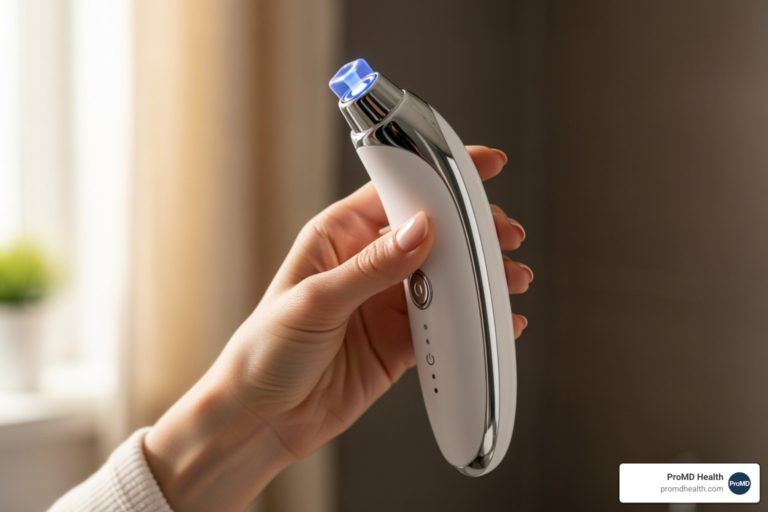
Plasma Fibroblast is a non-invasive procedure that tightens skin and reduces wrinkles without surgery, scalpels, or incisions. At ProMD Health, we use advanced plasma energy to help your skin look younger and tighter naturally.
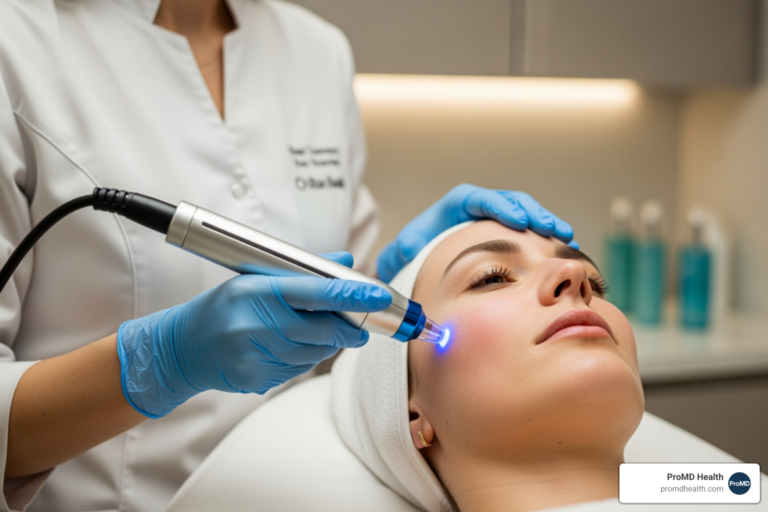
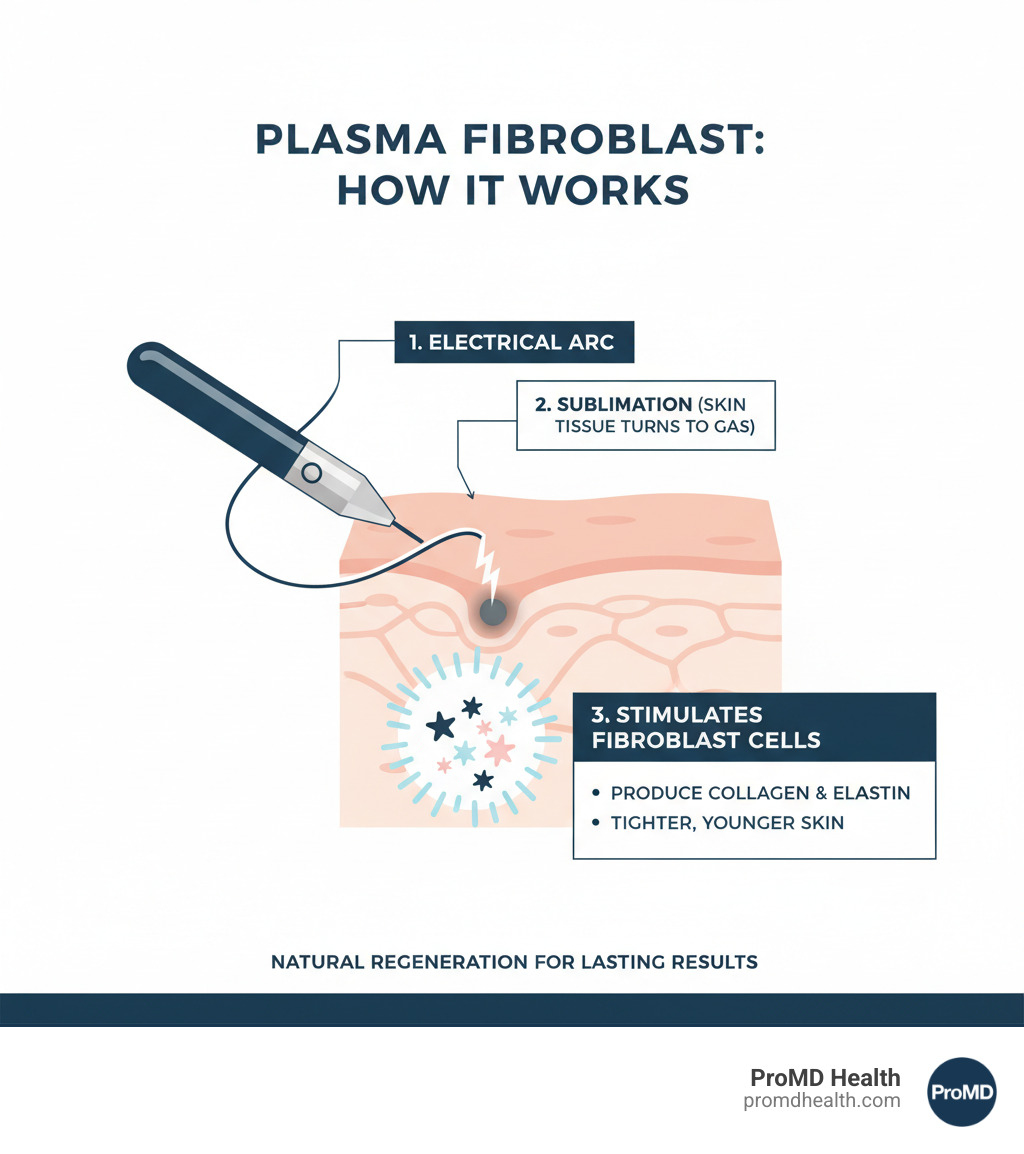
Here’s how it works: A specialized plasma pen creates a tiny electrical arc between its tip and your skin. This arc ionizes gases in the air and, upon touching the skin, causes sublimation—the targeted skin tissue instantly shrinks and tightens. This provides immediate skin tightening results visible in the treatment room.
The real magic happens beneath the surface. The tiny dots created by the plasma pen trigger your body’s natural healing response, activating fibroblast cells in the dermis. These cells are responsible for producing collagen and elastin, the proteins that keep skin firm and youthful.
The treatment stimulates these fibroblast cells, which ramp up collagen and elastin production over the following weeks. This creates long-term improvement and is why proper fibroblast pre and post care is so crucial—it supports this natural regeneration.
You get immediate results from the initial tightening, plus progressive improvement for up to 12 weeks as your skin rebuilds itself. The results look natural because we work with your body’s own processes. Plasma fibroblast can address wrinkle reduction around the eyes and mouth, lift sagging jowls, and tighten neck skin, all through controlled micro-trauma that stimulates genuine skin rejuvenation.
Preparing for Your Treatment: The Pre-Care Essentials
The work you do before your Plasma Fibroblast treatment sets the stage for how well your skin will heal and how dramatic your results will be. Proper fibroblast pre and post care can mean the difference between good results and transformative ones.
Essential Fibroblast Pre and Post Care: Preparing Your Skin
Your skin needs to be in optimal condition before we begin. This allows it to strengthen and build defenses against potential complications.
- Avoid Sun Exposure: For at least 2 to 4 weeks before your appointment, avoid all forms of tanning, including sunbathing, tanning beds, and spray tans. Tanned skin is more prone to post-treatment hyperpigmentation.
- Use Sunscreen Daily: Apply a broad-spectrum SPF 50 sunscreen every day. This is critical for all skin tones, especially Fitzpatrick types 3 and above.
- Pause Other Procedures: Your skin needs a break from other aesthetic treatments. Wait at least 6 weeks after Botox or fillers, 4-6 weeks after laser therapy or chemical peels, and 4 weeks after microneedling. For post-surgical scar treatment, wait a full 9 months.
- Pre-Treat Your Skin: Using gentle, strengthening products for 2 weeks before your appointment can reduce downtime. Some patients find their carbon dots shed in just 2-4 days instead of the typical 8-10.
Medications and Skincare to Avoid
Certain medications and skincare ingredients can interfere with the fibroblast process or slow healing. Be transparent with your ProMD Health provider about all topical and oral products you use.
- Retinoids and Acids: Stop using Retin-A, prescription retinoids, salicylic acid, glycolic acid, and AHAs at least 4 weeks before treatment. These make skin too sensitive.
- Accutane (Isotretinoin): You must discontinue Accutane for a full 6 months before treatment, as it can severely compromise healing.
- NSAIDs and Blood Thinners: Pause medications like aspirin and ibuprofen, and supplements like fish oil and Vitamin E, for at least one week prior to reduce bruising and swelling.
- Alcohol and Caffeine: Avoid for at least 72 hours before your treatment, as they have blood-thinning effects that can increase bruising.
- Antivirals: If you are prone to cold sores, start an antiviral medication like Acyclovir or Valtrex 2 days before your treatment to prevent an outbreak.
Your safety and results are our top priority. Full transparency allows us to provide the best care.
Your Complete Guide to Fibroblast Pre and Post Care
Your commitment to fibroblast pre and post care during the healing phase is critical for achieving beautiful, long-lasting results. Your skin is regenerating, and it needs your support. Follow these steps diligently for the radiant, tightened skin you desire.
Immediately After Treatment (The First 48 Hours)
The first 48 hours are about protecting your skin and managing swelling. A mild sunburn-like sensation is normal and usually fades within an hour, but can last up to 24 hours. Swelling, especially around the eyes, is also expected, peaking in the first 24-48 hours and resolving within 3-5 days.
- Manage Swelling: Apply cloth-wrapped ice packs for 10-minute intervals. Sleep with your head liftd on extra pillows to prevent fluid buildup. Acetaminophen (Tylenol) and antihistamines can help with discomfort and swelling.
- Keep Area Dry and Clean: Do not wash or get the area wet for the first 24 hours. Avoid touching your face to prevent introducing bacteria.
- Avoid Heat and Sweat: No exercise, saunas, or hot yoga for at least 48 hours. Sweat can introduce bacteria and increase inflammation.
- No Products: Do not apply makeup, creams, or sunblock until the carbon crusts have fallen off naturally.
- Avoid Anti-Inflammatories: If possible, avoid aspirin, ibuprofen, or steroids, as they can interfere with the natural healing response that stimulates collagen.
The First Week: Carbon Dot & Scab Care
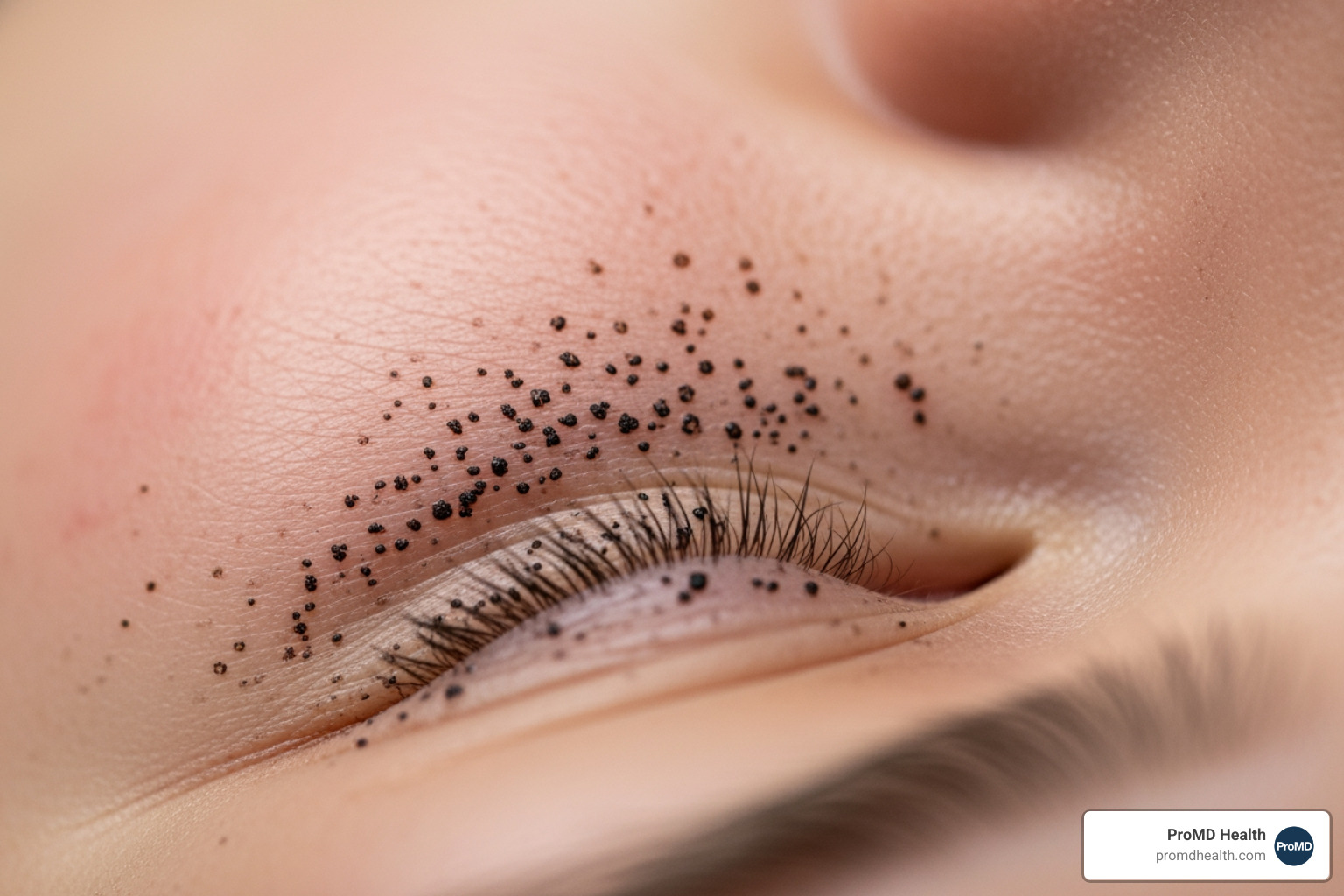
The tiny brown or black dots on your skin are carbon crusts, which act as a protective barrier while new tissue forms. They are a normal and necessary part of healing.
- Do Not Pick: It is crucial that you do not pick, scratch, or rub these crusts. Picking them prematurely can cause scarring, infection, and hyperpigmentation. They will fall off naturally in 6-10 days for facial treatments (up to 14) and about 2 weeks for body treatments.
- Gentle Cleansing: After the first 24 hours, you may gently cleanse the area once daily with lukewarm water and your fingertips. Use a mild, perfume-free cleanser like Cetaphil. Pat the area dry with a soft tissue; do not rub.
- Moisturize: Apply the aftercare ointment recommended by your ProMD Health specialist 2-3 times daily to keep the scabs moisturized, which helps them detach naturally.
- No Makeup or Sun: Continue to avoid all makeup. Protect the area from sun exposure with a wide-brimmed hat and by seeking shade.
- Showering: For the first 3-4 days, avoid letting hot water or shampoo run over the treated area. If it gets wet, rinse with tepid water and pat dry. Avoid swimming pools until healing is complete.
- Eye Area Specifics: Avoid contact lenses for 72 hours. Do not reapply eyelash extensions for a full 8 weeks.
Long-Term Healing & Maintenance (Week 2 to Month 3+)
Once the last carbon crust falls off, the most important healing begins beneath the surface.
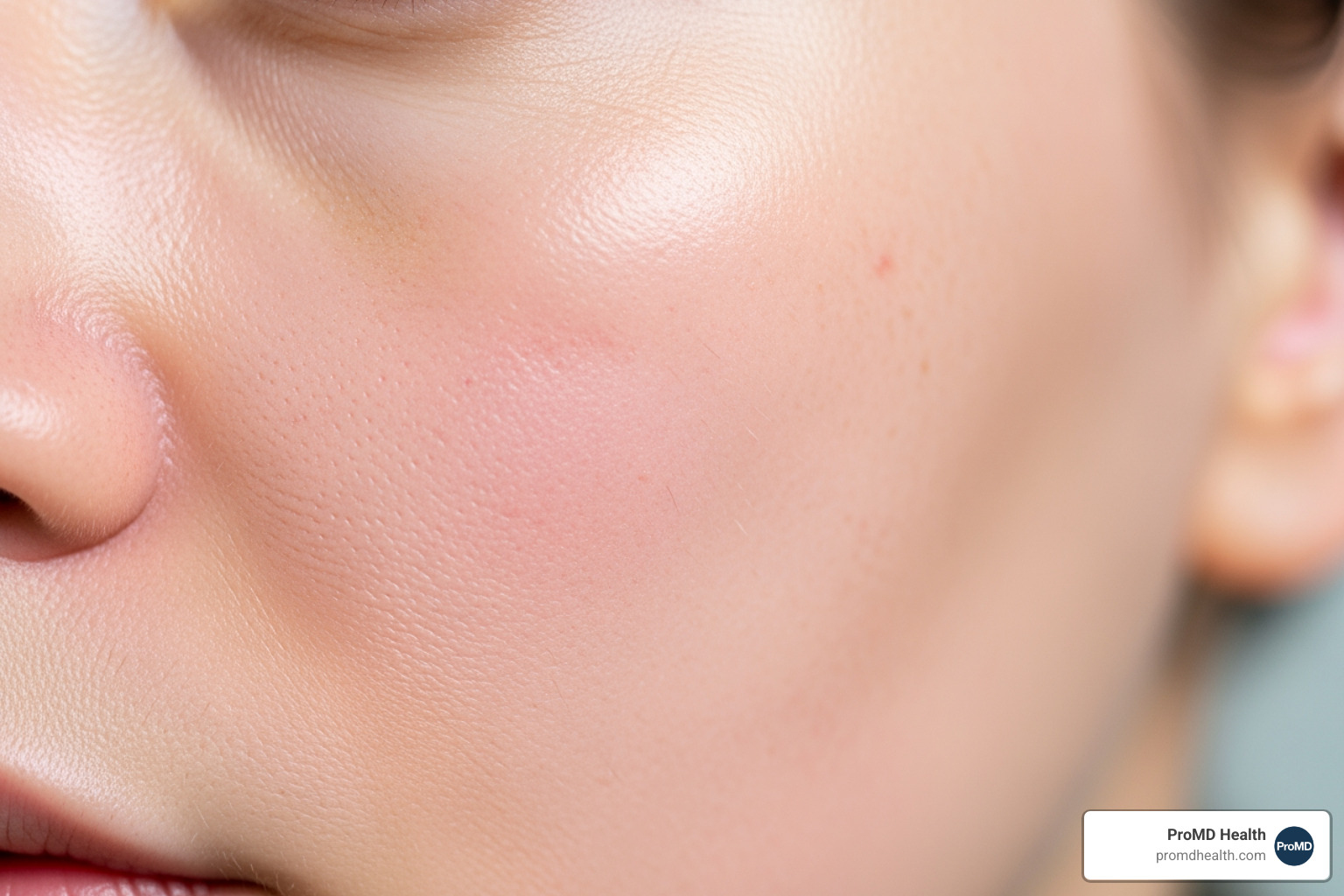
- Pinkness is Normal: The new skin will appear pink, which is a sign of active regeneration. This can last from a few days to several weeks (rarely up to 3 months) before fading to your natural skin tone.
- Resuming Makeup: Once all scabs have fallen off (around day 7-10), you can wear makeup. Start with gentle, mineral-based formulas and use clean brushes.
- Gentle Skincare: Introduce perfume-free, hydrating moisturizers. Continue using a mild cleanser for up to 30 days.
- Strict Sun Protection: This is the most critical step. Your skin is highly sensitive for 3-4 months. Once scabs are gone, apply a physical sunblock (zinc/titanium dioxide) with SPF 50 or higher every day. Reapply frequently and avoid direct sun and tanning beds for at least 10-12 weeks to prevent hyperpigmentation.
- Avoid Harsh Products: For at least 8 weeks, do not use glycolic acid, salicylic acid, retinoids, AHAs, or any scrubs. Reintroducing them too soon can irritate the skin and reverse healing.
- Pause Other Treatments: Wait at least 12 weeks before other facial treatments like facials, chemical peels, or microneedling. Tweezing is fine once scabs are gone, but wait 21 days for waxing (12 weeks near eyes).
- Internal Support: Support healing by avoiding smoking and excessive alcohol. Drink plenty of water and eat a nutrient-rich diet. Supplementing with Vitamin C (1000mg) and collagen can also be beneficial.
The collagen remodeling process continues for 8-12 weeks, meaning your results will keep improving. Your diligence with fibroblast pre and post care ensures the best possible outcome.
What to Expect: The Healing Timeline and Maximizing Your Results
Understanding the healing journey helps you care for your skin at every stage. With proper fibroblast pre and post care, this gradual process leads to the tighter, more youthful appearance you’re seeking.
The Stages of Healing and When You’ll See Results
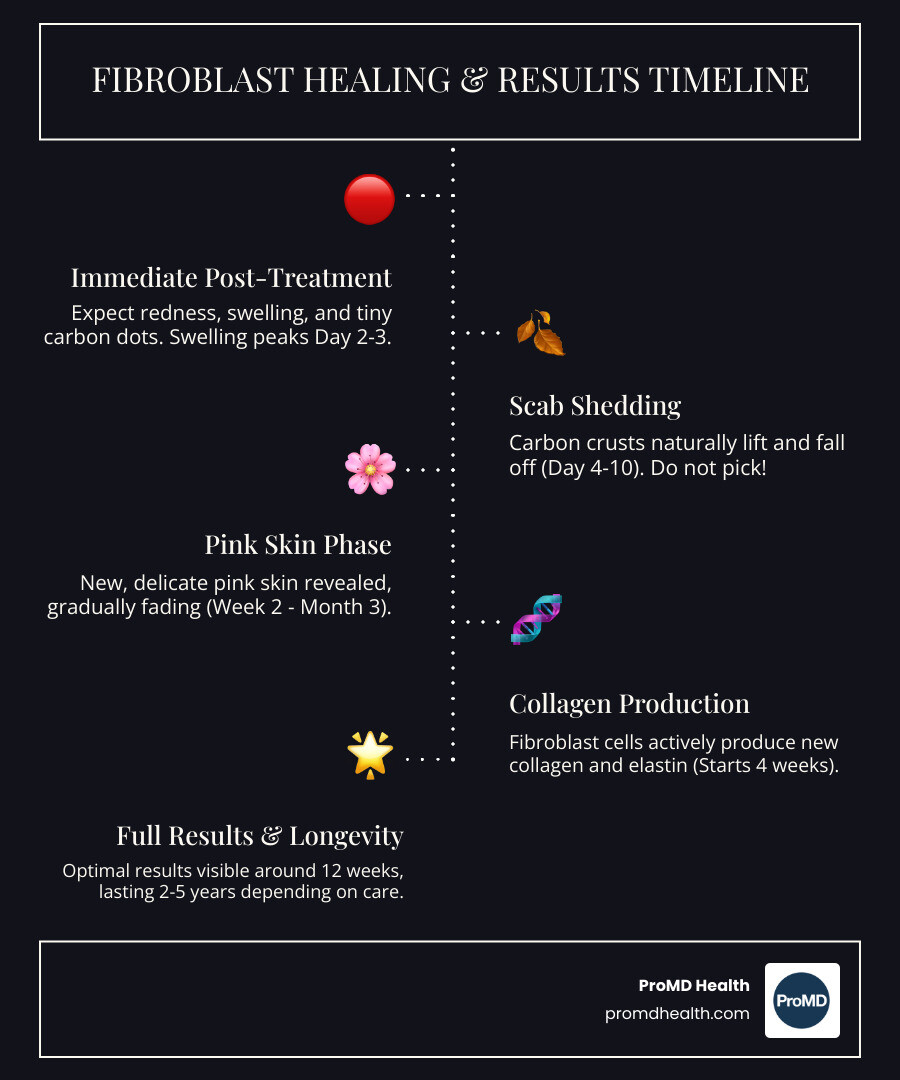
- Day 1: Expect a sunburn-like sensation, redness, and the formation of tiny carbon dots. Swelling begins, especially around the eyes.
- Days 2-3: Swelling typically peaks. Carbon crusts dry and harden, forming a protective layer.
- Days 4-10: Carbon crusts begin to naturally lift and fall away. This process usually finishes by day 7-10 for the face and up to 2 weeks for the body.
- Weeks 2-12 (Pink Skin Phase): Once scabs shed, fresh, delicate pink skin is revealed. This is a sign of active regeneration and the color will fade over the next 2-3 months.
- From Week 4: Fibroblast cells ramp up production of new collagen and elastin, leading to more noticeable tightening and lifting.
- 12 Weeks (Final Results): Your complete, final results are visible after the skin’s full 3-month healing and remodeling cycle. Because the treatment stimulates lasting collagen, results can endure for 2 to 5 years or more.
Potential Risks and When to Contact Your Provider
Plasma Fibroblast is very safe when performed by qualified professionals. It’s important to know the difference between normal healing and a potential complication.
What’s Normal: Mild pinpoint bleeding, scabbing, slight redness, bruising, tenderness, itching, and swelling (especially around the eyes for 3-5 days) are all expected parts of healing that resolve within a week.
When to Contact Us: While infection is rare, call your ProMD Health office immediately if you notice:
- Green or yellow pus-like drainage.
- Spreading redness or warmth that worsens instead of improves.
- A fever of 100.5°F or higher.
Hyperpigmentation: This is a more common concern for darker skin tones (Fitzpatrick type 3+). Your skin has more melanin and is more prone to darkening after trauma or sun exposure. This is why strict adherence to SPF 50+ sun protection is not optional—it’s your best defense against unwanted dark patches.
Scarring: Scarring is rare with proper aftercare. However, individuals prone to keloid scars (raised, thick scars) should avoid this treatment. Please inform us of any history of keloid scarring during your consultation.
We are here for you throughout your journey. If you have any concerns about your healing, please contact us. Your safety and results are our priority.
Frequently Asked Questions about Fibroblast Care
Here are answers to the most common questions we receive at ProMD Health about fibroblast pre and post care.
How many fibroblast treatments are needed?
Most clients are satisfied with one treatment for mild to moderate concerns. For more pronounced skin sagging or deeper wrinkles, one to three sessions may be needed. The number depends on your skin’s laxity and individual response.
Treatments are spaced 8 to 12 weeks apart to allow for the full healing and collagen production cycle. This ensures the best possible results. We will create a personalized plan for you during your consultation.
When can I wear makeup after fibroblast treatment?
You must wait until every single scab has naturally fallen off. This typically takes 7 to 10 days for the face. Applying makeup too soon can trap bacteria and lead to infection, scarring, or pigmentation issues.
Once the scabs are gone, you can apply makeup to the new pink skin. We recommend starting with gentle mineral-based formulas and using clean or new brushes. Remember to apply SPF 50+ sunscreen underneath your makeup.
Are there special aftercare instructions for the eye area?
Yes, the delicate eye area requires special attention.
- Expect Swelling: Significant swelling around the eyes is normal and expected, peaking in the first 48 hours and resolving in 3-5 days. It’s common for swelling from the upper lids to migrate to the under-eye area.
- Minimize Swelling: Sleep with your head liftd on extra pillows for the first three nights. Use cold compresses in 10-minute intervals during the first 48 hours.
- Avoid Contacts: Do not wear contact lenses for 72 hours after treatment.
- No Eyelash Extensions: Eyelash extensions must be removed before treatment and cannot be reapplied for a full 8 weeks to avoid irritation and protect the healing skin.
Achieve and Maintain Your Radiant Results
Your journey to tighter, more youthful skin truly begins after your procedure. The care you give your skin in the following weeks transforms a good result into a stunning one. By following the fibroblast pre and post care guidelines in this guide, you are actively ensuring your skin heals beautifully.
Your commitment to aftercare—from applying SPF 50+ to resisting the urge to pick scabs—directly determines your final outcome. The healing process requires patience, but at the 12-week mark, the tighter, smoother skin you see will be worth every step.
At ProMD Health, we are here for you throughout this entire process. Our team across Annapolis, Arlington, Ashburn, Bel Air, Bethesda, Columbia, Easton, Fort Lauderdale, Hutto, Lafayette, Lewes, Timonium, Tysons Corner, Washington, Wellington, and Westminster in Maryland, Virginia, Florida, Texas, Colorado, Delaware, and the District of Columbia is dedicated to helping you look and feel younger. We combine advanced technology like Plasma Fibroblast with personalized care because informed patients achieve the best results.
Whether you’re exploring Plasma Fibroblast or ready to schedule a consultation, we’re here to guide you. Your radiant, refreshed skin is waiting.