Female hormone specialists: Best 2025 Guide
Why Finding the Right Female Hormone Specialist Matters
Female hormone specialists are healthcare providers who focus on diagnosing and treating hormonal imbalances throughout a woman’s life. Finding the right one is key to navigating changes from perimenopause to post-menopause.
Key Types of Specialists:
- Endocrinologists: Experts in the endocrine system and hormone disorders.
- Gynecologists: Women’s health doctors who manage many hormone-related conditions.
- Certified Menopause Practitioners (NCMPs): Clinicians with specialized training in menopause care.
- Bioidentical Hormone Specialists: Practitioners focused on natural hormone replacement therapy.
When to Seek a Specialist:
- Severe menopause symptoms like hot flashes, night sweats, or mood swings.
- Conditions like PCOS, PMDD, or unexplained weight changes.
- Persistent low energy, brain fog, sleep problems, or sexual health concerns.
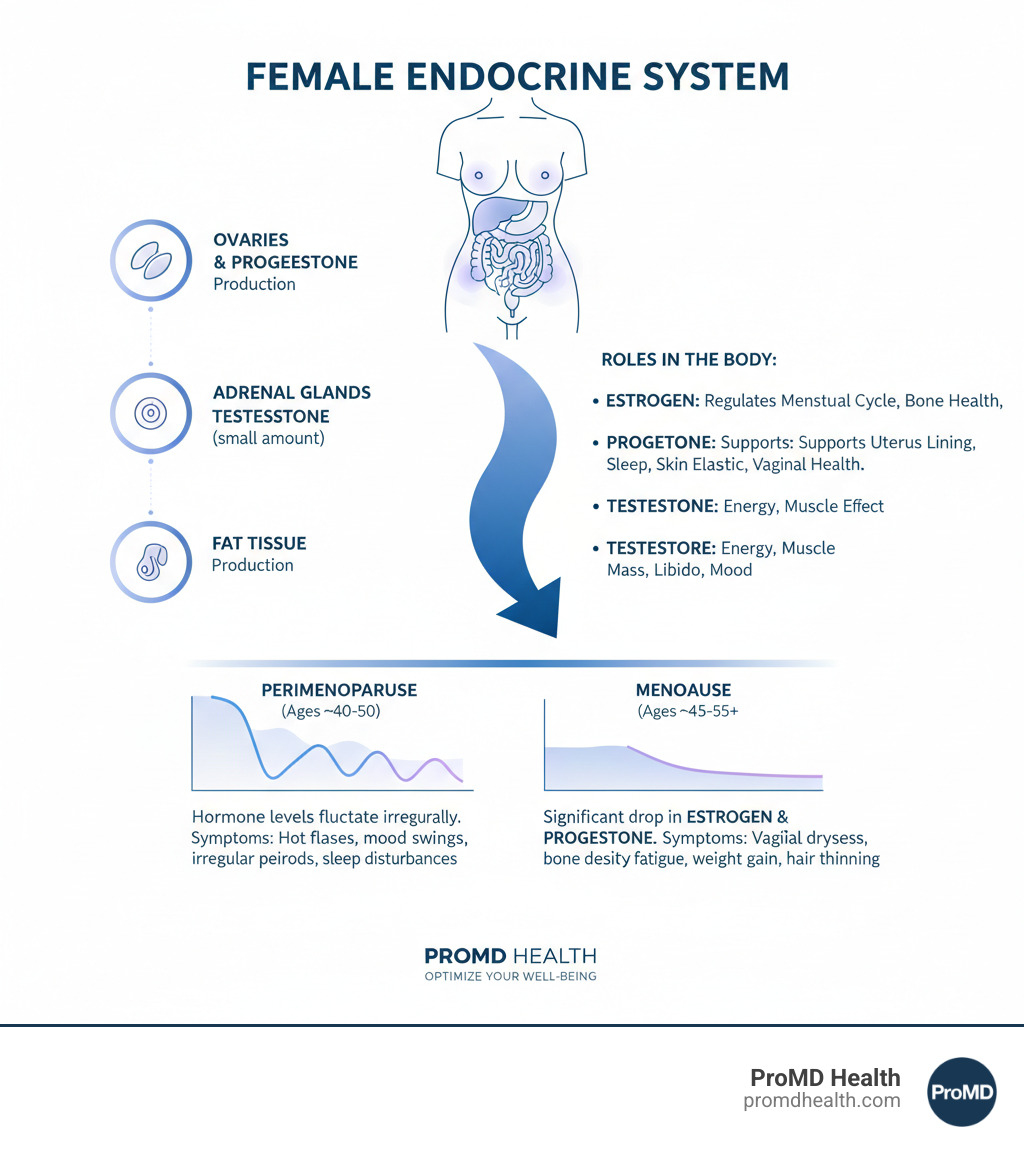
During menopause, typically between ages 45-55, a drop in estrogen can cause symptoms like vaginal dryness, fatigue, and thinning hair. As one grateful patient shared: “Thank you, I finally feel like myself again!” This relief is possible when you find a specialist who understands your unique hormonal needs.
The field of hormone care is advancing rapidly, with new guidelines and virtual care options making expert help more accessible than ever. These symptoms aren’t something you have to live with.
I’m Scott Melamed, President and CEO of ProMD Health. Our mission is to help patients optimize their well-being. With a background in biotechnology and healthcare management, I’ve seen how female hormone specialists can transform lives through personalized, evidence-based care.
What is a Female Hormone Specialist and What Do They Treat?
Hormones are your body’s messaging system, controlling everything from mood and metabolism to sleep. When these signals get scrambled, female hormone specialists can help restore balance. These medical professionals have dedicated their careers to understanding women’s hormonal health, going beyond general training to become experts in the endocrine system.
At ProMD Health, our approach to helping you “Look Younger and Feel Younger” begins with addressing the fundamental hormonal imbalances that might be holding you back.
Specialists like endocrinologists and gynecologists diagnose and treat a wide range of conditions. Some pursue additional credentials, such as becoming a Certified Menopause Practitioner (NCMP), to signal their expertise in menopause care. Others, known as Bioidentical Hormone Specialists, focus on using hormones that are chemically identical to those your body produces, creating highly personalized treatment plans.
These specialists treat many conditions, including:
- Menopause and Perimenopause: They manage symptoms like hot flashes, vaginal dryness, and mood swings to improve your quality of life and protect long-term health.
- Polycystic Ovary Syndrome (PCOS): This complex endocrine disorder causes irregular periods, acne, and weight gain, requiring specialist care.
- PMS and PMDD: For severe mood and physical symptoms that disrupt your life, specialists can offer targeted strategies.
- Thyroid Issues: An overactive or underactive thyroid profoundly impacts energy, metabolism, and mood.
- Sexual Health Concerns: Low libido and painful intercourse often have hormonal roots that specialists can address with effective solutions.
Other treated conditions include unexplained weight changes, chronic fatigue, brain fog, and thinning hair. For more details, explore our guide on hormone imbalance.
The Difference Between a GP and a Specialist
While your general practitioner is essential for overall health, a specialist offers deep expertise in the endocrine system. They stay current on the latest research and have seen hundreds of cases similar to yours, allowing them to spot patterns a generalist might miss.
Specialists use advanced testing to pinpoint imbalances and create personalized treatment plans. As many women’s health experts emphasize, hormone therapy is “not a one-size-fits-all solution.” A specialist considers your age, medical history, and lifestyle to craft a plan with the right type, dose, and delivery method for your needs. If your symptoms are severe or not improving with your GP’s care, it’s time to ask for a referral.
Conditions That Warrant a Specialist Visit
Certain conditions signal that it’s time to consult a female hormone specialist. You should seek specialized help for:
- Severe menopausal symptoms that disrupt your daily life, work, or sleep.
- Polycystic Ovary Syndrome (PCOS), which requires comprehensive management of its metabolic and physical symptoms.
- Premenstrual Dysphoric Disorder (PMDD), where premenstrual symptoms are severe enough to interfere with your work and relationships.
- Persistent fertility issues, which may require a reproductive endocrinologist.
- Low libido and sexual dysfunction that affect your quality of life.
- Unexplained weight changes, chronic fatigue, or thinning hair, which often have hormonal roots.
If these situations resonate with you, know that you don’t have to manage them alone. Our team at ProMD Health is here to help you regain your balance.
Recognizing the Signs: Common Symptoms of Hormonal Imbalance
When your hormones are out of balance, your body sends signals. Learning to recognize them is the first step toward feeling like yourself again. At our ProMD Health locations, we see women who thought their symptoms were just a normal part of aging. Finding out that these issues are connected and treatable brings immense relief.
Here are some common signs of a hormonal imbalance:
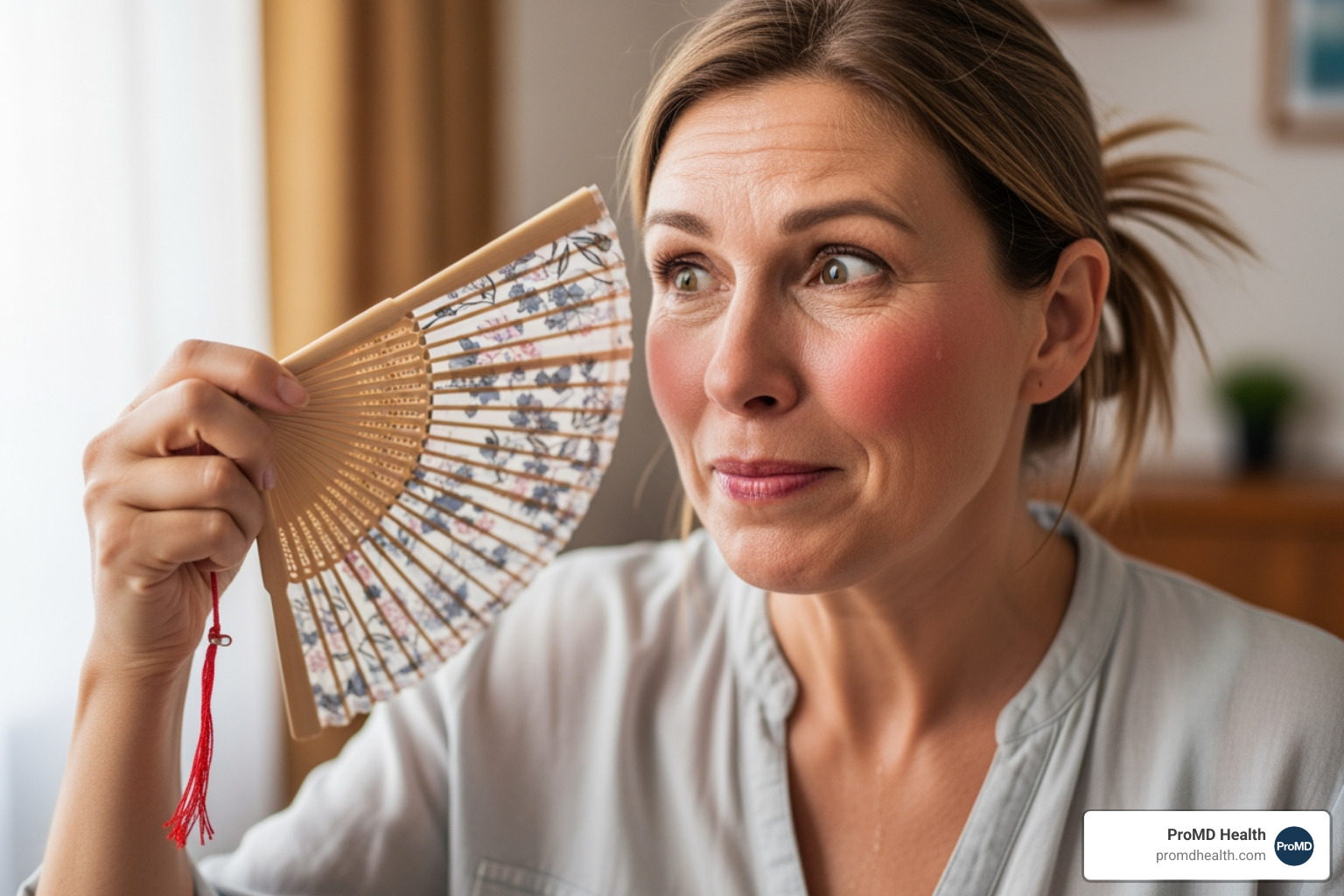
- Hot flashes and night sweats: Sudden, intense waves of heat caused by fluctuating estrogen levels confusing your body’s internal thermostat.
- Mood swings, irritability, and anxiety: Hormones directly influence brain neurotransmitters that regulate mood, leading to emotional volatility.
- Brain fog and memory lapses: This cognitive cloudiness can affect your performance at work and in your personal life, making it hard to focus or recall information.
- Weight gain, particularly abdominal fat: Hormones control your metabolism and fat storage. A drop in estrogen can cause weight to accumulate around your midsection.
- Vaginal dryness and painful intercourse: Declining estrogen thins vaginal tissues, causing discomfort and increasing the risk of urinary tract infections.
- Sleep problems: Difficulty falling or staying asleep is a hallmark of hormonal shifts, draining your energy and magnifying other symptoms.
- Thinning hair, dry skin, and brittle nails: These visible changes are outward signs that your internal hormonal environment needs attention.
- Persistent fatigue: This is a bone-deep exhaustion that doesn’t improve with rest. Experts note that when hormones are imbalanced, this kind of overwhelming fatigue is common.
- Low sex drive: A drop in estrogen and testosterone can reduce libido and change your body’s physical response.
- Irregular cycles: For women still menstruating, periods that become unpredictable, heavy, or infrequent often signal the start of perimenopause.
These symptoms are not something you have to endure. They are your body’s way of telling you that something needs attention. If you’re experiencing several of these signs, it’s time to consult with female hormone specialists. Learn more by visiting our guide on Common questions about a hormonal imbalance.
The Core of Treatment: Understanding Hormone Replacement Therapy (HRT)
When your body’s hormone production declines, Hormone Replacement Therapy (HRT) can restore the balance you once had. At ProMD Health, we’ve seen countless women regain their vitality through personalized hormone therapy. HRT gives your body back what time has taken away, using medications containing hormones—primarily estrogen and often progesterone—to replenish your natural levels.
The relief can be life-changing. Relentless hot flashes, disruptive night sweats, and uncomfortable vaginal dryness can diminish dramatically. Beyond symptom relief, HRT offers deeper health benefits. It is one of the most effective ways to protect against bone density loss (osteoporosis) after menopause. Some research also suggests cardiovascular benefits, especially when therapy begins near the onset of menopause.
Modern HRT is highly personalized. As experts emphasize, it “is not a one-size-fits-all solution.” At ProMD Health, we assess your unique health profile to determine the optimal type, delivery method, and dose to help you feel your best. This is the foundation of our mission to help you “Look Younger and Feel Younger.”
To learn more, explore our guide on Hormone replacement therapy can help you feel younger.
Types of HRT: Bioidentical vs. Synthetic
HRT uses two main categories of hormones: bioidentical and synthetic.
Bioidentical hormones are chemically identical to the hormones your body produces naturally. Derived from plant sources, they are processed to match your body’s hormones perfectly. Many practitioners favor them for this reason.
Synthetic hormones are manufactured to mimic the effects of natural hormones but have a slightly different molecular structure. They are often used in traditional, standardized HRT.
| Feature | Bioidentical HRT (BHRT) | Synthetic HRT |
|---|---|---|
| Source | Derived from plant sources (e.g., yams, soy) | Chemically manufactured, often from animal sources (e.g., pregnant mare urine) |
| Molecular Structure | Identical to hormones naturally produced by the human body | Different from human hormones; designed to mimic their effects |
| Formulation | Often custom-compounded; available in pellets, creams, gels, patches, pills, injections | Standardized doses; available in pills, patches, rings, gels |
| Personalization | Highly individualized based on patient’s specific hormone levels and symptoms | Standardized doses, less room for individual customization |
| Regulation | Compounded forms are not FDA-approved; some standardized BHRT is FDA-approved | Generally FDA-approved |
At ProMD Health, we often work with bioidentical hormones because they allow for precise customization. Delivery methods include:
- Pellets: Tiny, custom-dosed pellets inserted under the skin that release a steady stream of hormones for several months. They offer consistent hormone levels without a daily routine.
- Creams and Gels: Applied daily to the skin for absorption into the bloodstream.
- Patches: Adhered to the skin and changed every few days for continuous hormone delivery.
- Pills: The traditional oral method, taken daily.
The right choice depends on your symptoms, lifestyle, and preferences, a decision we make together. For a comprehensive look, visit our page on More about Bioidentical Hormone Replacement Therapy.
Weighing the Benefits and Risks of HRT
Deciding on HRT requires a transparent conversation about its benefits and risks.
The Benefits: The primary benefit is powerful symptom relief from hot flashes, vaginal dryness, and mood swings. HRT also provides crucial bone health protection by preventing osteoporosis. For many women, it may also offer cardiovascular benefits when started within 10 years of menopause.
The Risks: The conversation around HRT risks often centers on the Women’s Health Initiative (WHI) study from the early 2000s, which initially suggested increased risks of breast cancer and heart disease. However, our understanding has since become much more nuanced.
We now know that risk varies significantly based on:
- Type of Hormones: Bioidentical hormones and transdermal delivery (patches, gels) appear to have different risk profiles than the oral synthetic hormones used in the WHI study.
- Age and Timing: Starting HRT closer to menopause (under age 60 or within 10 years of the last period) generally carries lower risk.
- Duration of Use: Short-term use for symptom management has a different risk profile than long-term use.
- Individual Health Factors: Your personal and family medical history is critical in assessing your risk-benefit equation.
The FDA recently convened an expert panel to address these nuances, reflecting how seriously the medical community takes this personalized approach. You can watch the FDA expert panel on menopause and HRT to learn more. At ProMD Health, we conduct a thorough assessment to help you make an informed, confident decision.
Your Journey with Female Hormone Specialists: What to Expect
Choosing to work with female hormone specialists at ProMD Health is the start of a collaborative partnership. We are your guides, here to listen and create a path forward that makes sense for your unique body and life. Our approach combines the latest medical science with a genuine understanding of what you’re going through.

What to Expect During a Consultation with Female Hormone Specialists
Your first consultation is thorough and focused entirely on you.
- Comprehensive History and Symptom Discussion: We start by listening. We’ll review your medical history, lifestyle, and family health patterns. Most importantly, we’ll discuss all your symptoms—from hot flashes to brain fog—to understand how they impact your life.
- Precise Hormone Testing: Accurate evaluation requires testing. We use comprehensive blood tests to measure key hormones like estrogen, progesterone, testosterone, and thyroid hormones. This data gives us a clear picture of your hormonal status.
- Personalized Assessment and Treatment Plan: Once we have your results, we’ll sit down with you to explain what they mean in plain language. Together, we create your treatment plan. This may include Hormone Replacement Therapy, nutritional guidance, or lifestyle modifications. We discuss all risks and benefits so you can make an informed decision.
- Ongoing Monitoring and Adjustments: Your hormonal needs can change, so your treatment plan will evolve with you. We schedule regular follow-ups to monitor your progress, re-evaluate hormone levels, and make adjustments to ensure you continue feeling your best.
To see if this approach is right for you, explore Hormone replacement: Am I a good candidate?
How Specialists Manage Menopause and Perimenopause
Our female hormone specialists understand the challenges of menopause and perimenopause and are here to help you steer this transition with confidence.
Our goal is to help you feel like yourself again. For many women, Hormone Replacement Therapy (HRT) provides the most effective relief for symptoms like hot flashes, sleep disturbances, and vaginal dryness. We personalize every aspect of HRT—the hormone type, dose, and delivery method—to your body’s needs.
We also recognize that HRT isn’t the only path. We are well-versed in non-hormonal options, including certain prescription medications and supplements. In addition, we provide lifestyle guidance on nutrition, exercise, and stress management to support your hormonal health.
This comprehensive approach also focuses on your future. We proactively monitor your long-term health, recommending screenings for bone density and cardiovascular health to help you maintain vitality for years to come. Learn more about our approach in Treating menopause with bio-identical hormone replacement.
Finding the Right Specialist and Staying Informed
Choosing the right female hormone specialist is a pivotal step in your health journey. It’s about finding an expert who not only has the right credentials but also makes you feel heard and understood. An informed patient is an empowered patient.

Where to Find Reputable Female Hormone Specialists
Finding a reputable specialist requires some research. Here are some trusted resources to guide your search:
- The Menopause Society (formerly NAMS): This is the gold standard for finding menopause care. Their website has a searchable directory of NAMS Certified Menopause Practitioners (NCMP). This is an excellent starting point for finding qualified specialists. You can access the directory here: Search for a Menopause Practitioner.
- Professional Directories: Organizations like The Endocrine Society and the American College of Obstetricians and Gynecologists (ACOG) have tools to help you find board-certified endocrinologists and OB/GYNs.
- Physician Referrals: Your GP or gynecologist can often provide excellent referrals to specialists they trust.
- Credentials and Philosophy: Look for board-certified physicians with certifications like NCMP. Inquire about their treatment philosophy to ensure it aligns with your own goals, whether you’re interested in bioidentical hormones, lifestyle changes, or a combination of approaches.
The Evolution and Future of Hormone Health
The field of female hormone health has evolved from a one-size-fits-all mentality to a sophisticated, personalized approach.
Today, our understanding is far more refined. We recognize the critical importance of:
- Personalized Medicine: There is no single solution. Treatment is custom to the individual’s age, health status, and symptoms.
- Bioidentical Hormones: The use of hormones that are molecularly identical to the body’s own has provided more options for women.
- Diverse Delivery Methods: Beyond pills, we now have patches, gels, creams, and long-acting pellets, allowing for customized delivery.
- The Role of Testosterone: Research has highlighted the crucial role of testosterone in female libido, energy, and mood, and it is now an important part of comprehensive hormone therapy for many women.
- The “Timing Hypothesis”: We now know that starting HRT closer to the onset of menopause generally yields greater benefits and lower risks.
The field is continuously advancing, with ongoing research into the neuroprotective effects of hormones, precision dosing, and integrative approaches. This dynamic landscape means that female hormone specialists are constantly adapting to provide the most current, effective, and personalized care available.
Conclusion
Your hormonal health is too important to leave to chance or endure alone. Female hormone specialists bring together expertise, compassion, and modern treatments to help you reclaim your vitality.
From recognizing the first signs of imbalance to understanding the nuances of Hormone Replacement Therapy, you now have the knowledge to make informed decisions. Today’s personalized medicine means your treatment plan is as unique as you are.
At ProMD Health, our mission is to help you “Look Younger and Feel Younger.” This is about feeling vibrant, energized, and fully present in your life. Our team of specialists across our many locations in Maryland, Virginia, Florida, Texas, Delaware, and Washington D.C. combines advanced technology with genuine care to create treatment plans that work.
You deserve to feel rested, energetic, and in control of your health. Whether you’re struggling with hot flashes, fatigue, or mood swings, relief is within reach.
The journey to hormonal balance starts with a single step. Our specialists are here to listen and partner with you on a path toward optimal wellness. Take control of your health today.