Boost energy levels: 5 Master Steps to Vitality
Why So Many People Struggle with Low Energy
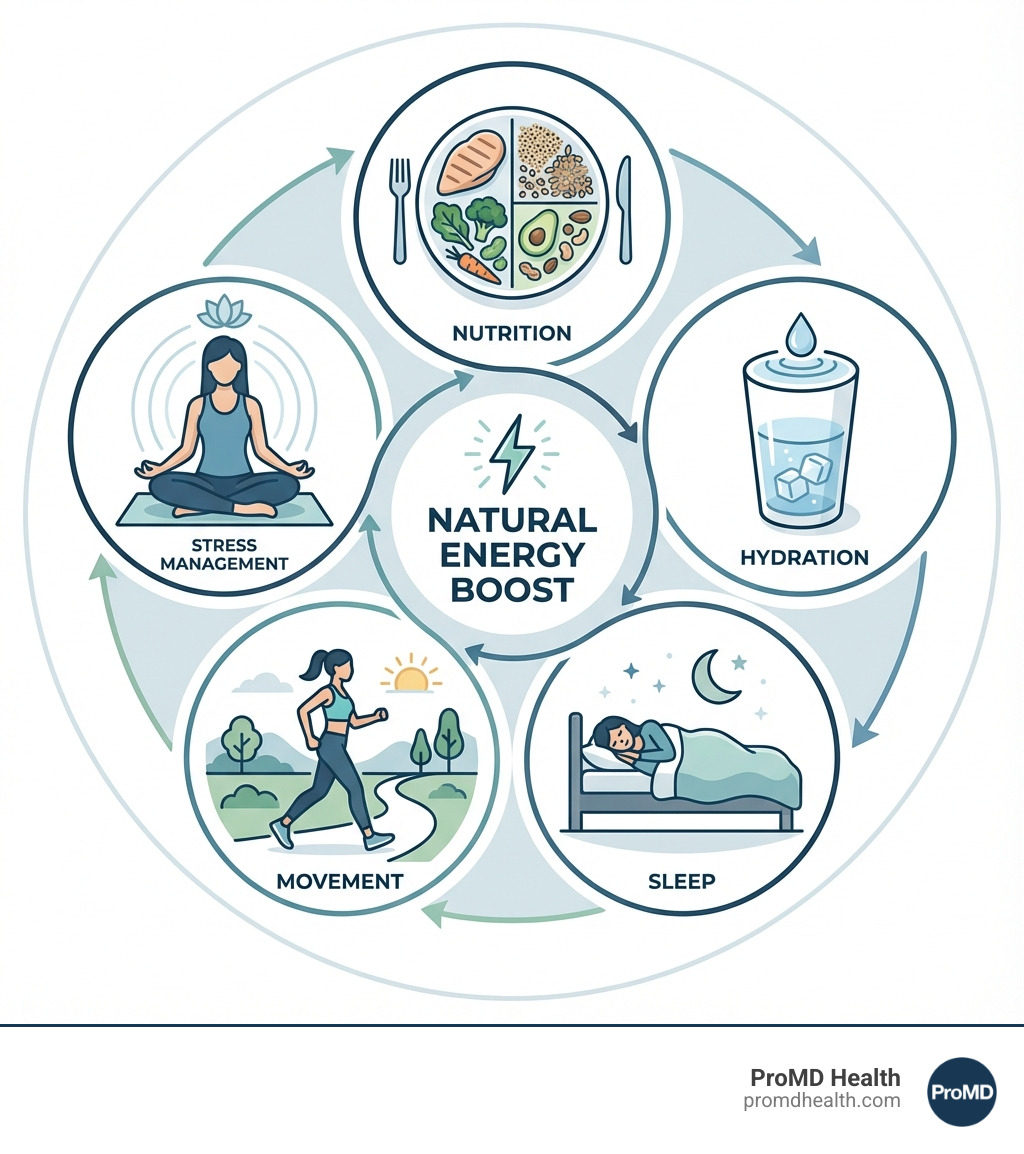
Boost energy levels naturally by focusing on five key areas: eating whole foods and staying hydrated, getting 7-9 hours of quality sleep, incorporating regular movement (even just 10-minute walks), managing stress effectively, and addressing potential vitamin deficiencies or hormonal imbalances.
Feeling drained has become the new normal for millions of Americans. In fact, 14% of Americans report they don’t have the energy they need to get things done, according to a Gallup survey. If you’re dragging through your days, struggling to stay focused at work, or lacking the motivation for activities you once loved, you’re not alone.
The good news? Low energy isn’t something you just have to live with.
Most fatigue stems from lifestyle factors you can control—what you eat, how much you move, the quality of your sleep, and how you manage stress. While energy drinks and extra coffee might seem like quick fixes, they often lead to crashes that leave you feeling worse. The real solution lies in a holistic approach that addresses the root causes of your exhaustion.
This means:
- Fueling your body with nutrient-dense whole foods instead of processed options
- Staying properly hydrated throughout the day
- Moving your body regularly to boost circulation and endorphins
- Prioritizing quality sleep with consistent routines
- Managing stress before it depletes your reserves
- Addressing underlying issues like vitamin deficiencies or hormonal imbalances
Sometimes, persistent fatigue signals something deeper—like low vitamin D, B12 deficiency, thyroid problems, or hormonal changes. These medical factors require professional evaluation and treatment.
As Scott Melamed, President and CEO of ProMD Health, I’ve spent my career helping people optimize their health and vitality through evidence-based approaches that boost energy levels and overall wellness. My background in biotechnology and clinical research has shown me that sustainable energy comes from addressing both lifestyle factors and underlying health conditions.
Fuel Your Body: The Diet-Energy Connection
Our bodies are like finely tuned machines, and the fuel we put into them directly impacts how well they run. If we’re constantly running on low-quality fuel, it’s no surprise we feel sluggish and depleted. To truly boost energy levels, we need to rethink our plates.
Eat for Sustained Energy
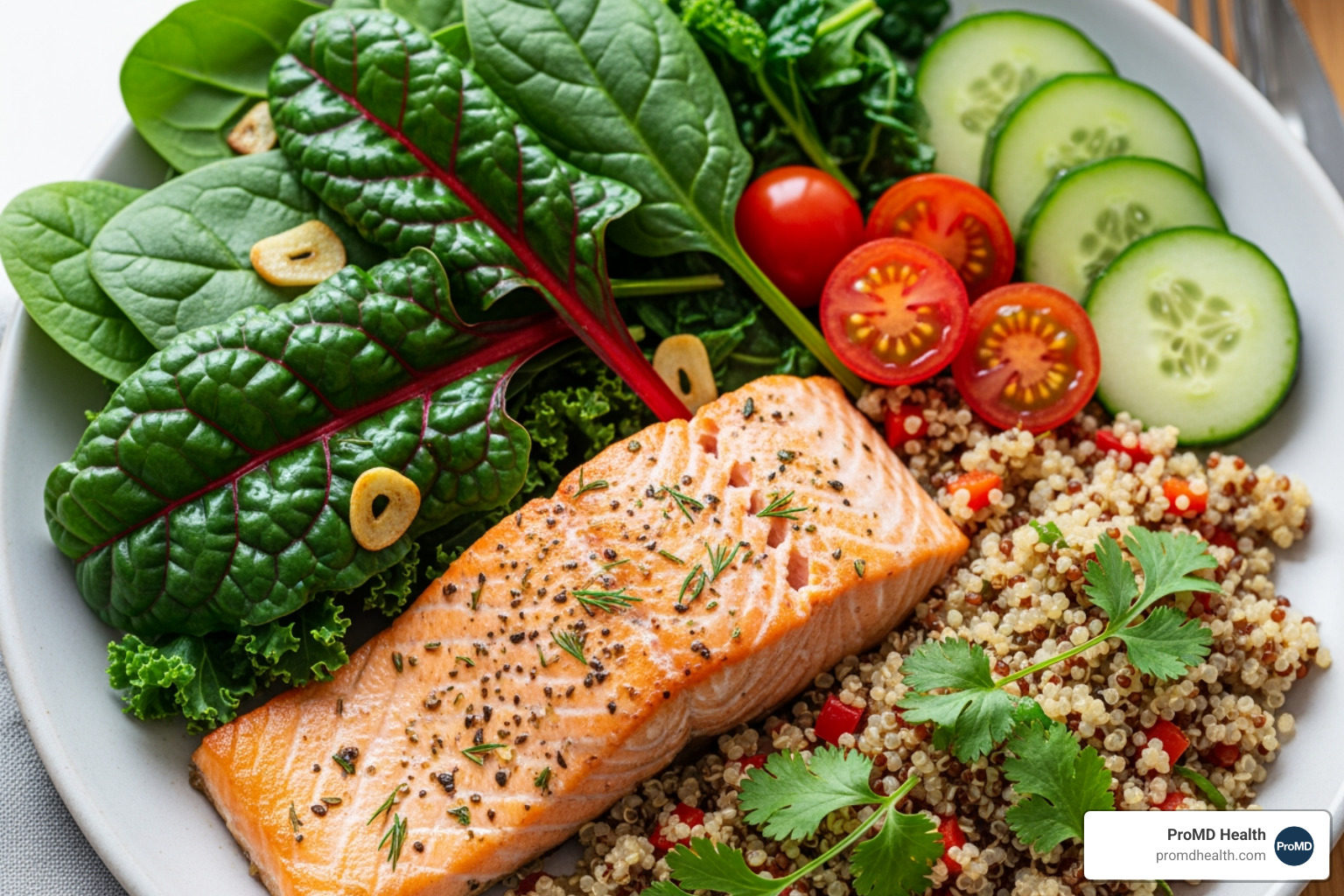
The cornerstone of sustained energy is a diet rich in whole, unprocessed foods. Think of it this way: “Packaged, processed foods tend to make you feel sluggish and heavy,” says Johns Hopkins geriatrician Alicia Arbaje, M.D., M.P.H. These highly processed foods, often containing preservatives, additives, sodium, trans fat, and added sugars, offer fewer vital nutrients like vitamins and minerals, hindering our body’s efficient functioning. Scientific research corroborates that ultra-processed foods can negatively impact cardiometabolic health.
Instead, we should focus on a balanced intake of:
- Complex Carbohydrates: These are our body’s primary source of energy, but not all carbs are created equal. Unlike simple carbs (like white bread or sugary pastries) which cause quick energy spikes and subsequent crashes, complex carbohydrates found in whole grains, fruits, and vegetables digest slowly, providing a steady, sustained release of energy. Oatmeal, brown rice, blueberries, and legumes are excellent choices.
- Lean Proteins: Proteins are vital for maintaining muscle mass and slowing digestion, which helps stabilize blood sugar and prevent fatigue. The Dietary Guidelines for Americans recommends adult males consume at least 56g of protein daily and adult females 46g. Sources like chicken, eggs, turkey, fatty fish, legumes, tofu, and soy products are excellent.
- Healthy Fats: Essential for many bodily functions, healthy fats also contribute to satiety and sustained energy. Sources include avocados, nuts, seeds, and olive oil.
- Low Glycemic Index Foods: Eating foods with a low glycemic index, whose sugars are absorbed slowly, can help us avoid the energy lag that typically follows the consumption of quickly absorbed sugars or refined starches.
Eating smaller, more frequent nutrient-rich meals every 3 to 4 hours, rather than large, infrequent meals, can also help keep our blood sugar balanced and maintain consistent energy levels throughout the day. Skipping meals, especially breakfast, can lead to greater fatigue by day’s end.
The Best Energy-Boosting Foods
Let’s explore some specific foods that are champions at helping us boost energy levels:
- Bananas: These portable powerhouses are packed with potassium, fiber, vitamins, and carbohydrates, offering a significant boost of natural energy. A 2012 study found that bananas provided as much fuel to cyclists as carbohydrate sports drinks for sustained rides.
- Oats: A bowl of plain, steel-cut, or old-fashioned oats for breakfast can provide long-lasting energy and prevent fatigue. Oats are rich in fiber and even a little protein, helping to avoid the blood sugar spikes and drops associated with processed breakfast cereals.
- Nuts: Almonds, Brazil nuts, cashews, hazelnuts, pecans, and walnuts are fantastic for fighting hunger, managing weight, and preventing fatigue. They offer healthy fats, protein, and fiber.
- Seeds: Chia, pumpkin, sunflower, and flaxseeds are tiny but mighty. A 2022 study showed that athletes who consumed a sports gel with chia seeds experienced improved oxygen utilization during physical activity. A 2020 study also found that flaxseed helped reduce mental fatigue in children and adolescents with obesity.
- Fatty Fish: Salmon, mackerel, and sardines are rich in omega-3 fatty acids and protein, providing steady energy and supporting overall health.
- Eggs: With just 70 calories and 6 grams of protein per egg, they offer slow-releasing fuel and a wealth of nutrients per calorie, helping to satisfy hunger and curb cravings.
- Fruits and Vegetables: These are truly nature’s energy boosters. They are “packed with essential vitamins, minerals, and nutrients that help fight fatigue and improve physical function.” Healthcare organizations like the Centers for Disease Control and Prevention (CDC) and the United Kingdom’s National Health Service (NHS) recommend eating at least 5 portions, or 400 grams, of fruits and vegetables daily. Don’t discount frozen options either; research suggests they are just as nutritious as fresh.
Hydration is Key
Have you ever felt inexplicably tired or foggy-headed? Sometimes, the answer is as simple as needing a glass of water. “Drinking water is essential for optimal functioning of the body,” and even mild dehydration can cause fatigue. If our body is short on fluids, one of the first signs is a feeling of fatigue.
The Academy of Nutrition and Dietetics recommends adult males consume 15.5 cups (3.7 L) of water daily, and adult females 11.5 cups (2.7 L). This can vary based on activity level, climate, and individual needs. A good indicator of adequate hydration is the color of your urine—it should be clear or a light straw color. If you’re thirsty, you’re already mildly dehydrated!
Limit Energy Sappers
Just as some foods boost energy, others actively drain it. To truly boost energy levels, we need to be mindful of what we consume and avoid.
- Sugar Spikes and Crashes: Sugary drinks, candy, and pastries flood our bloodstream with sugar too quickly. This leads to a rapid energy spike followed by an inevitable crash, leaving us tired and craving more. We often feel wiped out after such a rollercoaster.
- Caffeine Moderation: Caffeine can certainly offer a short-term boost and increase alertness. In fact, some research suggests it may provide antioxidant and anti-inflammatory benefits. However, too much caffeine can lead to jitters, anxiety, and, paradoxically, fatigue once its effects wear off. The American Heart Association recommends keeping your caffeine intake to below 100 milligrams (mg) daily, which is equivalent to about two 8-ounce cups of coffee. More importantly, caffeine’s effects can last up to 7 hours, so consuming it late in the day can severely disrupt our sleep, leading to daytime tiredness. If you’re trying to cut back, The Sleep Charity recommends reducing your intake gradually to avoid insomnia and headaches.
- Alcohol’s Effect on Sleep and Nutrients: While a nightcap might seem to help us fall asleep, alcohol actually disrupts our sleep quality. We sleep less deeply after drinking, and even if we get a full 8 hours, we’ll likely feel tired the next day. Alcohol can also rob our body of essential nutrients. Dietary guidelines in the U.S. recommend that adults of legal drinking age should either not drink alcohol or limit consumption to no more than two drinks a day for men or one drink a day for women. If we’re going to raise a glass, we should do so in moderation.
- Processed Foods: As mentioned earlier, highly processed foods with their lack of nutrients and abundance of unhealthy additives are significant energy drainers. Opting for whole, fresh foods is always the better choice.
How to Boost energy levels with Movement and Rest
Movement and rest are two sides of the same coin when it comes to energy. We might think of exercise as tiring, but in the long run, it’s one of the most powerful tools we have to boost energy levels.

Get Moving to Create Energy
It might seem counterintuitive to exert energy to gain energy, but trust us, it works! Regular exercise boosts energy in multiple ways:
- Endorphin Release: Physical activity releases endorphins, natural mood elevators that can leave us feeling energized and ready to tackle anything.
- Increased Oxygen Circulation: Exercise circulates oxygen more efficiently throughout our body, including our brain. This gives our cells more energy to burn.
- Mitochondria Production: Regular exercise actually leads to the formation of more energy-producing mitochondria in our muscle cells, making our bodies more efficient at generating energy.
- Improved Sleep Quality: Exercise almost guarantees that we’ll sleep more soundly, particularly increasing the amount of deep sleep we get.
Even a little movement can make a big difference. A brisk 10-minute walk not only increases energy, but the effects can last up to 2 hours. Researchers have even found that five-minute “microbursts” of walking six times a shift made people feel more energized and improved overall mood. So, next time you’re feeling a slump, try getting up and moving.
Conversely, a lack of activity drains energy. Inactivity leads to sarcopenia (the gradual decrease in muscle tissue, which starts around age 30) and fewer mitochondria, making everyday tasks feel harder. Our heart and lungs become less efficient at oxygenating blood and delivering nutrients, leading to a greater perception of fatigue.
Prioritize Quality Sleep
Sleep isn’t a luxury; it’s a fundamental requirement for our energy levels and overall health. Adults typically need at least seven hours of sleep a night to be at their best. If we’re consistently tired even after a full night’s sleep, it could be due to poor sleep quality.
To boost energy levels through better sleep, we recommend focusing on sleep hygiene:
- Consistent Sleep Schedule: Go to bed and get up at roughly the same time every day, even on weekends. This helps regulate our body’s natural sleep-wake cycle.
- Avoid Naps in the Day: While a short power nap can be beneficial, long or ill-timed naps can interfere with nighttime sleep.
- Relax Before Bed: Take time to relax before going to bed. This could involve a warm bath, reading a book, or gentle stretching. The Royal College of Psychiatrists provides tips for sleeping well, emphasizing relaxation.
- Avoid Stimulants: Steer clear of caffeine and heavy meals close to bedtime. As mentioned earlier, caffeine’s effects can linger for hours. Also, avoid bright screens (phones, tablets, computers) for at least an hour before sleep, as the blue light can interfere with melatonin production.
The Power of Naps
Sometimes, a full night’s sleep isn’t enough, or we need a quick pick-me-up. That’s where power naps come in! Short naps, typically 15-20 minutes, can be incredibly effective. Studies show that a 60-minute power nap can reverse the mind-numbing effects of information overload and aid in memory retention. The key is to keep them short to avoid entering deep sleep, which can lead to grogginess upon waking. A mid-afternoon power nap can significantly increase alertness, improve mood, and boost cognitive function without disrupting nighttime sleep.
Beyond Lifestyle: Uncovering the Root Causes of Fatigue
While lifestyle changes are powerful, sometimes persistent fatigue signals an underlying issue that requires professional attention. At ProMD Health, we understand that true vitality often involves looking deeper.
Could it be a Vitamin Deficiency?
“Vitamin deficiencies are a common cause of fatigue.” Our bodies need a complex array of vitamins and minerals to convert food into energy, transport oxygen, and maintain overall cellular health. If we’re lacking in certain key nutrients, our energy levels will suffer.
Common deficiencies that can impact energy include:
- Vitamin B12: Crucial for red blood cell formation and neurological function, a B12 deficiency can lead to anemia and severe fatigue. It’s naturally found in animal products, so vegetarians and vegans may need to supplement or consume fortified foods.
- Vitamin D: Vital for energy levels and mood, many people are deficient in Vitamin D, especially during winter months or if they have limited sun exposure. As we age, our skin also becomes less efficient at converting sunlight to Vitamin D. A supplement might be a smart idea, but it’s best to get tested first.
- Magnesium: This mineral is needed for over 300 biochemical reactions in the body, including breaking down glucose into energy. Even slight deficiencies can cause fatigue. The recommended daily intake of magnesium is around 300 milligrams for women and 350 milligrams for men. Rich sources include spinach, nuts, seeds, and whole grains.
- Iron: Iron is essential for producing hemoglobin, the protein in red blood cells that carries oxygen. Iron deficiency, leading to anemia, means our body isn’t getting enough oxygen, causing us to tire easily. This can be particularly common during a woman’s reproductive years, especially with heavy menstrual cycles.
If you suspect a vitamin deficiency, a healthcare professional can perform blood tests to identify any imbalances. At ProMD Health, we offer comprehensive wellness services, including options like Vitamin Injections and IV Therapy to Give Your Body a Boost, which can deliver essential nutrients directly for efficient absorption, helping you to boost energy levels.
How Hormones Impact Your Ability to boost energy levels
Our hormones are chemical messengers that regulate almost every function in our body, including our energy production. When these delicate systems fall out of balance, fatigue is often one of the first and most noticeable symptoms.
- Low Testosterone: For men, declining testosterone levels can significantly impact energy, libido, muscle mass, and mood. If you’re experiencing symptoms like persistent fatigue, decreased sex drive, or difficulty concentrating, it’s worth exploring your hormone levels. You can learn more about common symptoms of low testosterone in men on our website.
- Menopause: Women often experience significant hormonal shifts during perimenopause and menopause, leading to symptoms like hot flashes, sleep disturbances, and profound fatigue. Managing these hormonal changes can dramatically improve energy and quality of life. ProMD Health offers specialized Menopause Management services to help steer this transition.
- Thyroid Function: The thyroid gland produces hormones that regulate metabolism. An underactive thyroid (hypothyroidism) can slow metabolism, leading to sluggishness, weight gain, and persistent fatigue, even after a good night’s rest. Checking thyroid function is a key step in diagnosing unexplained tiredness.
At ProMD Health, we specialize in helping individuals regain their vitality through targeted hormone optimization strategies. Hormone Replacement Therapy can help you feel younger by restoring optimal hormone balance, which in turn helps to boost energy levels and overall well-being.
When to See a Doctor for Persistent Fatigue
While many cases of tiredness can be resolved with lifestyle changes, it’s crucial to know when to seek professional medical advice. If you’re experiencing unexplained tiredness, or fatigue that persists despite your best efforts to improve diet, sleep, and stress management, it’s time to consult a healthcare provider.
You should especially consider making an appointment if your fatigue is accompanied by other symptoms such as:
- Unexplained weight changes
- Changes in bowel habits
- Persistent pain
- Mood changes (depression, anxiety)
- Changes in hair, skin, or nails
- Difficulty concentrating or memory problems
These could be signs of an underlying medical condition, such as anemia, thyroid dysfunction, chronic fatigue syndrome, sleep apnea, or other health issues that require diagnosis and treatment. Early intervention can make a significant difference. Don’t hesitate to prioritize your health; you can easily Book an Appointment with our team.
Frequently Asked Questions about Boosting Energy
We often get questions from patients looking for quick fixes or clarity on common energy dilemmas. Here are some of the most frequent ones:
What are the fastest ways to get more energy?
While sustainable energy comes from consistent healthy habits, sometimes we need a quick pick-me-up. Here are a few fast ways to get a temporary boost:
- Quick Walk: A brisk 10-minute walk can increase energy for up to 2 hours.
- Glass of Water: If you’re even mildly dehydrated, water can quickly alleviate fatigue.
- Healthy Snack: A small snack combining protein, healthy fat, and complex carbs (like an apple with peanut butter) can stabilize blood sugar.
- Stretching: A few minutes of stretching can improve circulation and reduce muscle tension.
- Sunlight Exposure: Stepping outside for a few minutes can reset your circadian rhythm and boost mood.
Why am I so tired even after 8 hours of sleep?
This is a common and frustrating experience. If you’re getting seemingly adequate sleep but still feel drained, consider these factors:
- Poor Sleep Quality: You might be in bed for 8 hours, but if your sleep is fragmented or shallow (due to alcohol, caffeine too close to bedtime, or an uncomfortable sleep environment), you won’t feel rested.
- High Stress Levels: Chronic stress can keep your body in a “fight or flight” mode, preventing deep, restorative sleep and depleting energy reserves even when resting.
- Nutrient Deficiencies: As discussed, a lack of essential vitamins like B12, D, or iron can cause fatigue regardless of sleep duration.
- Underlying Medical Conditions: Conditions like sleep apnea (where breathing repeatedly stops and starts), thyroid dysfunction, or chronic fatigue syndrome can cause profound tiredness.
- Hormonal Imbalance: Low testosterone or menopausal hormone changes can contribute to persistent fatigue.
What foods should I avoid if I have low energy?
To prevent energy crashes and maintain stable energy, we recommend minimizing or avoiding:
- Sugary Drinks and Sweets: These cause rapid blood sugar spikes and crashes, leaving you more tired than before.
- Pastries and Refined Carbohydrates: Foods like white bread, white pasta, and baked goods offer little fiber and nutrients, leading to similar energy rollercoasters.
- Highly Processed Foods: These are often high in unhealthy fats, sugars, and sodium, and low in essential nutrients, contributing to sluggishness.
- Fried Foods: Heavy, fatty foods take longer to digest and can divert significant energy to the digestive process, leaving you feeling heavy and sluggish.
Reclaim Your Vitality and Feel Younger
Taking control of our energy levels is one of the most empowering steps we can take for our overall well-being. By embracing a holistic approach—prioritizing nutrient-dense foods, staying hydrated, moving our bodies regularly, getting quality sleep, and managing stress—we lay a strong foundation for lasting vitality.
Your body is incredibly resilient, but it needs the right support to thrive. If you’ve been struggling with persistent fatigue despite implementing these lifestyle changes, we encourage you to seek professional guidance. At ProMD Health, we are dedicated to helping you uncover and address the root causes of your low energy, whether through nutritional guidance, hormone optimization, or other advanced wellness treatments. Our goal is to help you not just feel better, but to truly “Look Younger and Feel Younger.”
Don’t let fatigue hold you back from living your fullest life. It’s time to reclaim your daily spark and vitality. Take the next step with hormone optimization therapy or explore our other services designed to help you boost energy levels and achieve optimal health.