Balancing hormones naturally: Achieve 10 Steps to Health
Why Hormone Balance Matters for Your Health and Well-Being
Balancing hormones naturally is achievable through lifestyle changes including proper nutrition, stress management, quality sleep, regular exercise, and avoiding environmental toxins. These chemical messengers control everything from your mood and metabolism to your energy levels and sleep quality—and when they’re out of sync, you feel it.
Quick Guide to Natural Hormone Balance:
- Eat hormone-supporting foods – Focus on protein, healthy fats, fiber, and cruciferous vegetables
- Manage stress – Practice meditation, deep breathing, or yoga to regulate cortisol
- Prioritize sleep – Aim for 7-9 hours nightly to support hormone production
- Exercise moderately – Include strength training and cardio, but avoid overtraining
- Reduce toxin exposure – Limit BPA, phthalates, and endocrine disruptors
- Support gut health – Your microbiome directly influences hormone metabolism
Your body produces over 50 different hormones through your endocrine system. These messengers travel through your bloodstream, telling your organs and tissues what to do and when to do it. When estrogen, progesterone, testosterone, cortisol, or thyroid hormones fall out of balance, you might experience fatigue, weight changes, mood swings, sleep problems, or skin issues.
The good news? Many hormone imbalances respond well to natural interventions. Small, consistent changes to your diet, stress levels, and daily habits can restore hormonal harmony without medication.
I’m Scott Melamed, President and CEO of ProMD Health, where I’ve spent years helping patients optimize their wellness through evidence-based approaches. My background in biotechnology from Johns Hopkins, combined with clinical research experience, has given me deep insight into balancing hormones naturally through comprehensive lifestyle strategies. Throughout this guide, I’ll share practical, science-backed methods you can implement today to support your hormonal health.
Are Your Hormones Out of Tune? Common Signs of Imbalance
Persistent fatigue, mood swings, or weight that won’t budge might be your hormones trying to tell you something. These chemical messengers coordinate everything from your energy to your emotions. When they’re balanced, you feel like yourself. When they’re not, life can feel like a struggle.
Hormonal imbalance symptoms often masquerade as other issues, so recognizing the signs is the first step toward balancing hormones naturally.

Watch for these common warning signs: persistent fatigue, unexplained weight changes, sudden mood swings, irritability, or anxiety. You might also notice stubborn acne, hair thinning, digestive issues like constipation or diarrhea, a low libido, or irregular periods. You can explore more info about hormonal imbalances to understand how these symptoms connect to your health.
Physical and Emotional Warning Signs
Hormonal imbalances can ripple through your physical and emotional well-being.
Physically, weight gain or loss is a common frustration. Hormones like thyroid and insulin control your metabolism and fat storage, and imbalances can lead to unexplained changes. Sleep disturbances like insomnia or night sweats are also frequent. High cortisol from stress disrupts melatonin, your sleep hormone, and research shows poor sleep creates a vicious cycle affecting insulin, cortisol, and hunger hormones. You might also experience brain fog, memory lapses, and frequent headaches.
Digestive distress like constipation or diarrhea can also be a sign. Estrogen and progesterone influence your gut, and research on how low estrogen affects serotonin and mood links hormonal shifts to IBS symptoms. Emotionally, you may face depression, anxiety, and irritability. When estrogen drops, so does serotonin (the mood-stabilizing neurotransmitter), leaving you emotionally vulnerable. High cortisol from chronic stress makes it worse.
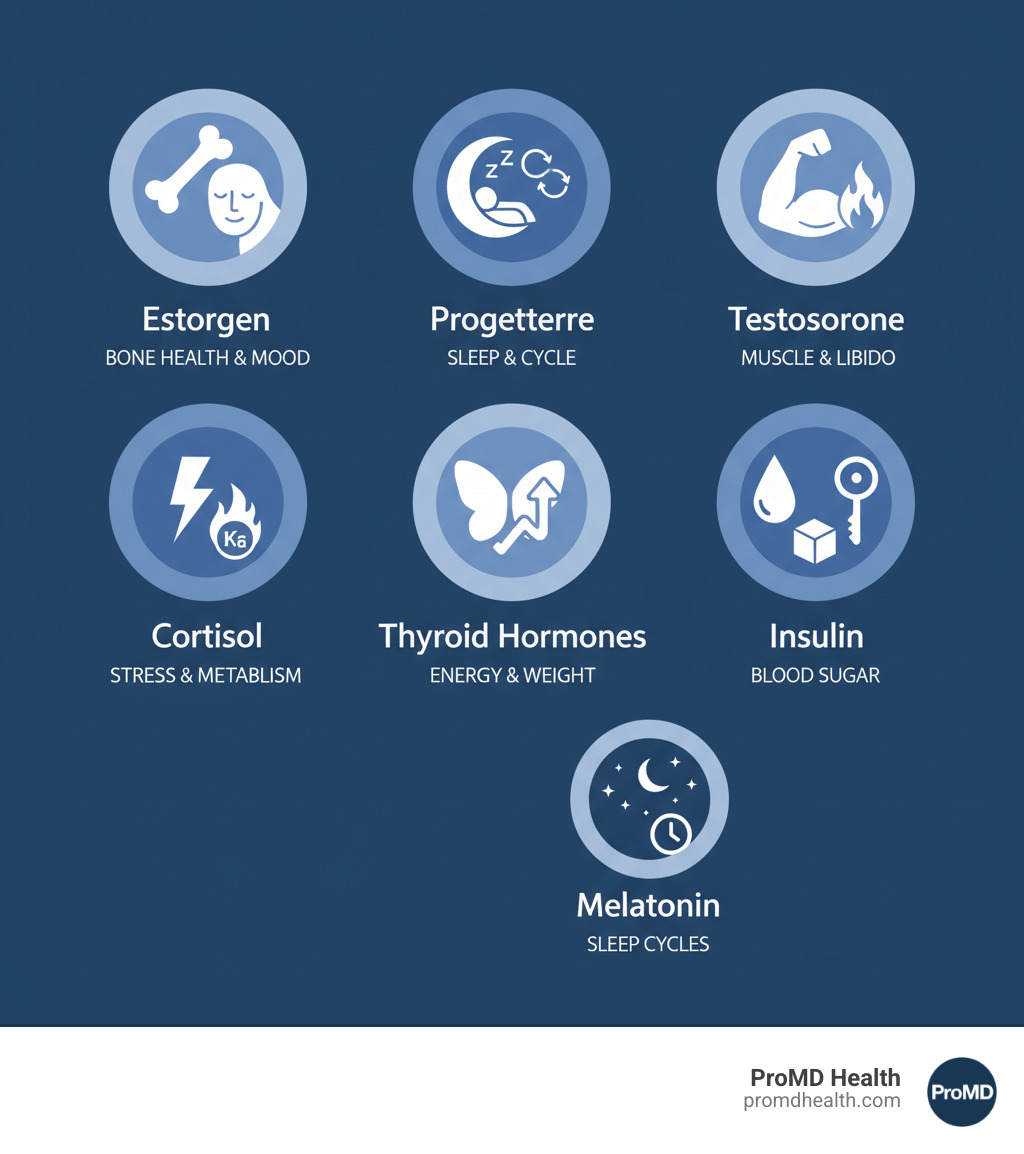
Key Hormones and Their Roles
Understanding the key players helps you appreciate why balancing hormones naturally is so important.
- Estrogen: Beyond reproductive health, it strengthens bones, supports skin, stabilizes mood, and helps regulate blood sugar.
- Progesterone: Works with estrogen to regulate the menstrual cycle and is a natural calming agent that promotes quality sleep.
- Testosterone: Important for both sexes, it fuels libido, builds muscle, and powers energy levels.
- Cortisol: The “stress hormone.” Chronic high levels disrupt sleep, weight, and immunity.
- Thyroid hormones: Your body’s metabolic thermostat, controlling energy burn and weight.
- Insulin: Manages blood sugar. Insulin resistance leads to high blood sugar and weight gain.
- Melatonin: Your internal clock, signaling when to sleep and wake. Its production is disrupted by blue light and irregular schedules.
The Foundational Role of Nutrition in Hormone Health
What you eat is foundational for balancing hormones naturally. Your body needs specific raw materials—proteins, fats, and micronutrients—to produce hormones. An anti-inflammatory, whole-foods diet provides these building blocks, reduces inflammation, and stabilizes blood sugar, which supports your entire endocrine system.
A Dietary Plan for Balancing Hormones Naturally
This plan is about choosing foods that support your body’s natural hormone production.
- Protein: Your body uses amino acids to build hormones. Research shows protein reduces the hunger hormone ghrelin and boosts fullness hormones. Aim for 25-30 grams per meal.
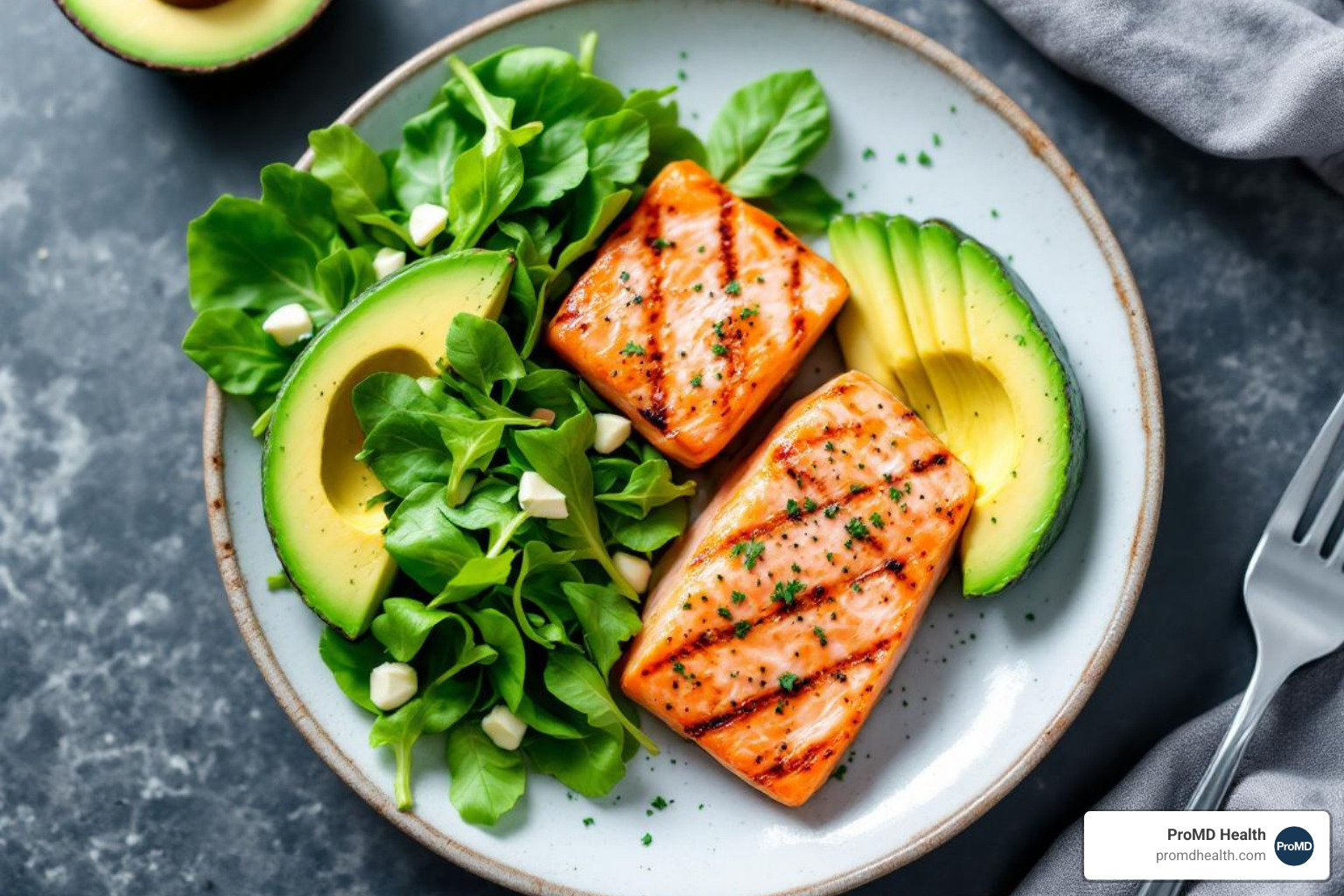
- Healthy Fats: Essential for hormone production. About 20% of your daily calories should come from sources like olive oil, avocados, walnuts, and seeds. Include omega-3s from fatty fish like salmon several times a week to reduce inflammation.
- Fiber-Rich Foods: Fiber helps eliminate excess hormones. Soluble fiber from oats, lentils, and chia seeds is great for clearing excess estrogen and stabilizing blood sugar. The National Library of Medicine confirms fiber is crucial for hormone detoxification.
- Cruciferous Vegetables: Broccoli, cauliflower, and kale contain compounds that help your liver process excess estrogen. The Linus Pauling Institute at Oregon State University notes these vegetables activate key liver enzymes. Aim for 5-7 cups daily, or consider a DIM supplement (100-200 mg) with your provider’s guidance.
- What to Limit: Limit processed foods and sugar, which drive insulin resistance. The American Heart Association recommends women limit added sugar to 24g daily and men to 36g. Also, limit caffeine to under 200 mg daily and alcohol to 3 or fewer drinks per week for women (5 for men), as both can disrupt estrogen levels.
The Gut-Hormone Connection
Your gut is a key hormone-regulating organ, housing more than 100 trillion friendly bacteria that influence your health. A specialized group of gut bacteria, the estrobolome, helps metabolize estrogen. An imbalance (dysbiosis) can lead to estrogen dominance.
Support your gut with fermented foods like kimchi and yogurt and prebiotics from garlic and onions. Avoid unnecessary antibiotics, processed foods, and artificial sweeteners that harm gut flora. A happy gut promotes balanced hormones.
While these approaches are powerful, sometimes your body needs more personalized support. If symptoms persist, our team can help assess your needs and explore options like bioidentical hormone replacement.
Lifestyle Strategies for Balancing Hormones Naturally
Your daily habits—how you manage stress, sleep, and move—shape your hormonal health. Small, consistent adjustments to your routine can create profound shifts in how you feel.
The Impact of Stress and Sleep on Hormones
Stress and sleep are two of the biggest hormone disruptors. When one stumbles, the other falls.
Chronic stress keeps cortisol levels high, which increases appetite, sugar cravings, and belly fat while disrupting other hormones. Managing stress is essential. Try daily meditation, yoga, or the 4-7-8 breathing technique: breathe in for four counts, hold for seven, and exhale for eight. Dr. Weil suggests doing 3-5 cycles of 4-7-8 breathing twice daily. Connection with others also lowers cortisol.
Poor sleep is linked to imbalances in many hormones, including insulin and cortisol. Most adults need 7-9 hours of sleep for optimal health. A consistent sleep schedule, even on weekends, supports your circadian rhythm. Keep your bedroom dark, quiet, and cool (60-67°F). Avoid blue light from screens for at least an hour before bed, as it suppresses melatonin.
Taking these steps is key to reducing the effects of aging and maintaining vitality.
Exercise for Balancing Hormones Naturally
Movement is medicine for your hormones, but balance is key. Regular exercise is a powerful tool for improving insulin sensitivity, which helps prevent conditions like PCOS and type 2 diabetes.
High-intensity interval training (HIIT), strength training, and cardio are all effective. Even regular walking helps. For building strength and supporting testosterone, focus on compound movements like squats, deadlifts, and push-ups.
However, avoid overtraining. Chronic exhaustion or menstrual changes are signs you need more rest. Recovery is when your body adapts and gets stronger—it’s strategic, not lazy.
Limiting Environmental Toxins
Everyday chemicals known as endocrine disruptors can interfere with your hormones. Reducing your exposure is a key part of balancing hormones naturally.
- Plastics: Avoid BPA and phthalates by switching to glass or stainless steel containers, and never microwave food in plastic.
- Water: Use a water filter to reduce chlorine and other contaminants that can affect hormone function.
- Pesticides: Choose organic produce when possible, especially for the “Dirty Dozen” foods with the highest pesticide residues.
- Personal Care: Check your personal care and cleaning products for parabens and synthetic fragrances. Use resources like the Environmental Working Group (EWG) or Yuka to find safer alternatives.
Start with one or two swaps to avoid feeling overwhelmed. Every step reduces your toxic load and supports hormonal balance.
Navigating Hormonal Shifts Through Life’s Stages
Hormones ebb and flow throughout life’s stages, from puberty to menopause. Understanding these natural shifts helps you support your body and continue feeling vibrant. While some hormonal decline with age is normal, the right strategies for balancing hormones naturally can make a significant difference.
For comprehensive support during these transitions, explore more info about menopause management on our services page.
Natural Support for Perimenopause and Menopause
Perimenopause, the transition to menopause, often begins in the 40s as estrogen and progesterone decline. Common symptoms include hot flashes, night sweats, mood swings, and sleep disruptions.
- Phytoestrogens: These plant compounds mimic estrogen and can ease symptoms. Good sources include flax seeds, soy (edamame, tempeh), plums, pears, and berries.
- Herbal Support: Black cohosh may help with hot flashes and mood, while maca root can support the body’s own hormone production.
- Bone Health: With lower estrogen, osteoporosis risk increases. Ensure you get adequate calcium (1,200 mg daily) from dairy, leafy greens, or fortified foods. Vitamin D is crucial for calcium absorption; get it from sunlight or supplements. Research shows vitamin D is vital for overall hormonal function.
- Managing Hot Flashes: Dress in layers, use breathable fabrics, and identify personal triggers like spicy food, alcohol, or caffeine.
For more comprehensive approaches, including hormone replacement, visit our page on treating menopause.
Supporting Hormonal Health During Reproductive Years
During reproductive years, the focus is often on managing the monthly cycle and PMS symptoms like mood swings, bloating, and breast tenderness.
- Cycle Syncing: Align your diet and exercise with the phases of your menstrual cycle. Seed cycling is one method: use flax and pumpkin seeds in the first half of your cycle to support estrogen, and sesame and sunflower seeds in the second half for progesterone.
- Managing PMS: Reduce added sugar to stabilize blood sugar and support progesterone levels.
- Herbal Support: Chaste tree berry (Vitex) can help regulate cycles and boost progesterone. Evening primrose oil may ease breast tenderness and mood swings.
- Key Nutrients: Ensure your diet is rich in magnesium (for cramps and mood), B-vitamins (for energy), and iron (especially with heavy periods).
When to Seek Professional Guidance
While natural strategies are powerful, sometimes your body needs more. Knowing when to seek professional help is a sign of wisdom, not failure. If you’ve tried everything and still feel off, an expert evaluation is the next step.
Recognizing Red Flags and Potential Risks
Certain symptoms warrant professional attention and shouldn’t be ignored:
- Unexplained weight changes: Significant gain or loss without lifestyle shifts could indicate thyroid issues or other metabolic conditions.
- Heart palpitations: A racing or fluttering heart, especially with anxiety or heat intolerance, may signal hyperthyroidism.
- Severe depression or anxiety: If mood issues are debilitating, professional support is crucial.
- Infertility: Hormonal imbalances, particularly insulin resistance, are a major cause of infertility in both men and women.
- Diagnosed endocrine conditions: If you have diabetes, thyroid disease, PCOS, or another condition, medical supervision is non-negotiable.
- Persistent symptoms: If natural strategies haven’t helped after several months, it’s time to investigate deeper. As the Cleveland Clinic explains, imbalances can be complex and require a professional diagnosis.
How Professional Hormone Optimization Can Help
When natural methods aren’t enough, professional hormone optimization offers personalized solutions. At ProMD Health, our approach is built on precision.
- Comprehensive Testing: We use advanced blood and saliva tests to map your unique hormone levels, including estrogen, testosterone, cortisol, and thyroid hormones. We test, not guess.
- Personalized Plans: Based on your tests, symptoms, and goals, we create a customized strategy for your body.
- Bioidentical Hormones: When appropriate, we may recommend bioidentical hormones, which are structurally identical to those your body produces. For many, this therapy is transformative, restoring energy, mood, and sleep.
Understanding how effective hormone optimization therapy can be starts with a full assessment, combining natural strategies with advanced medical interventions.
Your Sustainable Plan for Long-Term Hormone Health
Balancing hormones naturally is a long-term journey, not a quick fix. It requires consistency, patience, and self-awareness. The strategies in this guide—nutrient-dense food, stress management, quality sleep, and supportive exercise—are the building blocks for sustainable health.
Each healthy choice reinforces the next, creating a positive feedback loop. Listen to your body’s signals and celebrate small victories, like better sleep or a more stable mood. These are signs your efforts are working.
While these natural strategies are the foundation, a truly personalized plan may require expert guidance. If you’ve implemented these changes but still need support, the specialists at ProMD Health can help. We use advanced testing and technology to create a comprehensive strategy that improves your lifestyle efforts.
Our approach combines the best of natural wellness with cutting-edge medical expertise. We’re here to partner with you, whether you’re navigating a life transition or simply want to optimize your health proactively. Ready to feel your best? Take the next step with hormone optimization therapy with ProMD Health.