You're standing in front of the mirror, applying concealer over a surgical line, acne scar, or patch of lighter skin, and wondering whether there's a better answer than adding another layer of makeup. You may have searched for a scar cover up and found two very different promises: instant camouflage and longer-term clinical improvement.
Both options can be useful, but they solve different problems. Makeup and pigment reduce visual contrast. Treatments such as microneedling and laser procedures may improve texture or tone. Neither approach is a magic eraser, and choosing the wrong one for an active, raised, or changing scar can create avoidable problems.
Table of Contents
- The Reality of Visible Scars and Concealment
- Assessing Scar Biology Before Choosing a Treatment
- Topical Camouflage and Medical-Grade Skincare
- Clinical Treatments for Texture and Tone Improvement
- Understanding Paramedical Tattooing Limitations
- Navigating Scar Treatments for Skin of Color
- Building a Professional Scar Revision Plan
The Reality of Visible Scars and Concealment
Scars are common, not unusual cosmetic imperfections. An international epidemiological survey of 11,100 people found that 48.5% of participants reported at least one scar, with the face and abdomen among the most common visible sites for scarring (international scar prevalence survey). A scar may follow surgery, childbirth, acne, trauma, burns, or an ordinary injury, but the emotional impact can be similar. People often change clothing, avoid photographs, or feel self-conscious during close personal contact.
The first clinical distinction is simple: hiding a scar isn't the same as changing it. A high-coverage cosmetic can make a pale line, red mark, or uneven patch less noticeable for the day. Medical tattooing can also reduce color contrast for selected mature scars. Neither option removes fibrosis, flattens a raised area, fills an indentation, releases tight tissue, or relieves pain.
What camouflage can and cannot solve
I assess a scar by more than its color. The important questions include:
- Is it mature? A scar that's still red, tender, itchy, or changing may not be ready for cosmetic camouflage or pigment.
- Is it flat or textured? Color products work best when the main concern is contrast rather than elevation or depression.
- Is it stable? A stable scar is easier to match and less likely to change after treatment.
- Is it symptomatic? Pain, tenderness, tightness, or recurrent inflammation deserves medical assessment before concealment.
- Where is it located? A facial scar may need a different strategy from an abdominal scar exposed mainly during specific clothing or activities.
Clinical rule: Choose the treatment for the scar's biology first, then address its appearance.
A flat, mature, lighter scar may be a reasonable candidate for topical camouflage or carefully planned pigment restoration. A thickened, inflamed, painful, or rapidly changing scar may need medical treatment first. The best scar cover up is therefore not always the one that hides the most. It's the one that improves appearance without ignoring what the tissue is doing.
Assessing Scar Biology Before Choosing a Treatment
A common assumption is that any scar can be tattooed or covered if the pigment is strong enough. That isn't safe or accurate. Tattooing physically injures the skin and can cause infection, allergic reactions, and textural damage. Color mismatch is also a documented complication when camouflage is applied to scars that aren't fully mature or stable (clinical review of tattooing and scar camouflage).
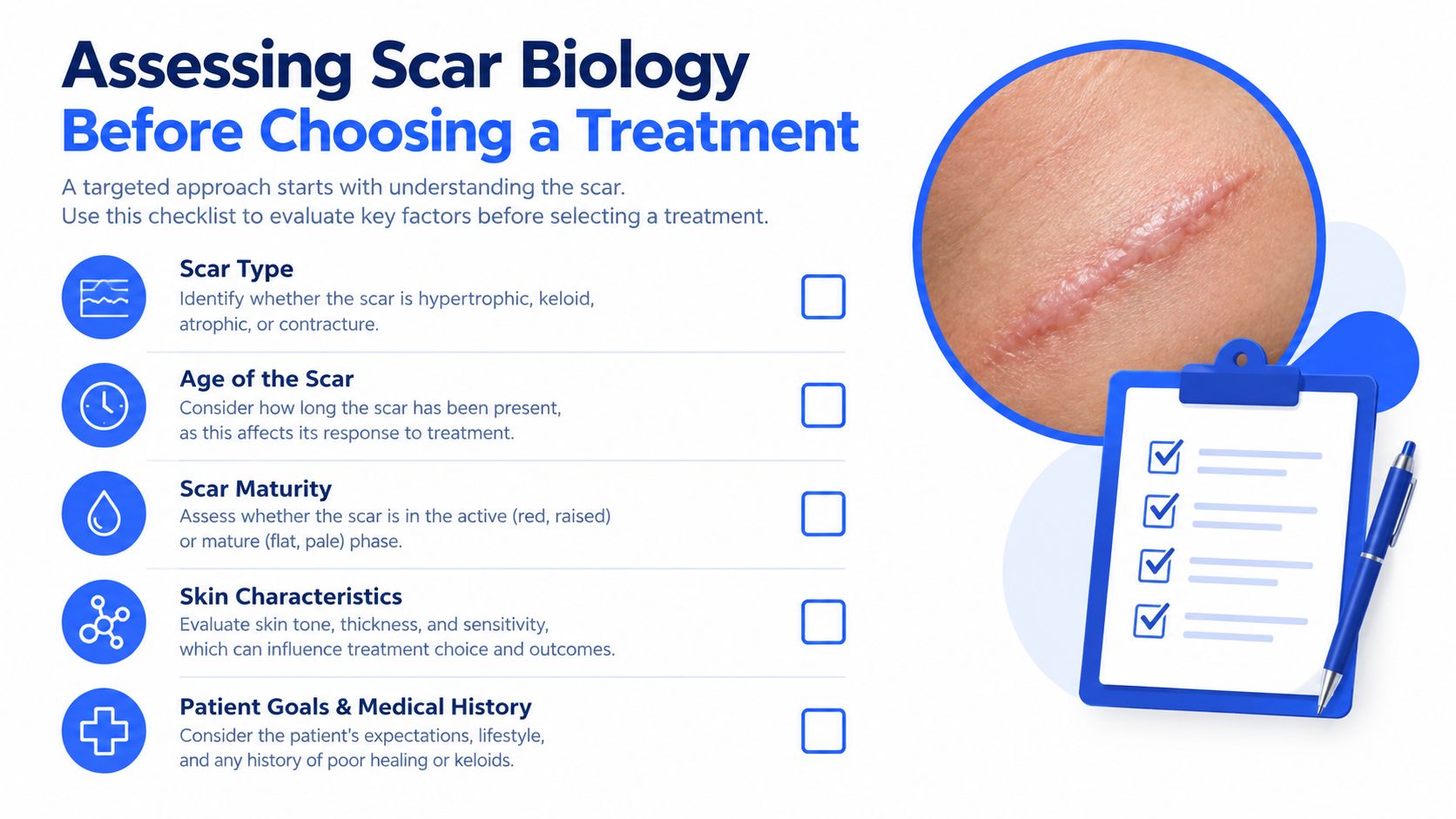
Before choosing a product or booking a procedure, examine the scar under consistent lighting and note how it behaves. A scar that looks pale but feels soft and level is a different treatment problem from one that's firm, raised, itchy, or attached to deeper tissue.
Five questions that guide treatment selection
Maturity comes first. A scar should be settled before you consider an invasive camouflage procedure. There isn't one universal waiting period that applies to every person or every scar, so a provider should assess color, pliability, vascularity, and ongoing change rather than approve treatment by age alone.
Texture determines the ceiling of camouflage. A pigment can make a flat pale area blend more closely with surrounding skin. It can't correct a ridge, depression, contracture, or tethered base. If texture dominates the concern, revision should be considered before or instead of pigment.
Symptoms change the priority. Pain, persistent itching, warmth, drainage, increasing redness, or progressive thickening isn't a cosmetic-only issue. Seek medical evaluation rather than covering the area and hoping the problem disappears.
Scar type matters. Raised hypertrophic scars and keloids require particular caution. Their behavior can differ from flat surgical or acne scars, and tattooing may aggravate an already reactive area.
Visibility isn't the same as harmlessness. Pigment can make a longstanding scar less obvious, but tattoos and camouflage may also obscure changes that deserve examination. Any scar that changes in color, shape, symptoms, or surface should be assessed before concealment.
A consultation should include your scar's cause, previous procedures, history of abnormal scarring, skin conditions, medications, and any prior reactions to pigment or adhesives. Bring photographs from earlier stages if you have them. They can help the provider understand whether the scar is truly stable or only looks quiet on the day of consultation.
Topical Camouflage and Medical-Grade Skincare
For immediate, non-invasive concealment, high-coverage cosmetics are usually the most flexible starting point. They're reversible, adjustable as your skin tone changes, and useful when a scar is too new or biologically active for an invasive procedure.
Start with clean, fully dry skin. Apply a thin moisturizer if the surrounding area is dry, then use sunscreen during daytime exposure once the skin can tolerate it. Sun protection matters because ultraviolet exposure can deepen contrast between a scar and the surrounding skin, making camouflage more difficult.
A practical application sequence
- Prepare the surrounding skin. Use a gentle cleanser and a provider-selected moisturizer. Avoid applying strong exfoliants or irritating products directly over a sensitive scar unless a clinician has recommended them.
- Neutralize unwanted color. A muted green corrector may reduce the appearance of red tones, while a peach or orange corrector may help counter a blue-gray cast. Use the smallest amount needed.
- Stipple rather than rub. Press high-coverage product onto the scar with a small sponge or fingertip. Rubbing can move product into surrounding skin and leave the scar visibly outlined.
- Match the surrounding skin, not the scar alone. Compare the product along the scar's edges in natural light. Undertone matters as much as depth. A shade that looks correct indoors may appear too pink, yellow, or gray outside.
- Set selectively. A light setting layer can reduce transfer onto clothing, but excessive powder may emphasize depressions and dry texture.
- Remove gently. Use a non-abrasive cleanser and avoid scrubbing. Irritation can create more redness or pigment contrast.
Medical-grade skincare can support the surrounding skin and help maintain a more even surface between appointments. ProMD Health provides medical-grade skincare selected for professional skin-care routines, but product choice should still reflect your scar type, sensitivity, pigmentary history, and current treatments.
Topical camouflage won't flatten a raised scar or fill a depression. It also requires daily application and can transfer with sweat, friction, or water. Its strengths are control and reversibility, which make it a sensible option while a scar matures or while you decide whether structural treatment is appropriate.
Clinical Treatments for Texture and Tone Improvement
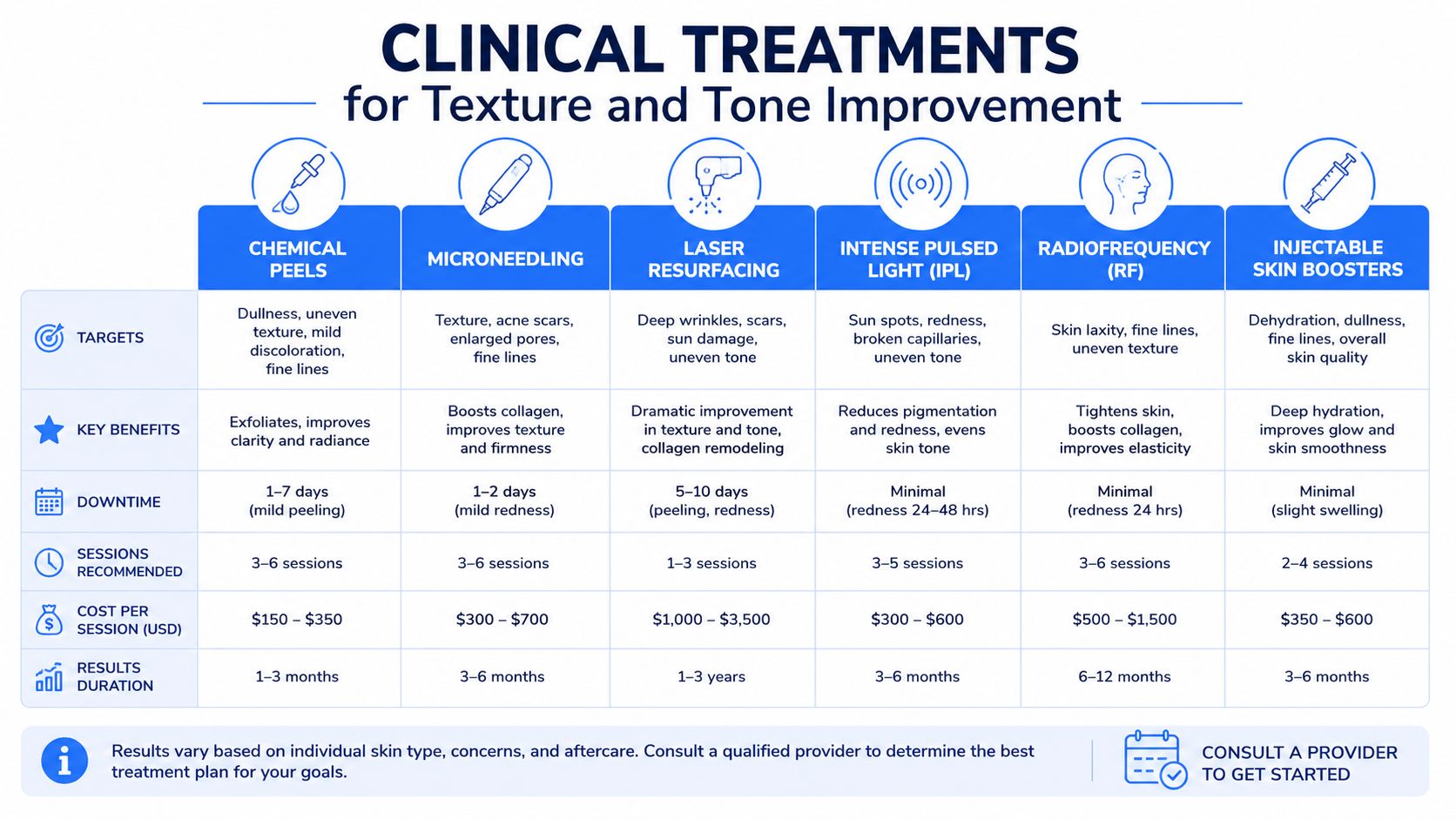
When texture or persistent discoloration is the main concern, camouflage may feel incomplete. Clinical treatments work differently from makeup because they're intended to influence the skin's surface, pigment behavior, vascular appearance, or collagen remodeling. The correct choice depends on the scar, the patient's skin tone, and the provider's assessment.
Matching the method to the problem
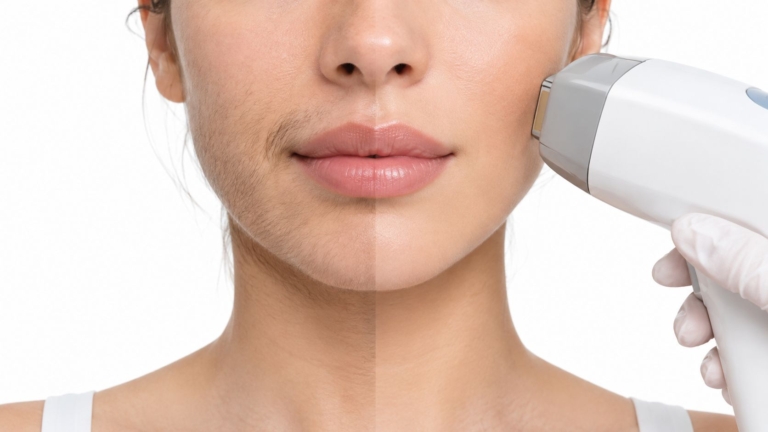
Laser treatments can address selected concerns such as redness, uneven pigment, or surface texture. Different devices and settings produce different effects, so “laser scar treatment” isn't a single standardized procedure. Energy-based treatment requires particular caution in darker skin tones, where excess inflammation may lead to unwanted pigment changes.
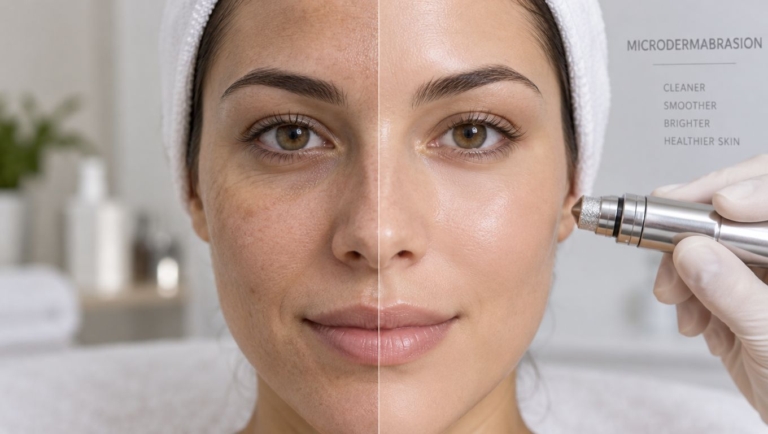
Microneedling creates controlled micro-injuries that may support collagen remodeling and improve the appearance of selected textural irregularities. It isn't a universal solution for raised scars, active inflammation, or every surgical line. Treatment depth, spacing, aftercare, and the scar's underlying structure all matter.
Chemical peels accelerate exfoliation and can help selected surface discoloration or uneven tone. They generally won't correct a deep depression, thickened tissue, or a tethered scar. A peel that's too aggressive for the patient's skin can cause irritation and additional pigment contrast.
| Treatment approach | Most relevant concern | Main limitation |
|---|---|---|
| Laser treatment | Selected redness, pigment, or texture concerns | Settings and candidacy must be individualized |
| Microneedling | Some atrophic or uneven textures | It can't reliably correct every raised or tethered scar |
| Chemical peel | Surface tone and controlled exfoliation | It doesn't rebuild deep structure |
| Topical skincare | Ongoing tone support and skin preparation | Results depend on consistent use and can't replace revision |
Some patients also ask about light-based approaches for discoloration, including red light therapy for stretch marks. It's important to separate general light-based wellness claims from a scar-specific treatment plan, because the cause, depth, texture, and pigment behavior of each scar still determine what's appropriate.
A provider may combine modalities, but combination treatment shouldn't mean treating everything at once. The skin needs time to respond, and the plan should preserve the option to adjust settings or change direction if the scar becomes irritated or pigment shifts. ProMD Health describes skin texture improvement through customized aesthetic care, including approaches that address texture and tone rather than just masking contrast.
Understanding Paramedical Tattooing Limitations
Paramedical tattooing, also called scar camouflage or micropigmentation, deposits pigment into or over a scar to reduce the visual difference between the scar and nearby skin. It can be useful for a mature, stable, relatively flat, lighter scar whose primary problem is loss of color.
It isn't resurfacing. Pigment doesn't remove fibrosis, soften a hard ridge, fill an indentation, release contracture, or restore altered hair growth. If you can feel the scar more than you can see it, a color-based procedure may leave the main concern untouched.
Why pigment matching is difficult
Natural skin isn't one flat shade. It contains undertones, vascular variation, seasonal changes, and sun exposure differences. Iron-oxide pigments are commonly favored because their undertones can approximate natural skin color and they have a comparatively lower allergy risk, but no pigment remains perfectly identical forever.
Ultraviolet exposure and immune-cell uptake can degrade or alter deposited pigment. Fading, color shift, and mismatch may require staged correction. A clinical review of mature-scar medical tattooing found that 31% of cases required a retouch procedure during a 14-month follow-up (medical tattooing review). That finding supports a realistic expectation: “permanent” camouflage often involves maintenance.
Before booking: Ask to see healed examples on scars and skin tones similar to yours, not only freshly treated photographs.
The provider's training should match the procedure. A practitioner who performs ordinary cosmetic tattooing may not have experience evaluating scar maturity, vascularity, texture, pigment stability, or abnormal scar behavior. If you're researching professional education, you can browse tattooing certification programs, but certification alone doesn't replace medical screening or scar-specific experience.
Paramedical tattooing also isn't the same as tattoo removal. If an unwanted tattoo or prior pigment complicates the area, a separate assessment may be needed. ProMD Health offers tattoo removal as a distinct service, but removal, scar revision, and camouflage require different goals and treatment planning.
Navigating Scar Treatments for Skin of Color
Darker skin isn't just a more difficult color-matching project. Melanin-rich skin can have a higher risk of post-inflammatory hyperpigmentation, hypopigmentation, dyspigmentation, and abnormal scarring after procedures that create inflammation or physical injury.
Clinical guidelines warn that laser treatments in skin of color must be used conservatively, because higher fluences are associated with increased risks of post-inflammatory hyperpigmentation and abnormal scarring in darker phototypes (guidance on dermatologic conditions in skin of color). That doesn't mean every laser or microneedling procedure is unsuitable. It means candidacy, device selection, energy settings, treatment density, and aftercare must be individualized.
Questions that improve safety
Ask the provider:
- What is my pigmentary risk? Discuss prior hyperpigmentation, melasma, hypopigmentation, recent tanning, and reactions to cosmetic procedures.
- Do you recommend a test spot? A small test area may help assess how your skin responds before treating a larger scar.
- How will you modify settings? Conservative treatment may involve lower energy, reduced density, staged sessions, or longer intervals between procedures.
- What happens if the color changes? You should understand the plan for inflammation, darkening, lightening, or delayed healing.
- Do you have experience with my phototype? “Safe for all skin tones” isn't specific enough. Ask for relevant experience and healed results.
Scar camouflage also needs careful undertone matching. A pigment that looks acceptable immediately after treatment can heal too warm, too cool, too light, or too dark. Staged color placement and conservative correction are safer than trying to force an exact match in one session.
Sun protection is part of the treatment, not an optional cosmetic detail. Recent tanning can change the match, while ultraviolet exposure can worsen contrast and alter pigment over time. A responsible plan accounts for your baseline skin tone, seasonal changes, medical history, and tendency toward abnormal scarring before any procedure begins.
Building a Professional Scar Revision Plan
Start your consultation with clear goals. Do you want the scar to be less visible in photographs, smoother to the touch, closer in color to surrounding skin, or less tight during movement? Those goals may point toward different treatments, and no single procedure reliably addresses all of them.
Bring photographs taken in natural light, information about when the scar formed, details about the original cause, and a list of previous treatments. Tell the provider if you've developed keloids or thickened scars before, had pigment changes after injury, reacted to adhesives or tattoo pigment, or recently tanned the area.
A sound plan usually answers four practical questions:
- What should be treated first? Active inflammation, significant symptoms, or suspicious change takes priority over cosmetic concealment.
- What result is realistic? The aim may be reduced contrast or improved texture, not complete disappearance.
- How will progress be measured? Consistent photographs and healed assessments are more useful than judging a procedure immediately afterward.
- What maintenance is likely? Skincare, sun protection, repeat treatments, or pigment touch-ups may be part of long-term management.
ProMD Health operates as a cash-pay practice, so patients should confirm current treatment availability, office-specific services, and pricing directly during consultation rather than assume insurance reimbursement. Location and treatment availability may vary, including for laser-based procedures, so verify the details with the selected ProMD office before scheduling.
A provider-led plan may combine in-office treatment with home care, such as silicone-based scar support or physician-grade topical products. The sequence matters. Treating texture first and considering camouflage later may produce a more natural result than covering an uneven surface immediately.
ProMD Health offers customized aesthetic care that can include microneedling, laser treatments, scar-support options, and physician-grade skincare for selected scar concerns. Visit ProMD Health to request a consultation, discuss your scar's maturity and texture, and determine which treatment pathway fits your goals.