
Best Hair Removal for Face 2026: Discover Smooth
Why Choosing the Right Facial Hair Removal Method Matters
Best hair removal for face options range from quick at-home solutions to long-term professional treatments, each with distinct benefits for your skin type and lifestyle. Understanding your choices helps you achieve smooth, confident skin without unnecessary irritation or expense.
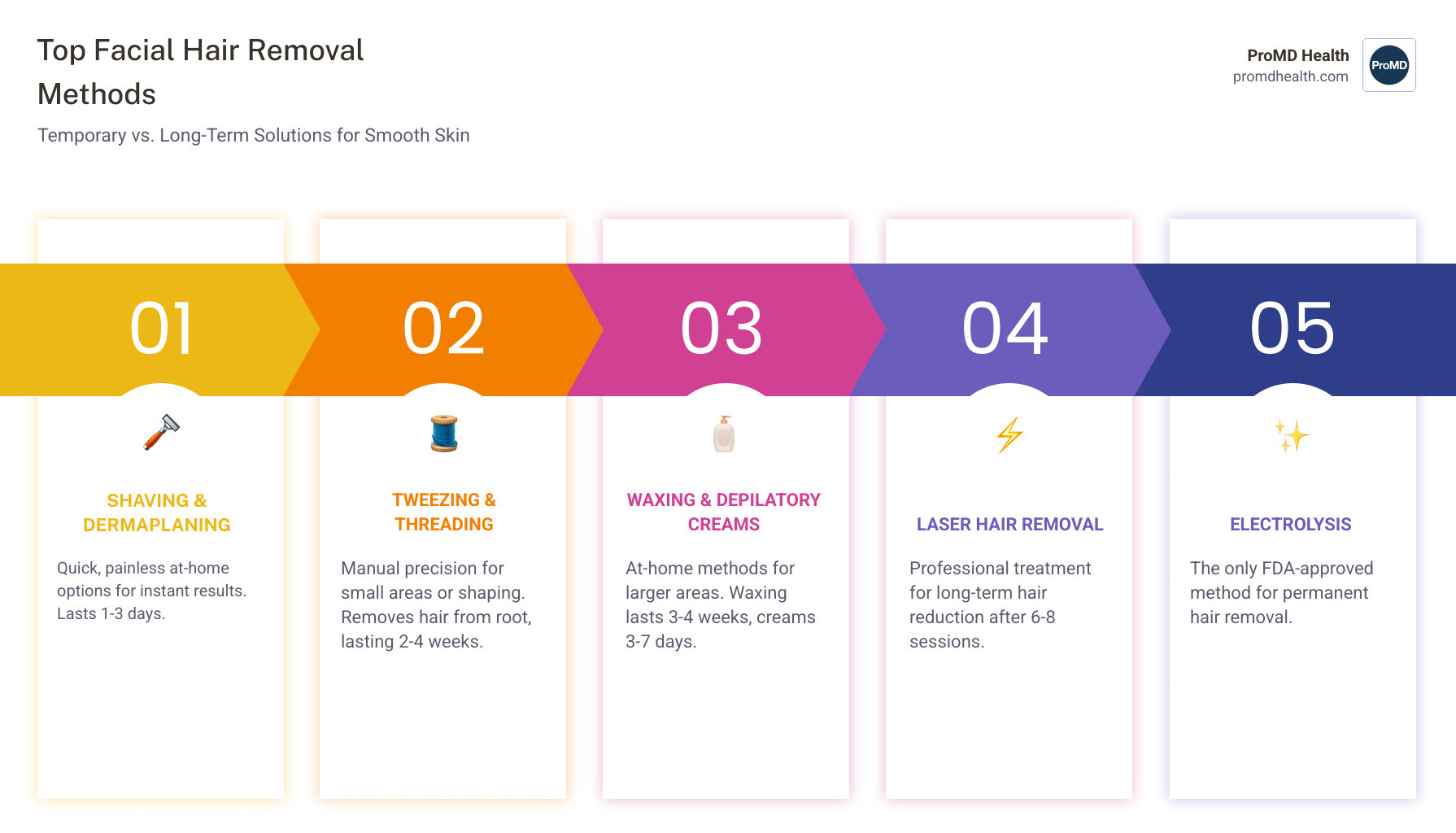
Quick Answer: Top Facial Hair Removal Methods
Temporary At-Home Options:
- Shaving/Dermaplaning – Painless, instant results, lasts 1-3 days
- Tweezing – Precise for small areas, lasts 2-3 weeks
- Waxing – Removes hair from root, lasts 3-4 weeks
- Depilatory Creams – Chemical removal, lasts 3-7 days
- Threading – Precise shaping, lasts 2-4 weeks
Long-Term Professional Solutions:
- Laser Hair Removal – Permanent reduction after 6-8 sessions
- Electrolysis – Only FDA-approved permanent removal method
Facial hair is completely normal. Whether you have a few stray chin hairs or noticeable peach fuzz on your cheeks, you’re far from alone. Chin hair in females is common and often caused by hormonal changes throughout life—from puberty to pregnancy to menopause.
The best method for you depends on several factors: your skin sensitivity, hair thickness, budget, pain tolerance, and how much time you want to invest in maintenance. Some people prefer the convenience of daily shaving or dermaplaning. Others want the lasting smoothness that comes from professional laser treatments.
There’s no single “best” method—only the best method for your needs.
At-home methods like shaving and creams offer immediate, affordable results but require frequent upkeep. Professional treatments like laser hair removal cost more upfront but deliver longer-lasting smoothness and, in many cases, permanent hair reduction.
As George Gavrila, MD, Founder and Medical Director of ProMD Health, has seen firsthand, expert clinicians help patients choose aesthetic treatment options every day, including finding the best hair removal for face that matches their unique skin type and goals. This guide breaks down every major method so you can make an informed choice about what works for your face, your skin, and your life.
Understanding Facial Hair: Why It’s There and What It Means
Facial hair is a natural part of our biology, influenced by hormones, genetics, and life stages. Understanding these factors helps us make informed decisions about hair removal.
The Role of Hormones in Facial Hair Growth
Our bodies produce androgens, hormones responsible for hair growth in areas like the face. Higher androgen levels or increased sensitivity can lead to more noticeable facial hair.
Hormonal fluctuations during puberty, pregnancy, and menopause significantly impact facial hair. These periods often involve androgen shifts, causing fine vellus hair to transform into thicker terminal hair. Some medications and treatments, including certain hormonal therapies and metabolic treatments like tirzepatide used in medically supervised weight loss programs, can also influence hormones and hair growth patterns.
What Causes Chin Hair in Females?
Chin hair in females is common and primarily hormonal. Significant facial hair often links to hirsutism—excessive hair growth in male-pattern areas like the chin and upper lip.
Hirsutism causes include:
- Polycystic Ovary Syndrome (PCOS): The most common cause, involving hormonal imbalance
- Other Hormonal Imbalances: Conditions affecting adrenal glands or ovaries
- Genetics: Often runs in families
When to see a doctor: Sudden increases in facial hair accompanied by irregular periods, acne, or weight gain may indicate conditions like PCOS requiring medical attention. ProMD Health can assess concerns and guide you toward appropriate treatments.
Sex, Gender, and Facial Hair Explained
We use “male” and “female” to refer to biological sex determined by chromosomes, and “men” and “women” for gender identity. Biologically, individuals assigned male at birth typically have thicker facial hair due to higher androgens. Everyone has vellus hair (peach fuzz) on their face. Cultural norms influence why many seek facial hair removal, and at ProMD Health, we ensure everyone feels comfortable in their choices.
A Guide to Facial Hair Removal Methods
Choosing the best hair removal for face involves exploring options from quick at-home fixes to long-term professional solutions.
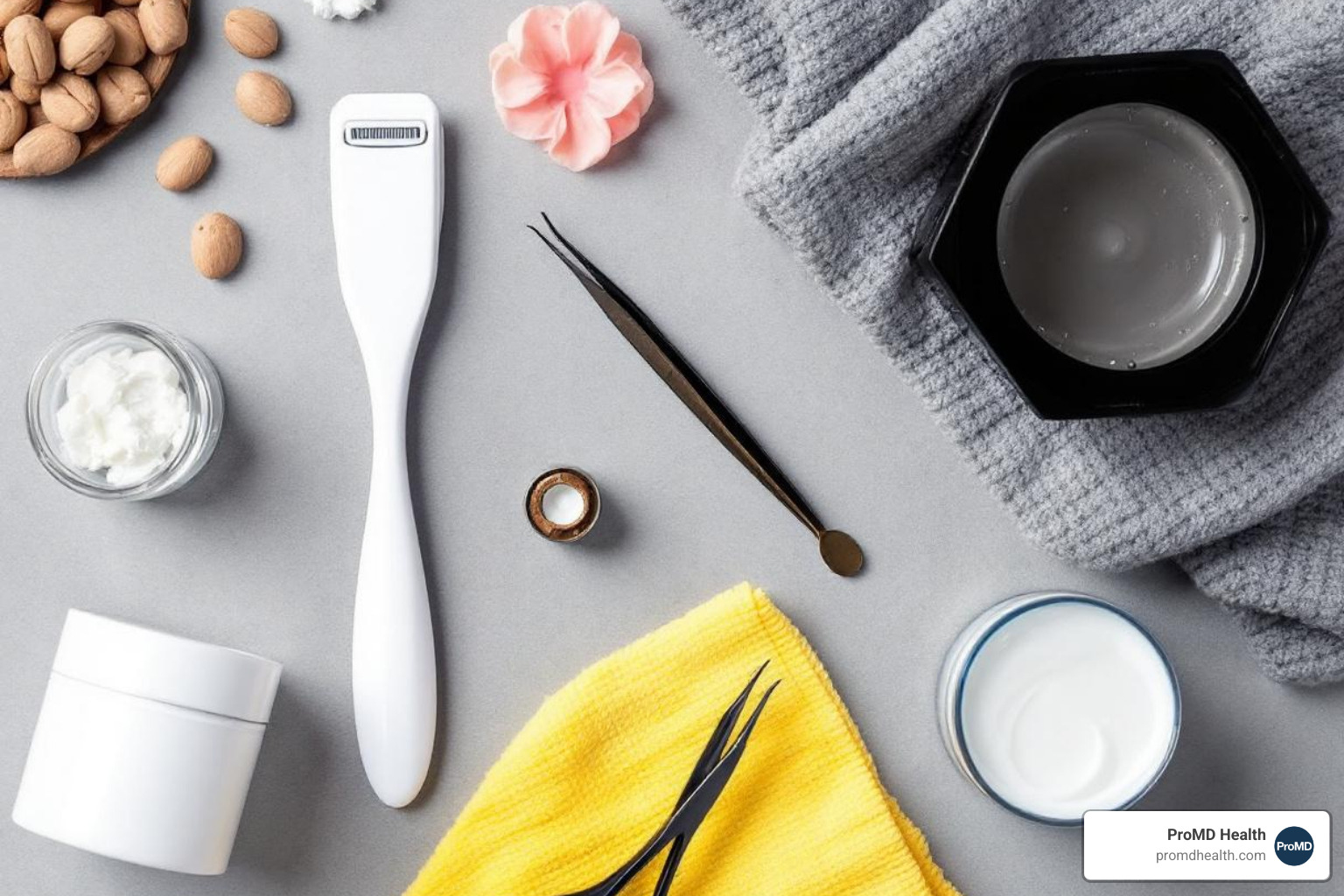
Temporary At-Home Methods
-
Shaving:
- How it works: Razor cuts hair at the surface
- Pros: Inexpensive, fast, painless. George Gavrila, MD, notes it’s “the most effective method for removing hair, with the least side effects”
- Cons: Hair regrows in 1-3 days, risk of nicks and ingrown hairs
- Best for: Quick touch-ups, sensitive skin
-
Dermaplaning:
- How it works: Single-blade razor removes peach fuzz and dead skin
- Pros: Painless, smooth makeup canvas, better skincare absorption. George Gavrila, MD, notes it “creates a better canvas for not only makeup but better skin care absorption”
- Cons: Requires careful technique, may cause irritation if done incorrectly
- Best for: Removing peach fuzz, exfoliating
-
Tweezing:
- How it works: Plucks individual hairs from root
- Pros: Precise, lasts 2-3 weeks, inexpensive
- Cons: Painful, time-consuming for larger areas
- Best for: Eyebrows, stray chin hairs
-
Waxing (At-Home):
- How it works: Wax pulls hair from root
- Pros: Lasts 2-4 weeks, hair grows back finer
- Cons: Painful, risk of burns and irritation. George Gavrila, MD, cautions that “facial skin is significantly more delicate”
- Best for: Upper lip, chin, brows
-
Threading:
- How it works: Twisted thread plucks hair from follicle
- Pros: Precise, no chemicals, lasts 2-4 weeks
- Cons: Painful, requires skill
- Best for: Eyebrow shaping, upper lip
-
Depilatory Creams:
- How it works: Chemicals dissolve hair protein
- Pros: Painless, quick
- Cons: Can cause irritation and burns. George Gavrila, MD, advises caution for sensitive skin
- Best for: Quick removal after patch test
-
Epilators:
- How it works: Motorized tweezers pluck multiple hairs
- Pros: Lasts up to 4 weeks
- Cons: Painful, risk of ingrown hairs
- Best for: Those seeking longer-lasting at-home results
Long-Term Professional Solutions
-
Laser Hair Removal:
- How it works: Light targets melanin in follicles, inhibiting growth. ProMD Health uses the advanced Lutronic Clarity II system
- Effectiveness: Significant reduction after 6-8 sessions
- Ideal Candidates: Dark hair, fair to medium skin. George Gavrila, MD, states this ensures “hairs alone are absorbing the majority of the laser energy”
- Risks: Temporary redness, swelling, rare scarring
- Learn more about our advanced Laser Hair Removal services
-
Electrolysis:
- How it works: FDA-approved permanent removal using electrical current
- Effectiveness: Permanently destroys follicles
- Ideal Candidates: All hair colors and skin types
- Best for: Guaranteed permanent removal of small areas
For those pursuing wellness changes like medically supervised weight loss with tirzepatide, ProMD Health coordinates facial hair removal with your overall aesthetic goals.
Choosing the Best Hair Removal for Your Face
Selecting the best hair removal for face requires assessing your priorities and needs.
At-Home vs. Professional: A Comparison
| Method Category | Cost | Time Commitment | Results Longevity | Pain Level |
|---|---|---|---|---|
| At-Home (Shaving, Dermaplaning, Creams) | Low | High (frequent upkeep) | Short (days to 1-3 weeks) | Low to Moderate |
| At-Home (Waxing, Threading, Epilating) | Moderate | Moderate (weekly to monthly) | Medium (2-4 weeks) | Moderate to High |
| Professional (Laser Hair Removal) | High | Low (sessions every 4-8 weeks, then minimal maintenance) | Long (months to years of reduction) | Moderate |
| Professional (Electrolysis) | High | High (multiple, precise sessions) | Permanent | Moderate to High |
Finding the Best Facial Hair Removal Method for Sensitive Skin
For sensitive skin, choosing requires extra care to avoid irritation.
- Gentle Options: Shaving offers least side effects. Electric trimmers cut hair without plucking. Dermaplaning can be gentle when done correctly.
- Reducing Irritation: Always patch test new products, especially depilatory creams.
- Shaving for Sensitive Skin: George Gavrila, MD, notes, “Shaving is the most effective method for removing hair, with the least side effects, which is great if you have sensitive skin.” Use sharp razors on wet skin with lubricating gel.
- Professional Guidance: For conditions like eczema or rosacea, ProMD Health recommends consulting specialists before trying new methods.
If working with the team on wellness services including medical weight loss with tirzepatide, your provider can time facial treatments around those plans.
What are the most effective and painless methods for removing facial hair?
-
Painless Methods:
- Electric Trimmers/Shavers: Cut hair at surface, completely painless
- Dermaplaning: Generally painless, feels like gentle exfoliation
- Depilatory Creams: Dissolve hair painlessly if no reaction occurs
-
Most Effective Methods:
- Laser Hair Removal: Highly effective for long-term reduction with manageable discomfort
- Electrolysis: Ultimate effectiveness for permanent removal, though involves discomfort
- Waxing/Epilating: Effective root removal, longer-lasting but moderate to high pain
Choice depends on pain tolerance. Low tolerance? Try electric trimmers, dermaplaning, or patch-tested creams. Can handle discomfort? Consider laser or electrolysis for the best hair removal for face.
Safety, Side Effects, and Aftercare
Safety and proper aftercare are paramount for protecting delicate facial skin.
Potential Risks and Side Effects of Facial Hair Removal
Every method carries potential risks:
- Redness and Irritation: Common with waxing, threading, creams
- Burns: Risk with hot wax or depilatory creams left too long
- Nicks and Cuts: Common with shaving and dermaplaning
- Ingrown Hairs: Occur after waxing, tweezing, epilating
- Folliculitis: Hair follicle inflammation after waxing or shaving
- Hyperpigmentation: More common in darker skin tones
- Scarring: Rare but serious risk with laser or electrolysis if done improperly
- Infection: Possible with unsterile tools or open wounds
Professional care at ProMD Health minimizes risks and ensures safety during treatments.
How to Prevent Ingrown Hairs and Irritation
- Exfoliation: Gently exfoliate before hair removal to remove dead skin cells
- Proper Technique:
- Shaving: Use wet skin, sharp blade, shave with hair growth
- Waxing/Epilating: Ensure proper hair length, pull skin taut
- Moisturizing: Keep skin hydrated before and after
- Clean Tools: Sterilize tools, replace razors frequently
- Post-Treatment Care: Apply soothing, fragrance-free moisturizer or aloe vera
- Sun Protection: Apply SPF 30+ sunscreen, especially after laser or dermaplaning
If combining facial hair removal with wellness programs including tirzepatide, share your full treatment list with ProMD Health for customized aftercare recommendations.
Frequently Asked Questions about Facial Hair Removal
We hear many questions about facial hair removal, so let us tackle some common concerns.
Will removing facial hair make it grow back thicker?
This is a persistent myth, and we are here to debunk it. No, removing facial hair will not make it grow back thicker, darker, or coarser. The hair follicle itself determines the hair’s thickness and color, and removing the hair above or at the root does not change the follicle’s genetic programming.
What might give this impression is the “blunt tip effect.” When hair is cut (like with shaving or dermaplaning), it grows back with a blunt edge, making it feel coarser to the touch as it emerges. This is especially true for vellus hair (peach fuzz), which is naturally fine and soft. When it is cut, the blunt tip can feel more noticeable than the naturally tapered tip. However, the actual thickness or color of the hair has not changed.
How often do I need to remove facial hair?
The frequency of facial hair removal largely depends on the method chosen and our individual hair growth cycle.
- Shaving/Dermaplaning: Since hair is cut at the surface, regrowth is quick. We might need to shave every 1-3 days for consistent smoothness.
- Depilatory Creams: These dissolve hair at or just below the surface, so regrowth typically appears within 3-7 days.
- Tweezing: Pulling hair from the root means results last longer, usually 2-3 weeks.
- Waxing/Threading/Epilating: These methods also remove hair from the root, providing smoothness for 2-4 weeks, or even up to 6-10 weeks for threading.
- Laser Hair Removal: After a series of initial treatments (typically 6-8 sessions spaced 4-8 weeks apart), results can last for several months or even years, with minimal maintenance needed.
- Electrolysis: Once a follicle is permanently destroyed, no hair will grow back from that follicle, meaning no further removal is needed for that specific hair.
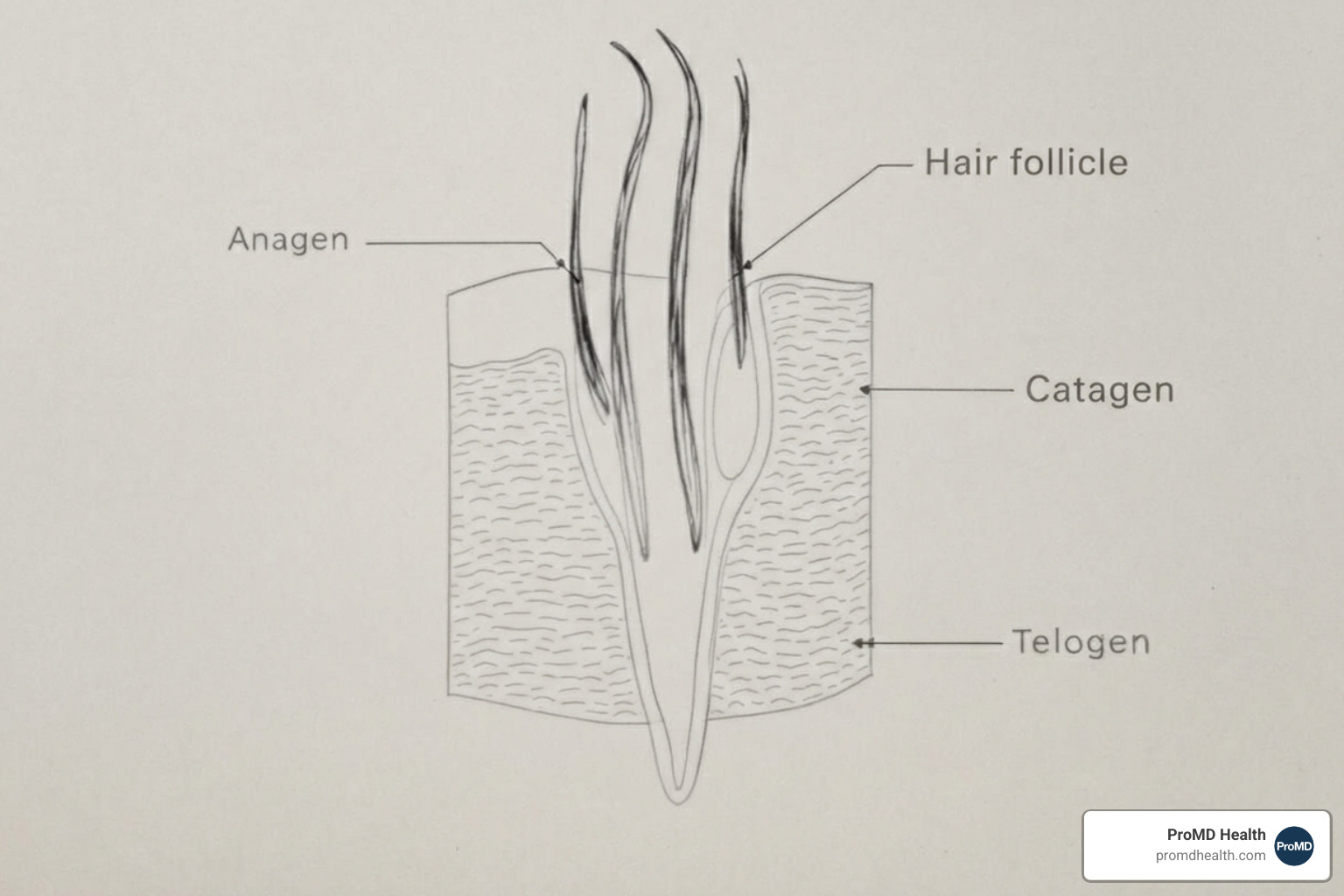
Our hair grows in cycles, and consistency is key for methods that target hair at different stages of growth.
If you are undergoing additional wellness or weight management treatments, including options such as tirzepatide-based medical weight loss programs at ProMD Health, your provider can help you plan a schedule for facial hair removal that fits smoothly into your broader treatment timeline.
Can I get laser hair removal on my whole face?
Yes, laser hair removal can be safely and effectively performed on various areas of the face. Common treatment areas include:
- Upper lip
- Chin
- Sideburns
- Cheeks
- Forehead (to refine the hairline)
However, safety and precision are always the priority. Areas very close to the eyes, such as within the eyebrow line, are generally avoided due to the risk of eye injury.
Safety Precautions and Consultation:
Before any facial laser hair removal, ProMD Health conducts a thorough consultation. This allows the team to assess your skin type, hair color and thickness, and discuss any medical conditions or medications you might be taking. The Lutronic Clarity II dual-wavelength system at ProMD Health is designed to be safe and effective for various skin types, but a personalized assessment is crucial to ensure the best and safest outcome. Your provider will outline a treatment plan custom to your specific needs and desired results.
Your Path to a Smoother Complexion
Choosing the best hair removal for face is a journey unique to each of us. We have explored a wide array of methods, from the immediate gratification of at-home shaving and dermaplaning to the lasting freedom offered by professional laser hair removal and electrolysis. Each option comes with its own set of benefits, drawbacks, and maintenance requirements, designed to suit different skin types, hair textures, budgets, and pain tolerances.
Facial hair is a natural part of life, and the decision to remove it is entirely personal. Whether you are seeking quick touch-ups or a more permanent solution, understanding your options empowers you to make the choice that brings you the most comfort and confidence.
The team at ProMD Health is dedicated to helping you achieve your aesthetic goals with personalized care and advanced technology, including AI simulation tools that help you visualize potential outcomes. For those considering a longer-term approach to smoother skin—or pairing facial hair removal with broader wellness or medical weight loss programs that may include treatments like tirzepatide—ProMD Health offers coordinated, medically guided care.
George Gavrila, MD, Founder and Medical Director of ProMD Health, emphasizes the importance of professional guidance: “It is always a good idea to consult with a dermatologist or aesthetic specialist to determine what works best for your unique skin and hair type, especially when considering more advanced treatments.”
To explore which option is right for you, contact your nearest ProMD Health location in Maryland, Virginia, Florida, Texas, Colorado, Delaware, or the District of Columbia, or visit our Laser Hair Removal services page to request a consultation.
Learn more about our advanced Laser Hair Removal services


