
Enhance sexual health: Boost Your 2025 Life
Understanding Sexual Health and Why It Matters for Your Vitality
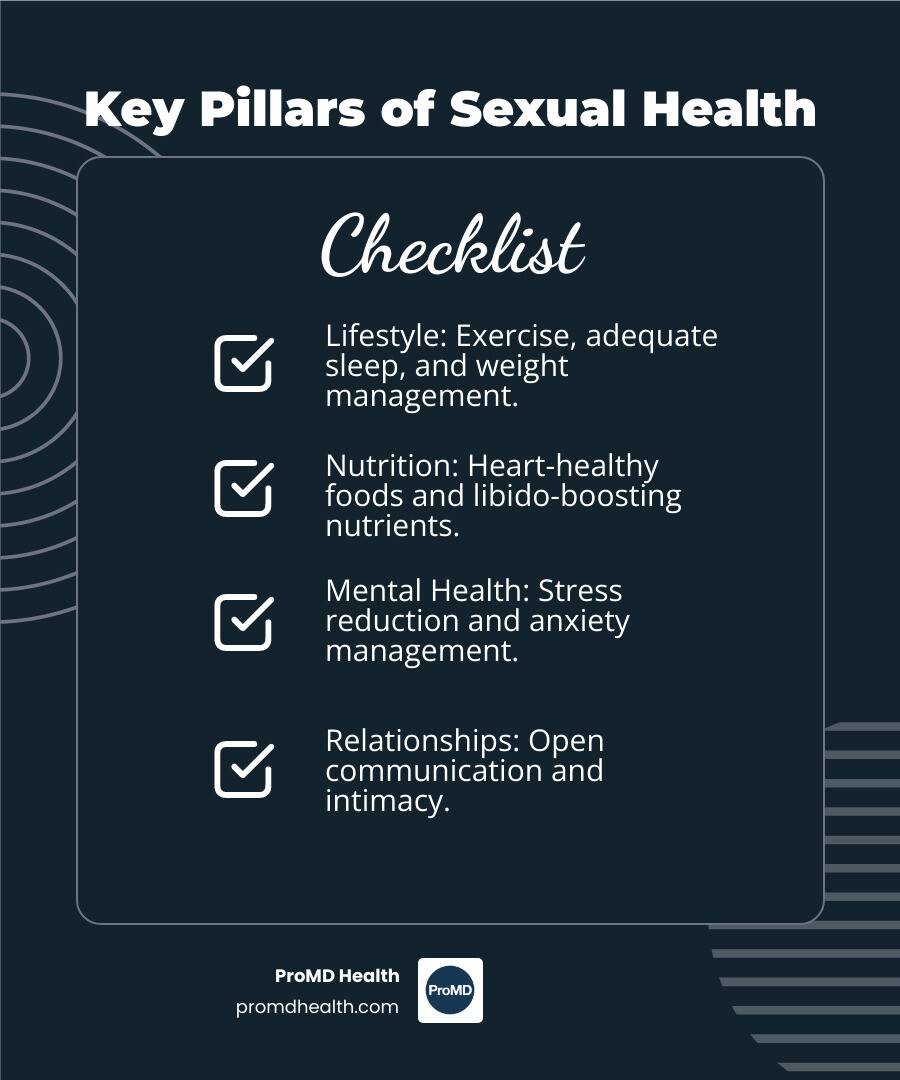
Improve sexual health by focusing on a holistic approach that addresses your physical fitness, mental well-being, nutrition, and relationship quality. Here’s what you need to know:
- Lifestyle Changes: Manage weight, exercise regularly, and prioritize 7-9 hours of sleep
- Nutrition: Eat foods rich in flavonoids, zinc, and nitric oxide boosters (berries, oysters, watermelon)
- Mental Health: Reduce stress through mindfulness, therapy, or exercise
- Relationship Quality: Foster open communication and prioritize foreplay
- Hormonal Balance: Consider professional evaluation if experiencing persistent low libido
- Avoid: Excessive alcohol, smoking, and relying on unproven supplements
Many people believe that declining sexual function is simply an inevitable part of aging. But research consistently shows otherwise. Sexual health is as important as your physical, mental, and spiritual health—it’s an integral component of overall well-being that encompasses how you feel in relationships, your energy levels, and your confidence.
The good news? You have more control than you think. Studies link several daily servings of fruits with a 14% reduction in erectile dysfunction. Regular exercise helps men cope with body image concerns and low libido. And for women, quality sleep directly impacts sexual desire and arousal the following day.
Sexual health isn’t just about what happens in the bedroom. It’s about cardiovascular fitness, hormone balance, stress management, and the quality of your relationships. When you address these foundational elements, sexual wellness often improves as a natural result.
As Scott Melamed, President and CEO of ProMD Health with extensive scientific training in biotechnology and hormone research from Johns Hopkins University, I’ve seen how optimizing overall health creates profound improvements in sexual vitality. Whether you’re experiencing changes due to age, stress, or hormonal shifts, there are evidence-based strategies to improve sexual health and reclaim your confidence.
The Foundation: How Your Overall Health Dictates Sexual Wellness
When we talk about sexual health, we’re not just discussing what happens between the sheets. We’re talking about a fundamental aspect of your overall well-being, one that intertwines deeply with your physical, mental, and emotional states. The World Health Organization (WHO) defines sexual health as “a state of physical, emotional, mental and social well-being in relation to sexuality; it is not merely the absence of disease, dysfunction or infirmity.” This means that to truly improve sexual health, we must adopt a holistic view.

Think of your body as a finely tuned machine. If one part isn’t functioning optimally, it affects the whole system. Your cardiovascular health, for instance, is directly linked to sexual function. Good blood flow is paramount for erections in men and for arousal and sensation in women. When your heart is strong and your blood vessels are clear, blood can circulate efficiently, supporting the physiological processes necessary for sexual response and stamina.
Body image also plays a significant role. Feeling good about ourselves, both inside and out, can greatly impact our confidence and desire. A 2015 study found that regular exercise helped men undergoing androgen deprivation therapy cope with body image concerns, low libido, and relationship changes, highlighting the psychological benefits of physical activity. Lifestyle choices are powerful determinants of sexual well-being, as affirmed by the International Society for Sexual Medicine. Are there lifestyle changes that can improve sexual health? Absolutely! Many men believe a decline in sexual function is a natural part of aging, but we shouldn’t assume these changes are inevitable or permanent.
Manage Weight, Diet, and Sleep for Better Performance
One of the most impactful areas where we can improve sexual health is through managing our weight, refining our diet, and prioritizing quality sleep.
Weight Management: Being overweight or obese can put a significant damper on your sex life. Scientists link overweight and obesity with low sex drive and other factors related to reduced fertility. This is often due to hormonal factors, such as lower testosterone concentrations in men. Beyond hormones, carrying excess weight leads to increased inflammation in the body. This inflammation, in turn, boosts levels of reactive oxygen species (ROS), which are molecules that fight against nitric oxide, a crucial component for healthy blood vessel function and erections. By managing our weight, we decrease inflammation and ROS, allowing nitric oxide to work more effectively.
Healthy Diet: What we eat fuels our entire body, including our sexual organs. A diet rich in whole foods, lean proteins, fruits, and vegetables, while being low in processed sugars and unhealthy fats, supports overall cardiovascular health. This translates to better blood flow and energy levels, both vital for sexual function. Managing blood sugar levels, especially for those with conditions like diabetes, is also critical, as high blood sugar can damage blood vessels and nerves essential for sexual response.
Sleep Quality: Never underestimate the power of a good night’s sleep. A small-scale 2015 study of women suggested that sleeping more the night before increased their sexual desire the next day. Women with longer average sleep times reported better genital arousal than those with shorter sleep times. Poor sleep can lead to fatigue, irritability, and hormonal imbalances, all of which can negatively impact libido and sexual performance. Aim for 7-9 hours of uninterrupted sleep each night to keep your body and mind ready for intimacy.
The Power of Movement: How Exercise Can Improve Sexual Health
Exercise is not just for looking good naked (though that’s a nice bonus!). It’s a cornerstone for improving sexual function. Regular physical activity, combining both cardio and strength training, offers a multitude of benefits.
Cardiovascular Exercise: Activities like running, swimming, or cycling strengthen your heart and improve blood circulation throughout your body, including to the genital area. This improved blood flow is essential for achieving and maintaining erections in men and for increasing sensitivity and arousal in women. Improved cardiovascular health also boosts stamina, allowing for longer, more satisfying sexual encounters.
Strength Training: Building muscle mass and overall strength contributes to increased energy, better endurance, and improved hormone balance. For men, strength training can help naturally support healthy testosterone levels.
Pelvic Floor Muscles (Kegel Exercises): These often-overlooked muscles are incredibly important for sexual health in both men and women.
- For Men: Strengthening the pelvic floor muscles, particularly the pubococcygeus (PC) muscle, can help maintain erection rigidity by closing off veins that drain blood from the penis. It can also help with ejaculatory control.
- For Women: Strong pelvic floor muscles can lead to increased sensation, stronger orgasms, and better bladder control.
Here are some exercises that can improve sexual health and performance:
- Kegels: To perform, squeeze the muscles you’d use to stop urination. Hold for 3-5 seconds, then relax. Repeat 10-15 times, several times a day.
- Squats: Work your glutes, quads, and core, all important for stamina and strength during sex.
- Hip Bridges: Strengthen your glutes and hamstrings, improving hip mobility and power.
- Planks: Engage your core, improving stability and endurance.
The Mind-Body Connection: Mental and Relational Well-being
It’s often said that the brain is our most important sex organ, and we couldn’t agree more. Our sexual health is profoundly influenced by our mental and emotional states, as well as the quality of our relationships. Psychological factors, intimacy, and open communication are just as vital as physical fitness when it comes to a fulfilling sex life.

Managing Stress and Anxiety for Improved Desire
In our lives, stress and anxiety have become unwelcome constants, and they are notorious libido killers.
- Stress Impact: Chronic stress triggers the release of cortisol, a hormone that can interfere with sex hormones and reduce desire. Stress also causes your body to constrict blood vessels, reducing blood flow to all areas, including the genitals. This can worsen erectile function in men and decrease arousal in women, sometimes even counteracting the effects of erectile dysfunction medications.
- Anxiety and Depression: A 2017 review of erectile dysfunction in young men suggested that depression and anxiety can result in reduced libido and increased sexual dysfunction. When our minds are preoccupied with worry or sadness, it’s difficult to be present and engaged in intimate moments.
The good news is that we can manage these mental health challenges. Cognitive Behavioral Therapy (CBT) is an effective strategy for increasing low libido and improving sexual dysfunctions. Studies show that CBT can play a positive and effective role in improving sexual relationships and help to treat erectile dysfunction. Individual counseling can address negative views about sex, self-esteem, and secondary causes of low libido like depression and anxiety. Relationship counseling can help couples work through factors affecting their sexual desire together.
Fostering Intimacy: The Role of Relationships and Foreplay
For many, sexual health thrives in the context of a strong, intimate relationship.
- Relationship Quality: Open communication, mutual respect, and shared emotional connection are foundational. When we feel connected and understood by our partner, it creates a safe space for vulnerability and desire. Planning date nights, engaging in shared activities, and simply setting aside quality time can significantly improve relationship quality and, by extension, sexual satisfaction.
-
Foreplay Importance: This often-underestimated aspect of sexual activity is crucial for satisfaction, especially for women. According to 2017 research, only around 18% of women orgasm from penetrative intercourse alone, while 33.6% report that stimulation of the clitoris is necessary for them to orgasm. This highlights why foreplay—which can include touching, kissing, using sex toys, and oral sex (sometimes playfully called ‘outercourse’)—is not just a warm-up, but an essential part of the sexual experience that contributes significantly to pleasure and orgasm.
-
Using Personal Lubricants: To further improve sexual health and satisfaction, especially for comfort, consider using personal lubricants. The WHO recognizes lubricants as interventions for “care of sexual functioning and well-being.” They can make intimate activities more comfortable and enjoyable for individuals of all ages, gender identities, and sexual orientations.
Fueling Your Fire: Nutrition, Hormones, and How to Improve Sexual Health
Just as a high-performance vehicle needs the right fuel, our bodies require specific nutrients to function optimally, especially when it comes to sexual health. Our diet directly impacts everything from blood flow and energy levels to hormone balance, making nutrition a powerful tool to improve sexual health.
Foods and Nutrients That Naturally Boost Libido
Certain foods and nutrients play a direct role in supporting the physiological processes essential for sexual function:
- Nitric Oxide’s Role: Nitric oxide is a molecule our body produces that helps keep blood vessels wide and relaxed, allowing for efficient blood flow. This is critical for erections in men and for genital arousal in women. Inflammation, often caused by poor diet, can reduce nitric oxide’s effectiveness.
- Flavonoids: These powerful antioxidants improve blood flow and are linked to a reduced risk of erectile dysfunction.
- Zinc: Essential for cell metabolism, stamina, and regulating male hormones like testosterone.
- Capsaicin: Found in hot peppers, capsaicin can release mood-lifting endorphins and may be linked to higher testosterone levels.
- L-citrulline: An amino acid converted to L-arginine in the body, which then produces nitric oxide, further enhancing blood flow.
Here are some libido-boosting foods to incorporate into your diet:
- Apples, Berries, Citrus Fruits, Grapes, Watermelon: Studies link several daily servings of these fruits with a 14% reduction in erectile dysfunction. Watermelon is particularly rich in L-citrulline.
- Oysters: Known for their high zinc content, oysters are often hailed as aphrodisiacs, boosting stamina and testosterone.
- Hot Peppers: Thanks to capsaicin, these can stimulate endorphins and potentially support testosterone.
- Dark Chocolate (at least 70% cocoa): Contains flavonoids that improve circulation and phenylethylamine, which can lift mood and stimulate feelings of excitement.
For those looking to optimize their body’s natural processes, especially as we age, exploring options like our anti-aging treatments can further support overall vitality and well-being.
A Critical Look at Supplements and Herbal Remedies
The allure of a quick fix for sexual health concerns can be strong, leading many to the drugstore aisle for over-the-counter supplements and herbal remedies. However, we urge caution.
- Limited Scientific Evidence: A 2015 review of top-selling supplements for men’s sexual health, published in The Journal of Sexual Medicine, found little or no evidence to support claims they could improve aspects of sexual performance. Many of these products are, at best, a waste of money.
- Lack of FDA Regulation: The U.S. Food and Drug Administration (FDA) does not regulate supplements in the same way as prescription medications. This means they don’t undergo rigorous testing for safety, effectiveness, or even accurate labeling before they hit the market.
- Potential Risks and Hidden Ingredients: Some sexual function supplements have been found to contain dangerous impurities or even undisclosed pharmaceutical drugs (like sildenafil, the active ingredient in Viagra). These hidden ingredients can lead to serious health risks, especially if you have underlying medical conditions or are taking other medications. For example, a study on L-arginine for heart attack survivors had to be stopped due to participant deaths.
- The Placebo Effect: While many users report positive effects, these are often attributed to the placebo effect. Clinical trials for medications like sildenafil have shown a placebo response of about 30%, highlighting the powerful role our minds play in sexual function. As Harvard Health suggests, “Can supplements save your sex life?” The answer is usually no, and they can be risky business.
Therefore, before considering any supplements or herbal remedies, it is crucial to consult with a healthcare provider. They can help you understand potential risks, interactions, and whether such products are appropriate for your specific health needs.
The Role of Hormones to Improve Sexual Health
Hormones are the body’s chemical messengers, influencing nearly every physiological process, including sexual desire and function. As we age, hormonal changes naturally occur, and understanding their impact is key to knowing how to improve sexual health.
- Testosterone: Often associated with male sexual health, testosterone is vital for both men and women.
- In Men: Testosterone is crucial for libido, erectile function, energy levels, muscle mass, and mood. As men age, testosterone levels naturally decline, a process sometimes referred to as andropause or “male menopause.” Common symptoms of low testosterone in men include decreased libido, erectile dysfunction, fatigue, and depression. Testosterone replacement therapy can result in improved libido, reduced depression, and improved erectile function in men with testosterone deficiency or hypogonadism, according to a 2017 review.
- In Women: Testosterone also plays a significant role in female libido, bone density, muscle mass, and overall vitality. Low testosterone in women can lead to reduced sexual desire, impacting intimacy and self-esteem.
- Estrogen: Primarily a female hormone, estrogen levels fluctuate throughout a woman’s life, especially during perimenopause and menopause. A drop in estrogen can lead to symptoms like vaginal dryness, reduced libido, and discomfort during sex. Sex-related hormones, such as estrogen and estrogen-like compounds, can also affect sexual desire in females.
For those experiencing symptoms related to hormonal imbalances, such as persistent low libido, fatigue, or other signs of hormonal shifts, exploring options like hormone replacement therapy can help you feel younger and revitalize your sexual health. Bioidentical hormone therapies, which use hormones biochemically identical to those naturally produced by your body, are a personalized approach to restoring optimal balance.
Taking Control: Key Lifestyle Changes and When to Seek Help
Taking a proactive approach to your sexual health is empowering. By making conscious lifestyle choices, we can significantly improve sexual health and overall well-being. However, it’s equally important to recognize when to seek professional guidance.
The Impact of Smoking and Alcohol on Sexual Function
Two common lifestyle habits—smoking and excessive alcohol consumption—can have a detrimental effect on sexual function.
-
Smoking Effects: Smoking is a major contributor to cardiovascular disease, which directly impacts blood flow. The chemicals in cigarettes increase reactive oxygen species (ROS) in the body. As we learned earlier, ROS fights against nitric oxide, reducing its effectiveness. Since nitric oxide is crucial for blood vessel dilation and erections, smoking directly impairs this process. The good news is that quitting smoking can significantly improve sexual health by decreasing the impact of ROS on nitric oxide production, allowing it to function more effectively.
-
Alcohol’s Dual Effect: Alcohol can be a tricky one. In moderation, it might help some individuals relax and reduce inhibitions. However, excessive alcohol consumption acts as a depressant on the central nervous system, which can impair sexual response. Too much alcohol can prevent a man from getting or maintaining an erection and can decrease arousal and sensitivity in women. Responsible drinking, or avoiding alcohol altogether, is a simple yet effective step to safeguard your sexual function.
For men seeking to optimize their health and function, our services for men are designed to address a range of concerns, supporting a vibrant and active lifestyle.
When to Consult a Professional for Sexual Health Concerns
While many improvements can be made through lifestyle adjustments, there are times when professional medical advice is essential. Don’t hesitate to reach out if you experience:
- Persistent Issues: If you’re consistently experiencing erectile dysfunction, difficulty with arousal, or low libido that doesn’t improve with lifestyle changes.
- Pain During Sex: Any pain or discomfort during sexual activity is a sign that something needs to be addressed.
- Ejaculation Problems: Issues such as premature ejaculation or difficulty ejaculating.
- Sudden Changes: A sudden or unexplained decrease in libido, especially if accompanied by other symptoms like pain or high blood pressure.
- Underlying Medical Conditions: Sexual health concerns can sometimes be an indicator of a deeper health problem, such as cardiovascular disease, diabetes, or hormonal imbalances.
A healthcare provider can help diagnose any underlying conditions and recommend appropriate treatments. If psychological factors are at play, sex therapy can be incredibly beneficial. Sex therapists are trained professionals who can help individuals and couples address issues like anxiety, communication problems, and negative views about sex. You can find a qualified therapist through directories like the AASECT referral directory. Seeking help is a sign of strength, and our team at ProMD Health is here to support you on your journey to improve sexual health.
Frequently Asked Questions about Enhancing Sexual Health
We understand that you might have some common questions about improving your sexual well-being. Here are some of the most frequent inquiries we receive:
How can I increase my libido quickly?
While many people seek a rapid solution, there’s no proven way to increase libido quickly. Sexual desire is complex and influenced by many factors. However, prioritizing good sleep, engaging in regular exercise, and fostering intimacy with a partner (through kissing, touching, and open communication) can contribute to an increase in desire over time. Patience and consistent healthy habits are key.
What are the best natural ways to improve sexual function?
The best natural ways to improve sexual health involve a holistic approach to your overall well-being. This includes:
- Eating a healthy diet: Focus on whole foods rich in fruits, vegetables, lean proteins, and healthy fats.
- Regular exercise: Combine cardio and strength training, including pelvic floor exercises like Kegels.
- Stress management: Practice mindfulness, meditation, or engage in hobbies to reduce stress and anxiety.
- Quitting smoking: This significantly improves blood flow and nitric oxide production.
- Limiting alcohol: Moderate consumption or avoidance can prevent impairment of sexual function.
- Prioritizing sleep: Aim for 7-9 hours of quality sleep each night.
Can supplements really improve my sex life?
We advise caution when it comes to supplements marketed for sexual function. As Harvard Health points out, most supplements promising to save your sex life are largely ineffective and can even be risky. A 2015 review found little to no scientific evidence supporting the claims of top-selling men’s sexual health supplements. Moreover, these products are not regulated by the FDA, meaning they may contain hidden ingredients, dangerous impurities, or even undisclosed pharmaceutical drugs. While a placebo effect can be powerful, it’s not a reliable or safe strategy. We recommend consulting with a healthcare provider before taking any supplements to discuss potential benefits, risks, and interactions.
Conclusion: Your Path to a More Fulfilling Sex Life
We hope this guide has illuminated the many paths you can take to improve sexual health and lead a more fulfilling life. It’s clear that sexual well-being is not a separate entity, but rather a reflection of your overall health—a harmonious interplay of your physical body, mental state, emotional connections, and lifestyle choices.
You have the power to make significant changes that can revitalize your desire, improve your performance, and deepen your intimate relationships. From nourishing your body with nutrient-rich foods and staying active, to managing stress and fostering open communication with your partner, every step you take contributes to a more vibrant you.
At ProMD Health, we believe in empowering you with the knowledge and tools to take proactive steps towards optimal health. If you’re experiencing persistent concerns or simply want to explore personalized strategies to improve sexual health, we are here to help. Take the next step with hormone optimization therapy or explore our other comprehensive wellness services. Your journey to a more confident and satisfying sex life begins now!


