Healthy Dietary Plan: Unlock Your Best 2025
Why a Healthy Dietary Plan is the Foundation of Wellness
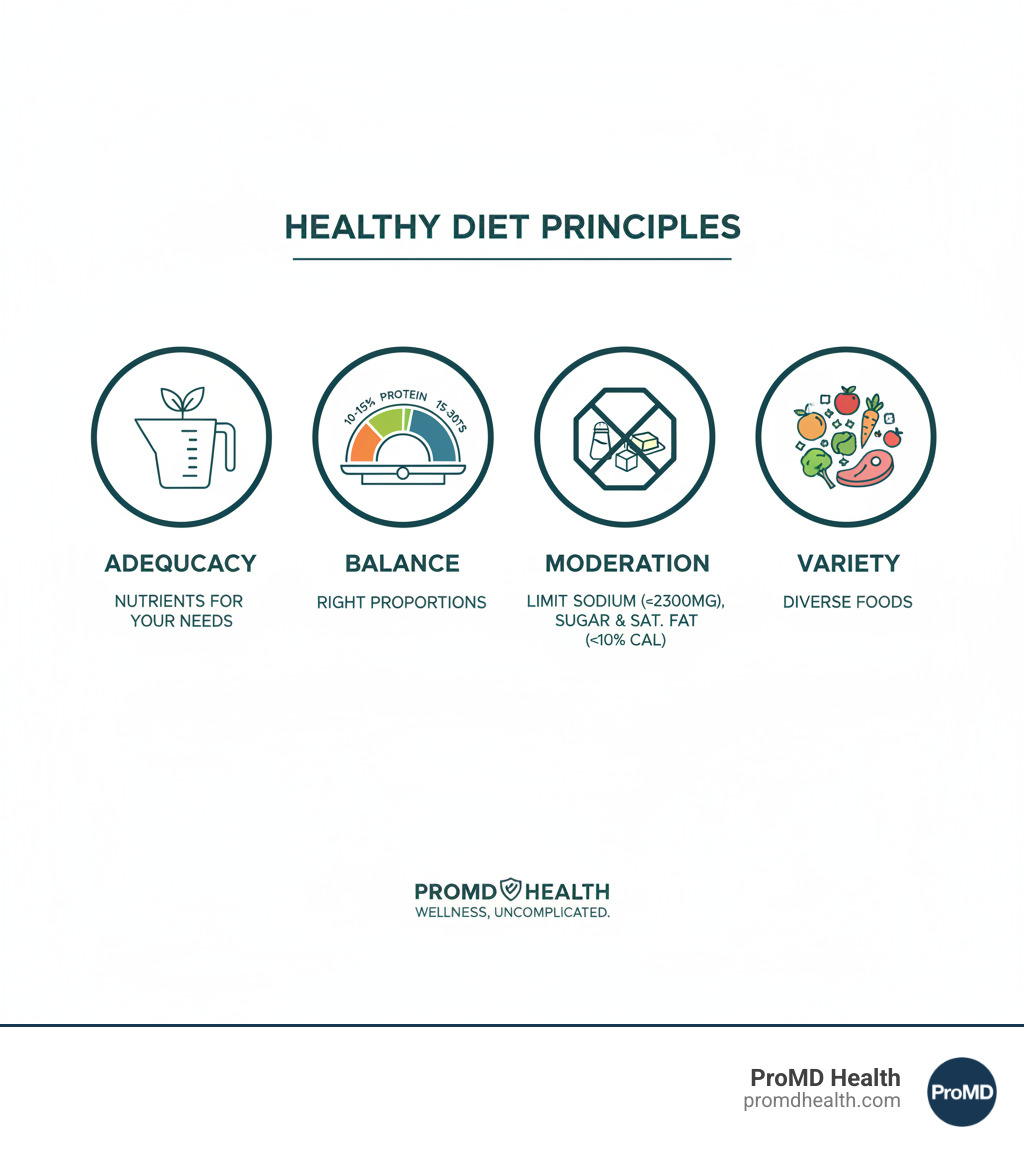
A healthy dietary plan is more than just a list of foods to eat or avoid—it’s a comprehensive approach to fueling your body with the nutrients it needs to thrive, prevent disease, and support your most vibrant self. At its core, a healthy dietary plan emphasizes:
- Variety: Eating a wide range of foods from all food groups
- Balance: Consuming the right proportions of protein, fats, and carbohydrates
- Moderation: Limiting saturated fats, added sugars, and sodium
- Adequacy: Meeting your nutrient needs without excess
According to research, people who follow healthy eating patterns live longer and face significantly lower risks of serious health problems like heart disease, type 2 diabetes, and obesity. For those already managing chronic conditions, a healthy dietary plan can help control symptoms and prevent complications. Beyond disease prevention, the right eating pattern supports healthy body weight, boosts energy levels, improves skin health, and helps you look and feel more youthful.
The good news? Healthy eating is flexible. There are many different ways to eat well, and you can choose an approach that fits your tastes, traditions, and budget. Whether you’re concerned about visible signs of aging, fluctuating energy levels, or simply want to optimize your overall well-being, the foundation starts with what you put on your plate.
I’m Scott Melamed, President and CEO of ProMD Health, where my background in biotechnology and clinical research has reinforced my commitment to evidence-based wellness approaches, including the critical role a healthy dietary plan plays in helping individuals achieve their aesthetic and longevity goals. Through my work at ProMD Health, I’ve seen how proper nutrition transforms not just health outcomes, but confidence and quality of life.
The Building Blocks of a Balanced Diet
Think of your body as a high-performance machine. Just like a car needs the right fuel and maintenance, your body needs the right nutrients to run smoothly, look its best, and feel energized. When we design a healthy dietary plan, we’re really talking about giving your body two essential categories of nutrients: macronutrients (the big players that provide energy and structure) and micronutrients (the tiny but mighty vitamins and minerals that keep everything running behind the scenes).
Understanding these building blocks isn’t just about meeting nutritional requirements—it’s about feeling vibrant, maintaining healthy skin, and supporting your body’s natural ability to fight off disease. And yes, it also means being mindful of the things we should limit, like saturated fats, added sugars, and sodium, which can sabotage our health goals when we consume too much.
Macronutrients: The Energy Providers
Macronutrients are the nutrients your body needs in large amounts every single day. They’re your body’s main energy source and the raw materials for growth and repair. Let’s break down the three types and how to choose the best versions of each.
Carbohydrates often get a bad rap, but they’re actually your body’s preferred fuel source. The secret is choosing the right kind. Whole grains like oats, brown rice, whole-wheat bread, and quinoa are packed with fiber that helps regulate your blood sugar, keeps your digestive system happy, and provides steady, sustained energy throughout your day. On the flip side, refined carbohydrates—think white bread, sugary cereals, and pastries—cause your blood sugar to spike and crash, leaving you hungry and tired. These refined carbs give you excess calories without much nutritional benefit, often with little or no fiber to show for it. For a balanced diet, aim for carbohydrates to make up about 45-75% of your total daily calories, choosing whole grains whenever possible.
Protein is your body’s construction crew. It builds and repairs tissues, creates enzymes and hormones, and keeps your immune system strong. A well-rounded healthy dietary plan includes protein from varied sources: seafood (rich in omega-3s), lean meats and poultry, eggs, legumes like beans and peas, soy products, nuts, and seeds. Picture your plate at mealtime—protein should fill about a quarter of it. Daily protein intake should represent 10-15% of your total calories, which supports everything from muscle maintenance to glowing skin.
Now let’s talk about fats—and no, they’re not the enemy. Your body needs fats for hormone production, absorbing vitamins, and keeping your brain sharp. But the type of fat makes all the difference. Unsaturated fats, found in avocados, nuts, seeds, olive oil, and canola oil, promote healthy cholesterol levels, support brain health, and combat inflammation throughout your body. These are the fats you want to accept. On the other hand, saturated fats (found in fatty meats, full-fat dairy, and tropical oils) should be limited, and trans fats should be avoided entirely. Too much saturated fat raises your LDL (bad) cholesterol, increasing the risk of plaque buildup in your arteries. Aim for fats to make up 15-30% of your daily calories, with the emphasis on those healthy unsaturated varieties.
For more information on how these vital nutrients contribute to your appearance, check out our guide on Vitamins Found in Food That Support Healthy Skin.
Micronutrients: The Unsung Heroes
While macronutrients provide the bulk of your energy, micronutrients are the tiny powerhouses working behind the scenes. These vitamins and minerals may be needed in smaller amounts, but they’re absolutely essential for everything from strong bones and energy production to a robust immune system and clear vision.
Fruits and vegetables are the undisputed champions of the micronutrient world. The more colorful and varied your produce choices, the broader your spectrum of vitamins, minerals, and beneficial plant compounds. Research consistently shows that people who eat at least five portions of fruit and vegetables daily have a lower risk of heart disease, stroke, and certain cancers. That’s why nutritional guidelines recommend making vegetables and fruits half of your plate at every meal. Aim for at least five portions throughout your day—it’s easier than it sounds when you think about a cup of berries with breakfast, a large salad at lunch, and steamed broccoli with dinner.
Here’s where things get really exciting for those of us focused on looking and feeling younger: many fruits and vegetables are loaded with antioxidants. These protective compounds shield your cells from damage caused by free radicals, which are unstable molecules that can accelerate aging and disease. Antioxidants help protect your heart and brain while reducing inflammation throughout your body. At ProMD Health, we see this connection daily—clients who eat antioxidant-rich diets often notice improvements in their skin’s appearance, improved energy levels, and an overall more youthful glow. It’s one of those beautiful examples where what’s good for your insides shows on your outside.
Recommended Daily Servings: A Practical Guide
Knowing what nutrients you need is one thing, but translating that into actual meals is where many people get stuck. The good news? The Dietary Guidelines for Americans 2020–2025 have done the math for you. For an average 2,000-calorie diet, here’s what a day of balanced eating looks like:
Start with 2 cups of fruit—picture a small apple and a cup of berries. Add 2½ cups of vegetables in a variety of colors—maybe a large salad at lunch and steamed vegetables at dinner. Include 6 ounces of grains, with at least half being whole grains. That could be three slices of whole-wheat bread throughout the day and a cup of oatmeal for breakfast. For protein, aim for 5½ ounces from varied sources—think a deck of cards-sized piece of chicken or a generous cup of beans. Don’t forget 3 cups of fat-free or low-fat dairy (or fortified soy alternatives), which could be your morning yogurt, a glass of milk, and some cheese on your sandwich. Round it out with 5 teaspoons of healthy oils like olive oil for cooking or salad dressing.
Just as important as what to eat is what to limit. Keep saturated fats under 10% of your daily calories—that means choosing lean meats and low-fat dairy most of the time. Added sugars should also stay under 10% of your calories, so save those treats for special occasions. And watch your sodium intake, keeping it under 2,300 mg a day for adults and children 14 and up. That’s about a teaspoon of salt, and it adds up faster than you’d think with processed foods.
These aren’t arbitrary numbers—they’re evidence-based guidelines designed to help you prevent chronic disease, maintain a healthy weight, and feel your absolute best. For a deeper dive into these comprehensive recommendations, you can explore the official Dietary Guidelines for Americans 2020–2025.
Popular Models for a Healthy Dietary Plan
While the core principles of a healthy dietary plan remain consistent—balance, variety, moderation, and adequacy—you might be wondering how to put these ideas into practice. The good news is that several well-researched frameworks can guide you. These models aren’t one-size-fits-all prescriptions, but rather flexible approaches you can adapt to your personal tastes, cultural traditions, and health goals.
Think of these dietary plans as different routes to the same destination: better health, more energy, and a more vibrant you. Whether you prefer visual guides, Mediterranean flavors, or a heart-focused approach, there’s a framework that can work for you.
| Diet Plan | Key Focus | Foods Emphasized | Primary Health Benefit |
|---|---|---|---|
| MyPlate Method | Visual simplicity and portion control | Fruits, vegetables, whole grains, lean protein, dairy | Easy-to-follow balanced nutrition |
| Mediterranean Diet | Plant-based lifestyle eating | Olive oil, fish, vegetables, whole grains, legumes | Heart health and longevity |
| DASH Diet | Blood pressure management | Fruits, vegetables, whole grains, low-fat dairy, lean protein | Cardiovascular health |
The MyPlate Method: Visual and Simple
If you’re someone who appreciates straightforward, visual guidance, the MyPlate Method from the USDA might be your perfect starting point for a healthy dietary plan. This approach replaces the old food pyramid with something much more intuitive: a dinner plate.
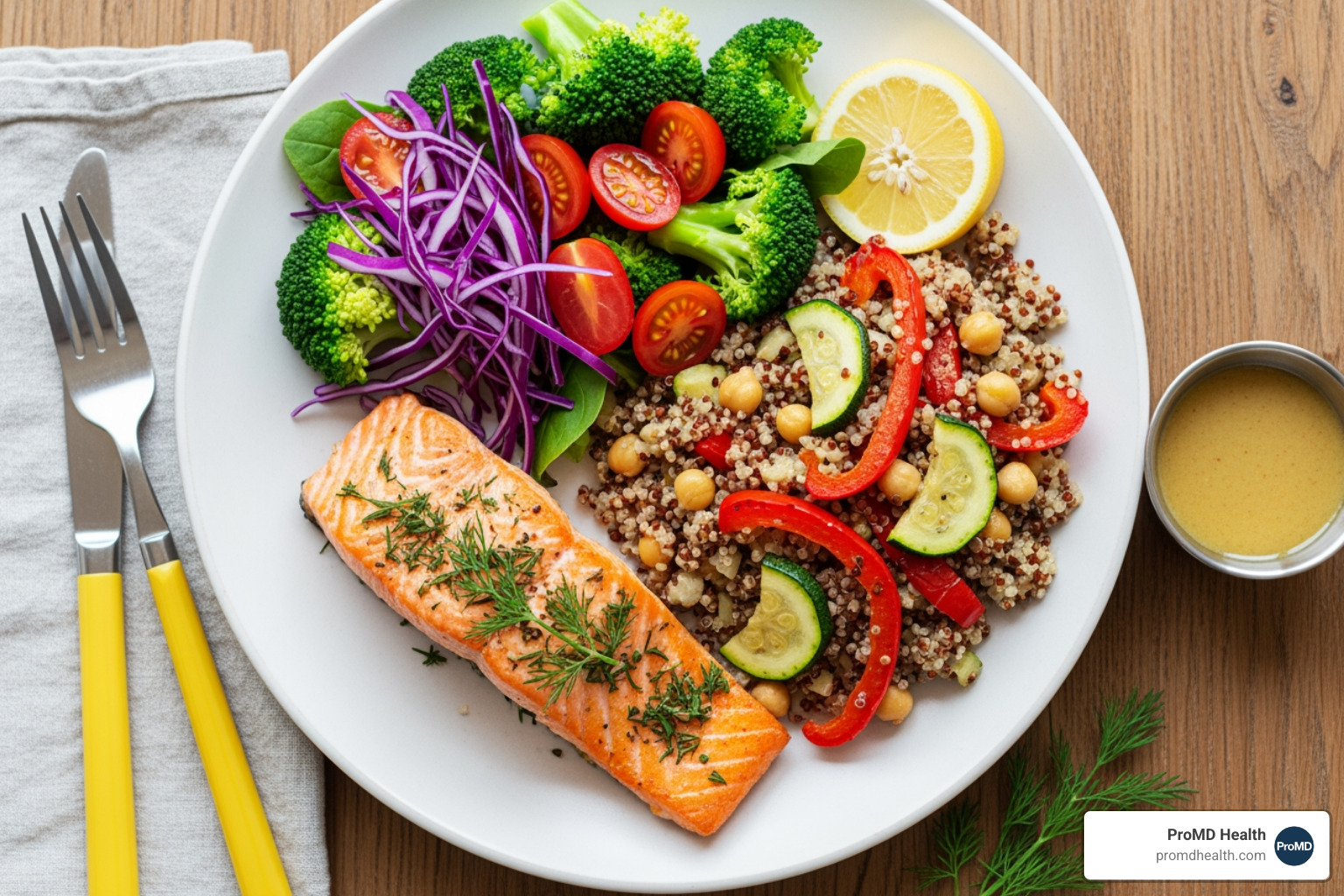
Here’s how it works: imagine dividing your plate into sections. Half your plate should be filled with colorful fruits and vegetables—the more variety, the better. One quarter should contain lean protein sources like chicken, fish, beans, or tofu. The remaining quarter is for whole grains like brown rice, quinoa, or whole-wheat pasta. On the side, add a serving of dairy or a fortified alternative like soy milk.
What makes MyPlate so effective is its simplicity. You don’t need to count calories or measure portions obsessively. Instead, you’re using visual cues that make sense at every meal. It’s a framework that works whether you’re eating at home, packing lunch, or even dining out. For detailed guidance and resources, visit MyPlate.gov | U.S. Department of Agriculture.
The Mediterranean Diet: A Lifestyle Approach
The Mediterranean Diet isn’t just a meal plan—it’s a celebration of how people have eaten for centuries in countries bordering the Mediterranean Sea. This approach has gained worldwide recognition not because it’s trendy, but because research consistently shows it works for both longevity and disease prevention.
At its heart, this diet emphasizes plant-based foods: vegetables, fruits, whole grains, legumes, nuts, and seeds form the foundation. Extra virgin olive oil replaces butter and other saturated fats, providing healthy monounsaturated fats that support cardiovascular health. Fish and seafood rich in omega-3 fatty acids appear several times a week, while poultry, eggs, and dairy products are enjoyed in moderation. Red meat is limited to occasional meals.
What makes the Mediterranean approach particularly appealing is how delicious and satisfying it is. You’re not giving up flavor or feeling deprived. Instead, you’re enjoying meals seasoned with herbs and spices, sharing food with others, and savoring the experience. Studies show this eating pattern supports heart health, brain function, and may even help you live longer. For those of us focused on looking and feeling younger, the anti-inflammatory benefits and antioxidant-rich foods align perfectly with anti-aging goals.
The DASH Diet: Targeting Heart Health
Originally developed as a Dietary Approaches to Stop Hypertension, the DASH Diet has proven itself as one of the most effective eating patterns for cardiovascular health. If you’re concerned about blood pressure, heart disease, or simply want to protect your long-term health, this approach deserves your attention.
The DASH Diet focuses on reducing sodium intake while increasing foods rich in potassium, calcium, and magnesium—minerals that help regulate blood pressure naturally. You’ll emphasize fruits, vegetables, whole grains, and lean protein sources while limiting sodium to less than 2,300 mg daily (and ideally closer to 1,500 mg if you have hypertension).
What’s practical about DASH is that it doesn’t eliminate entire food groups or require exotic ingredients. Instead, it teaches you to choose lower-sodium versions of everyday foods, season with herbs instead of salt, and build meals around nutrient-dense whole foods. Many people find that once they adjust to less salt, they actually taste and enjoy their food more. For inspiration and practical meal ideas, explore DASH-Friendly Recipes.
The beauty of these three models is their flexibility. You might find that elements from each resonate with you, and that’s perfectly fine. A healthy dietary plan should fit your life, not the other way around.