
Permanent weight loss solutions: Unlock 2025
Why Permanent Weight Loss Requires More Than Willpower
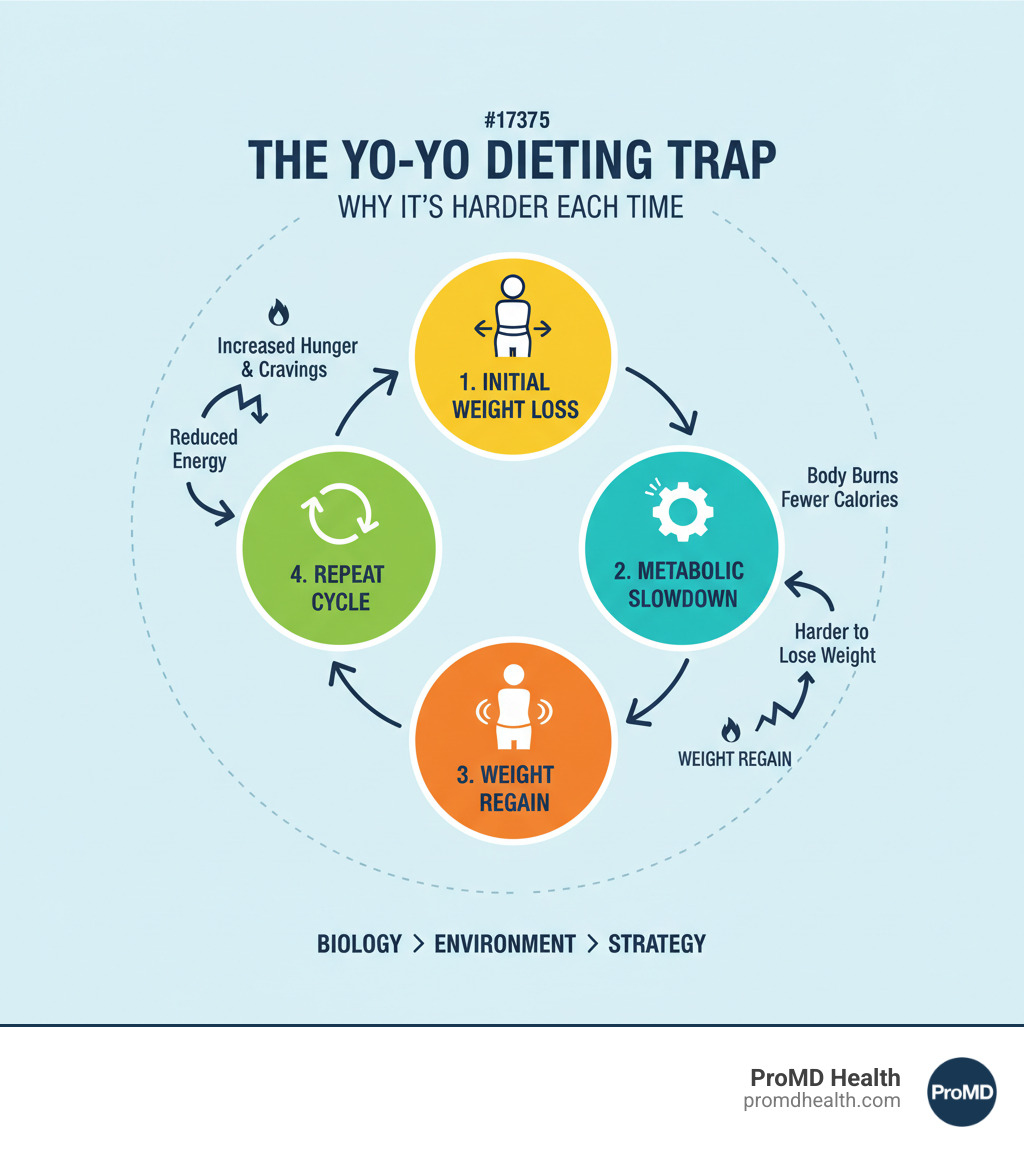
Permanent weight loss solutions combine sustainable lifestyle changes, behavioral modifications, and medical interventions to help you achieve lasting results. The truth is sobering: most people who lose a large amount of weight regain it within 2 to 3 years. This isn’t a failure of willpower—it’s a complex challenge involving biology, environment, and strategy.
Weight regain occurs because our bodies fight back. When you lose weight, your metabolism slows, making it harder to keep pounds off. Genetics, hormones, stress, and modern food environments add to the difficulty, demanding more than fad diets.
The Most Effective Permanent Weight Loss Solutions:
- Lifestyle Foundation: Whole-food nutrition, regular physical activity (150+ minutes/week), and behavioral change.
- Medical Support: FDA-approved medications, endoscopic procedures, or bariatric surgery.
- Long-Term Maintenance: Consistent self-monitoring, support systems, and burning 2,000+ calories through weekly activity.
Permanent weight loss means making lasting changes to how you eat, move, and think. It requires understanding that diet and exercise alone may not be enough for everyone, and medical interventions can be necessary tools.
As Scott Melamed, CEO of ProMD Health with a background in biotechnology and clinical research from Johns Hopkins, I’ve seen how personalized, science-based approaches transform lives by addressing both the biological and behavioral aspects of weight management. Our mission at ProMD Health is to help patients achieve sustainable wellness through comprehensive, evidence-based care.
The Foundation: Sustainable Lifestyle and Behavioral Changes

Permanent weight loss solutions begin with your daily habits. The food you choose, how you move, and your mindset about eating are the non-negotiable foundations for success. Without a solid foundation of sustainable lifestyle changes, even the most advanced medical treatments will eventually fail.
When you fuel your body with nutritious foods, move regularly, and develop healthy habits, you’re not just losing weight—you’re reshaping your metabolism, hunger signals, and relationship with food. At ProMD Health, we emphasize a comprehensive approach to wellness that addresses every aspect of your life. More info about our approach to wellness.
The Power of Nutrition for Lasting Results
Sustainable nutrition nourishes your body and keeps you satisfied.
- Prioritize Whole Foods: Basing meals on single-ingredient foods—vegetables, fruits, lean meats, fish, eggs, nuts—automatically eliminates most added sugar, unhealthy fats, and processed junk. They are also naturally filling, reducing the likelihood of overeating.
- Focus on Protein: A high-protein diet boosts metabolism and keeps you feeling full longer, naturally reducing appetite. A protein-rich breakfast can help you eat less throughout the day.
- Incorporate Fiber: Fiber slows digestion and triggers satiety hormones. It also feeds beneficial gut bacteria linked to a lower risk of obesity. Studies on fruit and vegetable intake and weight loss consistently support this.
- Limit Processed Foods and Added Sugar: Processed items are often engineered to be irresistible, triggering addictive-like eating. Reducing them cuts empty calories and unhealthy fats. Likewise, cutting back on hidden added sugars is one of the most powerful steps you can take.
- Stay Hydrated: Drinking water, especially before meals, can help you eat less and avoid liquid calories from sugary beverages.
Behavioral Health: Changing Your Mindset for Success
Your mind matters as much as your meals. The psychological side of eating is a core component of permanent weight loss solutions.
- Practice Mindful Eating: Pay attention to hunger and fullness cues and eat without distractions. Research on mindful eating and weight shows it can reduce binge eating and emotional eating.
- Address Food Addiction: Nearly 20% of people struggle with food addiction. If this is a challenge, professional help is a necessary step.
- Manage Stress: Learn healthy coping mechanisms like meditation or exercise to handle difficult emotions without turning to food.
- Set Realistic Goals: Aim for a gradual loss of 1 to 2 pounds per week. Losing just 5% of your body weight can significantly improve your health.
- Build a Support System: Having family, friends, or a professional program to encourage you dramatically increases your chances of success.
- Use Self-Monitoring: Keeping a food diary or tracking activity increases awareness and helps you adjust before small slips become big setbacks.
The Essential Role of Physical Activity
While diet drives weight loss, physical activity is essential for keeping it off.
- Cardiovascular Exercise: Activities like brisk walking, jogging, or swimming burn calories and reduce dangerous visceral fat around your organs, improving metabolic health.
- Resistance Training: Lifting weights or doing bodyweight exercises prevents the loss of muscle that often accompanies weight loss. This keeps your metabolism from slowing down.
- Be Consistent: Aim for at least 150 minutes of moderate-intensity activity per week. Spreading this out is key. More on the benefits of physical activity.
- Increase Daily Movement: Small choices like taking the stairs or parking further away accumulate into significant calorie burn and better health.
Medical and Non-Surgical Permanent Weight Loss Solutions

Sometimes, despite consistent efforts with diet and exercise, our bodies need additional support due to biology. Genetics, hormones, and certain medical conditions can create significant barriers to weight loss. This is where medical and non-surgical interventions become valuable tools in achieving permanent weight loss solutions.
If you have a BMI of 30 or higher, or a lower BMI with obesity-related health conditions like diabetes, you may be a candidate. These treatments offer structured approaches that work with your body’s challenges. Understanding the benefits and risks is key to finding the right fit for your health goals. More info about Longevity & Functional Medicine.
Prescription Weight-Loss Medications
Modern medications can be powerful allies when combined with lifestyle changes. They work by suppressing appetite, blocking fat absorption, or regulating blood sugar and digestion. FDA-approved options include tablets like phentermine/topiramate (Qsymia) and bupropion/naltrexone (Contrave), as well as newer, highly effective injectable medications like semaglutide (Wegovy) and tirzepatide (Zepbound).
Patients on these medications typically lose about 10 percent of their body weight, with newer injectables showing average losses up to 21 percent. Potential side effects like nausea or constipation can occur, so working with a provider is crucial. These medications often influence hormones that regulate metabolism, highlighting the importance of hormonal balance in weight management. More info about Hormone Imbalance.
Emerging Endoscopic Procedures
For those seeking a middle ground between medication and surgery, endoscopic procedures are a minimally invasive option.
-
The gastric balloon is a temporary device placed in the stomach and filled with saline. It takes up space, helping you feel full sooner and practice portion control. It is typically removed after six months, a period designed to establish new, healthy habits. Patients have lost an average of 25% to 29% of their body weight at 12 months. Clinical trial results for gastric balloon show its potential.
-
Endoscopic sleeve gastroplasty (ESG) is a more permanent procedure where a doctor uses an endoscope to place sutures in the stomach, reducing its size by about 70%. This restricts how much you can eat. Studies show patients lost approximately 20 percent of their total body weight in the first year.
These procedures are suitable for individuals with a BMI between 30 and 40 and generally achieve weight loss between 20 and 29 percent.
Finding the Right Permanent Weight Loss Solutions for You
Your path to permanent weight loss is unique. Medically supervised programs bring together a team of physicians, dietitians, and specialists to create a custom plan. These programs may include physician-supervised meal replacement plans to simplify initial food choices or nutrition counseling to translate science into practical, sustainable habits.
At ProMD Health, we don’t use cookie-cutter solutions. Our team works with you to explore all available treatments, assessing your health history, lifestyle, and goals to create a plan that is both effective and sustainable. Your goals are our goals, and we’re here to help you steer your choices with confidence.
Surgical Interventions: When Are They the Right Choice?
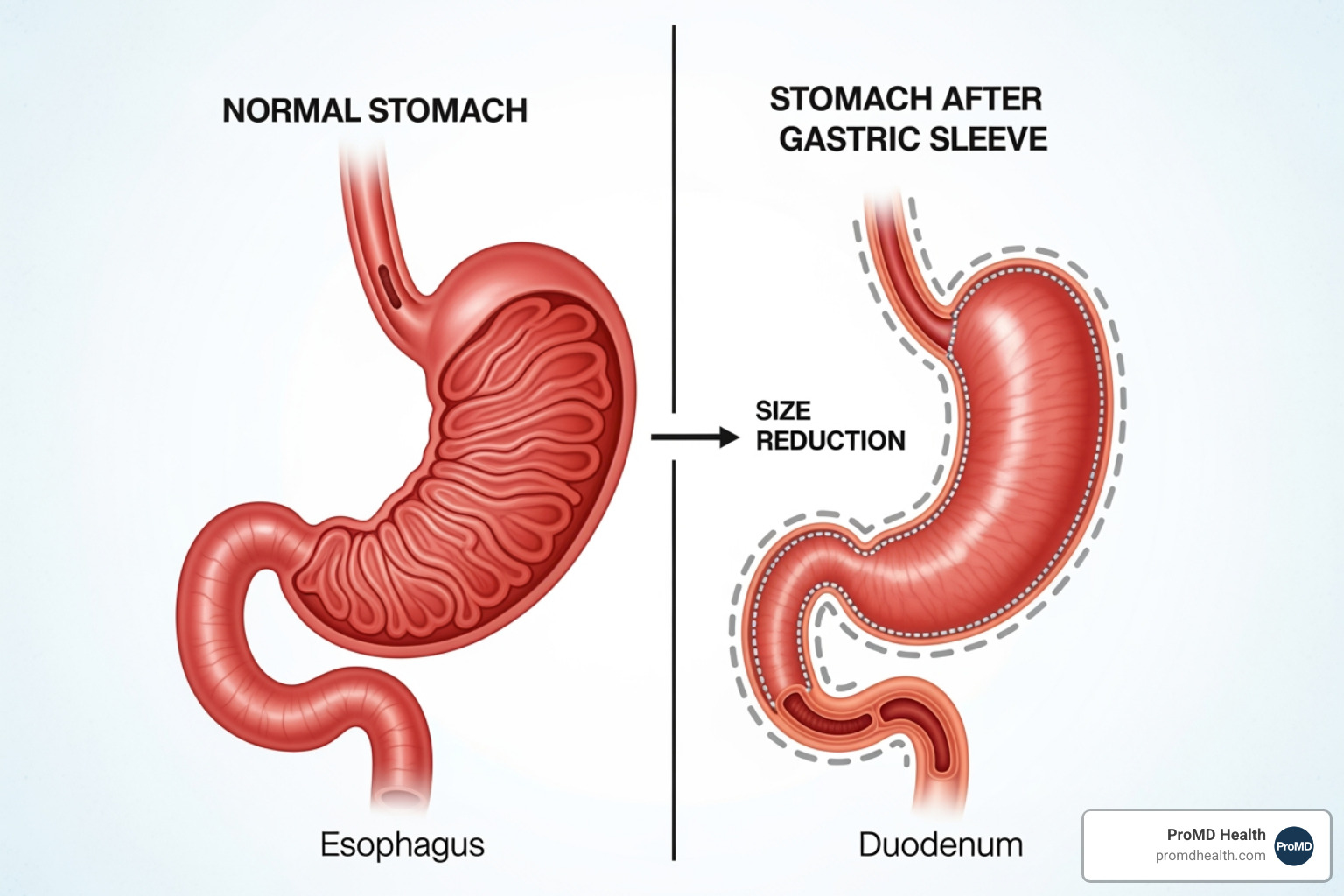
For some, bariatric surgery (or metabolic surgery) is the most effective permanent weight loss solution, especially when facing significant obesity. A doctor may recommend surgery if your BMI is 35 or higher, or 30 or higher with serious health issues like type 2 diabetes, high blood pressure, or sleep apnea.
The results are often life-changing. Most patients lose about 72 percent of their excess weight within the first year. More importantly, these procedures can resolve or dramatically improve related health conditions, improving quality of life far beyond the number on the scale.
Types of Bariatric Surgery
Two procedures are considered the gold standard:
-
Roux-en-Y gastric bypass: A surgeon creates a small stomach pouch and connects it directly to the middle of the small intestine. This restricts food intake and reduces calorie absorption. More on Gastric bypass surgery.
-
Gastric sleeve surgery (sleeve gastrectomy): A surgeon removes about 80% of the stomach, leaving a narrow “sleeve.” This smaller stomach limits food intake and also reduces hunger-regulating hormones, so you feel less hungry.
Your bariatric team will help determine which option is best for your health goals.
Risks, Complications, and Life After Surgery
Bariatric surgery is a major procedure with important considerations. Short-term side effects can include nausea and discomfort. Some people may later develop “dumping syndrome” (cramping and diarrhea after eating high-fat or sugary foods).
Nutritional deficiencies are a lifelong concern. Because surgery alters your digestive system, you will need to take vitamin and mineral supplements (like B12, iron, and calcium) for the rest of your life to avoid serious health problems.
Crucially, surgery is a tool, not a magic cure. Lasting success requires a lifelong commitment to changing your eating and exercise habits. Patients who don’t make these changes may lose less weight or regain it over time.
Regular follow-up appointments are essential to monitor for complications and nutritional deficiencies. While there are risks, for many people facing life-threatening obesity-related conditions, the benefits of surgery far outweigh them. At ProMD Health, we believe in helping you make informed decisions about your health.
The Journey to Maintenance: Strategies for Long-Term Success
Achieving weight loss is one thing; keeping it off is the real challenge. When we lose weight, our metabolism can slow down and appetite-regulating hormones can shift, making us feel hungrier. This metabolic adaptation is a primary reason for weight regain, often called “yo-yo dieting.”
The key to breaking this cycle is a structured, persistent maintenance plan. Research on long-term weight maintenance shows that keeping weight off requires ongoing, intentional effort. It’s about having systems in place to steer plateaus and stay on track.
Building a Permanent Weight Loss Maintenance Plan
Maintenance is a new chapter requiring its own strategies.
-
Physical activity is the cornerstone. Regular exercise is the single best predictor of long-term success. This means burning 1,500 to 2,000 calories per week through exercise, which for most adults is at least 40 minutes of moderate to vigorous activity 3 to 4 times per week. Exercise helps maintain a healthy metabolism.
-
Adjust your calorie intake. After reaching your goal, you might gradually add about 200 calories of healthy food back into your daily routine. This requires patience and monitoring to find the right balance that maintains your weight without triggering regain.
-
Continue self-monitoring. Regularly weighing yourself and tracking your food intake helps you catch small weight gains before they become bigger problems. This awareness allows for quick adjustments.
-
Lean on your support system. Ongoing support from counseling, groups, or family and friends is crucial for staying accountable and motivated for the long haul.
Advanced Strategies for Sustained Results
Beyond the fundamentals, other strategies can support your maintenance efforts.
-
Body contouring after significant weight loss can address excess skin or stubborn fat pockets that diet and exercise can’t fix. While not weight loss methods, treatments like CoolSculpting Elite, Emsculpt Neo, and Kybella can improve body shape and boost confidence, which is a powerful motivator. These are best used as finishing touches to refine your results.
-
Hormonal changes, especially during menopause, can make weight maintenance significantly harder by affecting metabolism and appetite. Addressing these shifts through medical interventions can be a game-changer for achieving truly permanent weight loss solutions. We offer services like Menopause Management and Vital Cell Volume Restoration to support overall hormonal health, recognizing that successful maintenance is about supporting the entire body system.
Frequently Asked Questions about Permanent Weight Loss
How much weight is safe to lose per week for lasting results?
Safe and sustainable weight loss occurs at a rate of 1 to 2 pounds per week. While faster loss is tempting, this gradual approach is what creates permanent weight loss solutions. Losing weight too quickly can slow your metabolism and cause muscle loss, setting you up for rebound weight gain. A steady pace allows your body to adapt and helps you build habits you can maintain. Focus on the long-term trend, not daily fluctuations.
Can I achieve permanent weight loss with diet and exercise alone?
Yes, many people can achieve permanent weight loss through lifestyle changes alone, as they form the essential foundation for any successful plan. However, for a significant number of people, factors like genetics, hormones, and medical conditions create barriers that make it incredibly difficult. In these cases, medical solutions like prescription medications or endoscopic procedures are not shortcuts but legitimate tools to provide necessary support. These interventions work best when combined with a strong foundation of healthy eating and regular physical activity, not as a replacement for them.
What is the single most important factor for keeping weight off?
Research consistently points to consistent physical activity as the most important factor for maintaining weight loss. While diet is crucial for losing weight, exercise is the key predictor of long-term success. People who successfully keep weight off typically burn 1,500 to 2,000 calories per week through activity, which translates to about 40 minutes of moderate exercise 3 to 4 times per week. This isn’t a temporary fix; it’s about integrating movement you enjoy into your lifestyle permanently. When physical activity becomes a non-negotiable part of your routine, you set yourself up for lasting success.
Conclusion
The path to permanent weight loss solutions is not about a quick fix but about a holistic approach that honors the complexity of your body. Lasting change happens when we address the whole picture: genetics, hormones, and daily habits.
The foundation is always a sustainable lifestyle: thoughtful nutrition, mindful eating, and consistent physical activity. These are the bedrock of success. For many, however, this foundation must be paired with medical support. FDA-approved medications, endoscopic procedures, and bariatric surgery are not signs of weakness but powerful tools that can overcome biological barriers and make lasting results achievable.
Maintenance is where the real work begins, requiring an ongoing commitment to activity, self-monitoring, and a strong support system. It’s a new way of living, not a destination.
At ProMD Health, we understand that your journey is unique. Our team combines expertise in Longevity & Functional Medicine, hormone balance, and personalized wellness to create a plan that fits your life. We walk alongside you, whether you’re just starting or ready to consider medical interventions.
Taking the first step is often the hardest, but you don’t have to do it alone. Explore our comprehensive Weight Management services and find how personalized, science-backed care can help you achieve the lasting results you deserve.


