
Your Path to Fuller Hair Starts Here
Hair restoration options have come a long way from the days of obvious plugs and questionable snake oil remedies. If you’re reading this, you’re likely among the majority of adults who will experience some degree of hair loss—by age 35, nearly two-thirds of men show noticeable thinning, and women make up nearly half of all hair loss sufferers in the United States.
Here’s what you need to know about your hair restoration options:
- Non-Surgical Treatments – Medications (Minoxidil, Finasteride), Platelet-Rich Plasma (PRP) therapy, Low-Level Laser Therapy (LLLT), and targeted supplements
- Surgical Procedures – Follicular Unit Transplantation (FUT) and Follicular Unit Extraction (FUE)
- Timeline – Most treatments require 3-6 months before you see initial results
- Candidacy – Success depends on your hair loss pattern, donor hair availability, and realistic expectations
- Combination Approach – Many patients achieve the best results by combining surgical and non-surgical treatments
The good news? Modern hair restoration technology offers real hope, whether you’re in the early stages of thinning or dealing with more advanced hair loss. The key is understanding which approach fits your specific situation, budget, and goals.
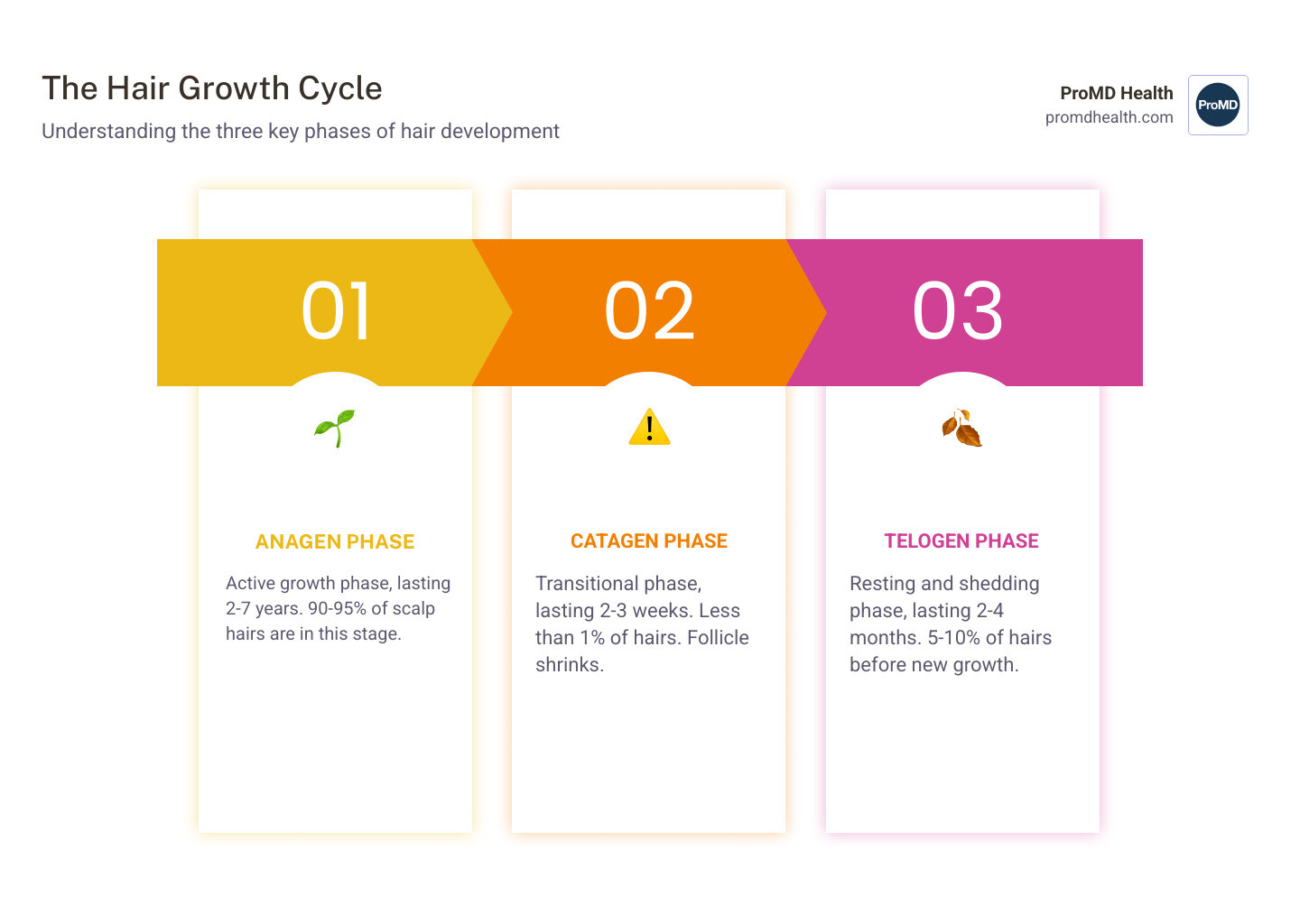
Why does hair loss happen? In 95% of cases, it comes down to genetics—specifically, how your hair follicles react to dihydrotestosterone (DHT), a hormone that causes follicles to shrink over time. The remaining 5% can result from stress, diet, illness, or medications. Understanding your cause is the first step toward effective treatment.
I’m Scott Melamed, President and CEO of ProMD Health, where I’ve helped thousands of patients steer their hair restoration options through evidence-based treatments and personalized care plans. My background in biotechnology and healthcare leadership has given me a deep appreciation for combining cutting-edge science with compassionate patient care.
Understanding the Root Causes of Hair Loss
Hair loss, or alopecia, is a widespread concern, but its origins are often complex. To effectively explore hair restoration options, we first need to understand what’s causing the hair to thin or disappear.
The primary culprit in the vast majority of cases is genetics. Heredity accounts for about 95% of all hair loss, manifesting as androgenetic alopecia, commonly known as male or female pattern baldness. This condition is driven by dihydrotestosterone (DHT), a hormone that causes hair follicles to miniaturize over time. For men, this often means a receding hairline and thinning at the crown, while women typically experience diffuse thinning across the scalp. The hair follicles in areas like the back and sides of the head are genetically resistant to DHT, which is why they are often used as donor sites in hair transplantation.
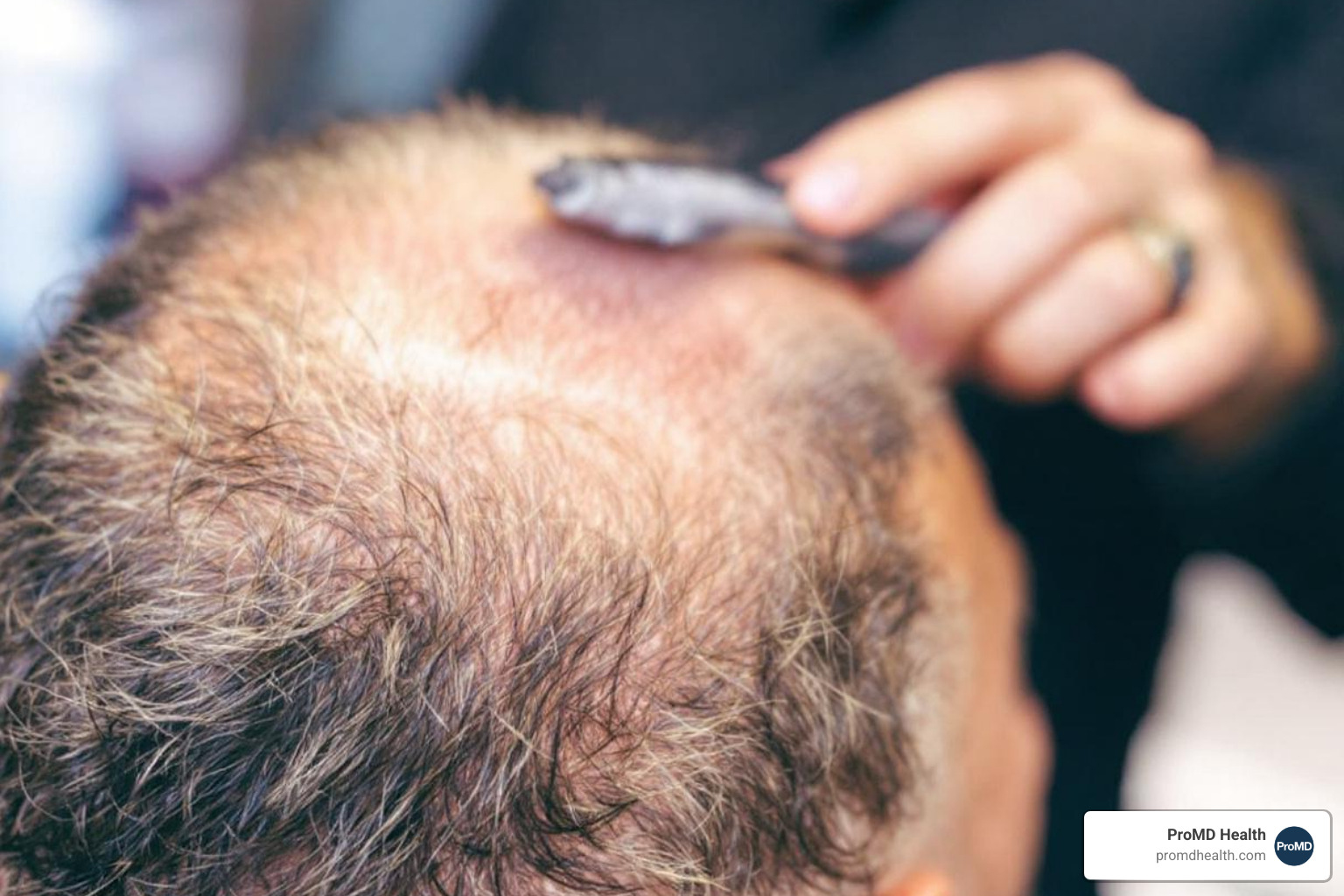
Beyond genetics, several secondary factors can contribute to hair loss:
- Stress: Significant physical or emotional stress can push a large number of hair follicles into a resting phase, leading to noticeable shedding months later.
- Diet: Nutritional deficiencies, especially in iron, zinc, or protein, can impact hair health. Conversely, excessive Vitamin A intake can also trigger hair loss.
- Illness: Conditions like thyroid disease, severe infections, or autoimmune disorders can cause temporary or permanent hair loss.
- Medications: Certain drugs, including those for blood pressure, heart conditions, depression, gout, and chemotherapy, can have hair loss as a side effect.
At ProMD Health, we emphasize a thorough diagnostic process to pinpoint the exact cause of your hair loss. This typically involves:
- Physical Exam: A detailed examination of your scalp and hair.
- Medical and Family History: Discussing your health background, hair care routine, and family history of hair loss.
- Blood Tests: These can help uncover underlying medical conditions or nutritional deficiencies contributing to hair loss.
- Pull Test or Scalp Biopsy: In some cases, a doctor might gently pull on a section of hair to see how many come out, or take a small sample of scalp tissue for microscopic examination.
Understanding the unique factors at play for you is crucial for us to recommend the most effective hair restoration options. For more in-depth information on diagnosis, you can Explore Mayo Clinic studies on hair loss diagnosis.
Non-Surgical Hair Restoration Options
For many, non-surgical approaches are the first line of defense against hair loss. These treatments aim to prevent further hair loss, stimulate new growth, and improve the overall health and density of existing hair without incisions or significant downtime. These methods are particularly effective for individuals in the early to moderate stages of hair thinning. At ProMD Health, we offer a range of advanced non-surgical hair restoration options to help you achieve a fuller, healthier head of hair. Learn more about Safe & Effective Hair Restoration Washington DC.
Platelet-Rich Plasma (PRP) Therapy
Platelet-Rich Plasma (PRP) therapy is a cutting-edge non-surgical treatment that harnesses your body’s own healing capabilities to stimulate hair growth. It involves drawing a small amount of your blood, processing it to concentrate the platelets, and then injecting this platelet-rich plasma into your scalp.
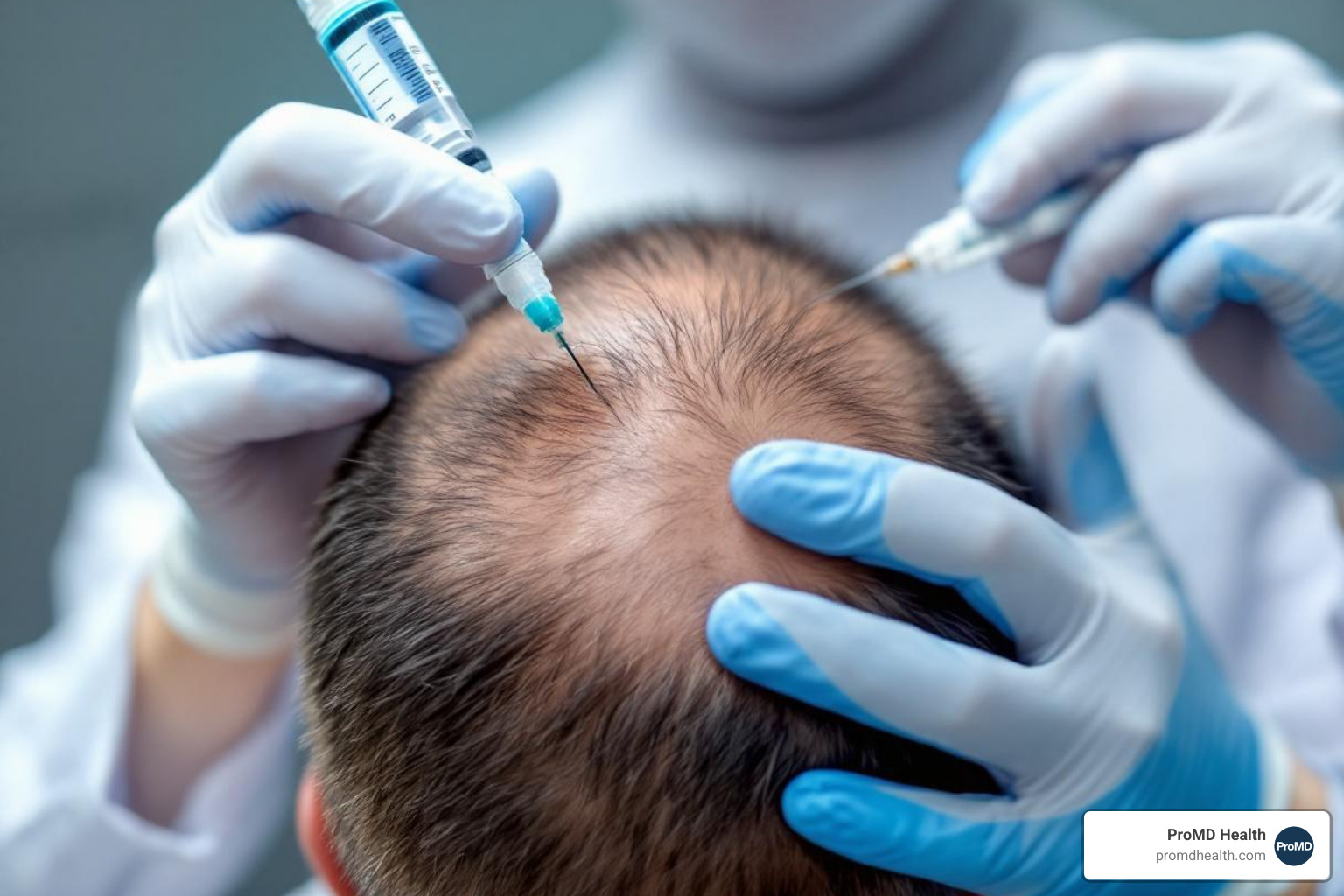
How it works: Platelets are rich in growth factors—proteins that play a crucial role in cell regeneration and tissue repair. When injected into the scalp, these growth factors stimulate dormant hair follicles, increase blood supply to the scalp, and promote thicker, healthier hair growth. The entire process is relatively quick, typically taking about an hour, and has minimal downtime. Patients can usually resume normal activities immediately. While results can vary, many patients begin to see improvements in hair density and thickness within 3-6 months, with full results often visible after 6-12 months. Maintenance treatments are often recommended to sustain the benefits. At ProMD Health, we specialize in advanced PRP treatments for hair. Find out more about PRP Treatment for Hair.
FDA-Approved Medications
Two medications have received FDA approval for treating pattern baldness: Minoxidil and Finasteride. These are often foundational components of a non-surgical hair restoration plan.
- Minoxidil (Rogaine): This medication is a vasodilator, meaning it widens blood vessels. While the exact mechanism for hair growth isn’t fully understood, it’s believed to increase blood flow to hair follicles, extending the anagen (growth) phase of the hair cycle and stimulating dormant follicles. Minoxidil is available over-the-counter in topical liquid or foam forms (5% strength is common) and can be used by both men and women. Oral Minoxidil is also gaining popularity and may be more effective than topical applications for some individuals. Possible side effects include scalp irritation, dryness, or unwanted hair growth on adjacent skin if not applied carefully. Only about 10-14% of people experience noticeable hair growth, but it’s very effective at slowing hair loss.
- Finasteride (Propecia): This is a prescription oral medication primarily for men. Finasteride works by blocking the conversion of testosterone to DHT, the hormone largely responsible for male pattern baldness. By reducing DHT levels in the scalp, it can effectively halt hair loss and even promote regrowth in some areas, particularly the crown and mid-scalp. Rare side effects of finasteride include diminished sex drive and sexual function, and an increased risk of prostate cancer, though studies indicate these side effects are exceedingly rare, affecting less than two percent of men. It is not approved for use in women, particularly those who are pregnant or may become pregnant.
For more detailed information on these and other medical treatments, refer to More info about hair loss treatments.
Low-Level Laser Therapy (LLLT)
Low-Level Laser Therapy (LLLT) uses specific wavelengths of light to stimulate hair follicles. This non-invasive treatment is thought to work by enhancing cellular metabolism and improving blood circulation in the scalp, revitalizing follicles and promoting hair growth.
LLLT devices are available in various forms, including caps, combs, and headbands, designed for at-home use. While the Food and Drug Administration has approved low-level laser devices for hereditary hair loss treatment in both men and women, it’s generally most effective for individuals in the early stages of hair loss or as a complementary therapy alongside other treatments. Results are typically gradual, appearing over several months of consistent use.
Supplements and Lifestyle
While professional treatments form the backbone of effective hair restoration, certain supplements and lifestyle adjustments can play a supportive role.
- Nutritional Support: Ensuring adequate intake of key nutrients like biotin, zinc, iron, and protein is vital for healthy hair. However, it’s important to manage expectations; while these can support existing hair health, clinical studies have not shown that dietary supplements can restore lost hair.
- Professional-Grade Supplements: Products like Nutrafol, which contain a blend of vitamins, minerals, and botanicals, are designed to target multiple causes of hair thinning, including stress, inflammation, and hormonal imbalances. We often recommend these as a complement to other treatments. For more on this, visit Hair Restoration Washington DC – Nutrafol.
- Lifestyle: Reducing stress, maintaining a balanced diet, and avoiding harsh hair treatments can also contribute to overall hair health.
These non-surgical hair restoration options are excellent for those seeking to address hair loss without invasive procedures, offering a chance to halt progression and encourage regrowth with consistent effort.
A Guide to Surgical Hair Transplantation
When non-surgical methods aren’t enough, or for individuals with more advanced hair loss, surgical hair transplantation offers a more permanent solution. The fundamental principle behind hair transplantation is simple: relocate healthy, DHT-resistant hair follicles from a dense “donor” area (typically the back or sides of the head) to thinning or bald “recipient” areas. This makes the most of the hair you have left. Modern techniques ensure natural-looking results that are a far cry from the “pluggy” look of the past. You can explore more about Hair Transplantation and Restoration.
Follicular Unit Transplantation (FUT) or “Strip” Method
Follicular Unit Transplantation (FUT), often referred to as the “strip” method, is one of the foundational surgical hair restoration options.
Procedure explained: This technique involves surgically removing a thin strip of hair-bearing skin, usually from the back of the scalp. This donor strip is then carefully dissected under a microscope into individual follicular units (naturally occurring groups of 1-4 hairs). Meanwhile, tiny incisions are made in the balding areas of the scalp, and the prepared follicular units are carefully implanted into these recipient sites. The donor area where the strip was removed is then stitched closed.
Advantages:
- High Graft Yield: FUT allows for the transplantation of a large number of grafts in a single session, making it suitable for extensive hair loss.
- Better Graft Survival: Because the follicular units are dissected from a single strip, they are often less traumatized, potentially leading to higher graft survival rates.
Disadvantages:
- Linear Scar: The most significant drawback is the linear scar left at the donor site. While skilled surgeons minimize its visibility, it can be noticeable if hair is worn very short.
- Longer Recovery: The recovery time for the donor area can be slightly longer and more uncomfortable due to the incision.
Follicular Unit Extraction (FUE)
Follicular Unit Extraction (FUE) has become increasingly popular due to its less invasive nature and lack of a linear scar, offering another excellent choice among hair restoration options.
Procedure explained: Instead of removing a strip of skin, FUE involves individually extracting follicular units directly from the donor area using a specialized micro-punch tool. These individual units are then implanted into the recipient sites, similar to FUT. This method can be performed manually or with robotic assistance (e.g., NeoGraft), which helps automate the extraction process, reducing procedure time and improving consistency.
Advantages:
- Minimally Invasive: FUE is less invasive, resulting in tiny, punctate scars that are much less noticeable than a linear scar, even with short hairstyles.
- Faster Recovery: The donor area heals more quickly, and patients generally experience less post-operative discomfort and a quicker return to normal activities.
- Versatility: FUE allows for harvesting from a wider donor area, including the beard or body hair in some cases, if scalp donor hair is limited.
Disadvantages:
- Longer Procedure Time: Extracting individual follicles can be more time-consuming than removing a strip, especially for large sessions.
- Potentially Higher Cost: The labor-intensive nature of FUE can sometimes translate to a higher cost per graft.
- Lower Graft Yield (sometimes): While improving, some FUE techniques may yield slightly fewer grafts per session compared to FUT for very large areas.
Who Is a Good Candidate for Surgery?
Deciding on surgical hair restoration is a significant step, and not everyone is an ideal candidate. We carefully assess each patient to determine suitability.
Ideal candidates typically have:
- Stable Hair Loss: The hair loss pattern should be relatively stable, meaning it’s not actively progressing rapidly.
- Adequate Donor Density: Sufficient healthy hair in the donor area (usually the back and sides of the scalp) is crucial to provide enough grafts for the balding areas. A donor density of 65-85 follicular units/cm² is typical, with anything below 40 units/cm² being less suitable.
- Realistic Expectations: Understanding that surgery relocates existing hair and doesn’t create new hair, and that results are gradual, is key to patient satisfaction.
- Good Overall Health: Being in good health minimizes surgical risks and promotes optimal healing.
Who might not be a good candidate:
- Diffuse Thinning (for many women): While FUE can be an option for some women, those with diffuse thinning across the entire scalp may not have a strong donor area.
- Active Scalp Disease: Conditions like lichen planopilaris or alopecia areata need to be stable before considering transplantation.
- Unrealistic Goals: Individuals expecting an instant, full head of hair or unwilling to commit to post-operative care may be advised against surgery.
- Insufficient Donor Hair: If there isn’t enough healthy hair to transplant, surgical options may be limited.
At ProMD Health, our team, including Dr. George Gavrila, will conduct a comprehensive evaluation to determine if surgical hair restoration is the right path for you. To learn more about candidacy, visit Are You a Candidate for Hair Restoration?
Making Your Choice: Factors to Consider
Navigating the diverse landscape of hair restoration options can feel overwhelming. To help you make an informed decision, we’ve broken down the key factors to consider. The “best” option is always the one that best suits your individual needs, goals, and lifestyle.
| Factor | PRP Therapy | Medications (Minoxidil/Finasteride) | LLLT | FUT (Surgical) | FUE (Surgical) |
|---|---|---|---|---|---|
| Best For | Early to moderate thinning, overall density, scalp health | Early to moderate thinning, preventing further loss | Early thinning, complementary therapy | Extensive hair loss, maximum grafts per session | Moderate to extensive hair loss, minimal scarring |
| Time to Results | 3-6 months (initial), 6-12 months (full) | 3-6 months (consistent use) | 3-6 months (consistent use) | 6-12 months (growth), 18 months (full maturity) | 6-12 months (growth), 18 months (full maturity) |
| Recovery | Minimal (mild soreness/redness for hours) | None | None | 7-14 days (donor strip, swelling), 2-4 weeks (full) | 3-7 days (donor area scabbing), 2-4 weeks (full) |
| Cost | Moderate (per session) | Low (ongoing) | Moderate (device purchase) | High (per session/graft) | High (per session/graft), often higher than FUT |
| Permanence | Ongoing maintenance needed | Ongoing use needed | Ongoing use needed | Permanent (transplanted hairs) | Permanent (transplanted hairs) |
Comparing Your Hair Restoration Options
When comparing hair restoration options, consider these points:
- Degree of Hair Loss: For early thinning, non-surgical methods like medications, PRP, or LLLT can be highly effective. For more advanced baldness or a receding hairline, surgical options like FUE or FUT might be necessary to restore density.
- Budget: Costs vary significantly. Medications are generally the most affordable long-term, while surgical procedures represent a more substantial initial investment. PRP falls in the middle, requiring multiple sessions. Insurance rarely covers elective cosmetic surgery and procedures.
- Lifestyle and Downtime Tolerance: Non-surgical treatments have little to no downtime. Surgical procedures, while offering permanent results, require a recovery period, with FUE generally having a faster and less noticeable recovery than FUT.
- Long-Term Goals: Are you looking to halt progression, add subtle density, or completely restore a bald area? Your goals will guide the choice of treatment.
- Combination Therapy: Often, the most impressive and natural-looking results come from a combination approach. For example, surgical transplantation followed by ongoing medication or PRP therapy can protect existing hair and improve the growth of transplanted grafts.
Potential Side Effects and Safety
Like any medical procedure, hair restoration options come with potential side effects and safety considerations. We believe in full transparency so you can make an informed decision.
Non-Surgical Risks:
- Medications (Minoxidil/Finasteride): Minoxidil can cause scalp irritation, dryness, or unwanted hair growth on the face. Finasteride, while rare, can cause diminished libido or sexual dysfunction.
- PRP Therapy: Since PRP uses your own blood, the risks are minimal. Potential side effects include mild soreness, redness, or bruising at the injection sites, which typically resolve within hours to days.
- LLLT: Generally considered safe with few side effects, though some users report temporary scalp irritation.
Surgical Risks: While serious complications are rare, potential risks associated with FUT and FUE include:
- Bleeding and Infection: As with any surgery.
- Scarring: A linear scar with FUT, tiny punctate scars with FUE.
- Swelling: Especially around the forehead and eyes, which usually subsides within a few days.
- Numbness: Temporary or, rarely, permanent numbness in the donor or recipient areas.
- Folliculitis: Inflammation of the hair follicles.
- Shock Loss: A temporary shedding of existing hair around the transplanted grafts or in the donor area, which typically regrows.
- Unnatural Appearance: Poorly executed procedures can result in an unnatural hairline or density.
To understand the full scope of potential complications, a clinical overview of hair transplantation is available at Clinical overview of hair transplantation.
How to Choose a Qualified Provider
Choosing the right clinic and surgeon is paramount for successful and safe hair restoration options. This isn’t a decision to take lightly.
- Importance of Consultation: A thorough, in-person consultation is essential. This allows the provider to assess your hair loss, discuss your goals, and recommend the most appropriate treatment plan.
- Board Certification: Look for a board-certified dermatologist or plastic surgeon with specific expertise in hair restoration. Board certification indicates a high level of training, experience, and commitment to patient safety.
- Experience: Inquire about the surgeon’s experience, specifically how many hair restoration procedures they perform annually and their experience with the techniques you’re considering (FUE, FUT, PRP).
- Before-and-After Photos: Review a gallery of their previous patient results to ensure their aesthetic aligns with your expectations.
- Asking the Right Questions: Don’t hesitate to ask about the team involved, post-operative care, potential risks, and expected outcomes.
At ProMD Health, we pride ourselves on our experienced team and personalized approach, ensuring you feel confident and well-informed throughout your hair restoration journey.
Frequently Asked Questions about Hair Restoration Options
We understand you likely have many questions as you explore your hair restoration options. Here, we address some of the most common inquiries we receive.
Can hair loss be completely cured?
For most common forms of hair loss, particularly androgenetic alopecia (pattern baldness), it’s more accurate to talk about management and restoration rather than a complete cure. Androgenetic alopecia is a progressive condition. While we can effectively halt its progression, stimulate regrowth, and restore density, ongoing maintenance is often key to sustaining results. For instance, medications like Minoxidil and Finasteride require continuous use to maintain their benefits. Surgical hair transplants move permanent hair, but they don’t stop hair loss in non-transplanted areas, which might still benefit from non-surgical therapies. Our goal is to help you manage your hair loss, improve your appearance, and boost your confidence long-term.
How long does it take to see results?
Patience is a virtue in hair restoration! The timeline for seeing results varies depending on the treatment method:
- Non-Surgical Treatments (PRP, Medications, LLLT): You typically need to commit to these treatments for at least 3 to 6 months before noticing initial improvements. Hair growth is a slow process, and it takes time for follicles to respond and for new hair to become visible.
- Surgical Procedures (FUT, FUE): After a hair transplant, the transplanted hairs usually shed within a few weeks. This is a normal part of the process. New growth typically begins around 3-4 months post-surgery. Significant growth is usually noticeable between 6 to 12 months, with the full, mature results often visible around 18 months after the procedure. This is because hair grows in cycles, and it takes time for the transplanted follicles to establish themselves and enter their anagen (growth) phase.
Is hair transplant surgery painful?
Modern hair transplant procedures are performed with patient comfort in mind. During the surgery, your scalp will be thoroughly numbed with local anesthesia, so you won’t feel pain during the procedure itself. Many patients report feeling only minor pressure or tugging sensations.
After the procedure, it’s normal to experience some soreness, tenderness, and mild discomfort in both the donor and recipient areas. This can be effectively managed with prescribed pain medication. Swelling, particularly around the forehead and eyes, can also occur but usually subsides within a few days. We provide detailed post-operative care instructions and support to ensure your recovery is as comfortable as possible. Most patients find any discomfort manageable and well worth the long-term results.
Conclusion: Your Journey to Renewed Confidence
Exploring your hair restoration options is a significant step toward reclaiming your confidence and achieving the look you desire. We’ve journeyed through the causes of hair loss, the nuances of non-surgical treatments like PRP, medications, and LLLT, and the transformative potential of surgical techniques like FUT and FUE. Each option offers unique benefits and considerations, and the best path forward is always a personalized one.
At ProMD Health, we believe in empowering you with choice and guiding you through every step of your hair restoration journey. Our dedicated team, under the expert medical direction of Dr. George Gavrila, is committed to providing comprehensive, evidence-based care. We leverage advanced technologies and personalized treatment plans to help you achieve natural, lasting results.
Don’t let hair loss dictate how you feel about yourself. We invite you to schedule a consultation with us, where we can evaluate your specific needs, discuss all available hair restoration options, and craft a custom plan just for you. Your journey to renewed confidence and a fuller head of hair starts here. Take the Next Step with Hair Regrowth Treatments.


