Best treatment for thinning hair female 2026: Proven
Why Understanding Your Options for Female Hair Loss Matters
The best treatment for thinning hair female depends on the underlying cause, but proven options include:
| Treatment Type | Examples | Best For |
|---|---|---|
| FDA-Approved Medications | Minoxidil (2% or 5%), Spironolactone | Female Pattern Hair Loss (FPHL) |
| In-Office Procedures | PRP injections, Microneedling, Low-Level Laser Therapy | Enhancing hair density and follicle health |
| Supplements & Topicals | Biotin, Iron, Vitamin D, Rosemary oil | Supporting overall hair health and addressing deficiencies |
| Lifestyle Adjustments | Stress management, balanced diet, gentle hair care | Preventing further thinning and optimizing growth |
Hair loss affects about one-third of all women at some point in their lives, and after age 65, 37% of women experience noticeable hair loss. For postmenopausal women, as many as two-thirds suffer from hair thinning or bald spots. Beyond the physical changes, hair loss carries a significant emotional burden. A 2022 study found that Female Pattern Hair Loss (FPHL) was a source of chronic stress, placing women at high risk for developing anxiety and depression.
The good news? Hair loss in women is not a one-size-fits-all problem, and neither is the solution. While minoxidil is widely known and FDA-approved, it’s far from the only effective option. This guide explores the full spectrum of medical treatments, in-office procedures, at-home remedies, and lifestyle changes that can help women regain thicker, healthier hair.
I’m Scott Melamed, President and CEO of ProMD Health, where we specialize in advanced aesthetic and wellness solutions, including personalized approaches to the best treatment for thinning hair female. With a background in biotechnology and clinical research from Johns Hopkins, I’ve dedicated my career to helping individuals achieve their health and confidence goals through evidence-based care.
Understanding the Root Causes of Thinning Hair in Women
Thinning hair in women is a complex issue, often stemming from a combination of factors. Understanding these causes is the first crucial step in identifying the best treatment for thinning hair female. Our bodies are intricate systems, and hair health can be a sensitive indicator of overall well-being.
Common causes we see include genetics, hormonal changes, nutritional deficiencies, chronic stress, and certain medical conditions. For instance, androgenetic alopecia, also known as female pattern hair loss, often causes hair to slowly thin all over the scalp, particularly at the part line. Unlike male pattern hair loss, women typically experience a widening part rather than a receding hairline or complete baldness.
Types of Female Hair Loss
To effectively address hair thinning, it’s important to differentiate between the various types:
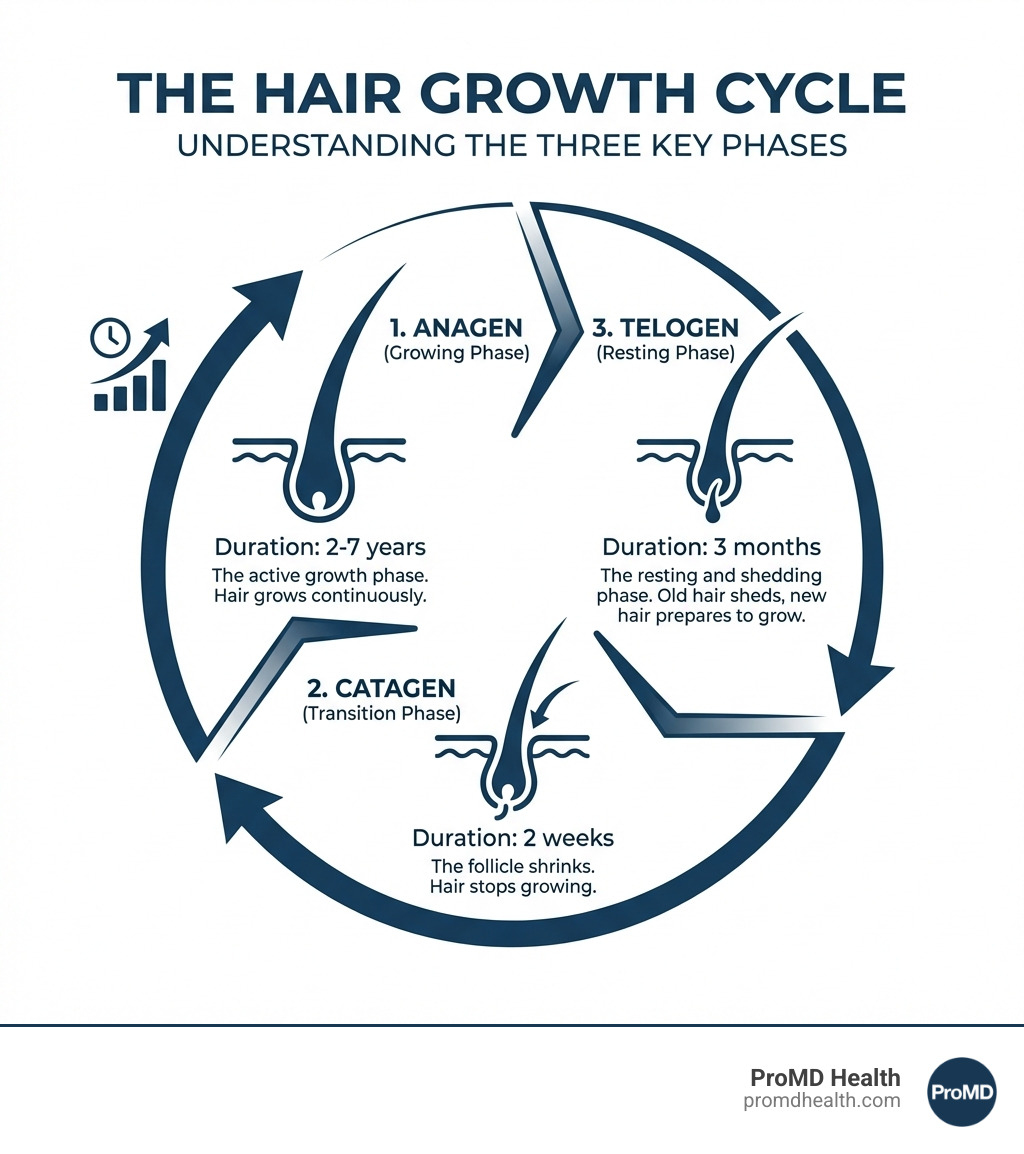
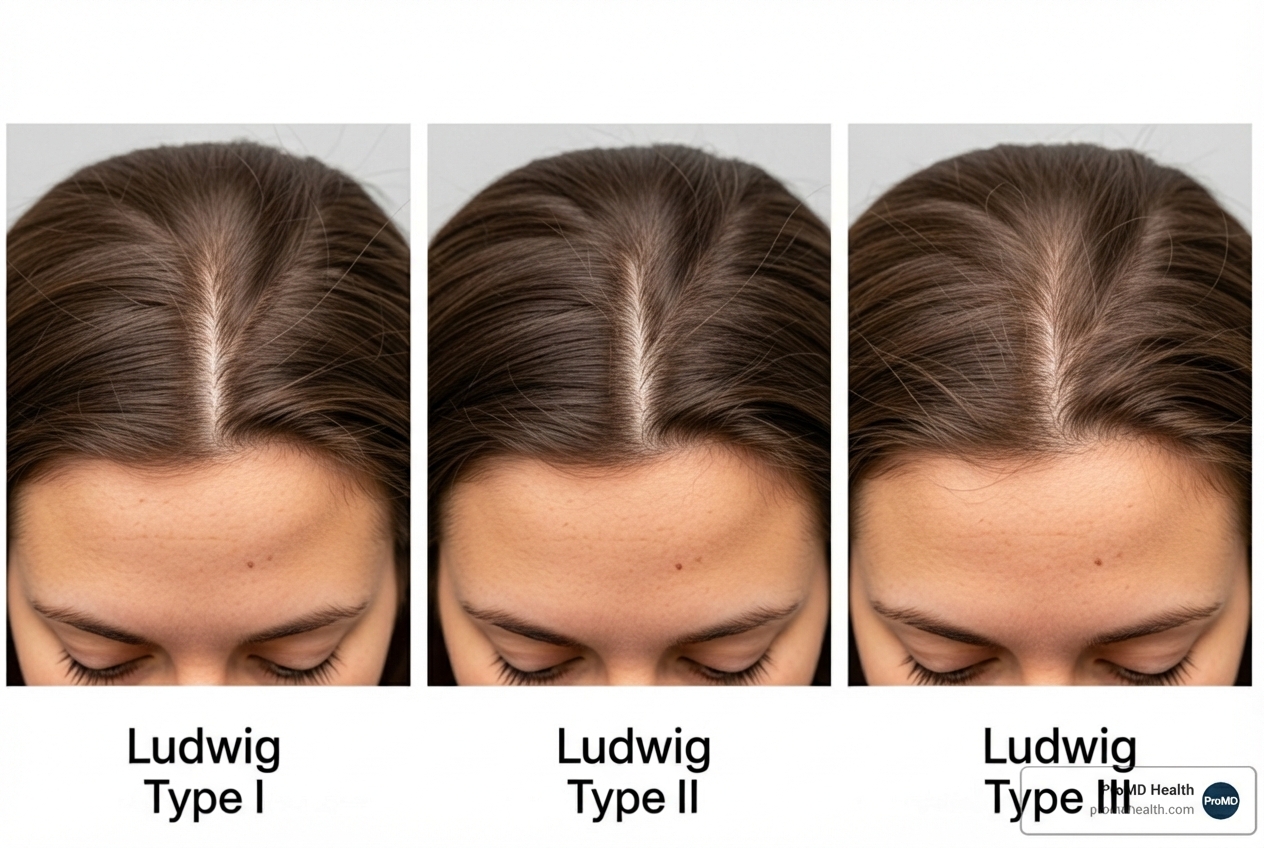
- Female Pattern Hair Loss (FPHL) / Androgenetic Alopecia: This is the most common type of hair loss in women, characterized by a gradual thinning of hair on the top and crown of the scalp, usually starting with a widening part line. It’s hereditary and involves a genetically determined shortening of the anagen (growing) phase of the hair cycle, leading to follicular miniaturization where hair follicles shrink and produce shorter, thinner hairs. Clinicians often use the Ludwig Classification (Type I, II, III) to describe its severity, from minimal thinning to diffuse thinning with a see-through appearance.
- Telogen Effluvium: This type of hair loss occurs when a significant stressor (such as severe illness, surgery, childbirth, extreme diet, or emotional trauma) pushes a large number of hair follicles into the resting (telogen) phase prematurely. This results in sudden, diffuse shedding, usually 2-3 months after the stressful event. It’s typically temporary, and hair often regrows once the underlying cause is resolved.
- Alopecia Areata: An autoimmune condition where the body’s immune system mistakenly attacks hair follicles, leading to sudden, patchy hair loss on the scalp or other body parts. It can range from small, circular bald spots to complete hair loss (alopecia totalis) or even body hair loss (alopecia universalis).
- Traction Alopecia: This is preventable hair loss caused by constant pulling on hair follicles, often due to tight hairstyles like braids, ponytails, extensions, or dreadlocks. Over time, this constant tension can damage the follicles, leading to permanent hair loss in the affected areas.
Hair Loss and Major Life Stages
Women’s lives are marked by significant hormonal shifts that can profoundly impact hair health. These include:
- Pregnancy and Postpartum Shedding: During pregnancy, liftd estrogen levels can prolong the hair’s growing phase, leading to thicker, fuller hair. However, after childbirth, estrogen levels rapidly drop, causing a large number of hairs to enter the resting and shedding phases simultaneously. This results in significant, albeit temporary, hair loss known as postpartum telogen effluvium, usually resolving within 6-12 months.
- Menopause: This is a common time for women to experience hair thinning. Hormonal fluctuations that occur during menopause, particularly changes in estrogen levels, can lead to hair thinning, volume loss, and texture changes. This is often due to a relative increase in androgen (male hormone) activity, which can trigger or worsen FPHL. A study confirms that these hormonal changes can lead to hair thinning, volume loss, and texture changes during menopause. We understand how distressing this can be, and our team in locations like Annapolis and Fort Lauderdale are adept at addressing these concerns. You can read more about this phenomenon here: Menopause and hair loss study.
- Aging: Beyond hormonal shifts, the natural aging process itself contributes to hair thinning. As we age, hair follicles can shrink, and the hair growth cycle shortens, resulting in finer, sparser hair. This is why noticeable hair loss increases significantly after age 65.
The Best Treatment for Thinning Hair Female: A Guide to Medical & Professional Options
When it comes to finding the best treatment for thinning hair female, a personalized approach is key. At ProMD Health, we believe in combining FDA-approved treatments, advanced in-office procedures, and expert guidance to achieve the best possible outcomes for our patients in Maryland, Virginia, Florida, and beyond. Consulting with a dermatologist or a hair loss specialist like George Gavrila, MD, Founder and Medical Director of ProMD Health, is essential to accurately diagnose the cause of your hair loss and create a custom treatment plan.
FDA-Approved and Prescription Medications
Several medications have proven effective for treating female hair loss, with Minoxidil being the most widely recognized.
- Minoxidil (Rogaine): This is the only FDA-approved over-the-counter topical treatment for Female Pattern Hair Loss (FPHL).
- How it works: Minoxidil works by increasing blood flow to the hair follicles, extending the anagen (growth) phase of the hair cycle, and potentially enlarging miniaturized follicles. This encourages existing hairs to grow thicker and stimulates new hair growth.
- 2% vs 5% solution: Minoxidil is available in both 2% and 5% concentrations. The 5% solution is often recommended for women by dermatologists, as studies show it can be more effective. However, a Cochrane review found no studies indicating any benefit of the higher concentration (5%) over the lower concentration (2%) in terms of efficacy, and adverse events did not differ significantly between the two.
- Side effects: Common side effects include scalp irritation (dryness, scaling, itching, redness). A more concerning side effect is hypertrichosis (unwanted hair growth) in areas other than the scalp, such as the face. To minimize this, it’s important to apply minoxidil carefully and wash your face after application.
- Important considerations: Minoxidil requires indefinite, consistent use to maintain results. If you stop using it, any hair regrowth will likely reverse within a few months. It’s also crucial to avoid minoxidil if you are pregnant, planning to become pregnant, or breastfeeding, as it is not safe.
- Spironolactone and other Anti-androgens: These prescription medications are often used for women with FPHL, especially when there’s an androgenic component (like in PCOS).
- How they work: Spironolactone is a diuretic that also acts as an anti-androgen, blocking androgen receptors and reducing androgen production. By counteracting the effects of male hormones on hair follicles, it can help slow down hair thinning and promote regrowth.
- Side effects: Potential side effects include dizziness, thirst, appetite loss, weight gain, changes in libido, and fatigue. It’s often prescribed with an oral contraceptive for women of reproductive age.
- Finasteride: While primarily approved for men, finasteride is sometimes used off-label for women, particularly postmenopausal women who have not responded to other treatments.
- How it works: Finasteride works by inhibiting the enzyme 5-alpha reductase, which converts testosterone into dihydrotestosterone (DHT), a hormone that can shrink hair follicles in genetically susceptible individuals.
- Pregnancy risks: Finasteride is strictly contraindicated for women who are pregnant or may become pregnant due to the risk of birth defects in male fetuses. Women who are pregnant or planning to get pregnant must avoid even touching crushed or broken finasteride tablets.
- Efficacy for women: A Cochrane review indicated that finasteride was no more effective than placebo in three studies on female pattern hair loss, with hair count improvement only in a small study with 12 participants, but not in larger studies. Results may take about four months to start showing improvement.
Advanced In-Office Procedures
For many women, medications alone may not be enough, or they may seek more advanced solutions. ProMD Health offers several cutting-edge in-office procedures that can significantly improve hair density and stimulate growth.
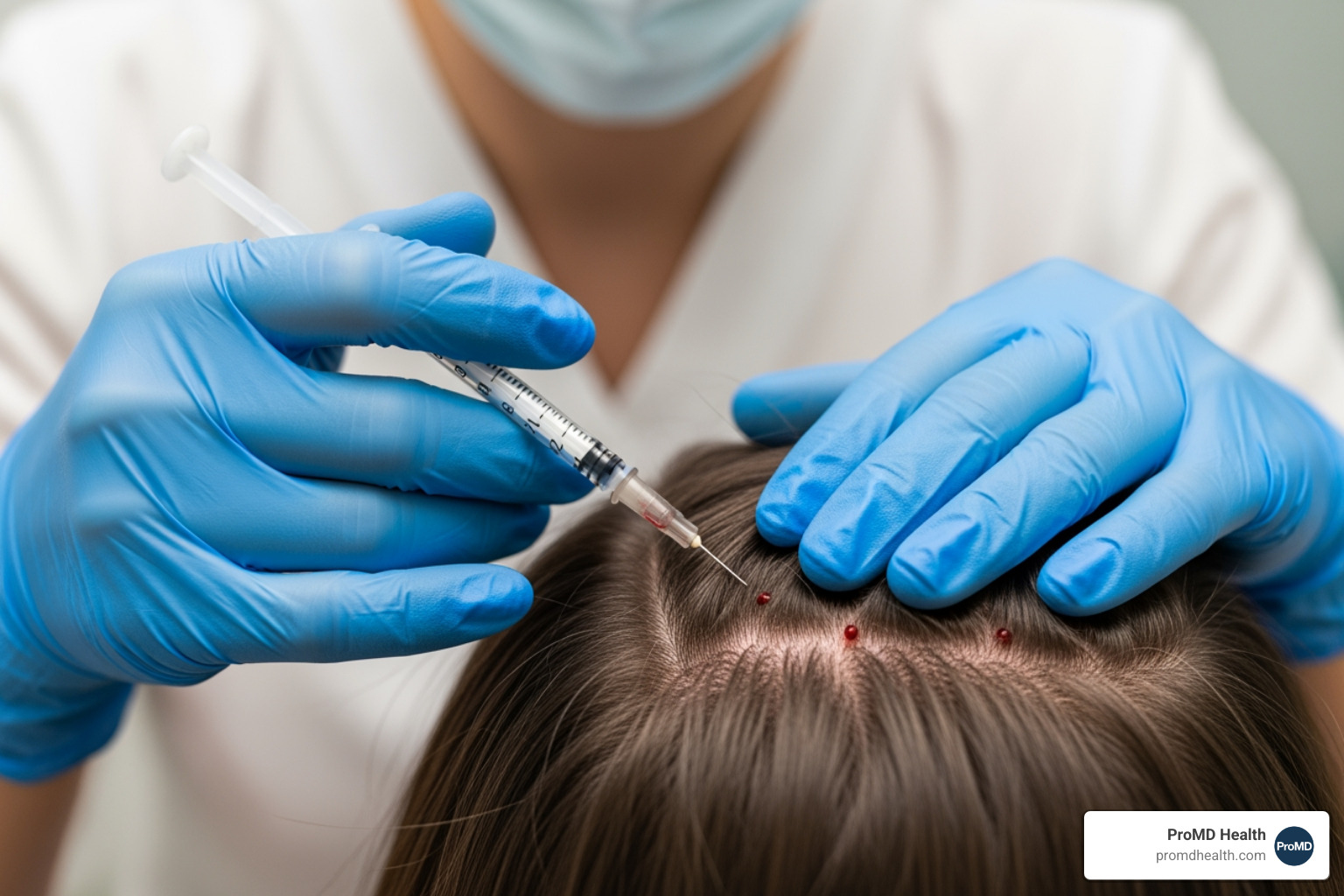
- Platelet-Rich Plasma (PRP) Injections: This innovative treatment uses your body’s own healing power.
- How it works: We draw a small amount of your blood, process it to concentrate the platelets and growth factors, and then inject this platelet-rich plasma into the scalp. These growth factors stimulate dormant hair follicles, promote new hair growth, and improve the health and thickness of existing hair. Our clinics in areas like Arlington, VA, and Tysons Corner, VA, are experienced in providing these advanced treatments.
- Benefits and Risks: PRP is minimally invasive, with low risk of allergic reactions as it uses your own blood. Side effects are usually mild, including temporary soreness, redness, or swelling at the injection sites. For more on how PRP works, you can refer to this research: PRP for hair regrowth.
- Microneedling: This procedure involves creating microscopic punctures in the scalp.
- How it works: These tiny injuries stimulate collagen production and increase blood flow to the scalp, which can activate hair follicles. Microneedling is often combined with topical treatments like minoxidil, as it can improve the absorption and effectiveness of these medications.
- Low-Level Laser Therapy (LLLT): LLLT devices deliver red light directly to the scalp.
- How it works: The theory is that this light energy is absorbed by the cells in the hair follicles, stimulating cellular activity, increasing blood flow, and promoting hair growth. FDA-approved low-light laser devices, such as the HairMax Lasercomb® and Theradome LH80 PRO® helmet, are available for FPHL. While some studies suggest improvements in hair density, a Cochrane review noted that laser comb therapy did not appear to be more effective than sham therapy according to participants, despite reported increases in hair growth in some cases.
- Hair Transplant Surgery: For women with significant, localized hair loss and stable donor areas, hair transplant surgery can be a viable option.
- How it works: Follicular Unit Transplantation (FUT) and Follicular Unit Extraction (FUE) are common techniques. Hair follicles are harvested from a donor area (usually the back of the scalp) and transplanted to thinning or bald areas. This procedure can create a natural-looking restoration. While it’s more common in men, women can be excellent candidates, especially for restoring hairlines or adding density to specific areas. Our team can discuss if this is the best treatment for thinning hair female for your specific needs.
At-Home Treatments and Supplements
Beyond medical interventions, there’s a wide array of non-prescription options, over-the-counter solutions, and natural remedies that can support hair health and complement professional treatments. These can be particularly helpful for early thinning or as part of a comprehensive hair care routine.
Choosing the best treatment for thinning hair female at home
For those looking for at-home solutions, topical serums and specialized shampoos are popular choices.
- Topical Serums: Many serums are designed to be left on the scalp, delivering active ingredients directly to the follicles.
- Key ingredients: Look for ingredients like peptides, which can help strengthen hair and reduce breakage; caffeine, known to stimulate hair follicles; and saw palmetto, which may help block DHT. Some serums also contain ketoconazole, which addresses scalp issues like flaking and itching that can impede hair growth. Shampoos formulated with ketoconazole, such as Nizoral Anti-Dandruff Shampoo, can also be beneficial for stressed, itchy scalps.
- Application: Leave-in products like serums are generally more effective than wash-out products because they deliver active ingredients directly to the follicle and stay on the scalp longer. For example, Nutrafol Women’s Hair Serum is known for its fast-absorbing, non-greasy formula.
- Hair growth shampoos: While shampoos don’t stay on the scalp long enough to deliver significant amounts of active ingredients, many are formulated to create a healthier scalp environment.
- How they work: They can boost volume, eliminate excess oil and buildup, and contain ingredients like keratin proteins to strengthen hair. For example, Kérastase Densifique Bain Densitè Shampoo contains hyaluronic acid, peptides, and ceramides that strengthen hair and prevent breakage. Others, like Vegamour Gro Revitalizing Shampoo, are powered by peptides to promote a healthy, moisture-rich environment.
The Role of Supplements and Natural Oils
Sometimes, hair thinning can be a sign of internal imbalances. Supplements and natural oils can play a supportive role.
- Biotin: Biotin (Vitamin B7) is essential for health, and a deficiency can indeed cause hair loss. However, taking megadoses of biotin is not scientifically proven to prevent or treat hair loss if you’re not deficient.
- Iron, Vitamin D, Zinc: Deficiencies in these key nutrients can contribute to hair loss. A blood test can reveal if you have low levels, and supplementation can then be beneficial.
- For a deeper dive into how vitamins and supplements can support healthier hair, Cleveland Clinic offers valuable insights: Vitamins and supplements for hair.
- Rosemary oil: This natural oil has gained attention for its hair growth properties. Rosemary oil has strong data supporting its ability to improve circulation and support hair growth, with some studies comparing its efficacy to 2% minoxidil. You can explore this research here: Rosemary oil vs. minoxidil study.
- Pumpkin seed oil: This oil contains fatty acids, antioxidants, and anti-inflammatory properties that have been shown to help prevent the slowing of hair growth related to testosterone.
Diagnosis and Lifestyle: Your First Line of Defense
The best treatment for thinning hair female begins with an accurate diagnosis and a holistic approach that includes lifestyle adjustments. These foundational steps are critical for both preventing further hair loss and maximizing the effectiveness of any medical treatments.
When to See a Dermatologist for the best treatment for thinning hair female
It’s important to know when to seek professional help. We encourage you to schedule a consultation with a dermatologist if you experience:
- Sudden hair loss: Especially if it’s rapid or unexplained.
- Patchy hair loss: Bald spots that appear suddenly.
- Significant shedding: Noticeably more hair than usual coming out when brushing or washing.
- Scalp irritation: Itching, redness, pain, or scaling on your scalp.
- No improvement with at-home remedies: If you’ve tried non-prescription options for several months without success.
During your visit, a dermatologist will likely conduct a thorough examination and may order diagnostic tests to pinpoint the cause:
- Physical exam: They will examine your scalp and hair pattern.
- Hair pull test: Gently pulling on strands of hair to see how many come out, indicating the extent of shedding.
- Blood tests: To check for underlying conditions like thyroid issues, iron deficiency, or hormonal imbalances.
- Scalp biopsy: In some cases, a small sample of scalp tissue may be taken to examine hair follicles under a microscope.
For more details on the diagnostic process, Mayo Clinic provides comprehensive information: Diagnosing hair loss.
Lifestyle Adjustments to Support Healthy Hair
While medical treatments are powerful, lifestyle factors play a significant role in hair health. We often advise our patients on these key adjustments:
- Balanced diet: Ensure your diet is rich in protein, vitamins, and minerals essential for hair growth, such as iron, zinc, and B vitamins. A diet with plenty of fruits and vegetables, avoiding processed foods, is beneficial.
- Stress reduction techniques: Chronic stress can trigger telogen effluvium. Practicing mindfulness, yoga, meditation, or even talking with a mental health professional can help manage stress levels.
- Gentle hair care: Avoid harsh chemical treatments, excessive heat styling, and tight hairstyles that pull on the hair follicles (traction alopecia). Use wide-tooth combs, gentle shampoos, and conditioners.
- Regular hydration and sleep: These are fundamental to overall health, including the health of your hair.
Frequently Asked Questions about Female Hair Loss Treatments
We understand you likely have many questions when navigating hair loss. Here, we address some of the most common inquiries we receive from our patients.
Can hair loss in women be reversed?
The answer depends largely on the underlying cause.
- Reversible: Hair loss due to temporary conditions like telogen effluvium (caused by stress, illness, or postpartum hormonal shifts) often reverses on its own once the trigger is removed. Hair loss due to nutritional deficiencies can also be reversed with appropriate supplementation.
- Manageable/Permanent: For conditions like Female Pattern Hair Loss (FPHL), while complete reversal may not be possible, treatments can effectively slow progression, increase density, and stimulate regrowth. These treatments, however, often require indefinite use to maintain results. Hair loss from severe traction alopecia or certain autoimmune conditions might be permanent, but management options exist.
How long does it take for hair loss treatments to work?
Patience is a virtue when it comes to hair regrowth! Hair growth is a slow biological process, and treatments take time to show results.
- Minoxidil: According to the American Academy of Dermatology Association, it usually takes 6–12 months to see hair regrowth when using minoxidil. Consistent, daily application is critical.
- Finasteride: For those for whom finasteride is prescribed (typically off-label for postmenopausal women), it usually takes about four months to start improving hair growth.
- Other treatments: Procedures like PRP injections and microneedling also require a series of treatments over several months before noticeable improvements are visible.
Consistency is truly key; stopping treatment prematurely can halt progress and reverse any gains.
Are hair loss treatments safe during pregnancy?
This is a critical question, and the answer for many treatments is no.
- Minoxidil: Should not be used by pregnant individuals or those who are breastfeeding.
- Finasteride: Is strictly contraindicated for women who are pregnant or may become pregnant due to severe risks to a male fetus.
- Spironolactone: Also carries risks during pregnancy and is generally avoided.
If you are pregnant, planning to become pregnant, or breastfeeding and experiencing hair loss, it is imperative to consult your healthcare provider immediately. They can help you identify safe options or advise on managing hair loss until it’s safe to pursue other treatments.
Take Control of Your Hair Health Journey
Dealing with thinning hair can be emotionally challenging, but you don’t have to face it alone. As we’ve explored, the journey to finding the best treatment for thinning hair female is highly individualized, requiring an understanding of the underlying causes and a commitment to a personalized treatment plan. From FDA-approved medications and advanced in-office procedures like PRP and microneedling to supportive supplements and crucial lifestyle adjustments, a multifaceted approach often yields the most satisfying results.
At ProMD Health, under the guidance of George Gavrila, MD, Founder and Medical Director, we pride ourselves on offering comprehensive, evidence-based solutions for hair loss. Our team across our locations in Maryland (Annapolis, Bel Air, Bethesda, Columbia, Easton, Timonium, Westminster), Virginia (Arlington, Tysons Corner), Florida (Fort Lauderdale, Wellington), Texas (Hutto), Colorado (Lafayette), and Delaware (Lewes), is dedicated to helping you “Look Younger and Feel Younger” by restoring your hair’s vitality. We combine cutting-edge technology with personalized care to address your unique needs and help you regain your confidence.
We invite you to learn more about our advanced hair restoration options and how we can help you achieve your hair health goals. Your journey to thicker, healthier hair starts with a conversation.