
Best Bald Spot Treatment 2026: Proven Solutions
Why Finding the Best Bald Spot Treatment Matters
Best bald spot treatment options range from over-the-counter solutions like minoxidil to advanced medical procedures such as PRP therapy and hair transplant surgery. The most effective approach depends on the cause of your hair loss—be it genetics, stress, hormonal changes, or an autoimmune condition. Here’s a quick comparison of your top options:
| Treatment Type | Best For | Results Timeline | Effectiveness |
|---|---|---|---|
| Minoxidil (Rogaine) | Male/female pattern baldness | 3-6 months | Prevents loss, stimulates growth |
| Finasteride | Male pattern baldness | 4-12 months | 80%+ see improvement |
| PRP Therapy | Various causes | 3-6 months | Stimulates follicles naturally |
| Corticosteroid Injections | Alopecia areata | 3 months | 80%+ regrowth in patches |
| Hair Transplant | Permanent hair loss | 6-12 months | Permanent solution |
Hair loss affects about 50 million men and 30 million women in the United States. A bald spot can trigger feelings of embarrassment and frustration, affecting your self-confidence. The good news is that effective treatments can make a real difference.
The key is understanding what’s causing your hair loss. Some bald spots respond to simple OTC products, while others need prescription medications or advanced procedures. Some hair loss is temporary and resolves on its own once your body recovers from stress or a nutritional deficiency.
Getting the right diagnosis matters. What works for male pattern baldness won’t help alopecia areata. That’s why consulting with a medical professional is your first step.
I’m George Gavrila, MD, Founder and Medical Director of ProMD Health. Through my work, I’ve seen how personalized treatment plans transform lives. My background in clinical research has given me a deep appreciation for evidence-based approaches to hair restoration, which is key to finding the best bald spot treatment for each individual.
Understanding Bald Spots: Common Causes and Diagnosis
Before diving into treatments, it’s crucial to understand why bald spots appear. Pinpointing the exact cause is the first step toward finding the best bald spot treatment for you.
Why is my hair falling out?
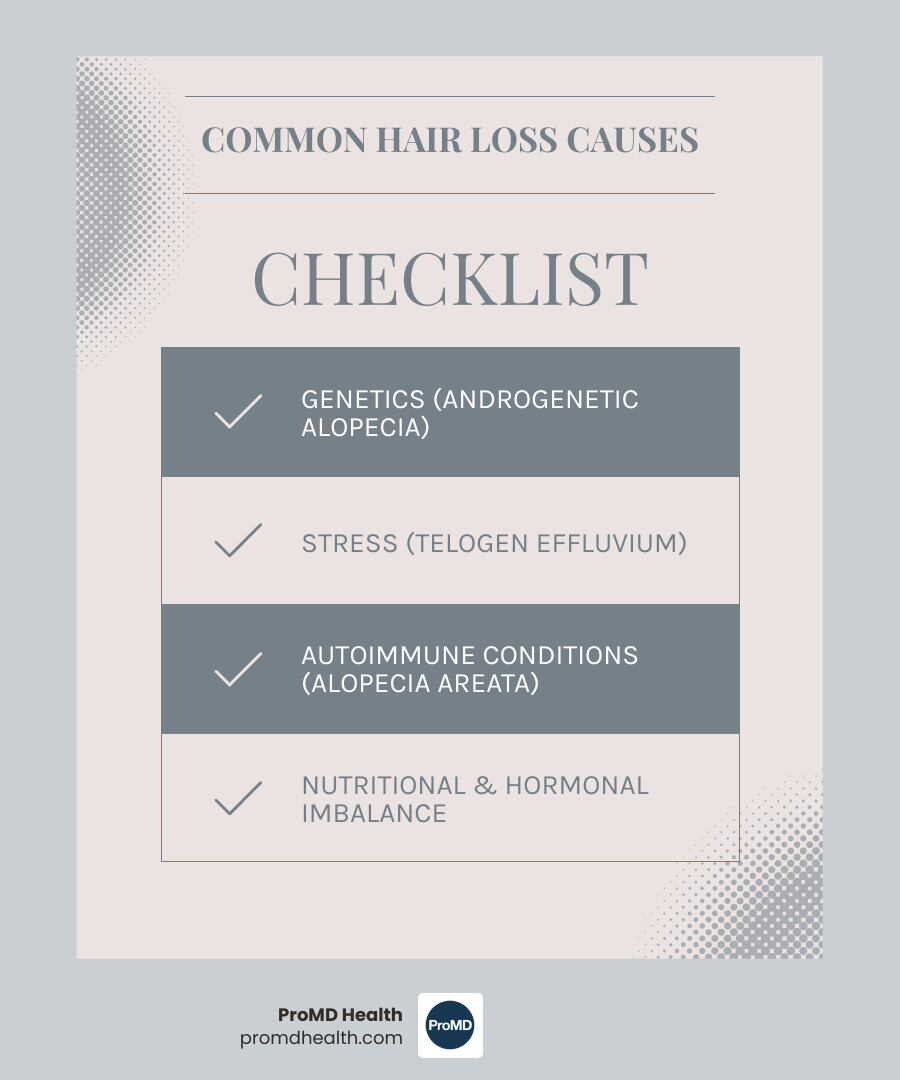
Bald spots can stem from many factors, from genetics to lifestyle. Here are the most common causes:
- Androgenetic Alopecia (Hereditary Hair Loss): Also known as male or female pattern baldness, this is the most common cause. It’s a genetic condition where hair follicles shrink over time, eventually stopping hair growth.
- Alopecia Areata: An autoimmune condition where the immune system attacks hair follicles, leading to sudden, patchy hair loss. Treatment can often help speed up regrowth.
- Hormonal Imbalance: Fluctuations from conditions like PCOS, thyroid disorders, pregnancy, or menopause can lead to thinning hair.
- Stress (Telogen Effluvium): Significant stress can cause a large number of hairs to fall out a few months later. Once the stress subsides, hair often regrows.
- Nutritional Deficiencies: A lack of essential nutrients like iron, vitamin D, and zinc can trigger hair loss. A balanced diet or targeted supplements can help.
- Fungal Infections: Ringworm (tinea capitis) is a fungal infection on the scalp that can cause scaly, itchy bald spots and requires antifungal treatment.
- Traction Alopecia: This is caused by constant pulling on hair follicles from tight hairstyles, which can lead to permanent damage over time.
- Medical Conditions and Medications: Illnesses like lupus or diabetes, and medications for cancer, arthritis, or high blood pressure can cause hair loss as a side effect.
Getting a Professional Diagnosis
Self-diagnosing is tricky, which is why a professional evaluation is essential. At ProMD Health, our team provides an accurate diagnosis, the cornerstone of any successful best bald spot treatment plan.

When you consult with our team, expect a thorough evaluation. This includes a physical exam of your scalp (sometimes with a dermatoscope), a review of your medical and family history, and potentially blood tests to check for underlying conditions or nutritional deficiencies. In some cases, we may perform a pull test, scalp biopsy, or light microscopy to get a precise diagnosis. This comprehensive process is vital for creating a treatment plan custom specifically for you.
Over-the-Counter and Natural Approaches for Hair Regrowth
Once the cause of your bald spot is clear, we can explore treatments. Accessible over-the-counter products and natural remedies can be a great starting point or complementary therapy for many types of hair loss.
Most Effective Over-the-Counter Treatments
When it comes to readily available solutions, one name stands out:
- Minoxidil (Rogaine): This is the most proven OTC treatment for bald spots. Available as a liquid or foam in 2% and 5% strengths, it prevents further loss and stimulates new growth by increasing blood flow to hair follicles. Consistent use is key, with results often appearing after two to four months. Continued use is necessary to maintain any regrowth. You can learn more about how minoxidil works on the minoxidil page on Wikipedia.
Natural and Home Remedies
While not a substitute for medical advice, some natural approaches can support scalp health and hair growth.
- Rosemary Oil: Research suggests its anti-inflammatory properties and ability to improve circulation may promote growth. You can massage it into your scalp or use shampoos containing it.
- Peppermint Oil: This stimulating oil has shown promise in some studies for increasing hair follicle depth and number. Always dilute it with a carrier oil before applying it to the scalp.
- Aloe Vera: Known for its soothing and anti-inflammatory properties, aloe vera can help maintain a healthy scalp environment, which is conducive to hair growth.
- Scalp Massage: A daily five-minute scalp massage can boost circulation, delivering more oxygen and nutrients to your hair follicles and potentially stimulating growth.
The Role of Diet and Supplements
Your diet significantly impacts hair health. Deficiencies in key nutrients like iron, zinc, and biotin can contribute to hair loss.
- Balanced Diet: A diet rich in protein, healthy fats, fruits, and vegetables provides the building blocks your hair needs. Include lean meats, fish, eggs, leafy greens, nuts, and seeds.
- Consulting a Doctor: Before taking any supplements, consult a medical professional. Excessive intake of certain vitamins can be harmful. Our team at ProMD Health can perform blood tests to identify any deficiencies and recommend appropriate supplements.
If you are also working toward weight loss as part of your overall wellness, medical options such as GLP-1/GIP medications (including tirzepatide when clinically appropriate and prescribed) may be incorporated into a comprehensive plan under the guidance of George Gavrila, MD, Founder and Medical Director of ProMD Health. A healthier weight can positively influence hormonal balance and overall health, which may indirectly support better hair outcomes.
The Best Bald Spot Treatment: Medical and Professional Options at ProMD Health
When OTC options aren’t enough, medical interventions are often the most effective path. At ProMD Health, we offer advanced, medically-backed solutions custom to your needs. As George Gavrila, MD, our Founder and Medical Director, emphasizes, a personalized approach is key to optimizing results.
Prescription Medications: A Targeted Bald Spot Treatment
Prescription-strength medications can provide powerful results under the guidance of our medical professionals.
- Finasteride (Propecia): An FDA-approved oral medication for men that blocks DHT, the hormone that shrinks hair follicles. It effectively slows hair loss and promotes new growth, with results in 4-12 months.
- Spironolactone: An oral anti-androgen medication often prescribed for hereditary hair loss in women. It can increase hair thickness and reduce hair loss for about 40% of users.
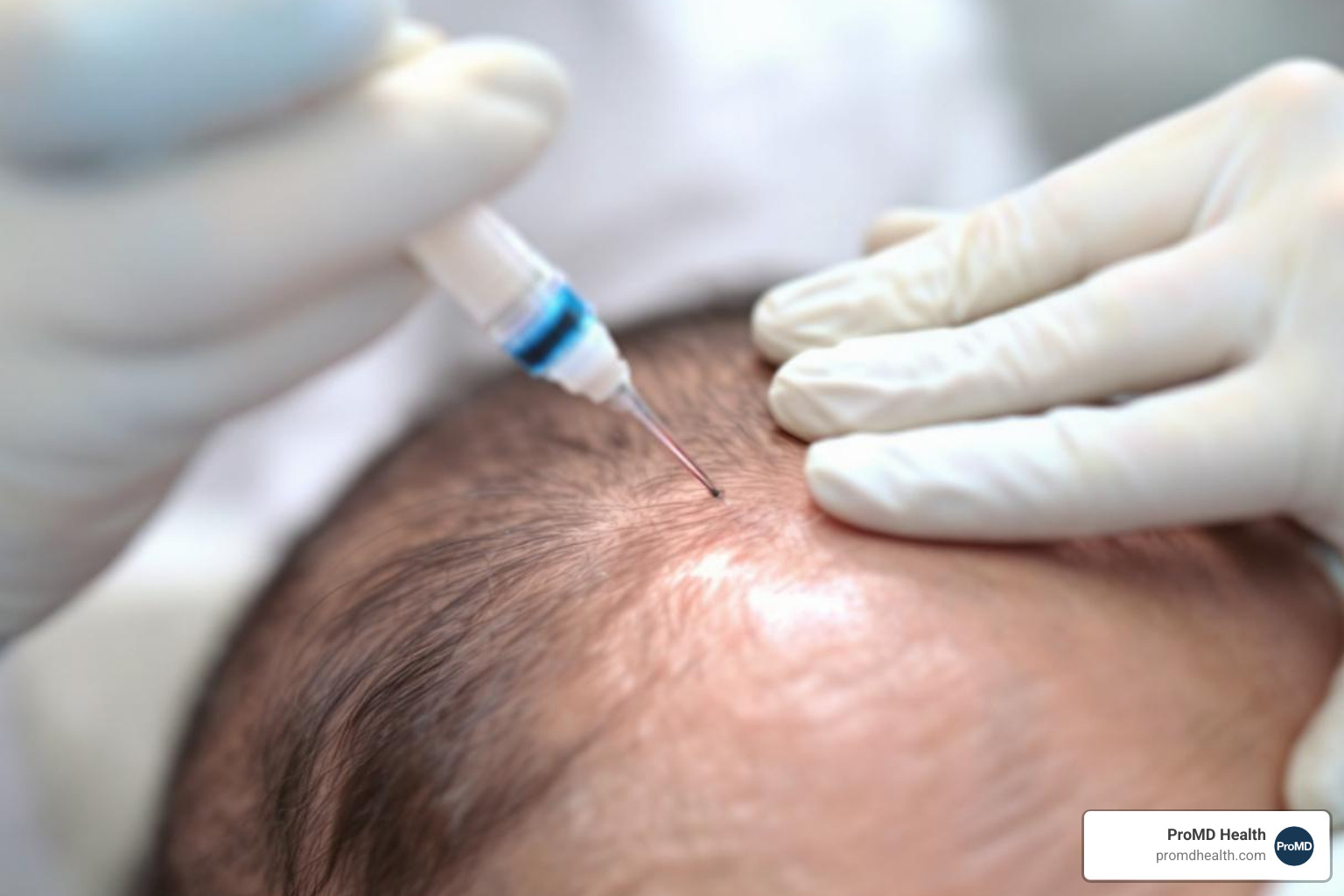
- Corticosteroid Injections: Highly effective for alopecia areata, these injections are administered directly into bald spots to reduce inflammation and suppress the immune attack on follicles. Over 80% of patients see at least partial regrowth within 12 weeks.
- JAK Inhibitors: A newer class of oral medications showing significant promise for widespread alopecia areata by calming the overactive immune system.
- Anthralin (Dritho-Scalp): A topical treatment that irritates the skin to stimulate hair growth, often used for alopecia areata.
In-Office Procedures for Hair Restoration
ProMD Health offers cutting-edge procedures to stimulate hair growth and restore density.
- Platelet-Rich Plasma (PRP) Therapy: This treatment uses your blood’s own growth factors. We process a small blood sample to concentrate the platelets and inject the resulting PRP into your scalp to stimulate dormant follicles and improve hair thickness.
- Microneedling: This procedure uses tiny needles to create micro-injuries in the scalp, stimulating collagen and blood flow to awaken dormant follicles. It’s often combined with topical treatments to improve absorption.
- Low-Level Laser Therapy (LLLT): LLLT uses specific light wavelengths to stimulate cellular metabolism and circulation in the scalp, which can revitalize follicles and extend the growth phase.
Surgical Solutions for Permanent Results
For significant, permanent hair loss, surgery offers a lasting solution.
- Hair Transplant Surgery: This procedure moves healthy, balding-resistant hair follicles from a donor area to bald spots. The transplanted hair then grows naturally.
- Follicular Unit Transplantation (FUT): A surgeon removes a strip of skin with hair follicles, which are then separated and transplanted. This allows for a large number of grafts in one session.
- Follicular Unit Extraction (FUE): Individual hair follicles are extracted directly from the donor site and transplanted. This method is less invasive and leaves minimal scarring.
Our medical team can assess your candidacy for these treatments and help determine if surgery is the best bald spot treatment for you.
What to Expect: Timelines, Side Effects, and Lifestyle
Treating bald spots requires patience and realistic expectations. Hair growth is a slow process, and it’s important to understand timelines, potential side effects, and how lifestyle choices can support your treatment.
How Long Until I See Results?
Patience and consistency are paramount. Results vary by treatment: minoxidil may show improvement in 3-6 months, while finasteride can take up to a year. Corticosteroid injections often yield results in 3 months, and PRP therapy in 3-6 months. After a hair transplant, new growth appears around 3-4 months, with full results in 12-18 months. Many treatments, like minoxidil and finasteride, require continued use to maintain results.
Potential Risks and Side Effects
Every treatment has potential side effects. Our team at ProMD Health ensures you are fully informed before making any decisions.
- Minoxidil: Can cause scalp irritation or unwanted facial hair growth.
- Finasteride: In rare cases (less than 2% of users), men may experience decreased libido.
- Spironolactone: Potential side effects for women include menstrual irregularities and dizziness.
- Corticosteroid Injections: Can cause temporary skin thinning or pigmentation changes at the injection site.
- Surgical Risks: Include infection, swelling, and scarring, though modern techniques minimize these risks.
- JAK Inhibitors: Potential side effects are still being studied but can include infections.
We encourage open discussions about all potential risks with our medical professionals.
Can Lifestyle Changes Help My Hair?
Yes. While not a standalone cure for severe hair loss, lifestyle changes can support hair health and complement medical treatments.
- Balanced Diet: Eat a diet rich in iron, zinc, biotin, and protein.
- Stress Management: Practice techniques like meditation, yoga, or regular exercise to combat stress-related hair loss.
- Gentle Hair Care: Avoid harsh chemical treatments, excessive heat, and tight hairstyles. Use gentle, sulfate-free products.
- Adequate Sleep: Aim for 7-9 hours of quality sleep per night for overall health, including your hair.
Frequently Asked Questions about Bald Spot Treatments
Here are answers to some common questions about hair loss we hear at ProMD Health.
When should I see a doctor about a bald spot?
It’s time to schedule an appointment with ProMD Health if you experience:
- Sudden, rapid, or patchy hair loss.
- Itching, pain, redness, or scaling on your scalp.
- No results from over-the-counter treatments after several months of consistent use.
- Hair loss accompanied by other symptoms like fatigue or unexplained weight changes.
An accurate diagnosis is the only way to get a personalized plan for the best bald spot treatment.
What is the most effective treatment for male pattern baldness?
For male pattern baldness, a combination approach is often most effective. This typically includes FDA-approved medications like topical minoxidil and oral finasteride. In-office procedures like Platelet-Rich Plasma (PRP) therapy can also significantly improve results. A consultation at ProMD Health is crucial to determine the best course of action for your specific pattern of hair loss and overall health.
Can hair on a bald spot grow back?
Yes, in many cases, hair can grow back. The potential for regrowth depends on the cause:
- Reversible Causes: Hair loss from stress or nutritional deficiencies is often reversible once the underlying issue is addressed.
- Treatable Conditions: For conditions like alopecia areata or fungal infections, targeted treatments can stimulate regrowth.
- Genetic Hair Loss: While genetic, treatments like minoxidil, finasteride, and PRP can stimulate follicles and prevent further loss. Hair transplant surgery offers a permanent solution by relocating healthy follicles.
The outlook is generally positive with early intervention and a consistent, personalized treatment plan.
Your Next Steps to a Fuller Head of Hair
We’ve explored the causes of bald spots and the wide array of treatments available, from OTC products to advanced medical procedures. The key takeaway is that you don’t have to face hair loss alone. Effective solutions exist to help you regain your confidence.
The journey to a fuller head of hair begins with a professional diagnosis. What works for one person might not be the best bald spot treatment for another. At ProMD Health, we take a personalized approach, evaluating your unique needs to craft the right treatment plan for you.
George Gavrila, MD, Founder and Medical Director of ProMD Health, and our entire team are committed to helping you “Look Younger and Feel Younger” by addressing your hair loss with the latest advancements in medical aesthetics. We guide you through every step, from diagnosis to effective treatment and ongoing support.
Don’t let bald spots diminish your self-confidence. Take control of your hair loss journey today.


