Best Scalp Treatment for Thinning Hair: Ultimate Guide 2026
Why a Healthy Scalp is the Foundation for Thicker Hair
Best scalp treatment for thinning hair depends on the underlying cause and severity of your hair loss, but here are the most effective options backed by clinical research:
Top Scalp Treatments for Thinning Hair:
- Minoxidil (2-5%) – The only FDA-approved over-the-counter topical with proven efficacy for hair regrowth
- Prescription DHT Blockers – Finasteride or Dutasteride for hormonal hair loss (requires medical supervision)
- Growth Factor Serums – Peptide-rich formulas (like those with Capixyl) that stimulate follicles and reduce shedding
- PRP/PRF Injections – In-office treatments using your own growth factors to reactivate dormant follicles
- Medicated Shampoos – Ketoconazole or niacinamide-based cleansers that reduce inflammation and buildup
Before you invest in expensive products or procedures, it’s crucial to understand one fundamental truth: your scalp health directly determines your hair’s ability to grow.
Think of your scalp as soil and your hair as plants. No matter how much fertilizer (expensive serums) you pour on depleted soil, nothing will thrive. Inflammation, product buildup, poor circulation, and hormonal imbalances all create an environment where hair follicles can’t function properly.
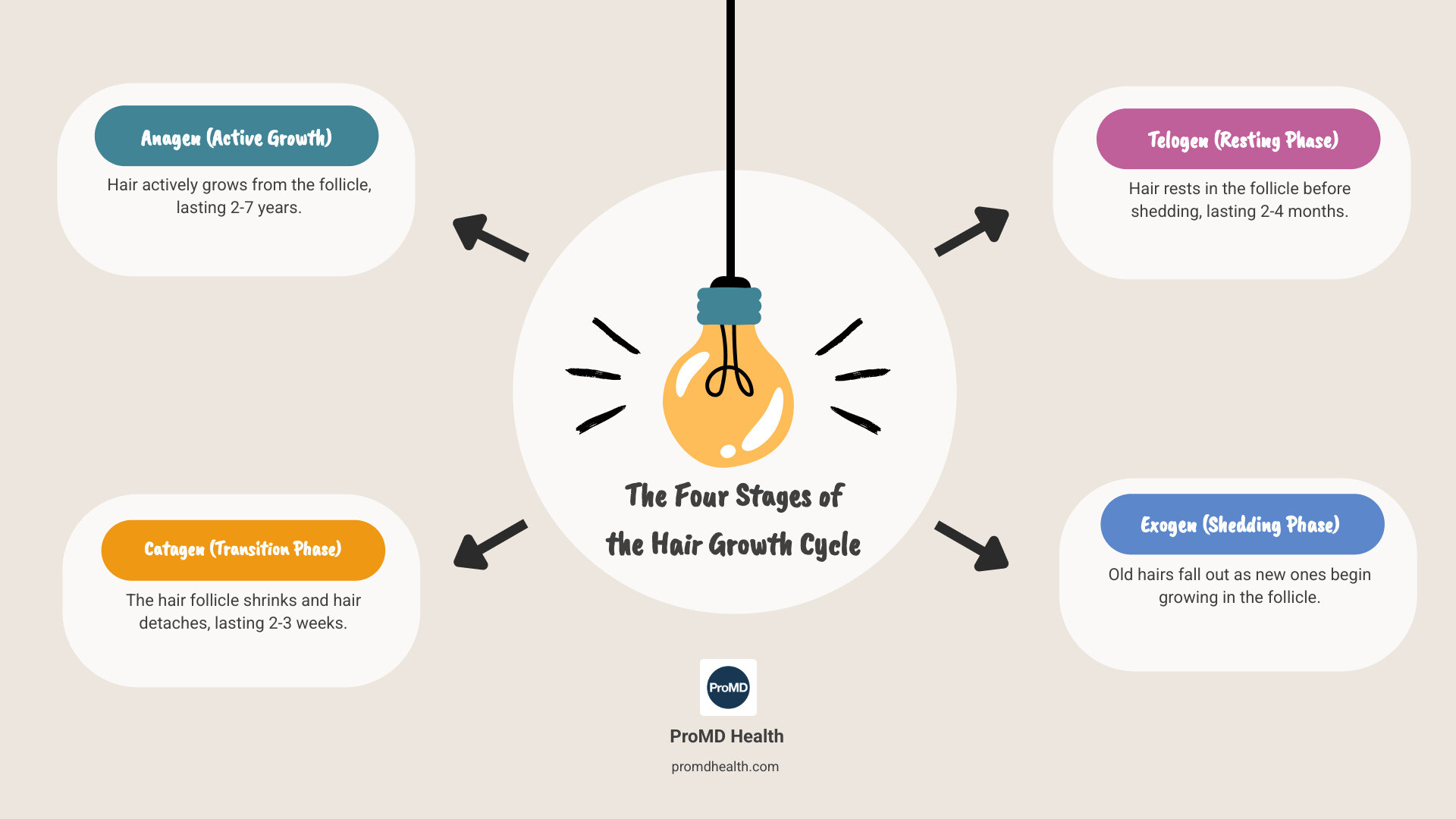
The hair growth cycle has four distinct stages—anagen (active growth), catagen (transition), telogen (resting), and exogen (shedding). When your scalp environment is compromised, follicles get stuck in the resting phase or skip the growth phase entirely. This is why some people see clumps of hair in the shower but minimal regrowth.
The good news? Most scalp issues are reversible with the right approach. Whether you’re dealing with genetic thinning, postpartum shedding, or stress-related hair loss, targeted treatments can reactivate dormant follicles and extend the growth phase. But results take time—typically 3 to 6 months of consistent use before you’ll notice visible improvement.
I’m Scott Melamed, President and CEO of ProMD Health, where I’ve spent years helping patients understand the science behind hair restoration treatments and identify the best scalp treatment for thinning hair based on their unique needs. My background in biotechnology from Johns Hopkins has given me deep insight into how growth factors, peptides, and medical-grade ingredients actually work at the cellular level.
Understanding the Science: Key Ingredients for Hair Regrowth
At ProMD Health, our approach to finding the best scalp treatment for thinning hair is rooted in science. We understand that effective hair regrowth requires addressing the underlying biological processes. As George Gavrila, MD, Founder and Medical Director of ProMD Health, emphasizes, “Understanding the specific mechanisms of action of different ingredients is paramount to achieving real, sustainable results for our patients.”
The most effective ingredients for stimulating hair growth and combating thinning fall into several key categories: vasodilators, DHT blockers, anti-inflammatories, peptides, and antioxidants. Each plays a unique role in creating an optimal environment for your hair to flourish.
FDA-Approved Powerhouses
When it comes to over-the-counter options, one ingredient stands out with a proven track record: Minoxidil. It’s the most tried-and-true ingredient for hair loss and thinning, and notably, the only over-the-counter topical with meaningful clinical data proving its efficacy in treating hair loss.
Minoxidil is a vasodilator, meaning it widens blood vessels. This improved blood flow to the hair follicles is crucial. It delivers more oxygen and nutrients, which stimulates growth and helps revive shrinking or dormant follicles. It also plays a role in enlarging the follicle and extending the anagen (growth) phase of the hair cycle, leading to thicker, longer strands.
For those considering Minoxidil, it’s important to understand that consistency is key. Products with minoxidil should be used continuously; some people may find that once they stop using it, the hair regrowth they found stalls. It may take 2 to 4 months of regular use before noticing any improvement, and if you stop, the regrown hair will usually fall out within 3 months. Always ensure your hair and scalp are dry before application and do not use more often than directed. For detailed guidance on its use, you can refer to resources like Minoxidil Topical Solution or Foam.
Prescription-Only DHT Blockers
For more advanced cases of hormonal hair loss, prescription treatments offer a powerful solution. These primarily involve medications that target Dihydrotestosterone (DHT), a hormone known to shrink hair follicles. The main players here are Finasteride and Dutasteride.
These oral medications work by suppressing DHT, preventing it from binding to hair follicles and causing them to miniaturize. They are particularly effective for male pattern baldness, but can also be used for female pattern baldness under strict medical supervision, especially for postmenopausal or post-hysterectomy women. It’s crucial to note that Finasteride and Dutasteride are classified as Category X drugs by the FDA, meaning they are incompatible with pregnancy, and women of childbearing potential should handle them with extreme caution. These treatments require a consultation with a healthcare provider to determine suitability and monitor progress. More information on prescription options for hair loss can be found through resources like the NHS.
The Rise of Natural and Botanical Actives
Beyond pharmaceutical options, a growing number of natural and botanical ingredients are showing significant promise in promoting hair growth and reducing thinning. These often work by improving scalp health, providing nutrients, or mimicking the effects of more potent compounds with potentially fewer side effects.
Rosemary oil, for instance, has gained popularity for its ability to improve circulation and reduce inflammation in the scalp. Interestingly, some studies suggest that rosemary oil performs similarly to minoxidil over time, making it a compelling natural alternative for mild thinning or for those with sensitivities to chemical treatments.
Peptides are another exciting category. These short chains of amino acids can play a crucial role in hair health. Specific peptides, often found in proprietary complexes like Capixyl, can help block DHT, stimulate hair follicles, and strengthen hair strands, leading to fuller, healthier results. Ingredients like gluco-peptides and wheat protein, as seen in Kérastase serums, help restore elasticity and strengthen the cuticle. Similarly, biomimetic signal peptides, found in products like Virtue Flourish Density Booster, can encourage new baby hair growth and improve density.
Caffeine, while not as clinically proven as minoxidil, is a common vasodilator found in many hair products. It’s believed to stimulate follicles and improve circulation.
Melatonin isn’t just for sleep! Research shows it can also be a powerful ally in hair regrowth. The Advanced Trichology NutraM Hair Growth Serum, for example, features melatonin as its key ingredient, which has been shown to support regrowth and thicker strands after hair loss.
Other plant-based compounds like mung bean, red clover, and curcumin, as combined in the Vegamour GRO Serum, work synergistically to support scalp health and reduce inflammation, creating an optimal environment for hair growth.
Finally, marine collagen has shown impressive results as an oral supplement. One study on marine collagen’s effect on hair demonstrated that it achieved hair growth comparable to that of finasteride, enhancing hair regrowth and increasing the expression of hair growth factors. This highlights the potential for holistic approaches that combine topical treatments with internal supplementation.
These natural and botanical actives often contribute to reduced shedding, improved hair density, and an overall healthier scalp, making them excellent additions to any regimen for thinning hair.
A Guide to Finding the Best Scalp Treatment for Thinning Hair
Choosing the best scalp treatment for thinning hair can feel overwhelming with the sheer number of products available. However, by understanding the different types of treatments and their application methods, we can make informed decisions. Whether it’s a potent serum, a cleansing shampoo, or an invigorating scrub, each product plays a part in supporting your hair growth journey.
The Best Scalp Treatment for Thinning Hair: Topical Serums and Leave-In Tonics
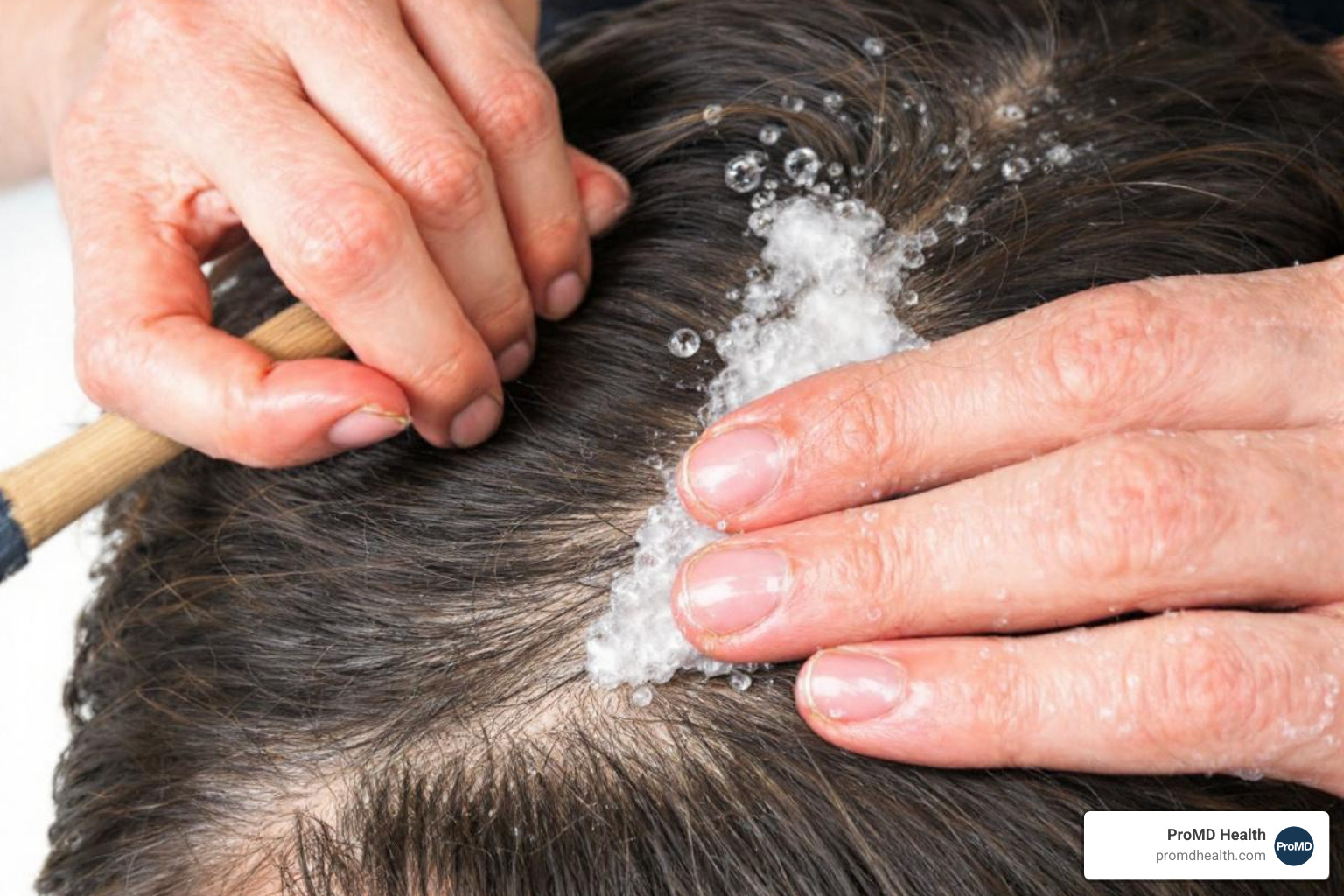
Serums and tonics are often considered the heavy hitters in scalp treatment for thinning hair due to their targeted application and high concentration of active ingredients. They are typically lightweight, non-greasy formulas designed to penetrate directly into the scalp where they can deliver ingredients to the hair follicles.
Many of these products harness the power of peptides, antioxidants, niacinamide, and various plant extracts. For example, the Vegamour GRO Serum combines ingredients like mung bean, red clover, and curcumin to support scalp health and reduce inflammation. Its key compounds, including Capixyl and peptides, help block DHT (the hormone that causes hair loss), stimulate follicles, and strengthen hair for fuller, healthier results.
The Kérastase Initialiste Scalp & Hair Serum, recommended by experts, is packed with gluco-peptides and wheat protein to help restore elasticity and strengthen the cuticle, creating a healthy environment for hair growth. For those also concerned with graying, the Living Proof Scalp Care Density Serum contains antioxidants and amino acids that help reduce the appearance of gray hair, plus peptides to help strengthen hair fibers and promote natural growth.
Other notable serums include the Moroccanoil Revitalizing Scalp Tonic, featuring Argan oil and Majorana leaf extract, which testers found improved texture and thickness with a pleasant scent. The Advanced Trichology NutraM Hair Growth Serum uses melatonin to support regrowth and thicker strands. Virtue Flourish Density Booster, containing Virtue’s patented Alpha-Keratin 60ku® protein, and Augustinus Bader The Scalp Treatment, with its TFC8 blend of vitamins, lipids, and peptides, also aim to reduce shedding and refresh the scalp.
Consistency is paramount with serums; daily application is often recommended for the best results, as these treatments work over time to influence the hair growth cycle.
Supporting Players: Medicated Shampoos and Conditioners
While serums deliver concentrated actives, shampoos and conditioners play a vital supporting role by creating a clean, healthy foundation for hair growth. The best scalp treatment for thinning hair often includes a medicated or specialized shampoo and conditioner. These products focus on scalp cleansing, removing product buildup, and reducing inflammation, which can otherwise impede hair growth.
Look for ingredients like biotin, hydrolyzed keratin, ketoconazole, and panthenol (pro-vitamin B5). Biotin and keratin help strengthen existing hair strands, while ketoconazole, an antifungal, also has anti-inflammatory properties and can possess anti-DHT properties that benefit hair growth.
The Vegamour GRO+ Advanced Balancing Shampoo, for instance, contains the brand’s GROActive+ Complex (a plant-based compound that addresses shedding), Spanish microalgae, and niacinamide to cleanse and support an optimal scalp environment. Nioxin Hair Fall Defense Serum (which, despite its name, is often used alongside specialized shampoos for a comprehensive approach) contains Sandalore™, caffeine, lauric acid, and niacinamide to help thicken hair and promote new growth.
For general hair strengthening and body, the Ouai Fine Shampoo includes biotin, hydrolyzed keratin, and chia seed oil, while the Bumble and Bumble Thickening Volume Conditioner uses panthenol and lightweight hydrators like coconut and safflower seed oils to moisturize without weighing hair down. These supporting players ensure your scalp is clean, balanced, and ready to receive the full benefits of your targeted treatments.
Resetting the Canvas: Scalp Exfoliants and Scrubs
Just like the skin on our face, our scalp benefits from exfoliation. Scalp exfoliants and scrubs are crucial for resetting the canvas, clarifying the scalp, and removing dead skin cells, excess oil, and product buildup that can clog follicles and inhibit healthy hair growth.
Ingredients commonly found in effective scalp scrubs include salicylic acid, charcoal, and tea tree oil. Salicylic acid gently exfoliates, charcoal draws out impurities, and tea tree oil provides antifungal and antibacterial benefits, helping to reduce inflammation and maintain a balanced scalp microbiome. By regularly removing these barriers, we promote a healthier follicle environment, allowing hair to grow more freely and robustly. While the research didn’t highlight specific exfoliating scrubs for thinning hair, products that address dandruff, dryness, and build-up, commonly found in best-seller lists, are excellent for general scalp health, which directly supports hair growth.
Professional Pathways: When to Escalate Your Treatment
Sometimes, over-the-counter solutions aren’t enough, and that’s when we look to professional pathways. At ProMD Health, we guide our patients through advanced options when seeking the best scalp treatment for thinning hair that goes beyond what can be achieved at home.

Over-the-Counter (OTC) vs. Prescription Treatments
The decision to move from over-the-counter (OTC) options to prescription treatments often comes down to the severity and cause of your hair thinning. OTC treatments, primarily Minoxidil, are widely accessible and effective for many. Products like hers Women’s Minoxidil 2% Topical Solution offer an affordable and accessible way to use this proven ingredient.
However, prescription treatments offer stronger solutions, particularly for hormonal hair loss. These include oral medications like Finasteride and Dutasteride, which directly target DHT. Additionally, customized topical solutions can be prescribed by a licensed dermatologist after an online consultation. For example, Musely The Hair Topical Solution – Classic can include a blend of minoxidil, dutasteride, and spironolactone, while Curology Hair Formula Rx might contain minoxidil, finasteride, or ketoconazole. These personalized formulas can offer higher doses or combinations of active ingredients custom to your specific needs.
Here’s a quick comparison:
| Feature | OTC Treatments (e.g., Minoxidil 2-5%) | Prescription Treatments (e.g., Finasteride, Dutasteride, higher-strength topicals) |
|---|---|---|
| Accessibility | Widely available without a prescription | Requires consultation and prescription from a healthcare provider |
| Ingredient Strength | Standardized doses, typically lower concentrations | Higher concentrations or combinations of ingredients custom to individual needs |
| Mechanism of Action | Primarily vasodilation (Minoxidil) | DHT blocking (Finasteride, Dutasteride), anti-inflammatory (Ketoconazole) |
| Cost | Generally lower | Can be higher, but often covered by insurance for certain conditions |
| Supervision | Minimal | Essential for monitoring efficacy and managing potential side effects |
| Side Effects | Mild irritation, itching, unwanted hair growth (Minoxidil) | Can include sexual side effects (Finasteride, Dutasteride), hormonal impacts |
A dermatologist consultation is always recommended to accurately diagnose the cause of thinning hair and determine the most appropriate treatment plan.
The Best Scalp Treatment for Thinning Hair: Advanced In-Office Options
For those seeking even more advanced and targeted solutions, ProMD Health offers cutting-edge in-office treatments like Platelet-Rich Plasma (PRP) and Platelet-Rich Fibrin (PRF). These innovative therapies use your body’s own healing capabilities to stimulate hair growth.
PRP (Platelet-Rich Plasma) treatment involves drawing a small amount of your blood, processing it to concentrate the platelets and growth factors, and then injecting this powerful serum into your scalp. These growth factors activate hair follicle stem cells, extend the anagen phase, and promote new hair growth. PRP treatment results typically become noticeable within 3-4 weeks, with full results appreciated after 3-6 months. The rejuvenating effects can last up to 18 months.
PRF (Platelet-Rich Fibrin) is considered the next generation of PRP. Like PRP, it involves drawing blood, but the processing method is slightly different, resulting in a fibrin matrix that slowly releases growth factors over a longer period. This slower release can lead to more sustained stimulation of dormant follicles. Following a PRF treatment, results may be seen within 1-2 months, with full effects becoming apparent over 3-4 months, and benefits lasting up to 12 months. PRF also offers a more natural alternative for volume loss and can be combined with a natural plasma gel (PRF EZGEL) for immediate volume and long-term collagen stimulation.
Both PRP and PRF treatments stimulate new collagen and elastin production, not just for hair growth, but also for overall scalp health. Pre-treatment instructions typically include avoiding blood-thinning medications and staying well-hydrated, while post-treatment care focuses on avoiding touching the treated area, strenuous exercise, and alcohol to ensure optimal healing and results. These treatments offer a powerful, natural way to address thinning hair from within.
Maximizing Your Results: Consistency and Lifestyle
Finding the best scalp treatment for thinning hair is only half the battle; maximizing its effectiveness requires unwavering consistency and a holistic approach to your lifestyle. We often tell our patients that patience and persistence are your greatest allies on this journey.
How Long Does It Take to See Results?
The hair growth cycle is a marathon, not a sprint. It’s a common misconception that results will appear overnight. Even with potent treatments like Minoxidil, it usually takes three to six months to see any visible hair growth. For scalp serums without minoxidil, we recommend using them for at least six months.
This timeline is due to the natural hair growth cycle. Hair follicles need time to respond to active ingredients, transition into the anagen phase, and produce new, visible hair. You might even experience an initial period of increased shedding, which can be alarming but is often a sign that the treatment is working by pushing out old hairs to make way for new ones. Don’t be discouraged! Stick with your regimen, and you’ll likely start noticing improvements in density, thickness, and new baby hairs around the three-month mark.
Complementary Practices for Improved Efficacy
Beyond your chosen scalp treatments, incorporating certain lifestyle factors and complementary practices can significantly improve your results:
- Scalp Massage: A gentle scalp massage, whether with your fingertips or a specialized tool, can improve blood circulation to the follicles. This increased blood flow helps deliver more nutrients and oxygen, creating a healthier environment for hair growth. Many users find scalp massaging techniques helpful, especially for postpartum hair loss.
- Balanced Diet: Your hair needs fuel! A diet rich in vitamins, minerals, and proteins is essential for healthy hair growth. Nutrient deficiencies can contribute to thinning, so ensure you’re consuming a balanced diet with plenty of fruits, vegetables, lean proteins, and healthy fats. Marine collagen, as mentioned earlier, can be a beneficial supplement.
- Stress Management: Stress is a well-known culprit for hair loss. Chronic stress can push hair follicles prematurely into the resting phase. Incorporating stress-reduction techniques like meditation, yoga, regular exercise, or even just setting aside time for hobbies can make a tangible difference in your hair health.
- Gentle Hair Handling: Avoid harsh brushing, tight hairstyles, and excessive heat styling, which can cause breakage and further thinning. Be gentle when washing and drying your hair, and choose hair products that are free from harsh chemicals.
By combining the best scalp treatment for thinning hair with these supportive practices, we create a powerful synergy that promotes optimal hair health and regrowth.
Frequently Asked Questions about Scalp Treatments
We hear a lot of questions from our patients about scalp treatments, and we’re here to provide clear, simple answers to help you steer your journey to healthier hair.
Are there any risks or side effects to using scalp serums?
While scalp serums are generally safe, it’s always wise to be aware of potential risks. Some individuals may experience skin sensitivity, especially with stimulating actives like caffeine, menthol, essential oils (such as rosemary or peppermint), or even niacinamide. These can cause temporary irritation, redness, or itching.
If you have sensitive skin or pre-existing scalp conditions like eczema, psoriasis, or seborrheic dermatitis, we strongly recommend consulting a dermatologist before using formulas with strong stimulants. A patch test on a small, inconspicuous area of your scalp is a great way to check for any adverse reactions before full application. Also, be cautious with DHT-blocking botanicals, as overusing them might impact hormone-sensitive users. Always avoid applying serums to broken or inflamed skin.
Can I use scalp treatments on color-treated or curly hair?
Absolutely! Most modern scalp treatments are formulated to be compatible with various hair types, including color-treated and curly hair. The key is to choose products that are gentle and supportive.
For color-treated hair, look for sulfate-free formulas in shampoos and conditioners, as sulfates can strip color and moisture. Many serums are designed to be lightweight and non-interfering with hair dye. For curly hair, which tends to be drier and more fragile, prioritize hydrating ingredients like argan oil, coconut oil, and panthenol. These will nourish your scalp and strands without weighing down your curls. Always check product labels for specific recommendations or warnings regarding hair type or chemical treatments.
What happens if I stop using a scalp treatment like Minoxidil?
This is a crucial question, especially for treatments like Minoxidil. The reality is that for many of the most effective scalp treatments, particularly those containing Minoxidil, continuous use is necessary to maintain the hair regrowth you’ve achieved.
If you stop using Minoxidil, the hair regrowth you found will likely stall, and the newly regrown hair will typically fall out within 3 months. This is because Minoxidil works by actively supporting the hair follicles and extending their growth phase. Once that support is removed, the follicles revert to their previous pattern of thinning or dormancy. Think of it like watering a plant: if you stop watering, it will eventually wilt. The same principle applies to maintaining the benefits of these treatments.
Conclusion: Taking the Next Step Towards Healthier Hair
Navigating hair thinning can be complex, but with the right knowledge and tools, achieving a healthier, fuller head of hair is within reach. We’ve explored the foundational importance of scalp health, digd into the science behind effective ingredients from FDA-approved powerhouses like Minoxidil to promising natural actives like rosemary oil and peptides, and guided you through various treatment formats from serums to professional in-office procedures like PRP and PRF.
The best scalp treatment for thinning hair is often a personalized journey, combining a holistic approach with consistent effort. Understanding the ingredients, choosing products suited to your needs, and embracing lifestyle practices that support overall hair health are all vital steps.
At ProMD Health, we are dedicated to helping you “Look Younger and Feel Younger” by providing comprehensive and personalized solutions for hair loss. We believe in empowering our patients with the latest advancements and expert guidance to achieve their aesthetic and wellness goals.
Don’t let thinning hair diminish your confidence. Take the proactive step towards understanding and treating your hair loss effectively.