Is hormone replacement therapy safe? The 2025 Truth
Understanding Your Concerns About Hormone Replacement Therapy
Is hormone replacement therapy safe? This is a critical question for women facing menopause, and the answer has changed significantly over the last 20 years. Here’s a quick look at what we know now:
- For most women under 60: When started within 10 years of menopause, the benefits of HRT generally outweigh the risks.
- Key benefits: HRT effectively relieves hot flashes, night sweats, and sleep issues while protecting against osteoporosis.
- Main risks: A small increased risk of breast cancer with combined HRT, plus blood clot and stroke risks, primarily with oral tablets.
- Safest options: Transdermal methods like patches, gels, or sprays significantly reduce blood clot and stroke risks.
- Personalization is key: Your age, health history, and the type of HRT you use are crucial factors in determining safety.
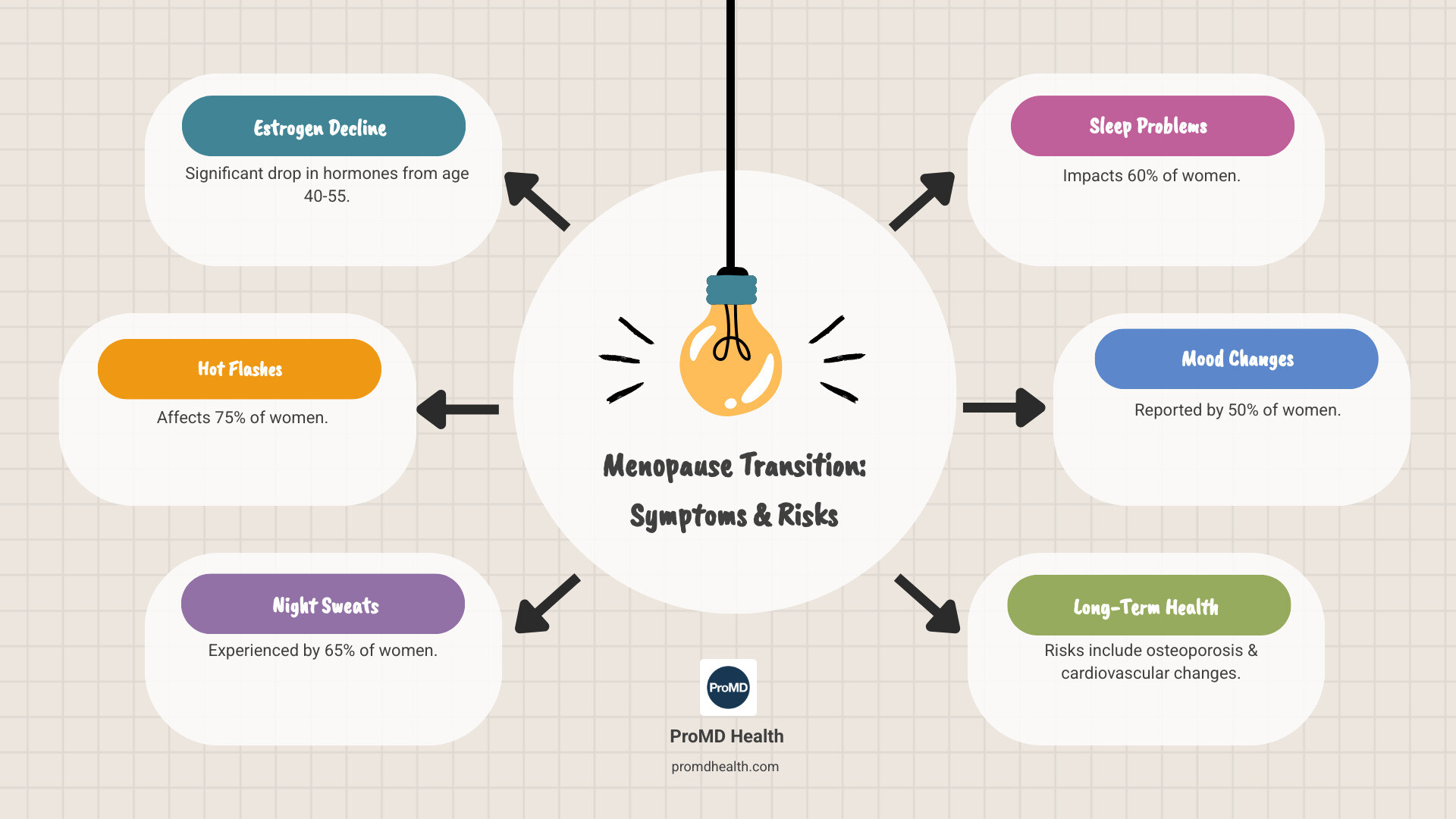
As women enter the menopause transition, falling estrogen and progesterone levels cause symptoms like hot flashes, night sweats, and mood swings. For years, HRT was the standard treatment.
That changed in 2002 when the Women’s Health Initiative (WHI) study linked HRT to serious health risks, causing widespread fear. However, we now know that study had major flaws: the participants were older (average age 63), and they used outdated synthetic hormone formulations. The panic that followed was based on an incomplete picture.
Today’s science, which uses modern, bioidentical hormones and focuses on proper timing, paints a much safer picture. In fact, the FDA is removing its broad “black box” warnings from HRT products, reflecting this new understanding. For women who start HRT at the right time, studies show a 40% reduction in all-cause mortality and significant protection for their bones and heart.
I’m Scott Melamed, President and CEO of ProMD Health. With a Master’s in Biotechnology from Johns Hopkins University, I’ve focused my career on evidence-based hormone optimization. I’ve seen how getting accurate, personalized information about HRT safety can transform women’s lives.
The Evolution of HRT: From Widespread Fear to Renewed Confidence
For decades, HRT was the trusted solution for menopause symptoms. Then, in 2002, the medical community was shaken by the The Women’s Health Initiative (WHI) study. Its findings suggested that combined HRT (estrogen plus progestin) increased the risk of breast cancer, heart disease, and stroke.
The headlines sparked immediate panic. Millions of women stopped their treatments, and doctors became hesitant to prescribe them. A generation of women was left to endure menopause symptoms without effective relief, fearing the potential consequences of treatment.
However, a deeper look at the data revealed significant flaws in the study. The average participant was 63 years old, well over a decade past the typical onset of menopause. We now know that starting HRT at the right time is crucial for its safety and effectiveness.
Furthermore, the WHI study used hormone formulations that are rarely prescribed today, specifically conjugated equine estrogens combined with medroxyprogesterone acetate (MPA). Modern research indicates that MPA likely contributed to the increased breast cancer risk observed in the study. The hormones used today are vastly different and safer.
Over the past 20 years, extensive research has reshaped our understanding. New analysis of HRT safety confirms that for women under 60 who start HRT within 10 years of menopause, the therapy is remarkably safe. This evidence is so compelling that the FDA is removing the broad “black box” warnings from HRT products—a move that signals a return to evidence-based science.
Today, we recognize that the type of hormone, the delivery method (pill, patch, or gel), and the timing of initiation all matter. We now use bioidentical hormones like micronized progesterone, which shows no increased breast cancer risk, and often prefer transdermal delivery to minimize risks. The answer to is hormone replacement therapy safe is now much clearer: yes, for most women, when prescribed appropriately with modern formulations.
The Powerful Benefits of Modern Hormone Therapy

When considering if is hormone replacement therapy safe, it’s crucial to weigh the risks against the remarkable benefits. Modern HRT isn’t just about managing symptoms; it’s about improving your overall quality of life.
The most immediate benefits are often life-changing. HRT restores declining estrogen levels, providing powerful relief from:
- Hot flashes and night sweats: By recalibrating your body’s internal thermostat, HRT can reduce or eliminate these disruptive symptoms.
- Improved sleep: Fewer night sweats lead to more restful, uninterrupted sleep.
- Mood stabilization: Many women report feeling less irritable, more emotionally balanced, and more like themselves again.
- Improved cognitive function: HRT can help clear the mental fog associated with menopause, improving focus and memory.
HRT also addresses genitourinary health. The drop in estrogen can lead to vaginal dryness and painful intercourse. Hormone therapy restores moisture and elasticity to vaginal tissues, improving comfort and intimacy.
Beyond symptom relief, HRT offers significant long-term health protection. One of its most important roles is in osteoporosis prevention. Estrogen is vital for bone density, and HRT helps prevent the rapid bone loss that occurs after menopause. Women who start HRT within 10 years of menopause can reduce their risk of bone fractures by 50-60%, a key factor in maintaining independence and an active lifestyle. This is real protection against bone loss and fractures.
When started within that same 10-year window, HRT may also reduce cardiovascular disease risk by up to 50% and potentially lower the risk of Alzheimer’s disease. At ProMD Health, we see how this renewed vitality helps women thrive. As we discuss in our article on how Hormone Replacement Therapy Can Help You Feel Younger, the right hormone balance empowers you to live your best life through menopause and beyond.
Is Hormone Replacement Therapy Safe? A Clear Look at the Risks

An honest conversation about HRT must include the risks. The answer to is hormone replacement therapy safe depends on your personal health profile, age, and the specific type of therapy you use. Understanding these factors is key.
The primary concern for many women is breast cancer. The data shows a small increase in risk with combined HRT (estrogen plus progestin): about 5 extra cases per 1,000 women over 5 years. This risk is linked to the duration of use and drops after stopping therapy. Importantly, estrogen-only HRT (for women without a uterus) shows little to no increased risk.
Oral HRT tablets can slightly increase the risk of blood clots and stroke. However, this risk is very low for women under 60. Crucially, transdermal estrogen—delivered via patches, gels, or sprays—bypasses the liver and does not carry the same risk. This makes transdermal options a safer choice for many. To put it in perspective, the clot risk from HRT is often lower than that associated with pregnancy or some birth control pills. There is also a small potential increase in gallbladder disease. For a detailed overview, the NHS provides a comprehensive guide to the benefits and risks of HRT.
An individualized risk assessment with a knowledgeable provider is essential to weigh these factors against the benefits for your unique situation.
How Age and Timing Determine if Hormone Replacement Therapy is Safe
When you start HRT is just as important as whether you start it. This is known as the “window of opportunity.” Research overwhelmingly shows that HRT is safest and most beneficial when initiated before age 60 or within 10 years of your last period. For healthy women in this timeframe, the benefits outweigh risks for younger women.
Starting HRT in this window is associated with a reduction in all-cause mortality, a 50-60% lower fracture risk, and up to a 50% reduction in cardiovascular disease risk. However, starting HRT after age 60 or more than 10 years past menopause generally increases risks and does not provide the same protective effects.
Is Hormone Replacement Therapy Safe if I Have Other Health Conditions?
HRT is not suitable for everyone. Certain health conditions, or contraindications, can make it unsafe. It is vital to discuss your full medical history with your provider. HRT is typically not recommended if you have:
- A personal history of breast, ovarian, or uterine cancer.
- A history of blood clots, such as deep vein thrombosis (DVT) or pulmonary embolism.
- A history of heart attack or stroke.
- Active liver disease.
- Unexplained vaginal bleeding that has not been evaluated.
- A current or suspected pregnancy.
For women with complex health histories, consulting a specialist is crucial. An expert in hormone optimization can carefully weigh your individual risks and benefits and explore all options, including non-hormonal alternatives. At ProMD Health, our comprehensive, personalized approach ensures we understand how effective is hormone optimization therapy? for your specific situation.
Personalizing Your Path: Types of HRT and Alternatives
Finding the right menopause management strategy is a personal journey. At ProMD Health, we craft a plan that fits your unique body, lifestyle, and health goals.

There are two main approaches to hormone therapy. Systemic HRT circulates hormones throughout the body to treat widespread symptoms like hot flashes, night sweats, and mood swings. It comes in various forms, including pills, patches, gels, and sprays. In contrast, Local HRT targets specific issues, primarily vaginal dryness and discomfort. It delivers low-dose estrogen directly to vaginal tissues via creams, rings, or tablets, with minimal absorption into the bloodstream.
The type of hormone you take also matters. Women who have had a hysterectomy typically use estrogen-only therapy. If you still have your uterus, you will need combination therapy (estrogen plus a progestin) to protect the uterine lining from thickening, which reduces the risk of endometrial cancer.
Modern HRT has shifted toward bioidentical hormones, which are molecularly identical to the ones your body produces. We now favor hormones like micronized progesterone over older synthetic progestins like medroxyprogesterone acetate, which was linked to health risks in early studies. Research suggests micronized progesterone does not carry the same increased breast cancer risk. At ProMD Health, we specialize in bioidentical hormone replacement therapy (BHRT), often using customized formulations. This personalized approach is central to answering is hormone replacement therapy safe for you. Learn more in our article on 3 Things to Know About Bio-Identical Hormone Replacement Therapy.
If HRT isn’t right for you, there are effective alternatives:
- Lifestyle Changes: Regular exercise, a balanced diet, and avoiding triggers like caffeine and alcohol can significantly reduce symptoms. Quitting smoking is also highly beneficial.
- Therapies: Cognitive Behavioral Therapy (CBT) and clinical hypnosis have been proven to help manage hot flashes and anxiety.
- Non-Hormonal Medications: Certain antidepressants (like paroxetine), gabapentin, and other prescription drugs can effectively treat hot flashes. For vaginal symptoms, over-the-counter moisturizers and lubricants, as well as prescription options, can provide relief.
We will discuss all these options with you to find the path that best suits your needs and goals.
Frequently Asked Questions about HRT Safety
Deciding on hormone therapy involves careful thought. Here are answers to some of the most common questions we hear.
How long can I safely take hormone therapy?
There is no one-size-fits-all answer. The old advice to use the “shortest possible time at the lowest effective dose” has been updated by modern evidence. For many women who start HRT in the optimal window (before 60 or within 10 years of menopause), the benefits can continue to outweigh the risks for many years.
The key is regular re-evaluation with your provider. We recommend annual check-ins to discuss your symptoms, health status, and whether continuing HRT is still the right choice. Some women’s symptoms return upon stopping, while others continue for the long-term protective effects on bone and heart health. There is no absolute time limit. The decision to continue is based on an ongoing assessment of your personal risks, benefits, and quality of life.
What is the difference between “bioidentical” and “synthetic” HRT?
This distinction comes down to molecular structure.
-
Bioidentical hormones are chemically identical to the hormones your body produces, like estradiol and micronized progesterone. They are often derived from plants and are recognized and processed by your body as its own. Some are mass-produced and FDA-approved, while others can be custom-compounded.
-
Synthetic hormones are chemically altered and have a different molecular structure from the hormones your body makes. Examples include conjugated equine estrogens (Premarin) and medroxyprogesterone acetate (Provera), which were used in the original WHI study. Because their structure is different, your body processes them differently, which can lead to different side effects and risk profiles.
At ProMD Health, we primarily use bioidentical hormones to work in harmony with your body. You can learn more in our article on 3 Things to Know About Bio-Identical Hormone Replacement Therapy.
Will HRT make me gain weight?
This is a common concern, but the reassuring answer is that HRT itself does not typically cause weight gain. The weight changes many women experience during midlife are due to the menopause transition itself. Declining estrogen levels slow metabolism, reduce muscle mass, and cause the body to store more fat around the abdomen.
Some women may experience temporary fluid retention or bloating when first starting HRT as their body adjusts. This usually resolves within a few weeks. If it persists, your dosage or formulation can be adjusted.
Maintaining a healthy weight during menopause depends heavily on lifestyle. Regular exercise and a balanced diet are more important than ever, whether you are on HRT or not. If you notice persistent weight changes, discuss them with your provider to create a plan that addresses the root cause.
Conclusion: Making an Empowered Choice for Your Health
So, is hormone replacement therapy safe? The answer is a confident yes—for most women, when it is personalized and properly managed. This is a far more hopeful message than the one that dominated the conversation for two decades.
We’ve seen that the old fears were based on outdated science and that modern HRT offers remarkable benefits, from relieving debilitating symptoms to protecting your long-term bone and heart health. The risks are small and manageable for most women, especially when using modern formulations and delivery methods like patches or gels.
Your safety with HRT depends entirely on personalization. Your age, the timing of initiation, your specific health history, and the type of hormones used are all critical factors. This is why a cookie-cutter approach is not enough. You need expert guidance from a provider who understands the latest science and can design a treatment plan custom specifically to you.
At ProMD Health, this personalized approach is the cornerstone of what we do. We are passionate about helping you “Look Younger and Feel Younger” through evidence-based hormone optimization. Our team uses advanced diagnostics to understand your body’s unique needs, partnering with you to monitor and adjust your treatment for the safest, most effective results.
We have locations throughout Maryland, Virginia, Florida, Texas, Colorado, and the District of Columbia, including Annapolis, Arlington, Ashburn, Bel Air, Bethesda, Columbia, Easton, Fort Lauderdale, Hutto, Lafayette, Lewes, Timonium, Tysons Corner, Washington, Wellington, and Westminster.
If menopause symptoms are impacting your life, you don’t have to just endure them. You deserve to feel vibrant and in control of your health.
Take the next step and learn more about our Hormone Optimization Therapy services.
Let’s work together to find the right path forward for you.